Showing 141–160 of 276 results

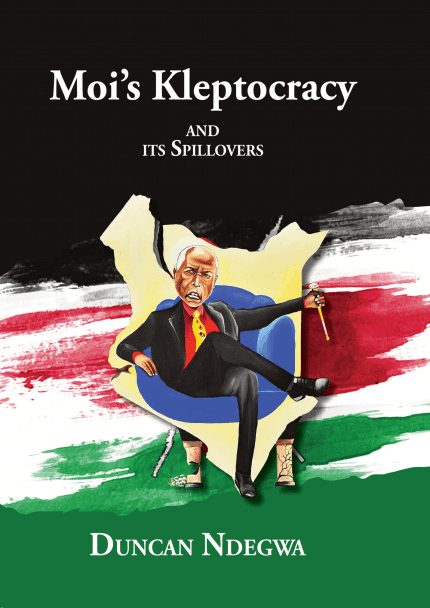
Mois Kleptocracy and its Spillovers b...

KShs1,800.00 KShs1,500.00
Most of Africa has been free from direct colonial domination for more than half a century. In that period, there are leaders who have inspired confidence among their citizens while several others have underwhelmed the citizenry. F0r Kenya and Africa to make progress, we must learn from our past lest we keep taking wrong turns we have taken in the past, time and again. Similarly, we need to take note of the times we have taken the right decisions so that we reap more from some choices we made in our past. It is in that spirit that Moi’s Kleptocracy and its Spillovers is written. In this book, Duncan Ndegwa recounts how President Daniel arap Moi’s post1982 coup attempt missteps led to an era that left Kenya hanging on a precipice in numerous ways. By the time Moi left power in 2002, vicious cartels of ravenous overlords had ravaged Kenya and turned it into private property. A sense of exclusion that ensued left many Kenyans in a state of utter despondency. The end of the Moi era marked a huge contrast from its beginning, which to many was associated with renewed hope. Clearly, the effects of the Moi era are yet to disappear from our national milieu decades after Daniel Moi relinquished power. Mr Ndegwa is a long-serving public servant who became President Jomo Kenyatta’s first Head of the Civil Service and Secretary to the Cabinet. He was later to serve as the first African Central Bank Governor, a role he played from 1967 to 1982. An ardent golfer, Mr. Ndegwa has remained a public-spirited individual who has, thus far, assisted hundreds of bright but needy learners to transit to the next level. To his credit, Mr. Ndegwa published his autobiography, Walking in Kenyatta Struggles: My Story more than ten years ago. He has since commissioned abridged renditions of the same title in Gikuyu language, Rugendo rwakwa Makinyaini ma Kenyatta and one more targeting younger readers by the title, Boy From Chorong’i. His two other titles are a tribute to his cultural roots – Mucii wa Aceera a Mbari ya Ndegwa wa Wahome and Unduire wa Ruriri rwa Agikuyu.

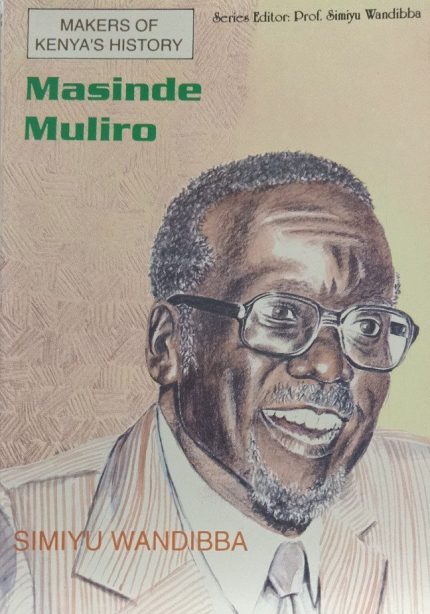
Makers of Kenya History Masinde Mulir...

KShs600.00 KShs500.00
Makers of Kenya History Masinde Muliro by Simiyu Wandiba

Hello Mother by Charles Chanchori

KShs1,290.00 KShs1,000.00
After his mother abandons him at a young age, Toma writes her letters, hoping one of them will bring her back.

Kenyas Tax Czar: The autobiography of...

KShs4,190.00 KShs3,890.00
Kenyas Tax Czar: The autobiography of MG Waweru.

A farm called Kishinev by Marjorie Ol...

KShs1,000.00 KShs590.00
In 1903, the British offered Uasin Gishu as a sanctuary and national home for Jews escaping persecution in Eastern Europe. But in the event, this was never put into effect; and instead of refugees, Afrikaner and British officers established themselves in the area. This novel explores the experiences and feelings of an ordinary Jewish settler family in twentieth century East Africa, considering the complex interplay between international politics, colonial dominance, and anti-Semitic and anti-African racist ideologies.

The Liberation of Swahili : A handboo...

KShs1,000.00 KShs950.00
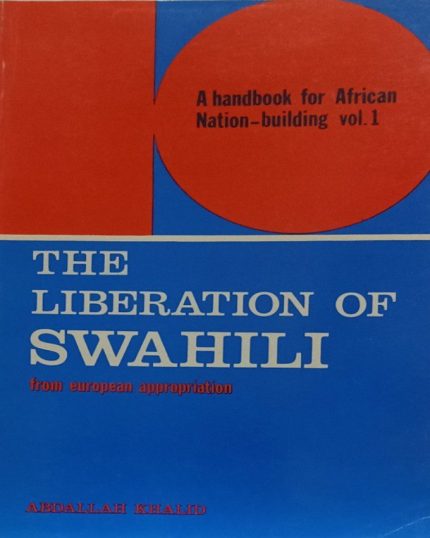
The Liberation of Swahili : A handbook for African Nation Building Vol 1 by Abdalla Khalid.

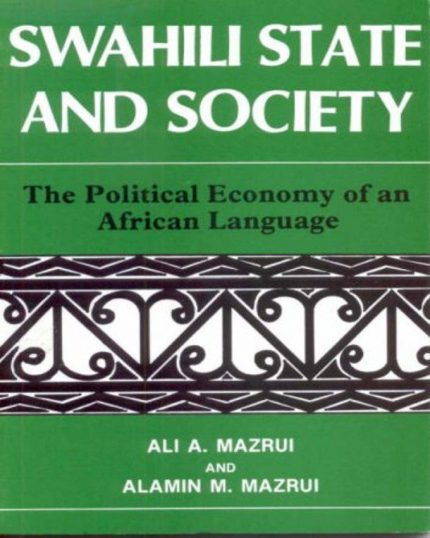
Swahili State and Society by Ali Mazrui

KShs1,000.00 KShs790.00
Swahili State And Society: The Political Economy Of An African Language. The authors consider the spread of the Swahili language in Eastern and Central Africa against a background of interaction between church and state, and between economics and politics.

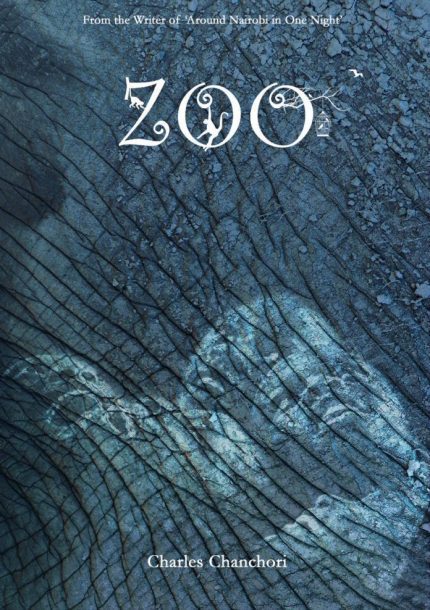
Zoo By Charles Chanchori

KShs1,200.00 KShs1,000.00
After being sent to a Catholic boarding in 1998, eight-year-old Safari must navigate through the skin-hardening life there under the gaze of a tough priest, with the support of an abusive older brother and a ragtag group of friends.

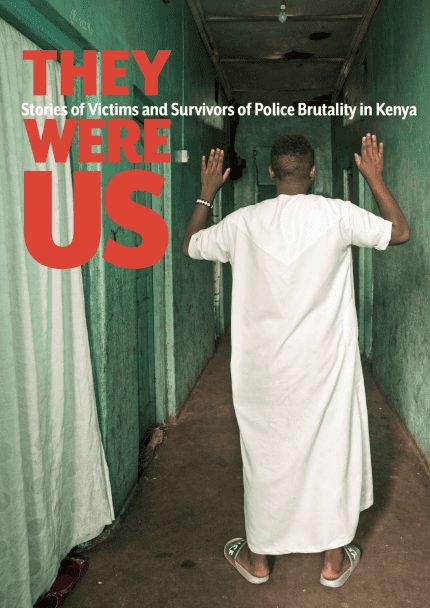
They Were Us: Stories of Victims and ...

KShs2,500.00 KShs2,000.00
They Were Us is a documentary project that reveals the systemic causes of extrajudicial executions through the stories of those most impacted by Kenya’s informal policy of state-sanctioned violence in the name of safety. In these cases, police officers are simply an extension of security policies crafted by the political elite, policies that essentially make poverty itself a crime. Police might be the ones pulling the trigger, but popular narratives of security legitimize ‘shoot-to-kill’ policing. Instead of protecting fundamental human rights, policing is imagined as an urgent response to the need to “stabilize,” “control,” and “eliminate.” Benna Buluma, MVSN Convener, arranged interviews with other people who have lost loved ones from police brutality. Wyban Kanyi interviewed them, translated and edited their conversations. Photographs taken by Betty Press.