Showing 21–40 of 276 results

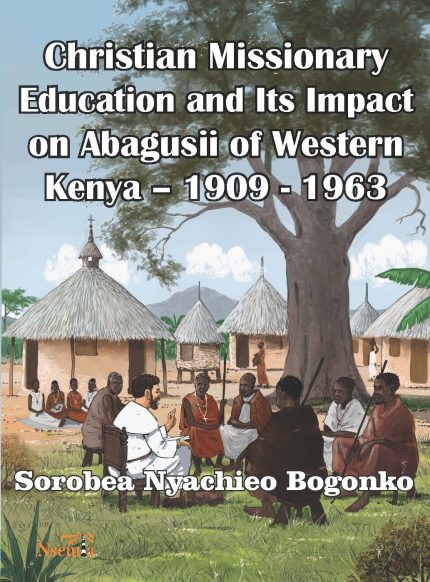
Christian Missionary Education and It...

KShs2,800.00 KShs2,400.00
This work focuses on Christian missionaries’ education in Gusii, western Kenya, between 1909 and 1963. It examines the socio-economic and educational aspects of Gusii society in the pre-Christian period. A key observation is that traditional African education was practical, mnemonic, and real; it was worthwhile for the culture of Abagusii. The missionaries introduced a largely theoretical education that was alien to Gusii. Missionaries, through condemnation of the ways of life of Abagusii, inflicted a deadly blow to traditional education. Gusii educational processes (e.g. rites of passage such as circumcision) and venues of education (e.g. ebisarate) were termed ‘heathen’. Colonial government support for missionary education further weakened indigenous ways and practices, rendering traditional Gusii education helpless. The alien education destroyed traditional structures and systems, and enabled the first modern elite classes to emerge. It produced clerical and administrative cadres for the colonial administration, in addition to commercial and political elites. Mission schools, further, produced teachers who, though not well educated, spread and planted modern education in Gusii society. All this submerged old elites: the rainmakers, medicine men, seers, and others. The actions of missionaries and the colonial government shaped Gusii society anew. Their impact on Gusii culture, economy, healthcare and administration, among others, was irreversible. What would have been the trajectory in Gusii had the foreigners integrated indigenous education into their schemes? To what degree would Gusii society, its culture and knowledge have been preserved? How prominent, for instance, would indigenous ways of life (e.g. medicine) be part of modern Gusii society?

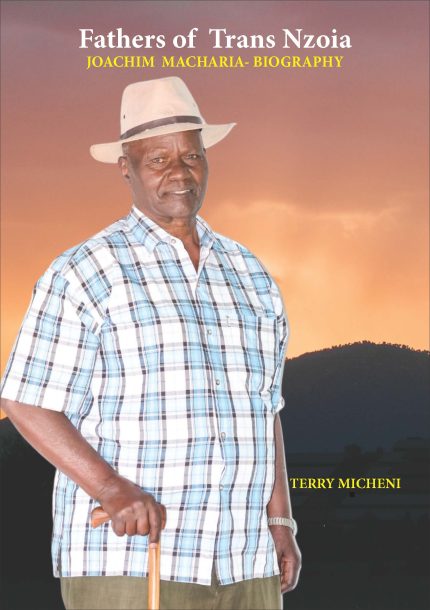
Fathers of Trans Nzoia Joachim Machar...

KShs1,000.00 KShs700.00
A Biography of Joachim F. Macharia

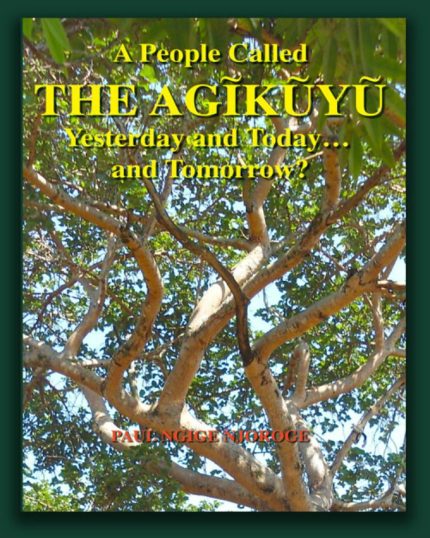
A People Called the Agikuyu: Yesterda...

KShs4,500.00 KShs4,300.00
A People Called the Agikuyu: Yesterday and Today … and Tomorrow? Around A.D. 1000, a community of Bantu-Thagicu speakers left their Nyambene Hills area settlement in Igembe-Tigania, in present-day Meru country in central-eastern Kenya, in search of new homes. By A.D. 1400, this community had split into distinct, but closely related, Thagicu-speaking groups occupying a region running from Meru, through Embu and Kirinyaga to Murang’a. These groups were – from north to south – the Tharaka, Cuka, Embu, Mbeere, Gicugu, Ndia, and the Agikuyu. Gikuyu national consciousness goes back to the early 1400s. In the next 400 years, the Agikuyu would expand into Nyeri, Kiambu and parts of Nyandarwa – to occupy the land between the Four Mountains, namely Kirinyaga (Mount Kenya), Kia-Nyandarwa (the Nyandarwa Range), Kia-Njahi (Kilimambogo), and Kia-Mbiruiru (Ngong Hills). The British settler-colonialists, as they penetrated the interior of Kenya in the late 19th century, encountered the Agikuyu building fortified villages on the outskirts of the area that would grow into Nairobi. on the southern frontier – and stopped Gikuyu expansion in its tracks. What followed was the brutal and tragic drama of a war of conquest and inevitable resistance. The resistance was suppressed. But within the ensuing half century, the Mau Mau war of liberation would break out, and the Agikuyu and their Thagicu (now GEMA) cousins would suffer ruthless suppression by the mighty British Empire. This is the story of the Agikuyu, from their beginnings, through their encounter with foreign white rule, their contribution to Kenya’s liberation, and their mixed fortunes since Kenya’s national independence – what with their remarkable contribution to nation-building and economic development, but also their tragic experiences, including attempts at ethnic cleansing targeting them, their GEMA brothers and sisters and other communities in the 1990s, and also, most painfully, in 2007-8. The story is set against the historical background of the trans-Atlantic slave trade, the Scramble for and Partition of Africa, the struggles for the self-determination of African nation-states, as well as nation building in a brutal Globalized ‘New World Order” under the control of the Imperialist Western powers, The author, Paul Ngige Njoroge, studied literature at Makerere and Nairobi Universities. He has worked as a teacher and a book-publishing editor.

Never Say Die: The Chronicle of a Pol...

KShs1,000.00 KShs790.00
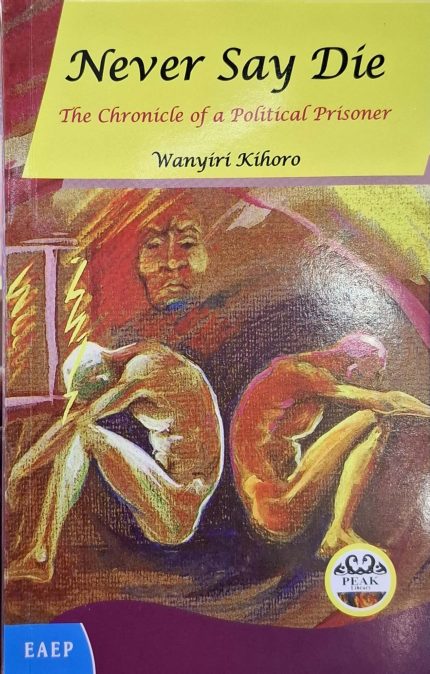
"... I saw lamentations of inmates who had passed through the pipeline. Some had just decided to put their names down and announce that they were in a cell at one time. Others had inscribed phrases like: 'Expect no mercy, 'South Africa is here, 'Not yet uhuru' and 'I am lost'. I added mine: "NEVER SAY DIE"- Wanyiri Kihoro At 2.30 a.m. on the morning of 30th July, 1986, a squad of police officers from Changamwe Police Station, Mombasa, stormed Wanyiri Kihoro's residence. They conducted a house search that did not yield anything incriminating, but this was the beginning of a long stretch of confinement for Wanyiri Kihoro. Over the next five days, he was moved from police station to police station, from city to city, without ever being charged. He spent seventy days in subterranean darkness- nude, starved, assaulted and waterlogged; he was in detention for nine hundred and fifty-six days. In this book, Wanyiri Kihoro relives the 1035 days he spent at the mercy of a security system gone berserk, at the height of a crackdown on political dissent during President Moi's dictatorial regime. His struggle to survive, his will to stay alive and his desire for justice made this ordeal the most sensational security, diplomatic and judicial quagmire in post-independence Kenya.

LAST ARROW IN THE QUIVER by JOHN GATH...

KShs2,700.00 KShs2,000.00
In colonial Kenya, Gatete wa Miano, a squatter’s son, joins the Mau Mau revolt, risking everything to reclaim his people’s land and freedom. Through fierce battles in the forest and months of brutal detention, Gatete’s journey captures the courage of a people defying oppression, even in the face of betrayal by native loyalists. Driven by a deep reverence for their homeland and faith, these fighters fought not for hate or revenge, but for a future unbound by colonial chains. This gripping story honors Kenya’s unsung heroes, reminding us that true independence demands more than political freedom—it calls for justice, dignity, and the fulfillment of their hard-won hopes.

Gusii Misiri Migration, Rainmaking, S...

KShs2,000.00 KShs1,500.00
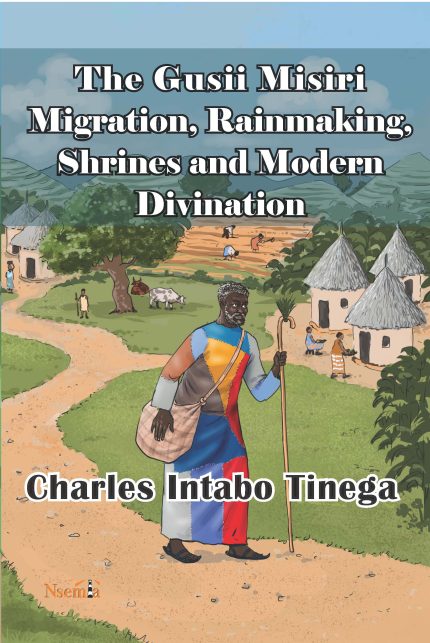
This book is about the Abagusii, Gusiiland, sacred places, sacred people, and religious activities of the community. My late father, William Tinega Mwancha (1928-1994) used to say, “Ntwe basinto b’Oiroba”, meaning, we (human beings) are sons and daughters of the ground (soil). We were formed from the soil and we will eventually return to the soil. For this reason, traditional Gusii elders regard the soil on which they live as sacred. It is therefore in this regard that any literature dealing with the Gusii must demonstrate an understanding of who the Gusii are beginning with their origin, migration and settlement in the land they dearly love and regard as holy. This is why the Gusii Misiri origin, rainmaking, shrines and divination have endeavoured to document what can be summed as the social life of the community. Apart from land (soil), the Gusii have special places, items and people that they regard as sacred. Ngoro ya Mwaga, Sakagwa shrine and Igena monto are only a few sacred places and items discussed in this book. Among the many religious specialists in Gusii, the book explores the life and works of Iriasi the 20th-century Gusii rainmaker. Iriasi was allegedly said to be intersex, a condition considered by many people of his time as uniquely religious. To his contemporaries, Iriasi was created that way to perform unusual tasks such as rainmaking, divination, and prophecy. Further to Iriasi’s nature and religious work, the book demonstrates the relevance of some traditional Gusii religious practices such as divination in modern times.

Mwakenya : Real or Phantom

KShs2,000.00 KShs1,500.00
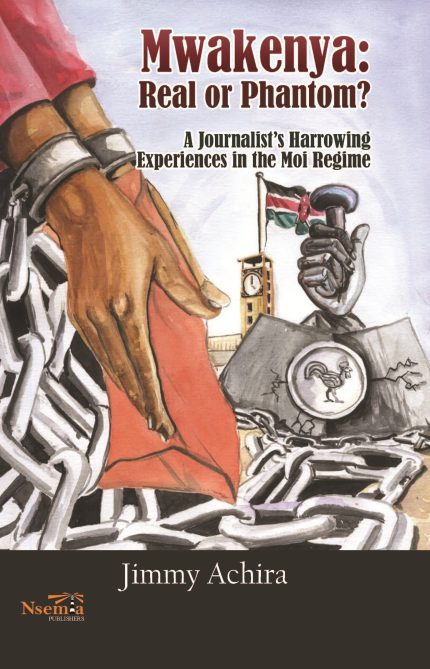
Mwakenya: Real or Phantom?, is Jimmy Achira's persecution experience Daniel Arap Moi's Kenya in 1980s. The Daily Nation captured best the nebulous phenomenon called Mwakenya. “Mwakenya remained a chimera to the Kenyan media. Reporters knew no “Mwakenya” officials and received no calls, manifestos or press releases from them. “There was no known office location, or telephone or fax numbers. Everything that came to the media house, and appeared as trial evidence, was from the Moi-KANU government. “The seditious documents produced in court were always photo-copies, never originals. It was not only university lecturers, students who were victims of the security dragnet-civil servants and journalists too, were picked up”. -Daily Nation, Sept. 20th 1987. In the 1980s, in Moi’s regime, it was anathema to be termed "Mwakenya" for that would pronounce arrest, torture and jail. It was one of the saddest chapters in the nation’s history; people talked in hushed voices, looking over their shoulders to see who was listening; when people worried what they were seen reading for it could be “seditious”. Jimmy Achira, a journalist who found himself in the Mwakenya dragnet, chronicles his experiences in Mwakenya: Real or Phantom? The book is not a history of Mwakenya but a personal account of encounter with oppression in Moi’s Kenya. The real story of Mwakenya would be told by historians. It is unfortunate that instruments like the Truth, Justice and Reconciliation Commission have yet to unearth the atrocities against Kenyan people; atrocities perpetuated in the name of state security; and law and order. What others say: "It is important that the experiences such as Achira's be told for the sake of history and posterity. The history of those dark days should be taught in schools, alongside tales of heroic struggles such as that of Mau Mau "Many Kenyans who enjoy the fruits of "freedom" under multi-party democracy know little about the suffering many faced and sacrifices made to achieve the current freedom.” - Gershom Otachi Bw'Omanwa "The Nyaro era of the 1980s was a time of horror in the history of human rights in Kenya. In early 1986 the crackdown on those Kenyans perceived to have dissenting views about the government had been put in motion. Under the guise of rooting out subversives, particularly referred to as "Mwakenya" ( Muungano wa Wakenya) the police unleashed such a reign of terror that a wide cross-section of people's lives were destroyed. “ - Dr Carey Francis Onyango, Lecturer and HUman Rights Activist. “Political imprisonment was common in the Nyayo era in which Moi held Kenya in a vice-like grip. Now, the untold can be told. Stories, as Jimmy Achira's, help us understand those days and the price many Kenyans paid for freedoms enjoyed today. “ - Dr Matunda Nyanchama, ICT Professional and Publisher. About the Author Achira was born at Bosiango, West Mugirango, Nyamira and went to Bosiango Primary School, Taranganya and Nyansabakwa High Schools. He taught at Mborogo Secondary School before entering journalism. He has worked for Target/ Lengo, East African Standard, Nation and Kenya Times. Others are The Weekend Mail and The Weekly Revie . In April 1995, he incorporated Rural Media Services Limited under which he published regional rural monthly newspaper, The Western Monitor. He co-edited, with Tom Amoro, A Guide to Gusii Politics 1997, published What Next after 1997 General Elections in Gusii? Presently, he is media consultant/publisher and working on The Memoirs of a Veteran Journalist 1979 – 1999.
Beyond tribal Lines

KShs1,000.00 KShs800.00
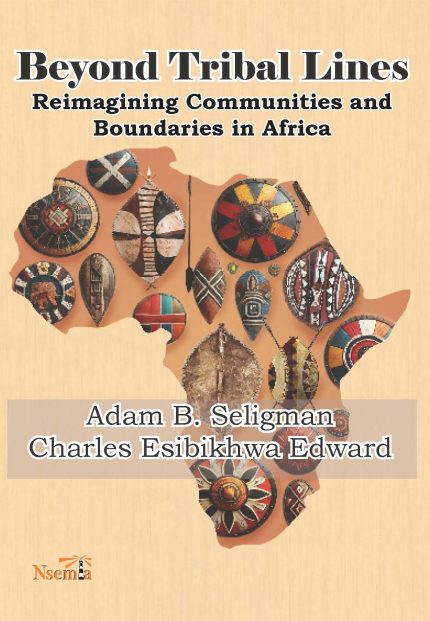
Beyond Tribal Lines: Reimagining Communities and Boundaries in Africa is about the perceptions, understandings, and experiences of difference between selves and communities in Africa and beyond. It focuses on the nature of difference in its many manifestations – social and communal, local and national – and the fundamental bases and typical consequences of such difference. Further, it explains the importance of difference between individuals, communities and societies; affirming that difference is natural to human social and individual existence. Critically, it takes up the challenge of how – given the many differences between us – a society may achieve peaceful co-existence and harmony among its members. The book makes the case that being different doesn’t necessitate being enemies, antagonists or subjects of contestation. To address and live with said difference, the authors present thoughtful ideas on realizing social harmony through individual and community reflection and understanding. What Others Say “Lawyers engaging transformative constitutions in Africa will find the book useful in interrogating these constitutions’ implementation which calls for a multi-disciplinary approach to their interpretation and implementation. The various insights of this book necessarily engage the burning issue of the people’s sovereign power. Political scientists interrogating the politics of division and the quest for alternative forms of political leadership in Africa will find the book’s theoretical and practical reflections useful.” - Dr. Willy Mutunga, EGH, former Chief Justice, Kenyan lawyer, intellectual, reform activist, and former Commonwealth Special Envoy to the Maldives.

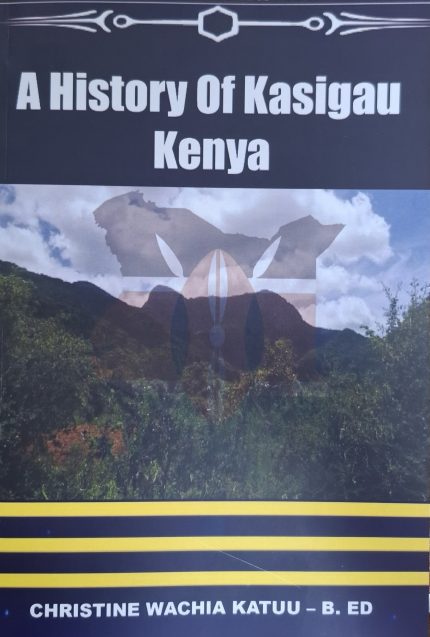
A History of Kasigau, Kenya by Christ...

KShs2,000.00 KShs1,600.00
'A History of Kasigau, Kenya" , is written by Christine Jane Wachia Katuu from Kasigau in present-day Taita Taveta County, Kenya. She reveals to the world an mportant untold history of her parents and grandparents who were victims of the exile to Malindi during the First World War (WW1) between 1914 and 1918, and eventually Mwatate before relocating back to their ancestral land in 1936. Enjoy the read as you discover more about Kenya's historical moments.

A pioneer African Pastor – Rev ...

KShs2,500.00

Useful records particularly those of the churches are not likely to be found in the continent of Africa, where history actually took place, but are to be found in a library or in a remote village in the western countries.

An African Pastor is an attempt to reserve this trend so that such information can be found where history actually took place. This work by Ernest Wanyoike, is as an attempt by an African to write for the African about African history. For too long such records have been written by foreigners but today, we begin to find the trend being reversed.

The book is not concerned with religious life of the Pastor only, but a total involvement in the life of the people of the surrounding district. If the church is to be relevant, the Pastor will have to live and act within the society and as part of the same. Consequently, a total involvement in both religious and secular activities will be part and parcel of the ministry.

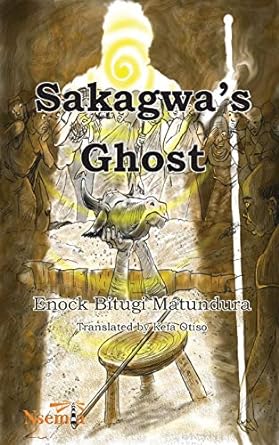
Sakagwa’s Ghost

KShs1,000.00 KShs800.00
Sakagwa's Ghost, originally published in Kiswahil as Kivuli cha Sakawa, is a story about one of Africa's legendary heroes. A seer, strategist and medicine man, Sakagwa's legend lives to date, holding that many of his predictions have come to pass. His wisdom, some say, served to assure the survival of the Abagusii community in the face of colonial incursion. In this this story, Sakagwa finds himself at a crossroads following the death of his father, a prominent leader in his own right. Conservative elders in the community, feeling threatened by this youngster's demonstrated wisdom and knowledge are determined to dim his rising star. Will they succeed? Sakagwa Ng'iti was born and lived in the Abagusii community in western Kenya at the turn of 19th Century (1800). The unfolding story in this book did take place, probably in slightly a different way from that depicted here. By chronicling this episode, the author gives the story a new lease of life, through artistic rendering, and offers chance for others to comment or offer versions of the story as they understand it.

Kenya Colouring Book

KShs1,100.00
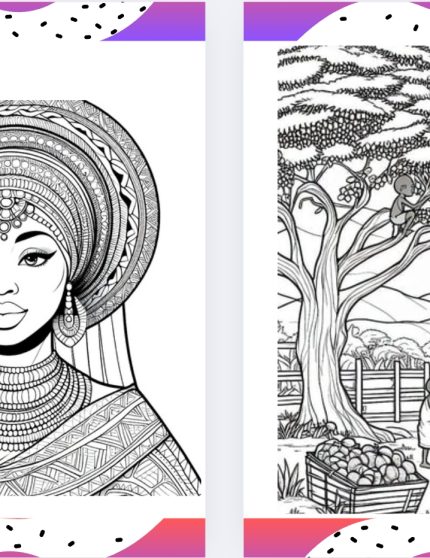
Colour the beautiful Kenyan landscapes, pictures of our childhood games, athletes, market places and much much more.

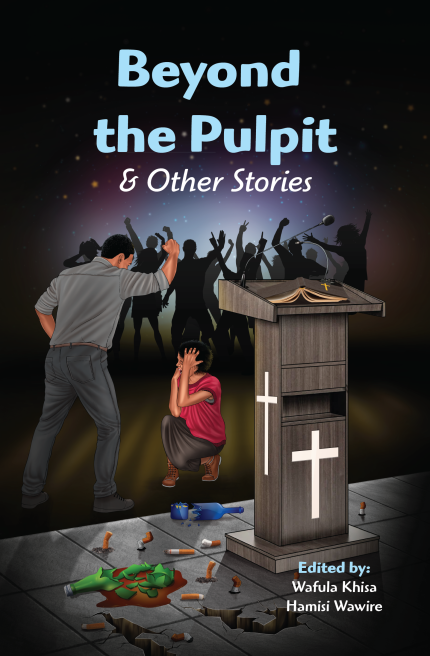
BEYOND THE PULPIT AND OTHER SHORT STO...

KShs1,100.00 KShs999.00
Step into a world where the extraordinary hides within the everyday. Beyond the Pulpit & Other Stories unveils a tapestry of lives interwoven with the complexities of faith, family, love, and societal taboos. From secret struggles behind closed doors to fierce battles for personal redemption, these stories offer a mirror to society’s hidden realities. With humor and satire, they expose the hypocrisy and moral dilemmas we face, while advocating for the voiceless—women, children, and the marginalized. Each tale compels readers to reflect, laugh, and challenge the status quo. An unforgettable journey into the heart of human experience.

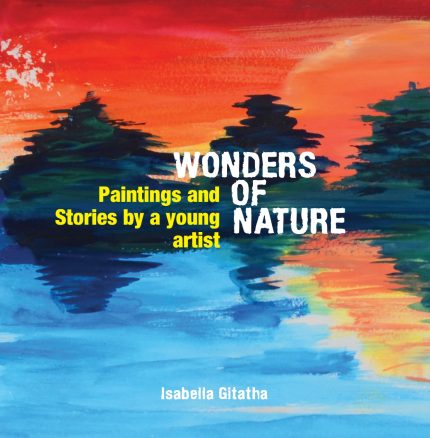
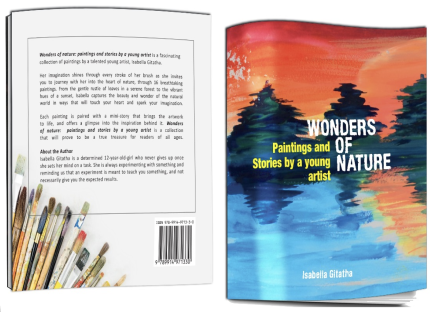
Wonders Of Nature Isabella Gitatha

KShs450.00
Experience the Wonders of Nature through an enchanting collection of nature-inspired paintings and heartfelt stories created by a talented young artist. As you delve into this captivating mini-art gallery, you will uncover fascinating facts about our environment. Let Isabella's vibrant artwork inspire you and ignite your appreciation for the beauty and creativity found in nature. Don't miss this opportunity to be moved by her artistic vision!

An Ethnopharmacological Investigation...

KShs2,200.00 KShs2,000.00
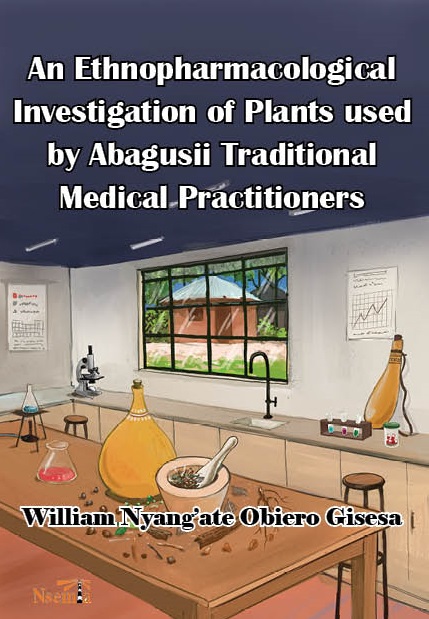
Before the arrival of Western medical practices in Africa, indigenous communities had many ways of treating various illnesses. Some, like the Abagusii of Kenya, even had advanced medical practices (given the time) such as head surgery which they conducted routinely with success. Western religion and medicine dealt a blow to these proven medical practices and stunted their development. Nonetheless, because of its effectiveness, traditional healing survives alongside Western medical practices that have taken root worldwide. Some estimates suggest that approximately 60% of the world’s population depends solely on plants for medication. As such, in Africa, it is common to find a Western-educated who professes the Christian faith under modern hospital treatment alongside prescriptions by traditional healers. Indigenous healing relied on a clear selection of specific plants, elaborate preparation and administration. Typically, the administration of the treatment relied on the plants’ medicinal potency, the associated diet (nutrition) and spiritual beliefs. William Nyang’ate Gisesa set out to test the efficacy of some of the plants used for treatment in Gusii with the results presented herein. The work, An Ethnopharmacological Investigation of Plants Used by Abagusii Traditional Medical Practitioners, relied on interviews with herbal medicine practitioners, their claims and testing the effectiveness of the plants in a laboratory environment. The work, originally completed for doctoral studies, examines (using modern scientific methods) the authenticity of traditional headers’ claims on the efficacy of their treatment. The results point to the potential for an indigenous, plant-based, pharmaceutical industry to complement the established medicinal drug production. At a time when pathogens rapidly acquire resistance to medications, indigenous plants offer fresh options. The work focused on practitioners from Gusii region: Nyamira and Kisii counties. Considering that all communities had similar practices, the task of examining plants used by all Kenyan peoples is colossal.

The Vanishing Indigenous Heritage of ...

KShs2,200.00 KShs2,000.00
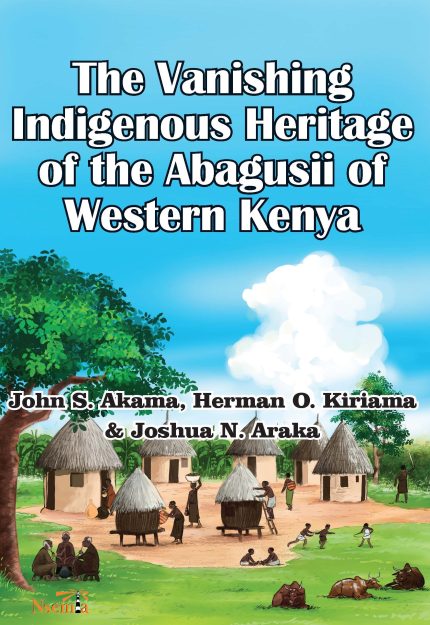
Abagusii are a Bantu-speaking group found in South Western Kenya, also called the Gusii region. Like other indigenous communities in the world, the people of Gusii have a rich heritage that captures their history and culture. The community’s heritage is at the core of their identity. For instance, Abagusii were deeply spiritual, be it in the administration of justice, an individual’s conduct or relationships with others in the society. As the community settled down, some places became more important to them. Some of these sites assumed spiritual significance. Others became historical with inscriptions that predate the arrival of the group on present-day Gusii. Places such as Ngoro ya Mwaga, at the base of the Manga Ridge, were important to the spiritual lives of Abagusii. It was sacred, and clear rules governed the manner of conduct while visiting the location. Other locations like the caves in Sameta have rock-inscribed writings that have stood the test of time. They predate the group’s arrival in that land. Some developments saw the transformation of people’s lives, such as the building of the first watermills, which substantially eased the tedious work of preparing cooking flour. This book points to the potential these places hold for present-day Gusii, Kenya and the world. As the authors write, ‘It is also important to note that other than satisfying the social-religious needs of the local community, if well managed and presented, these sites can become a source of cultural heritage tourism.’ Not only would this promote the heritage of the people of Gusii but also become a source of revenue for the two counties of Kisii and Nyamira. Further, the work underlines the importance of preserving the sites, and the heritage they represent, for future generations and the world at large. Unfortunately, as the land sizes decline in Gusii, there is encroachment and (in many cases) destruction of what was once sacred. When such destruction takes place, it goes with the historical and cultural representation it holds.

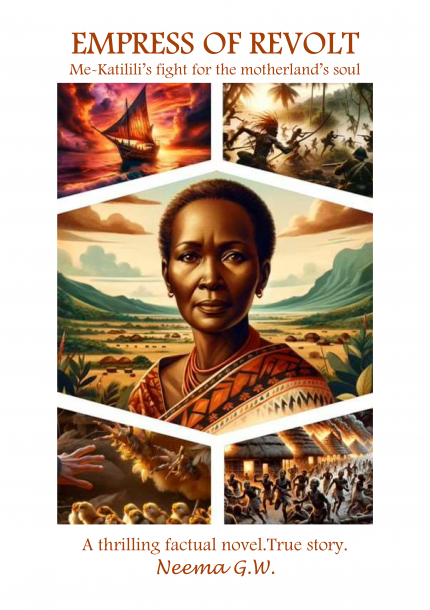
Empress Of Revolt – Me-Katilili...

KShs1,650.00
Empress Of Revolt: Me-Katilili's fight for the motherland's soul. A thrilling factual novel, true story (264 pages) Dive into the heart of Africa with Neema G.W.'s captivating journey through time, tradition, and the untold stories of heroism. Born in Kenya and refined in Germany, Neema bridges worlds, drawing from her rich Mijikenda heritage and a profound medical background to illuminate the resilience of Me-Katilili wa Menza - a symbol of strength, lost to history's shadow. Her narrative, inspired by literary giants and anchored in the depths of cultural wisdom, is more than storytelling; it's a homage to the enduring spirit of the African continent. "Empress of Revolt" weaves a tapestry of forgotten tales, inviting readers to explore the landscapes of imagination and heritage. Join Neema on this mesmerizing journey, where ancient whispers and modern voices converge, offering a sanctuary from the hustle of life and a portal to the endless possibilities of the written word. Dive into the heart of Africa with Neema G.W.'s captivating journey through time, tradition, and the untold stories of heroism. Born in Kenya and refined in Germany, Neema bridges worlds, drawing from her rich Mijikenda heritage and a profound medical background to illuminate the resilience of Me-Katilili wa Menza - a symbol of strength, lost to history's shadow. Her narrative, inspired by literary giants and anchored in the depths of cultural wisdom, is more than storytelling; it's a homage to the enduring spirit of the African continent. "Empress of Revolt" weaves a tapestry of forgotten tales, inviting readers to explore the landscapes of imagination and heritage. Join Neema on this mesmerizing journey, where ancient whispers and modern voices converge, offering a sanctuary from the hustle of life and a portal to the endless possibilities of the written word. Dive into the heart of Africa with Neema G.W.'s captivating journey through time, tradition, and the untold stories of heroism. Born in Kenya and refined in Germany, Neema bridges worlds, drawing from her rich Mijikenda heritage and a profound medical background to illuminate the resilience of Me-Katilili wa Menza - a symbol of strength, lost to history's shadow. Her narrative, inspired by literary giants and anchored in the depths of cultural wisdom, is more than storytelling; it's a homage to the enduring spirit of the African continent. "Empress of Revolt" weaves a tapestry of forgotten tales, inviting readers to explore the landscapes of imagination and heritage. Join Neema on this mesmerizing journey, where ancient whispers and modern voices converge, offering a sanctuary from the hustle of life and a portal to the endless possibilit

Kenyas Tax Czar: The autobiography of...

KShs3,300.00 KShs2,790.00
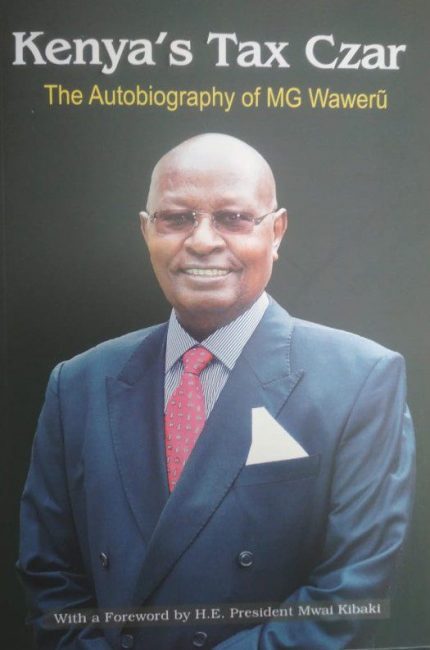
Kenyas Tax Czar: The autobiography of MG Waweru.

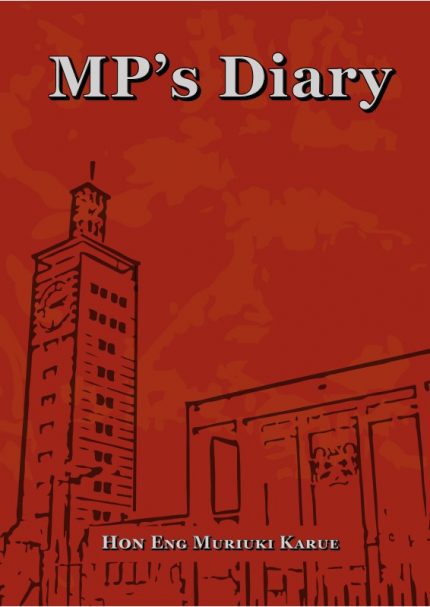
MP’s Diary by Hon Eng Muriuki K...

KShs1,950.00 KShs1,470.00
An insight into the other side of the job of a people’s representative in a developing country, alongside legislative duties in Parliament.