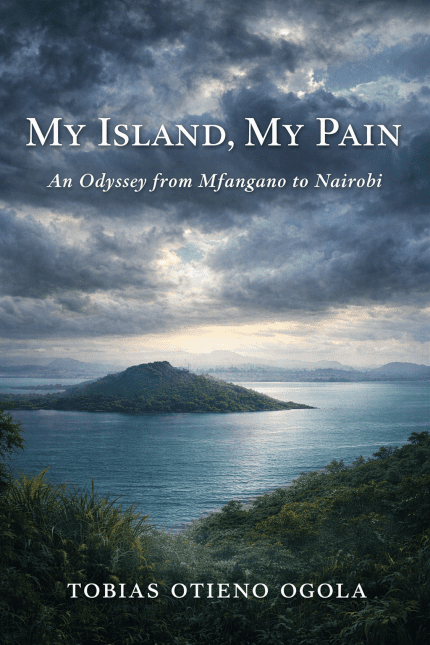
My Island, My Pain is an epic chronicle of loss, betrayal, endurance, and self-discovery, tracing the turbulent life of Atobi amid the gradual collapse of a family undone by desire, manipulation, and grief. The narrative begins with his father, Richard, a disciplined and enterprising man whose labor transforms water into wealth and vision into stability. Through boats, fishing, and a thriving general shop, Richard builds prosperity, respect, and comfort for his household.
At the heart of this success is his first wife, Janet, barren yet dignified, carrying the quiet anguish of childlessness. Though devoted, she senses Richard’s yearning for an heir, a longing that leaves a silent wound. Into this vulnerability steps Grace, calculated, entitled, and perceptive, enticing Richard and exploiting his desire for continuity and legacy. Recognizing her barrenness and unwilling to face humiliation or rivalry, Janet leaves a resigned act of self-preservation. With Janet gone, Grace becomes Richard’s second wife, and the union marks the start of profound misfortune.
Grace possesses an innate skill for manipulating men, offering Richard hope for children and legacy while positioning herself for dominance. Under the influence of her brother, Odero, and her mother, Nyakaswanga, she gradually turns against him. Together, they orchestrate the systematic squandering of Richard’s wealth. Years of labor collapse under deception, extravagance, and calculated exploitation. Grace’s infidelity and emotional manipulation erode Richard’s confidence, identity, and authority, leaving him emotionally and financially broken.
The family’s decline accelerates with the tragic death of Richard’s son, Sila, from complicated malaria. Delayed care, traditional medicine, and hospital strikes culminate in loss. Overwhelmed, Richard retreats to Siro Island, leaving Grace and the children behind in a home stripped of warmth and guidance. Grace’s neglect intensifies; she squanders what remains of the family’s wealth, offering control without care, authority without affection. Any hope of reconciliation with Richard dies; the bond is irreparably shattered.
The children, especially Atobi, endure instability, displacement, and emotional deprivation. Relocation to Hama Island deepens the sense of rootlessness. Grace’s increasing control and performative religiosity widen the emotional rift rather than heal it. Amid this chaos, Atobi finds refuge in education. Books and discipline become his sanctuary, and academic excellence his quiet rebellion against a legacy of dysfunction. Later, abandoned again and sent to live with a cousin under harsh conditions, he endures with resolve. Each hardship strengthens his character; each betrayal sharpens his determination.
Ultimately, My Island, My Pain is more than a tale of familial collapse. It meditates on power, desire, betrayal, and the resilience forged through suffering. Atobi’s journey demonstrates that even amid loss, manipulation, and emotional ruin, a determined spirit can rise unyoked from inherited pain and shape a future defined by hard-won strength, wisdom, and self-authorship.
















 Accessories144 products