














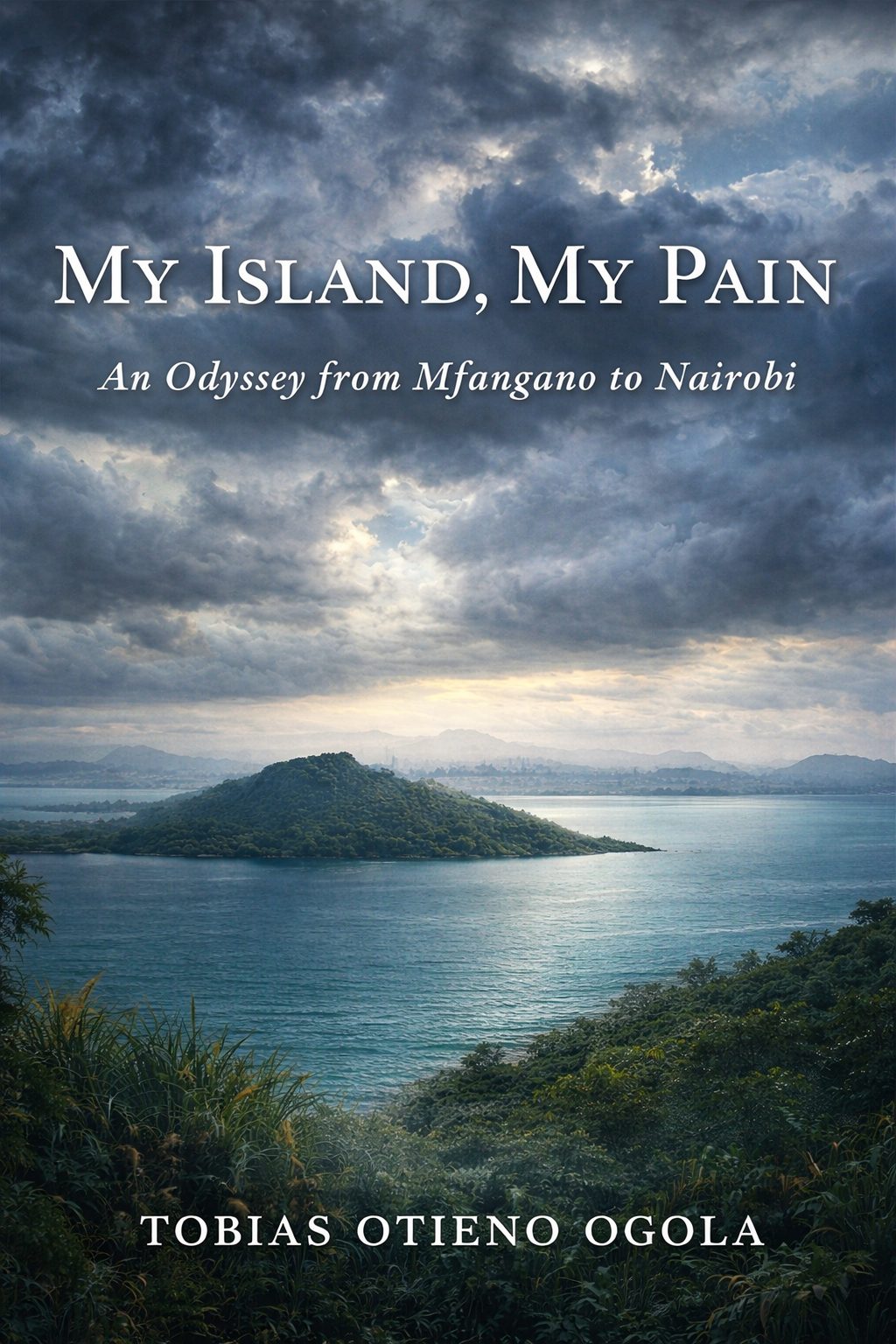
My Island, My Pain A Play by Mr. Tobias Otieno Ogola
A Story of Struggle, Hope, and Survival
On the serene yet merciless shores of Mfangano Island, where the waves whisper secrets of the past and the winds carry the cries of the forgotten, one boy dares to challenge fate. My Island, My Pain is a heart-wrenching, deeply evocative play that captures the raw reality of island life through the eyes of Atobi a young dreamer caught between the weight of tradition and the desire for freedom.Haunted by loss and burdened by responsibility, Atobi wrestles with the hardships of poverty, the limitations of his environment, and the ghosts of his past. As he struggles to carve a future beyond the island’s shores, he faces impossible choices between duty and ambition, survival and dreams, despair and hope.
Told with unfiltered honesty and gripping emotion, My Island, My Pain is a powerful reflection on the silent battles fought in forgotten corners of the world. It is a tale of resilience, sacrifice, and the relentless pursuit of a better tomorrow.
Why You Should Read This Play:
✔ Authentic & Emotionally Charged Storytelling Inspired by real-life experiences, this play brings to light the untold stories of island communities.
✔ Themes of Hope & Struggle Explores grief, poverty, education, and the unbreakable human spirit.
✔ Cinematic & Theatrical Depth Crafted in a way that makes it perfect for adaptation into a stage play, film, or series.
For lovers of drama, culture, and human resilience, My Island, My Pain is more than just a play it’s an unforgettable journey into the heart of survival and the power of dreams.



James whitmore –
Book Review: My Island, My Pain
Reviewer: James Whitmore, English Literary Critic
Tobias Otieno Ogola’s My Island, My Pain is a deeply evocative and introspective narrative that paints a hauntingly beautiful portrait of life on an island, shaped by personal struggles, societal expectations, and the ever-present tension between tradition and modernity.
From the outset, Ogola’s prose is both lyrical and piercing, immersing the reader in the landscape of his island—a place teeming with both natural splendour and an underlying sense of isolation. The author’s ability to depict the physical and emotional terrain with such vividness is one of the novel’s strongest attributes. It is a story that feels both deeply personal and universally resonant.
What stands out most is Ogola’s exploration of pain—not just as an individual affliction but as a collective experience. The protagonist’s journey is marked by loss, disillusionment, and resilience, all portrayed with raw authenticity. The novel does not shy away from difficult themes, yet it presents them with a rare poetic grace, allowing the reader to engage with the depths of human suffering while also glimpsing moments of hope.
Structurally, My Island, My Pain is both reflective and fluid, shifting between past and present with a natural ease that enhances its emotional weight. Ogola’s mastery of language is evident in his ability to capture fleeting moments—be it the quiet despair of a lonely night or the fierce determination of a spirit unwilling to be broken.
For those who appreciate literature that delves into the human condition with sincerity and depth, My Island, My Pain is a compelling read. Tobias Otieno Ogola proves himself to be not just a storyteller but a poet of human experience, making this novel a poignant and unforgettable addition to contemporary African literature.
Tobias Ogola –
This book is amazing and full of wisdom.