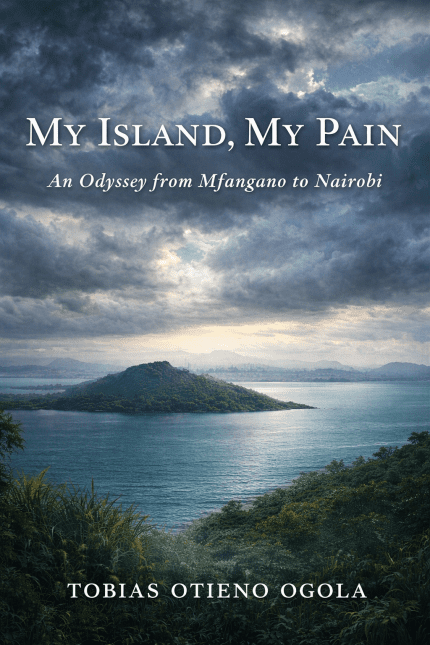
My Island, My Pain is an epic chronicle of loss, betrayal, endurance, and self-discovery, tracing the turbulent life of Atobi amid the gradual collapse of a family undone by desire, manipulation, and grief. The narrative begins with his father, Richard, a disciplined and enterprising man whose labor transforms water into wealth and vision into stability. Through boats, fishing, and a thriving general shop, Richard builds prosperity, respect, and comfort for his household.
At the heart of this success is his first wife, Janet, barren yet dignified, carrying the quiet anguish of childlessness. Though devoted, she senses Richard’s yearning for an heir, a longing that leaves a silent wound. Into this vulnerability steps Grace, calculated, entitled, and perceptive, enticing Richard and exploiting his desire for continuity and legacy. Recognizing her barrenness and unwilling to face humiliation or rivalry, Janet leaves a resigned act of self-preservation. With Janet gone, Grace becomes Richard’s second wife, and the union marks the start of profound misfortune.
Grace possesses an innate skill for manipulating men, offering Richard hope for children and legacy while positioning herself for dominance. Under the influence of her brother, Odero, and her mother, Nyakaswanga, she gradually turns against him. Together, they orchestrate the systematic squandering of Richard’s wealth. Years of labor collapse under deception, extravagance, and calculated exploitation. Grace’s infidelity and emotional manipulation erode Richard’s confidence, identity, and authority, leaving him emotionally and financially broken.
The family’s decline accelerates with the tragic death of Richard’s son, Sila, from complicated malaria. Delayed care, traditional medicine, and hospital strikes culminate in loss. Overwhelmed, Richard retreats to Siro Island, leaving Grace and the children behind in a home stripped of warmth and guidance. Grace’s neglect intensifies; she squanders what remains of the family’s wealth, offering control without care, authority without affection. Any hope of reconciliation with Richard dies; the bond is irreparably shattered.
The children, especially Atobi, endure instability, displacement, and emotional deprivation. Relocation to Hama Island deepens the sense of rootlessness. Grace’s increasing control and performative religiosity widen the emotional rift rather than heal it. Amid this chaos, Atobi finds refuge in education. Books and discipline become his sanctuary, and academic excellence his quiet rebellion against a legacy of dysfunction. Later, abandoned again and sent to live with a cousin under harsh conditions, he endures with resolve. Each hardship strengthens his character; each betrayal sharpens his determination.
Ultimately, My Island, My Pain is more than a tale of familial collapse. It meditates on power, desire, betrayal, and the resilience forged through suffering. Atobi’s journey demonstrates that even amid loss, manipulation, and emotional ruin, a determined spirit can rise unyoked from inherited pain and shape a future defined by hard-won strength, wisdom, and self-authorship.






















Michael Jackson –
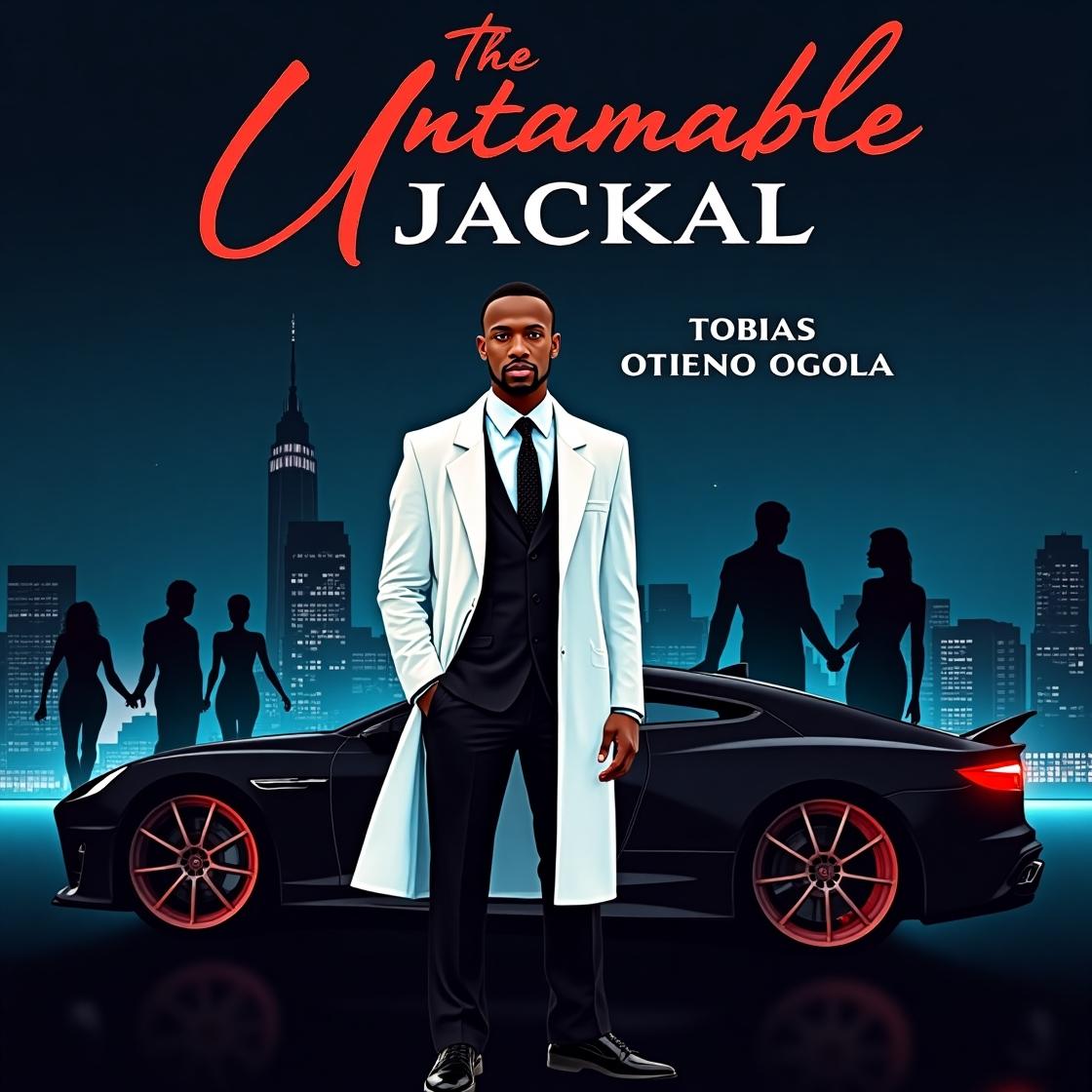
Book Review: The Untamable Jackal
Reviewed by: Michael Jackson
Tobias Otieno Ogola’s The Untamable Jackal is a gripping and thought-provoking novel that delves into the complexities of human nature, morality, and the fine line between survival and deception. With a masterful blend of psychological depth and raw storytelling, Ogola crafts a narrative that keeps readers engaged from the first page to the last.
The protagonist, a cunning and unpredictable character, embodies the spirit of the untamable jackal—elusive, sharp-witted, and always one step ahead. Ogola’s storytelling is rich in symbolism, weaving together themes of power, betrayal, and the struggle between instinct and conscience. Through vivid descriptions and compelling dialogue, he brings his characters to life, making their dilemmas feel real and urgent.
One of the book’s greatest strengths lies in its ability to challenge conventional perspectives. Just when the reader begins to sympathize with a character, Ogola introduces a twist that forces a reevaluation of what is right and wrong. His ability to create morally gray situations keeps the story unpredictable and intellectually stimulating.
The pacing is well-balanced, with moments of intense action seamlessly interwoven with introspective passages that reveal the inner workings of the protagonist’s mind. The prose is both poetic and sharp, a testament to Ogola’s skill as a writer.
The Untamable Jackal is more than just a novel—it is a philosophical exploration of the choices people make when pushed to the edge. Fans of complex, character-driven stories will find themselves captivated by this book. Tobias Otieno Ogola has once again proven his talent in crafting literature that resonates deeply with the human experience.
Rating: 4.8/5
Tobias Ogola –
Best romantic book ever 😍
It’s like watching a movie