SON OF THE SOIL: A PLAY BY HILLARY SH...

UShs24,050.00
Son of the Soil stands within the long tradition of political theatre that interrogates the relationship between power, morality, and the aspirations of ordinary people. The play employs allegory, memory, and dramatic confrontation to examine the difficult transition from liberation struggle to political authority. In doing so, it raises profound questions about leadership, accountability, and the fragile nature of revolutionary ideals. At the center of the drama is Raa-Ee-Lah, a character whose life represents the moral arc of many political movements. Beginning as a figure shaped by idealism and the teachings of his father, Jaduong, he grows into a leader confronted by the complex realities of governance and political survival. Through this journey, the play explores a recurring historical paradox: those who once fought to dismantle systems of oppression often find themselves navigating and sometimes reproducing those very structures. The dramatic structure of Son of the Soil moves fluidly between memory, reflection, and confrontation. The presence of ancestral voices and symbolic dialogue creates a layered narrative that blends personal history with collective experience. This technique situates the play within a broader tradition of postcolonial theatre in which the stage becomes a space for examining the unfinished project of liberation. Students approaching this text should consider several thematic questions: • How does the play portray the transformation of revolutionary ideals over time? • What role do memory and generational voices play in shaping political identity? • In what ways does the drama critique the relationship between leaders and the people they claim to represent? • Can the moral authority of liberation struggles survive the realities of state power? By framing political conflict within a deeply human narrative, Son of the Soil invites readers and audiences to reflect not only on particular historical experiences but also on the universal challenge of preserving justice and accountability in positions of authority. Ultimately, the play reminds us that the struggle for freedom does not end with victory; it continues in the everyday choices made by those entrusted with power

Deeper Conversations Cards: Corporate...

UShs105,050.00
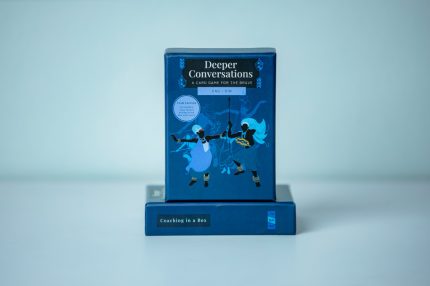
Unlock the full potential of your team with "Corporate Deeper Conversations: Coaching in a Box." This innovative resource empowers managers and team members to initiate meaningful dialogues that foster trust, resolve conflict, and cultivate a culture of continuous improvement. Transform your workplace into a thriving creativity, productivity, and shared success hub.

Deeper Conversations Cards

UShs105,050.00
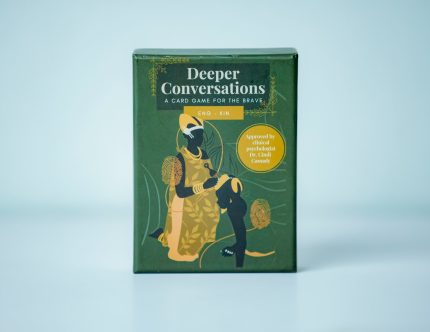
Introducing "Deeper Conversations: Therapy in a Box" cards: a curated set of 55 cards designed to foster genuine, heartfelt dialogues with loved ones. Endorsed by clinical psychologists, these cards guide users into meaningful interactions, bridging emotional landscapes and strengthening bonds. Available in both Kinyarwanda and English, they serve as a universal tool for introspection and authentic communication, transforming everyday conversations into therapeutic experiences.

FATAL DECISION

UShs30,050.00
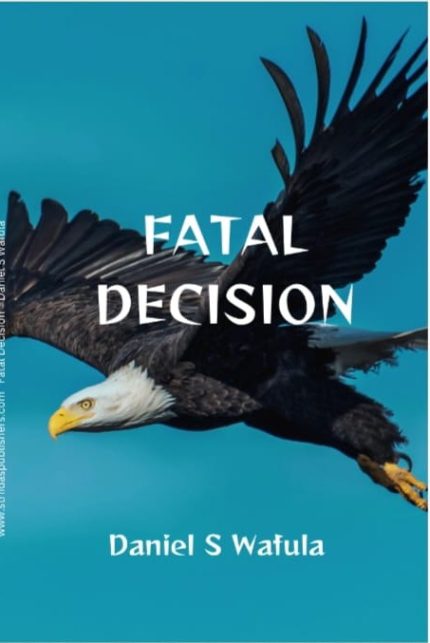
The book fatal decision is a brain child of the social rot in the society, struggles and crimes, youths and families who pass through in their life to make ends meet, are their decisions always right, the answer is No. Stephanie is an ambitious youth who believes in her talent to make it in life which is contrary to her parents.

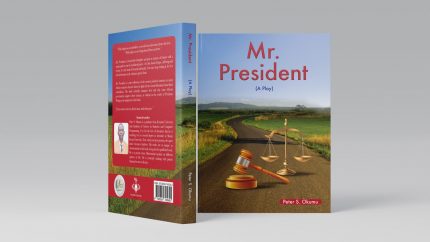
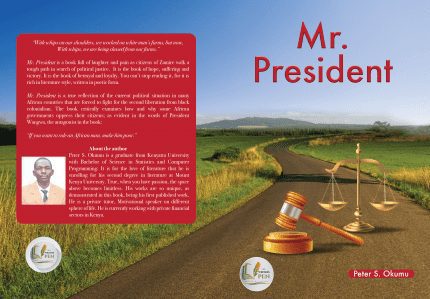
MR. PRESIDENT by Peter Okumu

UShs24,050.00 UShs19,550.00
The road leads us to the state house; Canaan; the land of milk and honey. But on the way, stands the law and justice. It stands tall and callous. Shall we make it there, we the sons of soil?

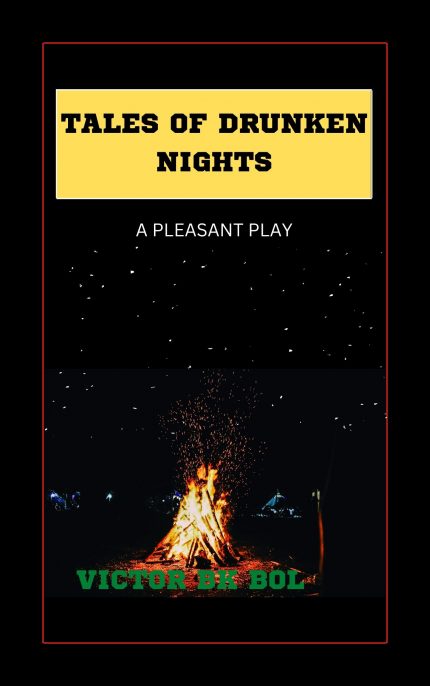
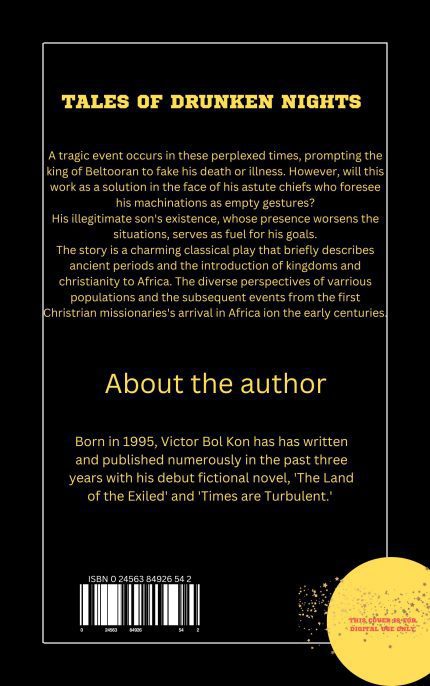
Tales of Drunken Nights by Victor Bk ...

UShs45,050.00 UShs37,550.00
As one of the greatest classical plays ever written by an African, the themes in the Tales of Drunken Nights are extremely condensed with one scene connecting to the next.  The narration flashes really quickly from phase of tradition to the face of the character in a style that makes the reader grin, perplexed, feel in love, and want to read it again.

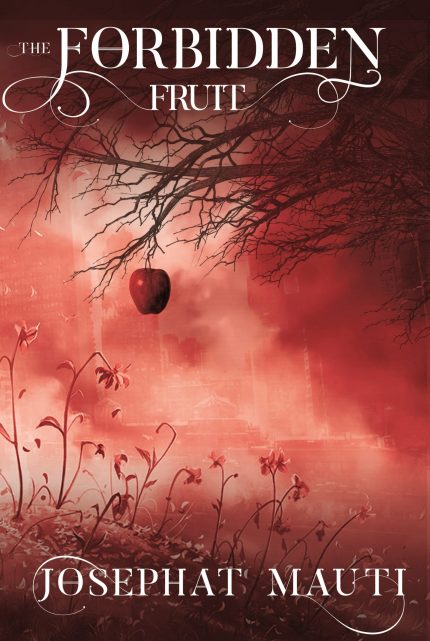
The Forbidden Fruit

UShs30,050.00 UShs24,050.00
Devolution of governance and management of public services came as a blessing to many at the grassroots. It generated hope and raised expectations for the many that wallowed in poverty for years on end. With twists and turns, Tumbocracy etches out Democracy and, inevitably, things take the wrong-turn! Is doom the ultimate destination for the many a citizen at the grassroots? Forbidden Fruit is a fast-paced drama that raises important questions about the legitimacy of the many flagship initiatives of devolved units! What Others Say “The play captures happenings in devolved units in Kenya. Poor governance, mass corruption, and leaders’ amassing of wealth for themselves, is evident. The playwright creates the content anew and makes it sensitive to the society again as these issues have been taken as obvious and normal.” – Rose Keya Kong’ani, Editor

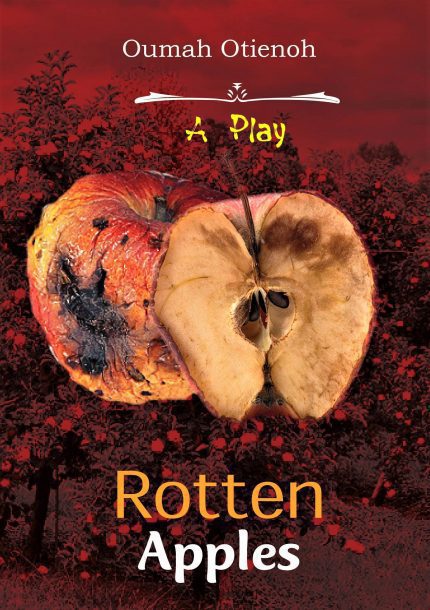
Rotten Apples by Oumah Otienoh

UShs13,550.00 UShs11,450.00
In a city where information flow and opinion is controlled by a few, nascent and talented writers are struggling to find their place among the crafty elite. The battle lines are clearly drawn between who is a better writer and who has the wherewithal to publish their work. Drama unfolds within the fourth estate in Nadabi, disclosing hidden skeletons some too dark that ruin the lives of the major characters. In Rotten Apples, the playwright artistically uses his cruel sharp pen to expose the raw doings and misdoings of the fourth estate and the academia. The writer hopes that none will crush after reading this play and if such an incident may occur, Allah should rest such wicked souls in eternal hellfire.

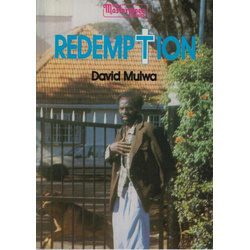
Redemption by David Mulwa

UShs23,750.00
Redemption is a heart-warming play that centers upon and explores such pressing social issues as hypocrisy, misuse of religious and political power, parental responsibility and the position and role of youth in a world torn with strife. It has been hailed as the play of the decade and a marathon of truth by theatre critics. The non-partisan message of the play comes through loud and clear, that the ageless virtues of ethics, love, tolerance, wisdom, concern for our neighbor, mercy, justice and goodwill towards all men are in fact still a part of the redemptive forces in the society