Showing 681–700 of 1784 results

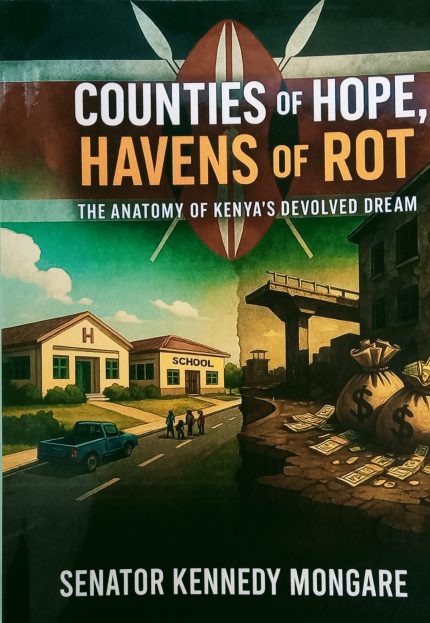
Counties of Hope, Havens of Rot by Ke...

KShs2,000.00 KShs1,500.00
Counties of Hope, Havens of Rot: The Anatomy of Kenya's Devolved Dream examines the promise and pitfalls of devolution in Kenya. Introduced to bring services closer to the people and promote local development, the county system began as a symbol of hope. In many regions, it sparked innovation, empowered communities, and gave marginalized areas a voice.
Yet behind the hopeful façade lies a troubling reality. Corruption, mismanagement, nepotism, and weak oversight have turned many counties into centers of waste and impunity. This book explores how a noble idea has, in some cases, been hijacked by narrow interests - and what must be done to reclaim the original vision.
 
Counties of Hope, Havens of Rot is both a reflection and a warning. It calls on citizens, leaders, and reformers to confront the uncomfortable truths of devolution and fight for a future where local governance truly works for the people.

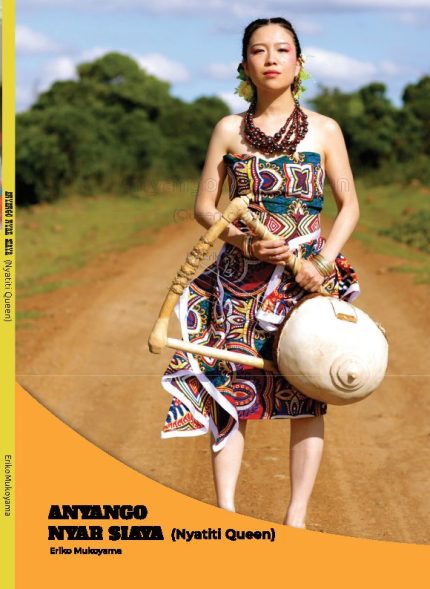
Anyango Nyar Siaya: Nyatiti Queen Edi...

KShs1,200.00 KShs1,000.00
Eriko Mukoyama, globally known by her stage name Anyango Nyar Siaya, iS a Japanese musician who has defied all odds, breaking gender and cultural traditions to become the frst woman to professionally play the nyatiti, an eight-stringed traditional yre. The nyatiti is the instrument of choice among the Luo community, which traces its roots from Eastern Bahr-el-Ghazal in Sudan to their present settlements along the shores of Lake Victoria, Traditionally, women were forbidden from playing the nyatiti, so it came as a great surprise when a young Japanese woman with no cultural ties to the Luo community began mastering the instrument. Anyango first came to Kenya in 2004. After spending a year under the tutelage of one of the greatest nyatiti masters, Okumu K'Orengo, she earned his trust and was granted the honor of learning and playing the instrument. Her story of resilience, determination, and the courage to break cultural barriers serves as an inspiration to a new generation of musicians, particularly young women, encouraging them to follow in her footsteps and rediscover the profound value of this age-old instrument.

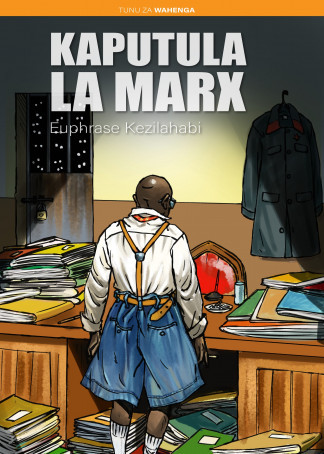
Kaputula la Marx

KShs590.00
Kaputula la Marx ni tamthiliya pekee ya Euphrase kezilahabi.

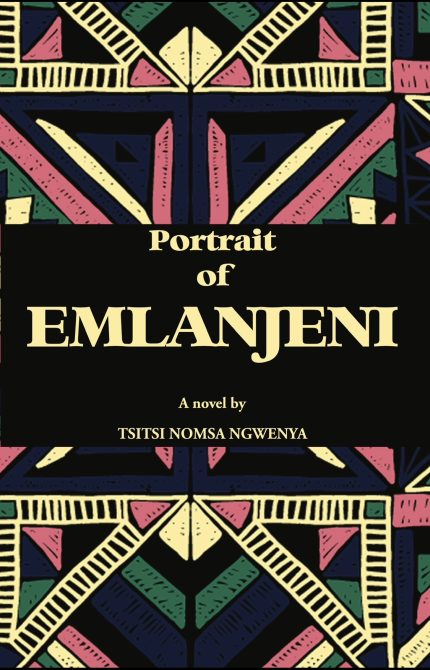
Portrait of Emlanjeni by Tsitsi Nomsa

KShs2,690.00
Portrait of Emlanjeni tells an enthralling story of the inhabitants of a small, remote village in Matebeleland South where the rains will not come, and modernity lays waste to the landscape. While primarily driven by the pregnancy of Zanele and the rape of Khethiwe, there is much more to this story. At its core, it is a vivisection of humanity, a detailed examination and graphic portrayal of the nuances of society. Tsitsi Nomsa Ngwenya callously explores the fallibility of individuals, but she also celebrates the victories that come when people work together with a common interest, be it a village performing a rain dance ceremony or a group of young girls banding together in sisterhood against the fervid savagery of sexual abuse. PRAISE FOR TSITSI NOMSA NGWENYA In Portrait of Emlanjeni, Tsitsi Nomsa Ngwenya weaves a story that is both gripping and intriguing as well as rich in the sounds and sights of an idyllic Zimbabwe that may be waning. The characters in this narrative are endearingly rustic and appealing, yet complex by degrees. In some ways, the universe that Ngwenya creates in this novel is richly pastoral and vividly graphic. It makes the romantic want to lament, “Cry our beloved Culture.” Ngwenya grapples with the challenges of being a woman in a largely patriarchal society and engages in a near-mortal struggle against the vicissitudes of a modern, but hostile world in which the sensitivities of a conquered people are callously trodden upon. I recommend Portrait of Emlanjeni for bookshelves in every home. David Mungoshi, author of The Fading Sun and Live Like an Artist. Portrait of Emlanjeni is a narrative that guides the reader on a tour that captures a Zimbabwean landscape and its people. The narrative reminds the reader that somewhere in this country, there are forms of life that are not only charmingly pastoral but are also being lost in our struggle against the vagaries of modern life, struggles that also tramp upon the sensitivities that make us human. Tsitsi demonstrates a keen awareness of the humanness of her characters, making this novel a must-read for those who want to find themselves. Tanaka Chidora, author of Because Sadness is Beautiful?

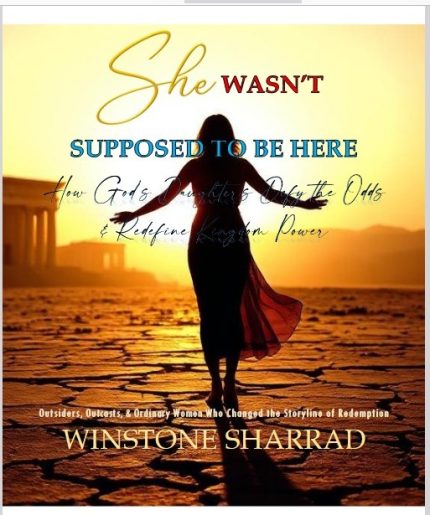
She Wasn’t Supposed to be Here-...

KShs1,690.00 KShs1,500.00
They were outsiders. Unlikely. Overlooked. And yet—they changed everything. From a prostitute in Jericho to a seamstress in Joppa… from a Moabite widow to a woman at a well… the Bible is filled with women who weren’t supposed to be there. But God thought otherwise. She Wasn’t Supposed to Be Here is a soul-stirring, Scripture-rich devotional featuring 12 powerful women of the Bible who broke barriers, redefined leadership, and proved that grace rewrites every label. Winstone Sharrad brings their stories to life with biblical depth, social insight, and an unshakable reminder: God chooses those the world overlooks. These aren’t just stories from the past. They are prophetic invitations for today. For women who’ve felt invisible, disqualified, too late, too broken—or too much—this book will meet you where you are… and call you higher. You weren’t supposed to be here either. But here you are. Let your story speak.

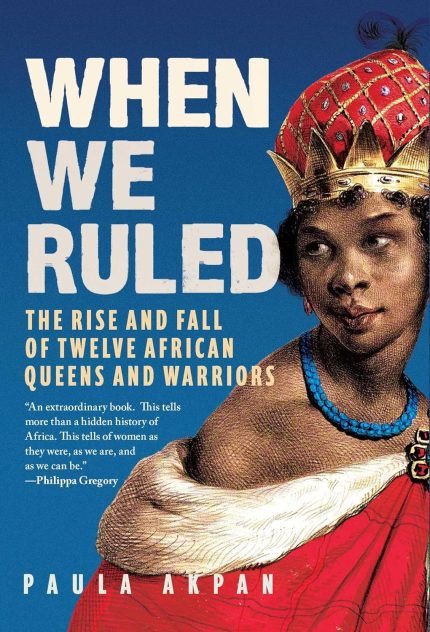
When We Ruled: The Rise and Fall of T...

KShs3,500.00 KShs2,990.00
Discover the reigns of twelve African queens and warriors from across the continent in this immersive and pioneering history. Njinga

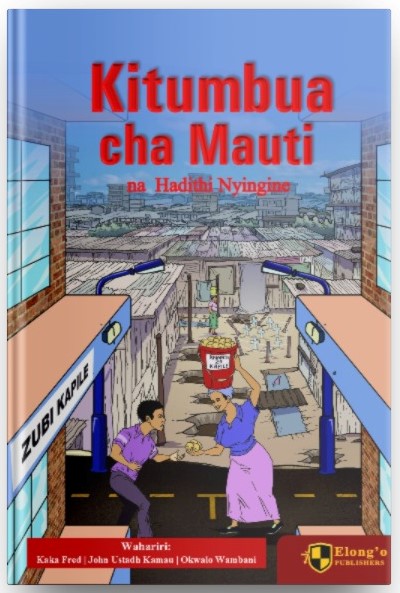
KITUMBUA cha MAUTI by Yohana Mswahili

KShs400.00
KITUMBUA cha MAUTI ni kitabu chenye mkusanyiko wa hadithi za kuvutia. Ni antholojia yenye ukwasi mkubwa wa lugha. Matbaa ya Elong' inajivunia kuwa mpishi wa kazi hii murua bin mufti. Soma kitabu hiki uonje utamu wa hadithi zenye ubunifu wa haiba.

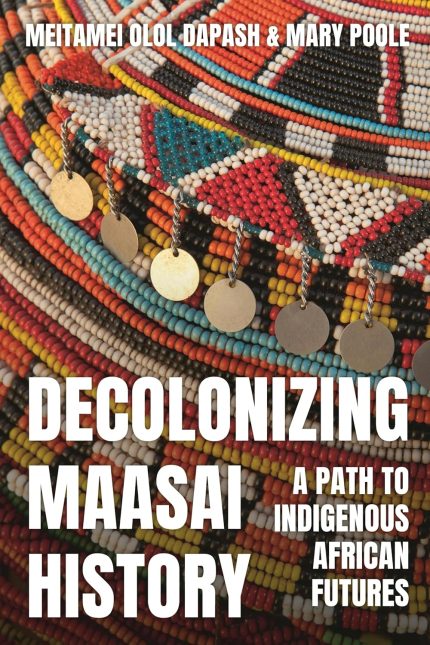
Decolonizing Maasai History: A Path t...

KShs4,500.00 KShs4,000.00
Through their rich and detailed narrative, we learn not only about the history of the Maasai as they understand it, but also about the relations between politics and Western history; about the untold history of Kenya both pre- and post-nationhood; about why the creation of nation-states is not synonymous with liberation; and about how and why Indigenous approaches to land obstruct global processes of resource extraction. All of this finds wider resonances that upend received narratives of post-“independence” Africa and offer new opportunities for the emancipation of Indigenous communities from neo-colonial regimes the world over.

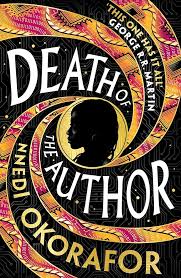
Death of the author by Nnedi Okorafor

KShs2,790.00
Disabled, disinclined to marry, and more interested in writing than a lucrative career in medicine or law, Zelu has always felt like the outcast of her large Nigerian family. Then her life is upended when, in the middle of her sister’s lavish Caribbean wedding, she’s unceremoniously fired from her university job and, to add insult to injury, her novel is rejected by yet another publisher. With her career and dreams crushed in one fell swoop, she decides to write something just for herself. What comes out is nothing like the quiet, literary novels that have so far peppered her unremarkable career. It’s a far-future epic where androids and AI wage war in the grown-over ruins of human civilization. She calls it Rusted Robots. When Zelu finds the courage to share her strange novel, she does not realize she is about to embark on a life-altering journey—one that will catapult her into literary stardom, but also perhaps obliterate everything her book was meant to be. From Chicago to Lagos to the far reaches of space, Zelu’s novel will change the future not only for humanity, but for the robots who come next. A book-within-a-book that blends the line between writing and being written, Death of the Author is a masterpiece of metafiction that manages to combine the razor-sharp commentary of Yellowface with the heartfelt humanity of Tomorrow and Tomorrow and Tomorrow. Surprisingly funny, deeply poignant, and endlessly discussable, this is at once the tale of a woman on the margins risking everything to be heard and a testament to the power of storytelling to shape the world as we know it.

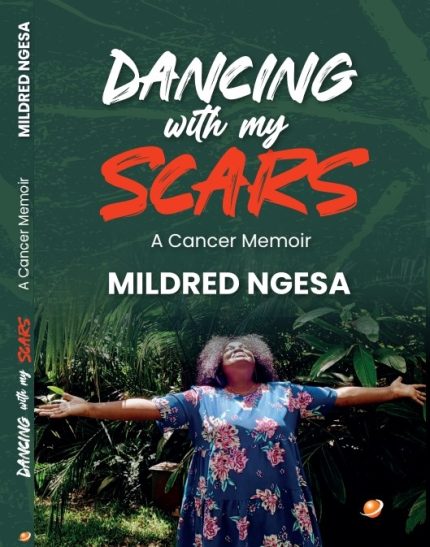
Dancing with my Scars: A Cancer Memoi...

KShs2,500.00 KShs2,000.00
What would life be without the edges of pain and darkness? What light would we chase if the darkness did

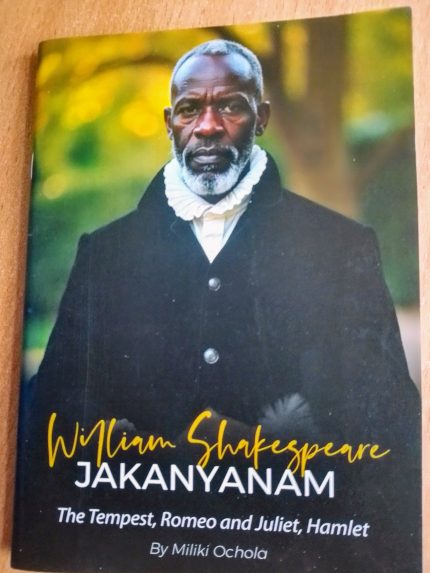
William Shakespeare JAKANYANAM: The T...

KShs590.00
Three of the playwrights most iconic works are illuminated through the lense of African culture with particular emphasis on the norms, values and world views of the Luo People. A bridge between worlds which begins with the characters, the voices that drive the drama, a clear and concise retelling of the story using the play's key moments, a short historical context and most crucially an illumination of African traditions, using the rich cultural lense of the Luo people in contrast to the events at play in Shakespeare's writing.

JUDICIAL BULLYING OF ADVOCATES IN UGA...

KShs660.00
This book offers an indepth analysis of the prevalence and impact of judicial bullying of advocates in Uganda. With recommendations for reforms and insights into the relationship between the bench and the bar, this report is a must-read for legal practitioners, scholars and policymakers.

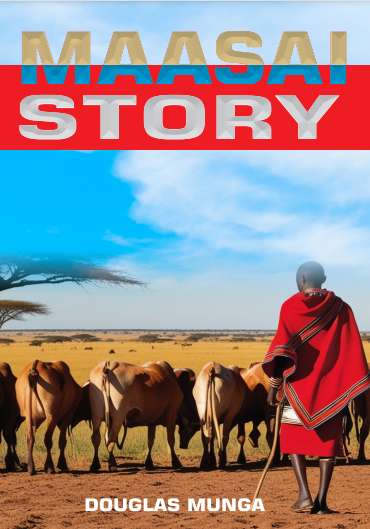
Maasai Story by Douglas Munga

KShs450.00 KShs350.00
In Maasai Story, Douglas Munga takes readers on an extraordinary journey into the heart of one of Africa’s most iconic tribes. This captivating book explores the traditions, customs, and way of life of the Maasai people, providing a deeply immersive narrative that highlights their rich cultural heritage, wisdom, and resilience. Through detailed storytelling, Maasai Story delves into key aspects of Maasai life, including their warrior traditions, social structures, marriage customs, and spiritual beliefs. The book also addresses the tribe’s relationship with neighboring communities such as the Kikuyu and Kalenjin, shedding light on their historical interactions, conflicts, and alliances. A central theme in Maasai Story is the tribe’s deep connection to nature and wildlife conservation. The book examines how traditional Maasai values intersect with modern conservation efforts, balancing ancestral customs with contemporary environmental challenges. It also highlights the impact of land dispossession, colonial influences, and the evolving role of the Maasai in the modern world​ . Munga’s vivid narration and in-depth research make Maasai Story an essential read for anyone interested in African history, cultural anthropology, or indigenous wisdom. Rich in tradition yet relevant to contemporary discussions on heritage and survival, this book serves as both a tribute to the Maasai people and a call to preserve their legacy for future generations.

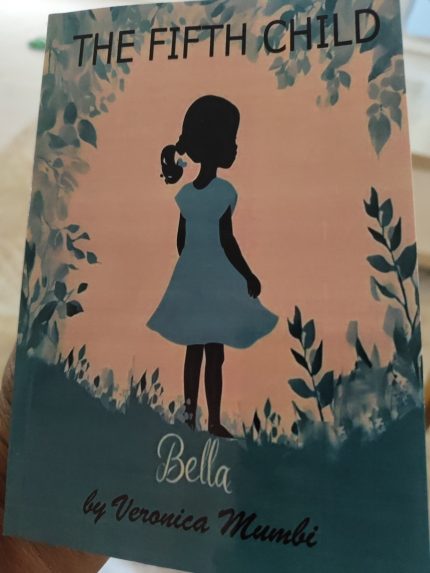
The Fifth Child-Bella

KShs700.00 KShs650.00
A true story of a girl born to live a life of faith, believe and trust in God, A story demonstrating a deep level of confidence in God's character, A story of choosing to actively rely on God.

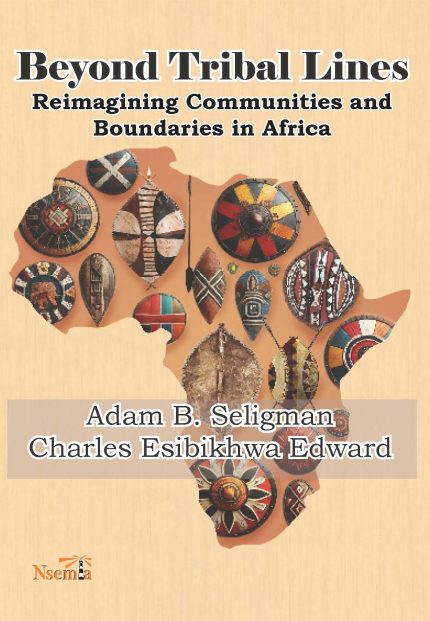
Beyond tribal Lines

KShs1,000.00 KShs800.00
Beyond Tribal Lines: Reimagining Communities and Boundaries in Africa is about the perceptions, understandings, and experiences of difference between selves and communities in Africa and beyond. It focuses on the nature of difference in its many manifestations – social and communal, local and national – and the fundamental bases and typical consequences of such difference. Further, it explains the importance of difference between individuals, communities and societies; affirming that difference is natural to human social and individual existence. Critically, it takes up the challenge of how – given the many differences between us – a society may achieve peaceful co-existence and harmony among its members. The book makes the case that being different doesn’t necessitate being enemies, antagonists or subjects of contestation. To address and live with said difference, the authors present thoughtful ideas on realizing social harmony through individual and community reflection and understanding. What Others Say “Lawyers engaging transformative constitutions in Africa will find the book useful in interrogating these constitutions’ implementation which calls for a multi-disciplinary approach to their interpretation and implementation. The various insights of this book necessarily engage the burning issue of the people’s sovereign power. Political scientists interrogating the politics of division and the quest for alternative forms of political leadership in Africa will find the book’s theoretical and practical reflections useful.” - Dr. Willy Mutunga, EGH, former Chief Justice, Kenyan lawyer, intellectual, reform activist, and former Commonwealth Special Envoy to the Maldives.

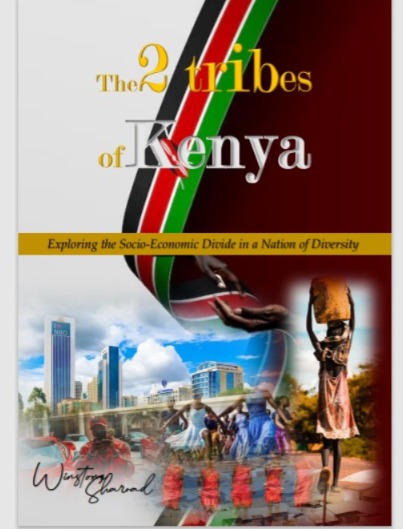
The 2 Tribes of Kenya by WINSTONE SHA...

KShs2,900.00 KShs2,800.00
The 2 Tribes of Kenya is a powerful exploration of Kenya's deep socio-economic divides, contrasting the affluent "Haves" with the struggling "Have Nots." Through vivid storytelling, the book highlights the stark disparities that transcend ethnic lines, showcasing the lives of business leaders, politicians, and the underprivileged working tirelessly for survival. It argues that the nation’s challenges are rooted not in tribalism but in economic inequality, impacting access to education, healthcare, and opportunities. The narrative probes into the personal stories of hope and despair, revealing how these divides shape Kenya’s socio-economic landscape. The "Have Nots" are depicted as both hopeful dreamers and hopeless victims, struggling against systemic barriers. By shedding light on these contrasting lives, the book calls for a greater understanding of the challenges and opportunities facing all Kenyans. With pictorial illustrations enhancing understanding, The 2 Tribes of Kenya encourages dialogue and reflection on the way forward for a more equitable future. This compelling read challenges readers to examine their roles in bridging the gap and fostering unity in a diverse nation, where shared humanity trumps economic divides.

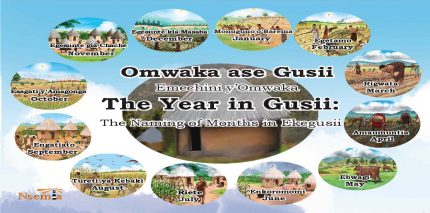
The Year in Gusii: The Naming of Mont...

KShs400.00 KShs300.00
Abagusii, buna banto bande bonsi bare ense eye, imbabwate enchera yokoroberia chingaki ao ao. Rituko, buna ande onsi ase erioba rikoraba, igo riaye gochake ekemambia ka bokogia naende riaera mogoroba ka bwairire. Kobara amatuko igo bare gochaka na ‘rero’ babara gochia magega gose motwe. Emetienyi eyare kobwatia okoraba kw’omotienyi (omweri), ekagera omwaka okaba emetienyi ikomi na ebere. Korende amarieta y’emetienyi ao ao igo are kobwatia gose n’engaki y’embura, omobaso gose omorakera na komenta gose n’engaki gokorema, gosimeka gose kogesa. Ayio onsi n’oyokworokia buna Abagusii bare komanya buna ingaki ki ere egere baroberie keria bagwenerete gokora. **************** Abagusii, like all other communities across the world, had a way of relating with time. While the day was dictated by sunrise and sunset, days were separated relatively, with ‘today’ being the anchor relative to other days. Months, on the other hand, followed the moon’s cycle and hence the twelve months of the year. Months were named relative to the weather of the time and the activities it dictated. For this reason, the names of months were largely descriptive. This provides an overview of the concept of time in Gusii and the rationale for naming the months in the manner they were.