Showing 21–40 of 1784 results

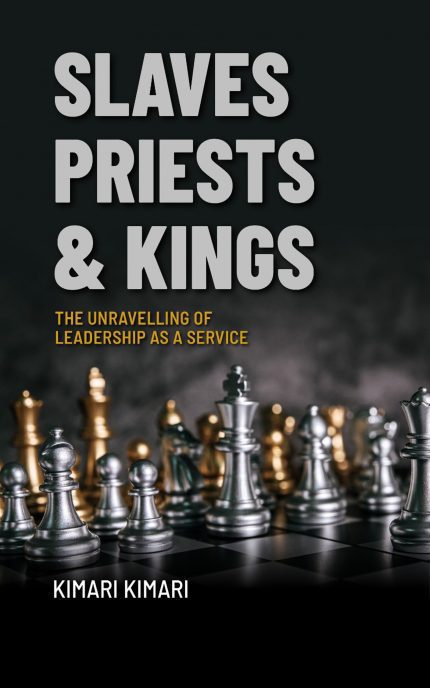
Slaves, Priests and Kings by Kimari K...

KShs1,500.00 KShs1,200.00
What did the discovery of King Tut's Tomb and Rossetta Stone mean for Egypt? This book is about everyday solutions to complex social problems.
  • How do you motivate students to try and solve real world problems? Or workers to self supervise.
  • How do you foster the spirit of innovation amongst barely literate rural folk
  • Why are some communities social economically more dominant than others.
  • The answers, though not obvious, are deceptively apparent.

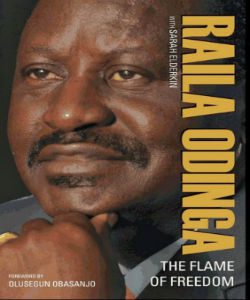
The Flame of Freedom by Raila Odinga ...

KShs5,700.00 KShs5,500.00
The Flame of Freedom chronicles the remarkable journey of one of Africa’s leading politicians and statesmen. Raila Odinga’s life-story mirrors the triumphs and tragedies of Kenya’s struggle to entrench multi-party democracy and the rule of law into the fabric of the State. The book is a testament to his courage, determination and sacrifice in the cause of peace, development and public service.

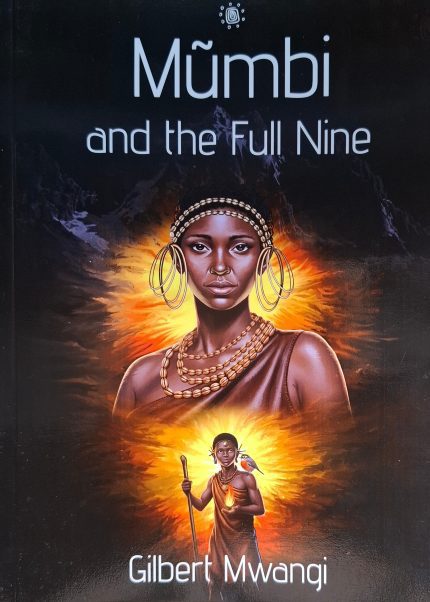
Mumbi and the Full Nine by Gilbert Mw...

KShs1,500.00 KShs1,000.00
Mumbi and the Full Nine by Gilbert Mwangi

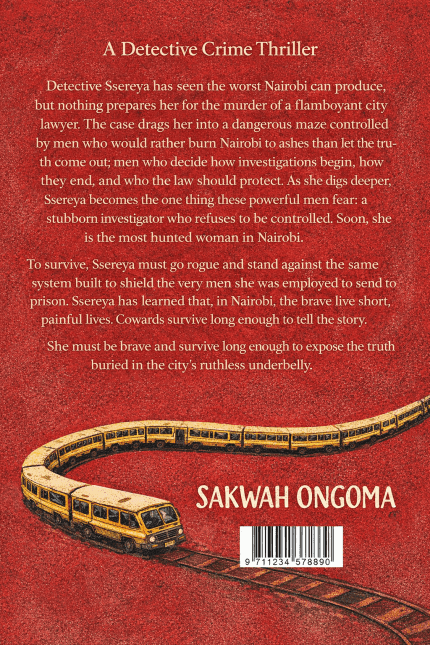
COWARDS DIE SMILING by Ongoma Sakwah

KShs1,500.00
Nairobi's most powerful lawyer is found dead in Karura Forest, and DCI detective Ssereya is handed the case. The deeper she digs, the clearer it becomes: Nairobi has men who decide how investigations begin, how they end, and who the law should protect. They will do whatever it takes to ensure the truth stays buried and lies believable. As she closes in, Ssereya becomes the one thing these men fear most: a stubborn investigator who refuses to be controlled. Soon, she is the most hunted woman in Nairobi. To survive, she must go rogue and stand against the very system built to shield the men she was employed to send to prison. Ssereya has learned that in Nairobi, the brave live short, painful lives. Cowards survive long enough to tell the story. She must be brave and survive long enough to tell the story.

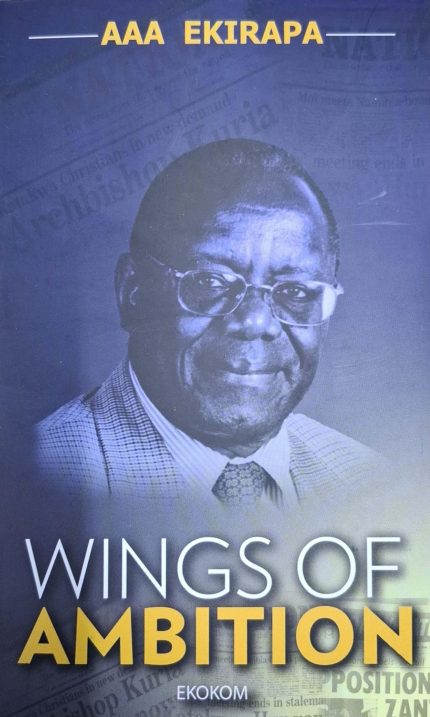
AAA EKIRAPA: WINGS OF AMBITION

KShs3,500.00 KShs3,250.00
AAA Ekirapa is a man who started from humble beginnings in Teso, Western Kenya. Ekirapa was a beneficiary of education and used his influence to change the lives of thousands of Kenyans. As you turn the pages of the book, you will appreciate the sacrifices he makes, the tough decisions he faces, and the indomitable spirit that kept him going through his career as a banker, civil servant, corporate chieftain, politician and philanthropist.

The Fight For Order: The Secret polit...

KShs3,500.00 KShs3,000.00
In THE FIGHT FOR ORDER, richly adorned with piercing honesty, Justin Bedan Muturi uses his searing gift of storytelling to deliver an unflinching exposé about Kenya's kleptocratic circus, the petty political theatre and the plundering ineptitude in government that keeps holding the country back. With over four decades in public service, as the only Kenyan to serve in the Judiciary, in opposition politics, and as the Speaker of the National Assembly, the Attorney General of Kenya, and Cabinet Secretary, Muturi gives a raw blistering insider portrait exposing the inner workings of a state captured by obsessive grasping greed, driven by visionless small-minded hustle, and crippled by crude, contemptuous impunity. He was part of the system until it chewed him up, spat him out, and left him with nothing but the piercing wisdom of a truthful pen. Now he rips back the curtain with a sharp-edged confession, a reckoning with power and a masterclass in why values, institutions, and the rule of law still matter in a country where politics kills them first. ".Personal, raw, and exhilarating book dripping with convivial banter and bis trademark honesty.

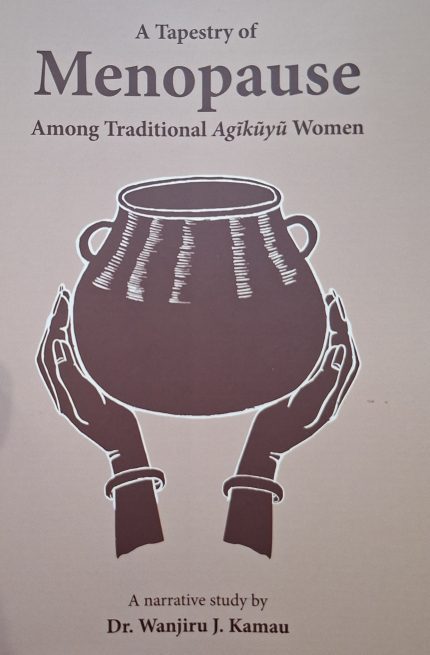
A Tapestry of Menopause Among traditi...

KShs2,500.00
Menopause. This is not a word we often hear in everyday conversation. Many women are almost afraid of it, and men will hardly, if ever, speak it. It is a subject that we seldom discuss. Indeed, reference to a woman as menopausal is almost viewed as insulting; derogatory even. Yet, menopause is a biological reality, and the subject should therefore not evoke negative feelings or cause discomfort during conversation. It is a conversation that should be held freely and comfortably, by both men and women.
In this book, Wanjiru Kamau explores this uncomfortable yet critical subject by examining the perceptions of menopause among the traditional Agīküyü women. In the research, she records personal testimonies and lived experiences that offer reflections on the women's developmental stages from birth, menarche, menstruation, motherhood, and menopause, and their significance. In the process, she points the reader to the need for an examination of the subject among women. This book presents menopause among the traditional Agīküyü women as both biological and cultural, explaining how families and clans treated a girl at the onset of menarche and the different cultural responsibilities that women took up after menopause.
The testimonies given by my co-researchers - as Wanjiru prefers to call the women she interviewed - women who grew up without or with minimal influence of European education and Christianity, reveal a very different understanding and perception of women's bodies, sexuality, reproduction, and menopause from that of the Westernized woman in Kenya today. For comparison, the author shares her own journey from menarche to menopause, illustrating the negative perception of the process among educated and "Christianized" societies. That Wanjiru relies on oral testimonies as part of her research methodology is critical in demonstrating the place of oral history and tradition in knowledge production and transmission. The traditional woman was educated about her body and various developmental stages right from when she was a little girl. The society ensured that cultural education and indigenous knowledge on women's sexuality, reproduction, and self-care were passed on from generation to generation as the girls passed through the different rites.

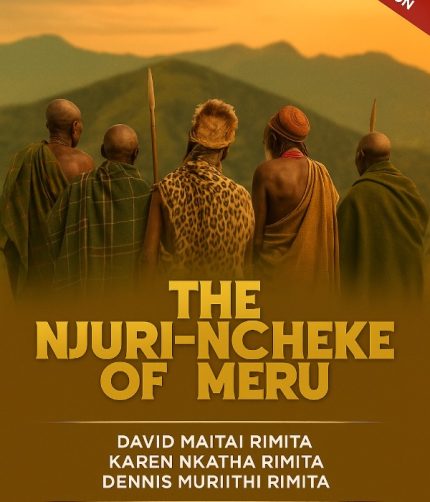
THE NJURI-NCHEKE OF MERU by David Mai...

KShs2,000.00 KShs1,450.00
A gripping, fireside retelling of the Ameru people’s origins and history—narrated through the voices of our great-great-grandparents. This book recounts the tribe's dramatic escape from slavery and the emergence of the powerful Njuri-Ncheke council—an institution that profoundly shaped their laws, faith, and identity for generations.

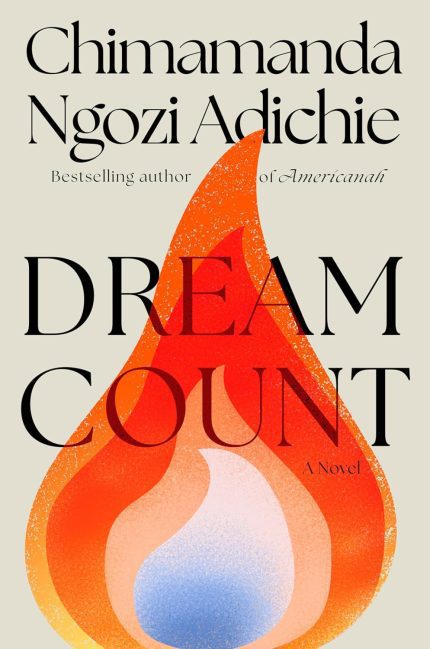
Dream Count: A Novel by Chimamanda Ng...

KShs2,800.00 KShs2,590.00
Chiamaka is a Nigerian travel writer living in America. Alone in the midst of the pandemic, she recalls her past

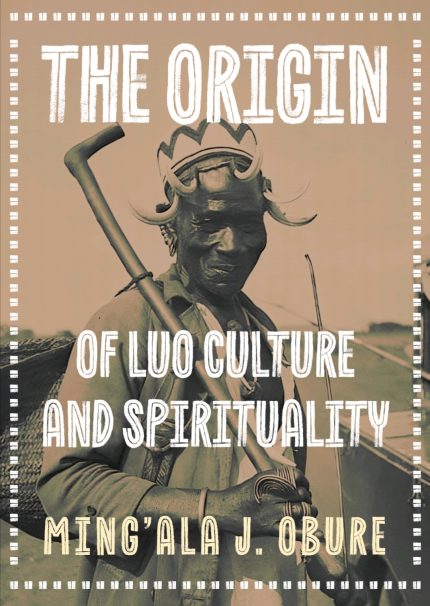
The Origin of Luo Culture and Spiritu...

KShs1,200.00 KShs900.00
Title: Origin of Luo Culture and Spirituality Author: John Ming’ala Obure In his groundbreaking book “A History of the Luo Speaking Peoples of Eastern Africa,” Prof Bethwell A. Ogot traces the Luo’s history back to a place in South Sudan called Bahr El Ghazal and documents their migration pattern from South Sudan into several countries in the eastern Africa region. The book states that “colonialism re-wrote many of life rules,” which significantly changed our knowledge about our history and origin. Most of the changes were geographical; however, the most detrimental ones blurred our identity. As a result, these changes have significantly distorted the history of Africans in general and particularly the once-unified Luo-speaking people, who were ultimately divided. The Luo-speaking people are a monolithic group that has remained culturally distinct for centuries despite the split into various clans scattered across several countries in Eastern and Central Africa. Definitely the history of the Luo, their culture and belief system goes way back beyond Bahr-El-Ghazal in South Sudan. This book has managed to trace the genesis of the Luo people back to Noah’s time and for the first time the true identity of the people who has been known as the Nubians is revealed. The book has documented possible origins of most of the Luo cultural and spiritual practices we are familiar with today. The author has also relied on his own intuition and imagination to explain some of the fundamental gaps in understanding the spiritual relations between man and God of the Luo people. The book also explains many deep and complex concepts in the Luo spirituality such as the spiritual connections in common cultural practices such as marriage rites, feasting in burials, sex and marriage, life after death and the certain thing about the environment around us.

Britains Gulag The Brutal End of Empi...

KShs3,000.00 KShs2,800.00
Britain fought in the Second World War to save the world from fascism. But just a few years after the defeat of Hitler came the Mau Mau uprising in Kenya - a mass armed rebellion by the Kikuyu people, demanding the return of their land and freedom. The draconian response of Britain's colonial government was to detain nearly the entire Kikuyu population of one-and-a half-million - to hold them in camps or confine them in villages ringed with barbed wire - and to portray them as sub-human savages. From 1952 until the end of the war in 1960 tens of thousands of detainees - and possibly a hundred thousand or more - died from the combined effects of exhaustion, disease, starvation and systemic physical brutality. Until now these events have remained untold, largely because the British government in Kenya destroyed most of its files. For the last eight years Caroline Elkins has conducted exhaustive research to piece together the story, unearthing reams of documents and interviewing several hundred Kikuyu survivors. Britain's Gulag reveals what happened inside Kenya's detention camps, as well as the efforts to conceal the truth. Now, for the first time, we can understand the full savagery of the Mau Mau war and the ruthless determination with which Britain sought to control its empire.

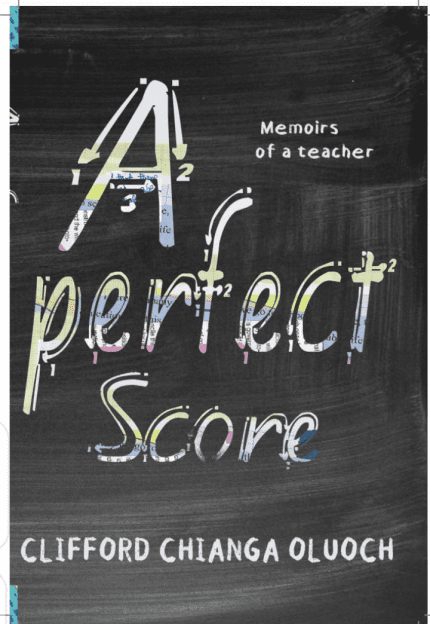
A perfect Score: memoirs of a teacher...

KShs2,000.00 KShs1,500.00
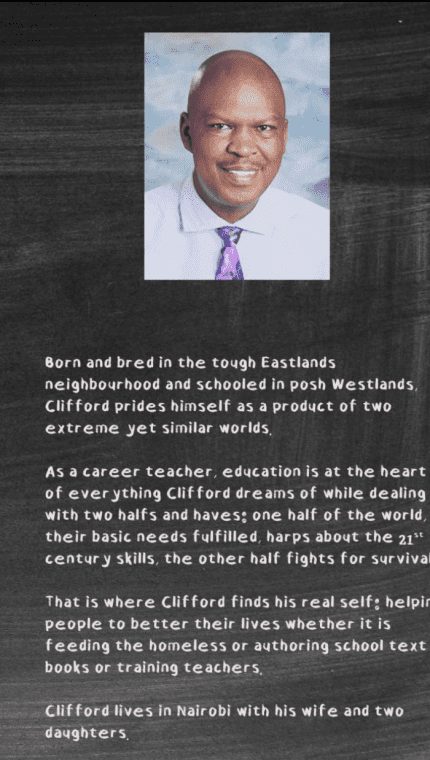
Read the journey of teacher / philanthropist Clifford Oluoch as he narrates his 30 plus years experience in education and charity work. 10 delightful stories intertwined with 9 short vignettes completes this emotional journey

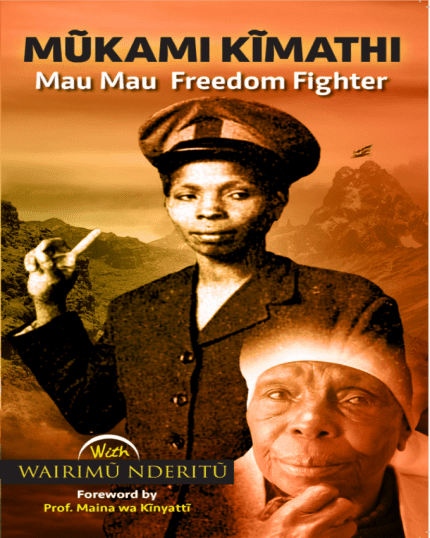
Mukami Kimathi Mau Mau Women Freedom ...

KShs2,500.00 KShs1,890.00
In 1964, a newly independent Kenya was facing the uphill task of reconstructing herself into an African State. That reconstruction was called "Africanisation”. As part of the Africanisation policy, my father, Vincent Nderitu, was posted to Sasumua Dam in Kinangop to take over from the British superintendents who were leaving the country. Not long after he had arrived, he asked the foreman, Harun Musungu, to find out where he could buy milk. That was how he met Mukami Kimathi. My father was thunderstruck. Back home in Tetu, Nyeri, his home and Mukami’s were within a walking distance. My father knew her as a legend. She was a Mau Mau heroine, the wife of Field Marshal Dedan Kimathi. My father began treating Mukami like an elder sister, fixing her fences and installing a water tank for her among other duties. When I was growing up, Mukami was the auntie through whose home we passed on our way from school; the one who made my brothers and I porridge and gave us red plums. She was not a blood relative, but we always thought she was. Mukami and her children, Nyambura and Waceke, would often come to our home in the afternoons and I would read the newspaper to her haltingly. She encouraged me saying; "When you grow up, you will write as well as you read. One day, you should write my karugano ( story) because what is not written is forgotten.” She wanted me to remind Kenyans to take care of the country the Mau Mau fought for. Her lowest point was the 2007-2008 post-election violence and often said: "Because we fought the colonialists, Kenyans now have arrow roots, sweet potatoes, bananas and yam on the table. But instead of eating, they are fighting! I wish this generation of Kenyans from all ethnic communities would rally as we did and this time emerge with, instead of independence like we did, national unity! In her story, Mukami shows us who Dedan Kimathi was as a father and husband. Her experiences provide an important complement to existing written records on Kenya’s history. Mukami Kimathi’s prophesy that I would write her karugan is now a reality. The book, Mukami Kimathi: Mau Mau Freedom Fighter, was launched at the National Museums of Kenya in Nairobi last evening. She was also proved right on another front; my sister Consolata Wakonyo became a pilot.  

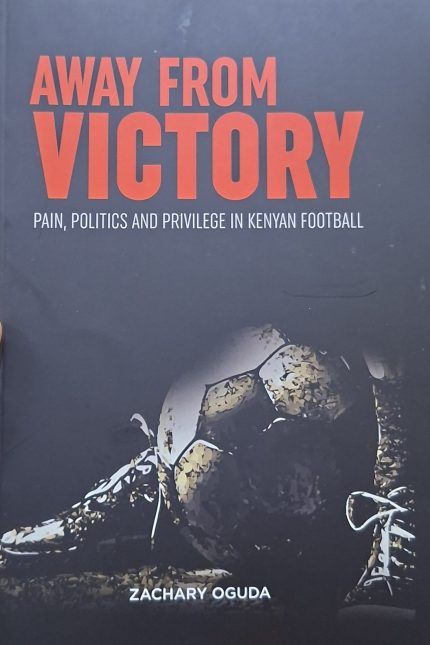
Away from Victory by Zachary Oguda

KShs1,000.00 KShs800.00
Away from Victory is a masterpiece that talks about the problems that has faced Kenyan football over the years. From journalist, incompetent leaders and the normal fan. Away from victory draws its title from how long the Kenyan national football team, Harambee stars has been faring dismally at the continental stage. But the book is about more football events and stories. This book covers the intrigues in and about the beautiful game that have hitherto been limited to the boardrooms at FKF and the Kenya Premier League. If you want to find out why coaches of the National side pick certain players and not others for national duty, this book is for you. If you have been wondering why some players are older in real life than in the football pitch, you need to read this book. If you need to understand the intrigues behind the management of the Kenya Premier League, why some clubs feel like certain regulations have been designed to lock them out of business, Away from Victory was written for you.

A Child of Two Worlds: My Journey fro...

KShs3,000.00 KShs2,890.00
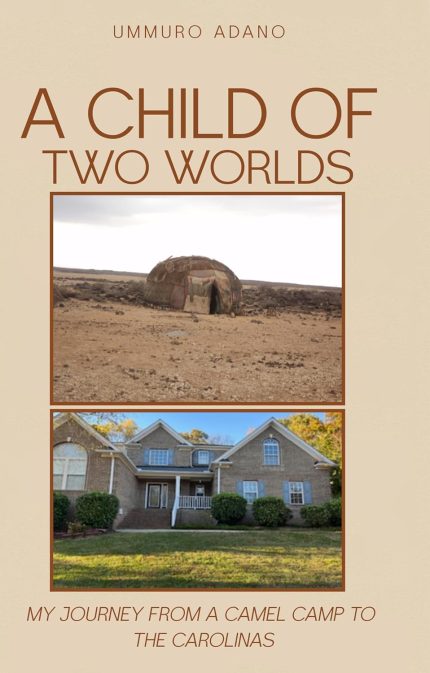
Deeply personal and unfiltered. A Child of Two Worlds is a love letter to a fading way of life while navigating a tumultuous new world. This memoir is not just a life story; it’s a meditation on what makes a life meaningful. There’s a sincerity in the way Ummuro shares even the most painful or vulnerable parts of his life. Whether it’s the sanitary discomfort of a boarding school latrine or the haunting quiet of a desert storm, the reader is pulled into each moment. The writing does not beg sympathy, it seeks understanding. As the narrative is structured as a message to the author’s sons—who are growing up in a contemporary Western context—it offers relevance to readers experiencing generational or cultural differences. That includes immigrant families, global citizens, and readers who want to reflect on identity, roots, and legacy. The sensory detail of the stories is exceptional. The landscape is not just a backdrop—it becomes a character in itself—whether that’s the barren beauty of Susukh or the cold snow falling outside his window in North Carolina. Quotes from elders, spiritual insights from his grandfather, and thoughtful observations on the sacredness of life give the stories a layered maturity. Ummuro is documenting not just his life, but the passing of a world. He knows that many Gabra customs are fading fast, and this book feels like a tribute to the dignity, resilience, and richness of his people. What is really inspiring is Ummuro’s ability to hold both worlds with reverence, without losing his sense of identity in either. The book is not just about his personal journey, it’s a cultural archive, a love letter to the Gabra people, and a reflection on the cost and complexity of change. And even as an international development professional, he often falls back on his indigenous knowledge to humanize the data, policies and programs on health, education, community leadership and governance, and issues like drought and climate change.
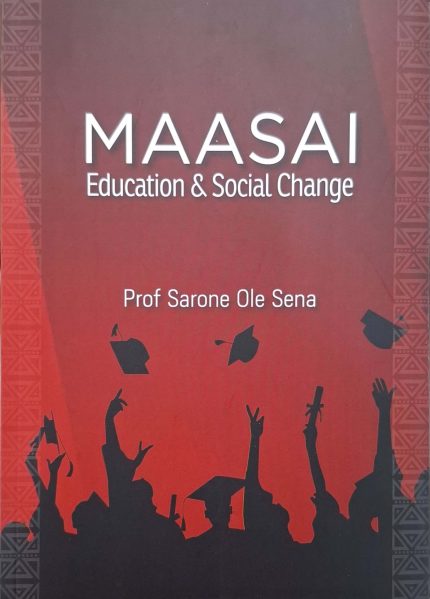
Maasai Education and Social Change by...

KShs2,000.00
This important study delves into the cultural politics leading to low literacy levels in Maasai land in the colonial period and the early post-independence years. It's approach to pedagogy does not side step the politics of education– local, Regional, international and the dynamics that conspire to limit what is taught when, where , how and by whom. Chief among these is the politics of (dis) placement and land grabs leading to the systematic marginalisation. The book allows the reader to see what was gained in the pursuit of western education, what was lost, and what has been artfully woven into modern Maasai identities from a blending of school– formal education and its socioeconomic outcomes– with home – the logic of pastoralism in old Maasai way of Knowing.

The Soloist: The Secret Sex Lives of ...

KShs2,000.00 KShs1,800.00
The Art of Seducing a Murima Babe - The Uncle Sam Files By Sam Okello

Decolonising the Mind: The Politics o...

KShs2,500.00 KShs1,990.00
Decolonising the Mind is a collection of essays about language and its constructive role in national culture, history, and identity. The book, which advocates for linguistic decolonization, is one of Ngũgĩ’s best-known and most-cited non-fiction publications, helping to cement him as a pre-eminent voice theorizing the “language debate” in post-colonial studies. Ngũgĩ describes the book as “a summary of some of the issues in which I have been passionately involved for the last twenty years of my practice in fiction, theatre, criticism, and in teaching of literature…” Decolonising the Mind is split into four essays: “The Language of African Literature,” “The Language of African Theatre,” “The Language of African Fiction,” and “The Quest for Relevance.”

Stay with Me by Ayobami Adebayo

KShs2,490.00 KShs1,990.00
Yejide and Akin have been married since they met and fell in love at university. Though many expected Akin to take several wives, he and Yejide have always agreed: polygamy is not for them. But four years into their marriage--after consulting fertility doctors and healers, trying strange teas and unlikely cures--Yejide is still not pregnant. She assumes she still has time--until her family arrives on her doorstep with a young woman they introduce as Akin's second wife. Furious, shocked, and livid with jealousy, Yejide knows the only way to save her marriage is to get pregnant, which, finally, she does, but at a cost far greater than she could have dared to imagine. An electrifying novel of enormous emotional power, Stay With Measks how much we can sacrifice for the sake of family,