Showing 161–180 of 1784 results

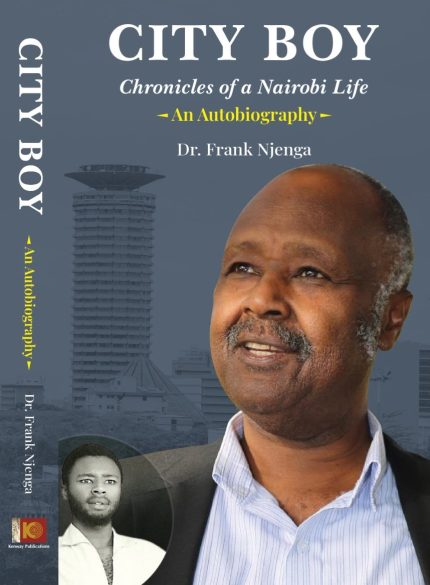
City Boy: Chronicles of a Nairobi Lif...

KShs3,000.00 KShs2,500.00
This autobiography by Dr. Frank Njenga offers a unique perspective that contrasts with typical African autobiographies, which often focus on

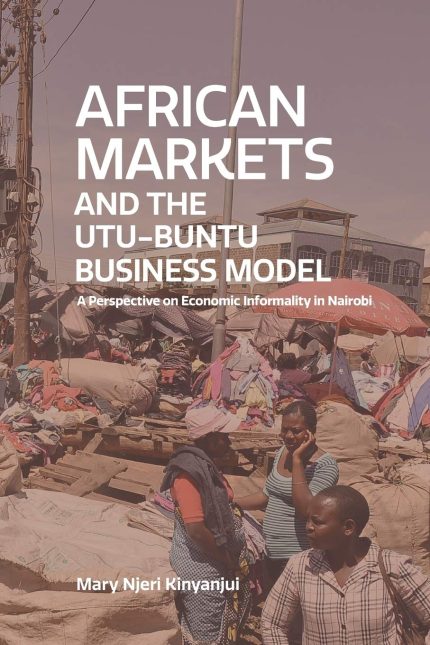
African Markets and the Utu-Ubuntu Bu...

KShs3,000.00 KShs2,500.00
The persistence of indigenous African markets in the context of a hostile or neglectful business and policy environment makes them

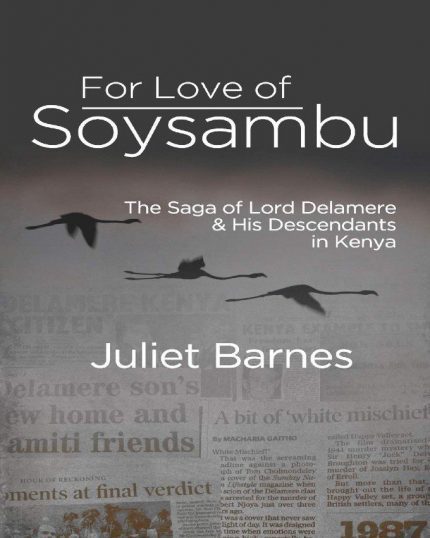
For Love of Soysambu The Saga of Lord...

KShs3,000.00 KShs2,500.00
This dramatic story spans 122 years and highlights challenges faced by four generations of an initially British aristocratic family in Kenya, with Soysambu in the Great Rift Valley as its central focus. Initially a refuge for dying sheep, but more recently a Wildlife Conservancy and part of a UNESCO World Heritage Site, today Soysambu protects many rare and endangered species. The saga begins in 1897 with the arrival of the Hon. Hugh Cholmondeley, who walked over 1,000 kilometres into East Africa from Berbera. In 1902, after inheriting his title of 3rd Baron Delamere, he abandoned his grand Cheshire family home, Vale Royal, for a grass and mud hut in East Africa, where he befriended local Maasai and gradually built up a formidable reputation as a leading politician and pioneer. When he died in 1931, having sold off his Cheshire estates to fund his agricultural experiments, he was bankrupt. His second wife, Gwladys, Mayor of Nairobi, was associated with the notorious Happy Valley clique, dragging her into the Lord Erroll murder trial in 1941. Delamere's son, Thomas Cholmondeley, now 4th Baron Delamere, moved to Kenya after World War II to salvage his father's farms. Thomas, who was pro-independence, managed to turn Soysambu into a successful cattle ranch. His third wife, Diana, remained notorious for her affair with Lord Erroll at his time of murder, with many still believing she'd been his killer. Following Thomas's death in 1979, his only son Hugh, now 5th Baron Delamere, took over Soysambu. His son, Tom Cholmondeley, faced increasing financial problems and pressure from land-hungry Kenyans, a situation exacerbated when he was charged with murder - twice. After his incarcerations and eventual release, he was busy implementing his innovative ideas on Soysambu when he died unexpectedly on 24th August 2016 after hip surgery.  

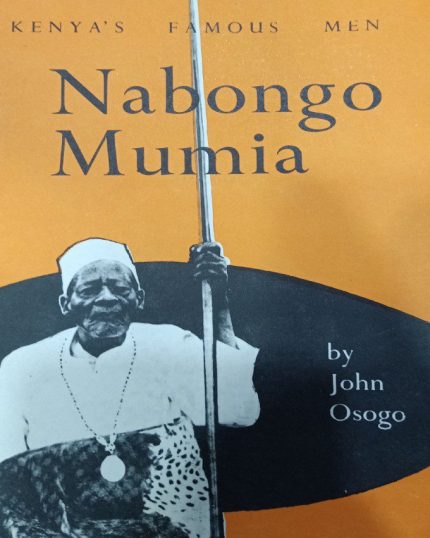
Nabongo Mumia by John Osogo

KShs250.00 KShs238.00
Brief Summary Nabongo Mumia was born a prince between 1849 and 1852. His parents were Nabongo Shiundu Wamukoya and Wamanya. He was appointed heir on the eve of his father’s death. Mumia occupied a prominent place in British colonial administration from 1908 to 1926 and was recognised as the Paramount Chief. He ruled the Kingdom for 67 years from 1882 to 1949 in one of the longest reigns in African history. The Wanga Kingdom was the most highly developed and centralised kingdom in Kenyan history before the advent of British colonialism. When the British arrived in Western Kenya in 1883, they found the Wanga Kingdom as the only organised state with a centralised hereditary monarch in the whole of what later came to be known as Kenya. Mumia's royal background caused a dilemma to the colonial officers. He was "retired” by the colonial authorities in 1926, but maintained influence until his death on April 24, 1949. His daughter who died in 2012 at the age of 92. She left behind multiple descendants. ISBN:NabongoMumia001 Author:John Osogo

Nairobi Noir by Peter Kimani

KShs2,500.00 KShs1,990.00
Brief Summary From the introduction by Peter Kimani: Nairobi Noir is an act of excavation, rediscovering the city's ossified past and infusing life to preserve it for future generations. It is also an act of celebration, reminding readers of the brilliance of the best-known writers to emerge from this part of the world, and heralding the birth of new writers whose gifts, we can safely predict, will shine brightly in the years ahead. The oldest writer in this anthology is eighty-one, the youngest is only twenty-four; if there is any inference one can draw from this demographic it is that this anthology offers an entire spectrum of Kenyan writing: the past, present, and future. If we can allow one extravagant claim, a collection of this nature is unprecedented in Kenya's literary history. Although the range of issues explored in Nairobi Noir is as diverse as its contributors, it all gestures toward a common theme. In this concrete jungle, the hunters and herders live on. As do the hunted… " ISBN:B07S2KVMDT Author:Peter Kimani

An outline history of Nyanza up to 19...

KShs600.00 KShs450.00
Brief Summary An Outline History of Nyanza Up to 1914 ISBN:9780860703396 Author:William Robert Ochieng

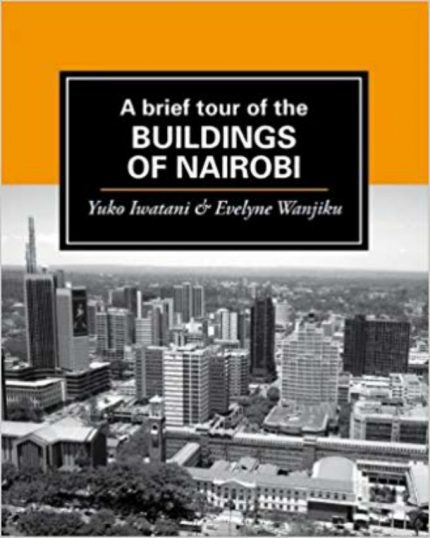
A Brief Tour of the Buildings of Nair...

KShs1,800.00 KShs1,490.00
For anyone interested in learning about the history of architecture of Nairobi, this book provides a great overview of the city's most prominent buildings, whose histories span from the British Occupation to the modern era. Foreword by Prof. Wangari Maathai. Descriptions and color photographs of over 72 buildings in the Central Business District, Upper Hill and other areas. Includes maps, alphabetical index, chronological index and bibliography.  

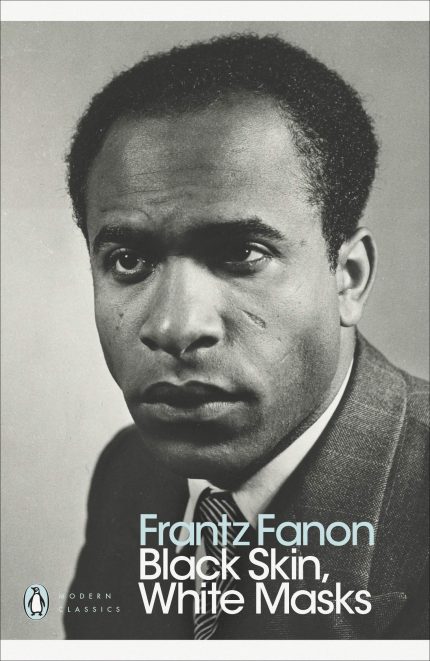
Black Skin White Masks by Frantz Fanon

KShs2,000.00 KShs1,790.00
Few modern voices have had as profound an impact on the black identity and critical race theory as Frantz Fanon, and Black Skin, White Masks represents some of his most important work. Fanon’s masterwork is now available in a new translation that updates its language for a new generation of readers. A major influence on civil rights, anti-colonial, and black consciousness movements around the world, Black Skin, White Masks is the unsurpassed study of the black psyche in a white world. Hailed for its scientific analysis and poetic grace when it was first published in 1952, the book remains a vital force today from one of the most important theorists of revolutionary struggle, colonialism, and racial difference in history.  

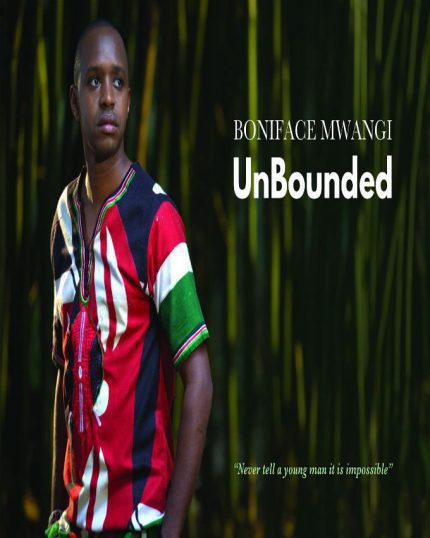
Unbounded by Boniface Mwangi

KShs3,000.00 KShs2,000.00
Brief Summary In just over a decade, Boniface Mwangi has risen from poverty to prominence in Kenya. He is renowned for his powerful photographs and his courageous protests calling for social justice. However, little is known about the man himself. Unbounded is a collection of engaging personal stories that takes us through some of the people, places and events that have shaped Boniface, easily one of Kenya best known photographers and activists. It is a portrait of the child, the man and some of the human, harrowing and even humorous episodes that he has witnessed and photographed. This book tells of the two remarkable women - his mother and grandmother - who influenced his character and inspired his drive to raise awareness about poverty, inequality and corruption. His work as a photo-activist is grounded in social engagement, collective action and the need for justice. This is the story of a man of determination and warmth, a man who lives his life to make a difference. We cannot change the world as individuals. We can only change the world together.

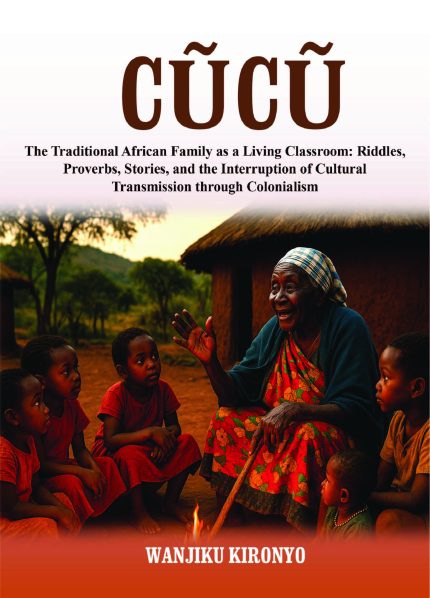
CŨCŨ by Wanjiku Kironyo

KShs1,000.00
The Traditional African Family as a Living Classroom brings Africa’s ancient wisdom to life through riddles, proverbs, and storytelling. Long before formal education, families taught intellect, values, and communal identity through daily life, music, language, and ritual. Colonialism disrupted this vibrant system, erasing indigenous knowledge and replacing it with foreign models. This book explores that rupture while celebrating ongoing efforts to reclaim Africa’s living classrooms. A compelling blend of history, memory, and cultural insight, it invites readers to witness the resilience of ancestral knowledge and the enduring power of education rooted in community and tradition.

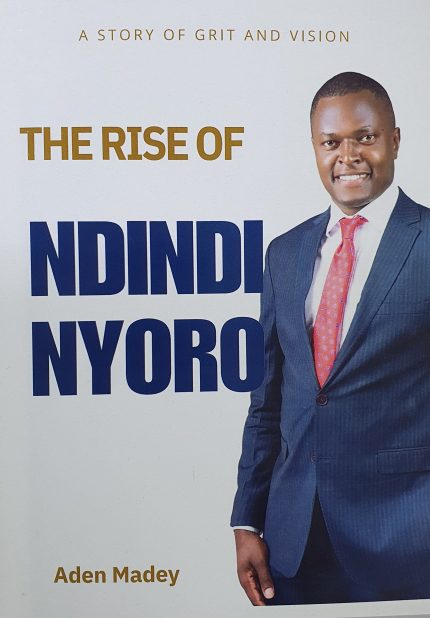
The Rise of Ndindi Nyoro: A Story of ...

KShs1,500.00 KShs1,000.00
Is a captivating and insightful book that explores Ndindi's journey of becoming a prominent leader in kenya

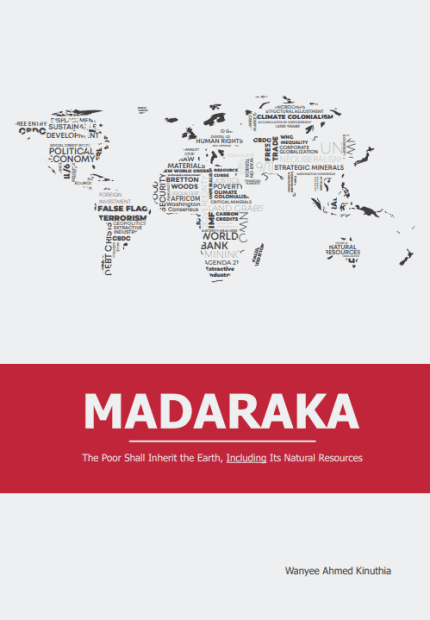
MADARAKA: The Poor Shall Inherit the ...

KShs2,500.00 KShs2,000.00

This book provides a compelling examination of corporate-driven resource extraction on the African continent, which is marked by the exploitation of both people and the environment exclusively for the pursuit of profit for a few, with a specific focus on Kenya. The book meticulously reveals that the socioeconomic and environmental challenges posed by the extractive sector are not isolated incidents but part of a larger, systemic problem. This is underscored by the complex interplay between political economy, corporate globalization, odious debt, public policy, sustainable development, human rights and the rule of law. The book concludes by enjoining the call for a world order in which Africa is not exporting its raw materials, but is the centre of global manufacturing, adding value to its own resources.
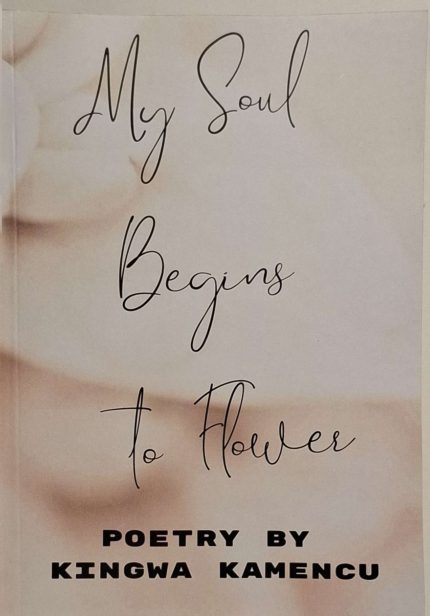
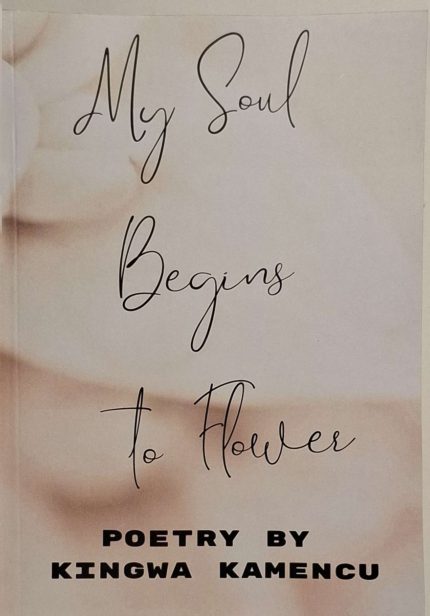
My Soul Begins to Flower by Kingwa Ka...

KShs2,000.00 KShs1,500.00
The poems span a 20 year period. Structured in three sections - the caterpillar, cocoon, butterfly metamorphosis stages - they capture the writers personal 'heroes’ journey'. Her experience of breaking and remaking, the different stages and states of her soul’s growth. The poems chronicle sojourns in the valley of the shadow of death, they capture time in the dark night of the soul. They however also bow to love, offering a perspective of the universe as a stage for love-making (all the worlds a stage – as Shakespeare put it), life as an exercise of connecting, gestating and reproducing.

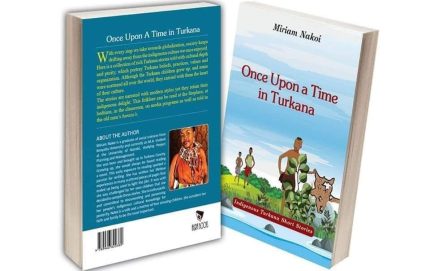
Once Upon a Time in Turkana by Miriam...

KShs1,200.00
This is a collection of Turkana stories passed down through generations.They contain values,beliefs and traditions of the Turkana people.

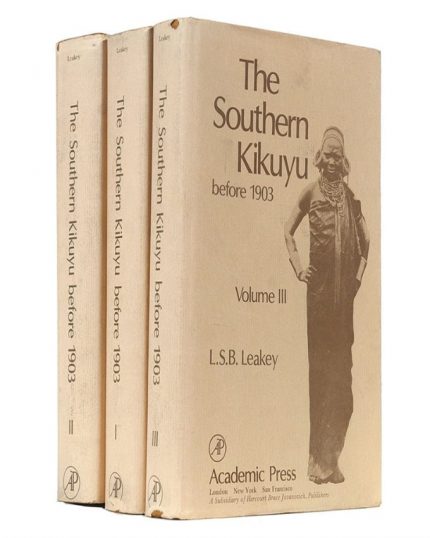
Southern Kikuyu Before 1903 Volume 1,...

KShs35,000.00 KShs29,500.00
This is a Limited Second Edition, reprint of the three volume book The Southern Kikuyu- before 1903. One of the often unnoticed tragedies of an era of technological advance and improving communications is the passing from living memory of customs, language and beliefs as small insular pockets of culture are overtaken by the sweep of civilization. This impressive book is a complete record of the ways of the Kikuyu people, before and during the period of European influence which accompanied road and railway building and political and economic changes in the late 19th Century. It is the major anthropological achievement of the late L.S.B. Leakey and the culmination of his life-long study of the people among whom he was born and raised. Written in the graceful, readable style characteristic of scholarship in the thirties, it draws on the memories of the Elders whose confidant Dr. Leakey became. A once rich source of tradition and culture, passed on intact from generation to generation, was in danger of drying up without trace – this study, revised and published now, some forty years after it was first undertaken, will secure this fascinating collection of information for posterity now that all the last inheritors of the old Kikuyu way of life are dead. Thanks to Dr. Leakey, and to the collaborators who worked on the manuscript after his death, the Kikuyu mores have been set down – from descriptions of the daily activities of the people, digging, planting, harvesting, care of animals, trading, marriage, tribal raiding, dancing and lawgiving, to the customs connected with sex, linked with rites de passage, religious beliefs, magic and medicine. It is a picture of a successful self-regulating community, in which a strict set of rules and punishments established order and enabled the tribe to survive within its environment. The autonomy of tribal life all over the world is now being eroded, for better or worse. But this well-rounded study, intricate in its mass of detail, yet straightforward in approach, seeks to make no assertions or comparisons with other cultures. It will thus be an important unbiased primary source for social anthropologists, ethnologists and social scientists, as well as being of great value to all those interested in Africa and its history.

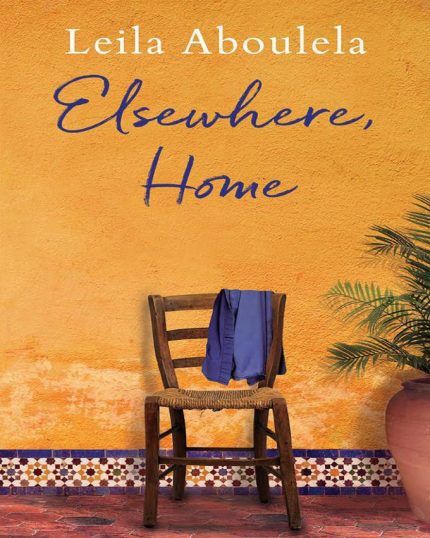
Elsewhere Home by Leila Aboulela

KShs1,990.00 KShs1,590.00
From one of our finest contemporary writers whose work has been praised by J.M. Coetzee, Ali Smith and Aminatta Forna, Leila Aboulela's Elsewhere, Home offers us a rich tableau of life as an immigrant abroad, attempting to navigate the conflicts of assimilation and difference in an unfamiliar world. A young woman's encounter with a former classmate elicits painful reminders of her former life in Khartoum. A wealthy Sudanese student in Aberdeen begins an unlikely friendship with a Scottish man. A woman experiences an evolving relationship to her favourite writer, whose portrait of their shared culture both reflects and conflicts with her own sense of identity. Shuttling between the dusty, sun-baked streets of Khartoum and the university halls and cramped apartments of Aberdeen and London, Elsewhere, Home explores, with subtlety and restraint, the profound feelings of yearning, loss and alienation that come with leaving one's homeland in pursuit of a different life.  

Moses and Mildred by Barbara Kimenye

KShs650.00 KShs550.00
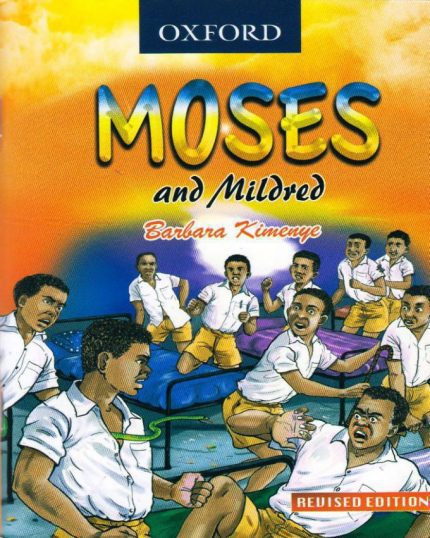
Brief Summary Readers of Moses will remember his disastrous first term at Mukibi's Educational Institute for the Sons of African Gentlemen. This term, however, Moses is hoping for the best. And is looking forward to showing his pet. Mildred. To his friend, King Kong. But things start badly and get worse. There's a new boy. Magara, who is a bully. Then King Kong loses the election for dormitory prefect. Then Mildred disappears. Moses and Mildred is the second title in the adventures of Barbara Kimenye's mischievous Ugandan schoolboy. The Moses Series Moses Moses on the Move Moses in Trouble Moses and the Penpal Moses and the Kidnappers Moses the Camper Moses in a Muddle Moses and the Raffle Moses and the Ghost Moses and the School Farm ISBN:9780195738513 Author:Barbara Kimenye

Kidneys for the King by Miguna Miguna

KShs2,890.00 KShs2,400.00
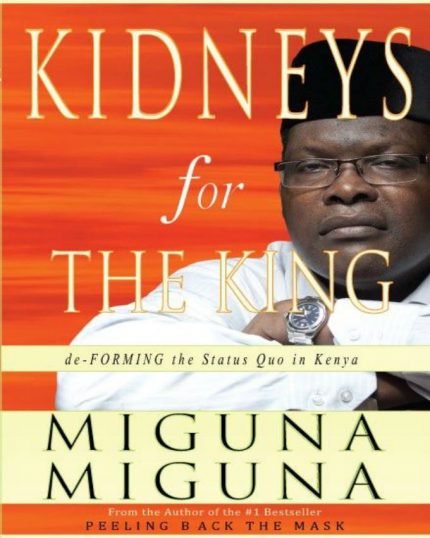
Kidneys for the King has a carefully developed structure. The first and the last chapter focus on the (de)construction of two public figures – Chief Justice Willy Mutunga and Prime Minister Raila Odinga. These two embodiments of the promise of radical transformation and their abysmal failures frame Miguna’s exposition of the trouble with Kenya in chapters 2, 3, 4 and 5. Against the background of the reception of Peeling Back the Mask in the local and international press; on television and on the Internet, Miguna details the rot of our society. A polluted police force; rampant corruption; the vagaries of an irresponsible media; a vile political culture; wayward leaders, a gullible electorate and the truant, half-hearted attempts at implementing a progressive Constitution.

A History of the Luo Speaking Peoples...

KShs6,000.00 KShs5,790.00
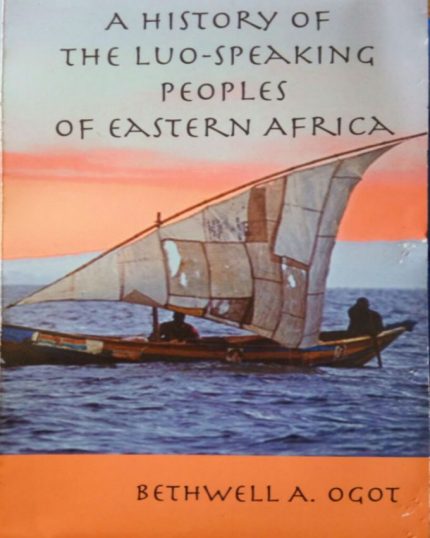
A history of the Luo speaking peoples of Eastern Africa. In Africa, the past goes to the very origins of humanity. It continues until just before the scramble for Africa in the late 19th century. Africa and Africans deserve to be known on their own terms, and to achieve this goal, we need to improve our understanding of what took place before colonialism rewrote many of life's rules. We can do this best by studying how Africa was peopled; how different African population varieties developed; how the over 1400 languages spoken in Africa evolved; why occupation has been an important aspect of African perceptions of identity; why certain places were attractive, and how trade routes altered comparative value of places; and how in turn, trade fostered the development of more complex societies.  

Peeling Back the Mask by Miguna Miguna

KShs4,500.00 KShs4,200.00
Peeling Back the Mask is an insider's account from one of the Kenyan Prime Minister's former adviser detailing instances of corruption and fraud at the highest level of Kenyan government. With massive online and media coverage, this book has become the spearhead of a national campaign to aspire to a new corruption-free Kenya. This remarkable book generated twenty thousand hits on the publisher website within hours of its announcement and Google reports Miguna Miguna is in the top five subjects searched online in Africa.