Showing 1–20 of 805 results

ECHOES OF THE RIFT BY HILLARY SHIKOKOTI

KShs1,500.00
Echoes of the Rift is a contemporary Kenyan novel that explores the enduring influence of ethnic identity, inherited prejudice, political division, love, and the search for national belonging. Set primarily in Murang’a, Siaya, and Nairobi, the novel follows Wanjiku, a young Kikuyu woman from Murang’a, and Otieno, the son of a Luo chief from Siaya, whose lives converge at the University of Nairobi. Raised within families that preserve strong cultural identities and memories of historical grievances, both characters initially inherit deeply rooted perceptions about the “other” community. Their encounter, friendship, and eventual love challenge the boundaries imposed upon them by family expectations, cultural traditions, and political narratives. As their relationship develops, the university becomes a microcosm of Kenya’s wider ethnic and political landscape. Wanjiku and Otieno confront the tension between cultural loyalty and national citizenship while navigating student politics, leadership struggles, corruption, manipulation, and ethnic mobilization. Their experiences expose how historical memories and political interests can transform legitimate community concerns into division and suspicion. The novel also examines the role of education, dialogue, youth leadership, civic responsibility, and technology in challenging inherited stereotypes and promoting social cohesion. The narrative moves beyond a conventional love story to interrogate the psychological and social consequences of inherited ethnic divisions. Through Wanjiku’s “Truth Echoes” platform and Otieno’s evolving understanding of leadership, the protagonists gradually transform personal adversity into a broader commitment to justice, accountability, inter-ethnic dialogue, and national unity. Their journey demonstrates that cultural identity and national belonging need not be mutually exclusive, while acknowledging that reconciliation is neither immediate nor complete. Ultimately, Echoes of the Rift presents Kenya as a nation whose historical divisions continue to echo across generations but whose future can be shaped through critical reflection, inclusive leadership, truth, justice, and deliberate efforts to build bridges across difference. The novel invites readers, particularly young people, to question inherited narratives, preserve cultural heritage without weaponizing identity, and imagine a more cohesive and inclusive Kenya.

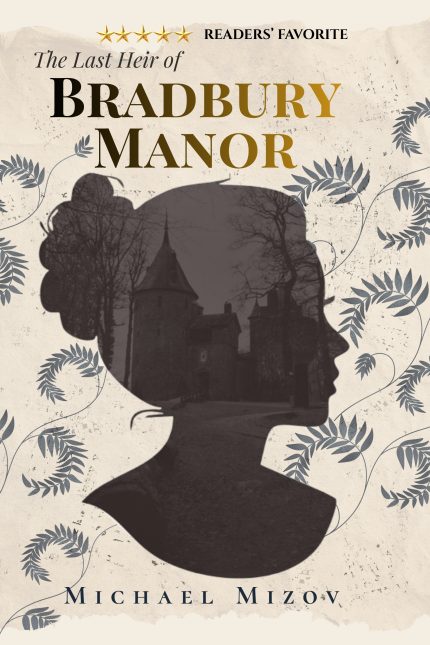
The Last Heir of Bradbury Manor by Mi...

KShs2,000.00 KShs1,800.00
Set in post-WWI England, this atmospheric gothic horror novel follows a young woman drawn back to her ancestral estate, where a centuries-old family curse awaits.

Prisoners of State

KShs1,200.00 KShs1,000.00
BY THE END OF THIS BOOK YOU WILL QUESTION, POWER AND THE VERY STRUCTURES THAT AFRICAN POLITICS ARE BUILT ON.

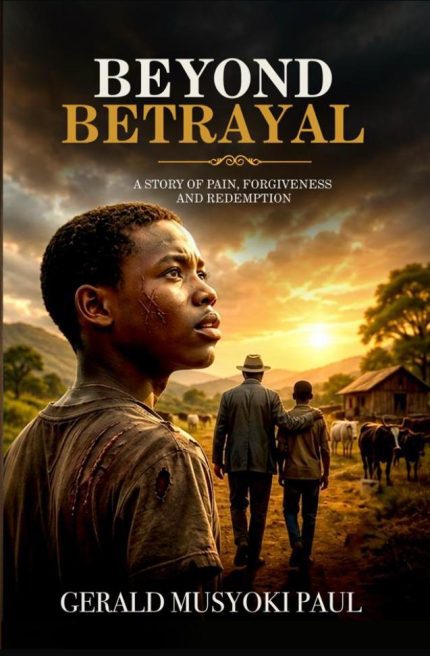
BEYOND BETRAYAL by Gerald Musyoki Paul

KShs700.00 KShs650.00
Beyond Betrayal by Gerald Musyoki Paul is a powerful dramatic novel exploring the painful sting of family malice and the ultimate triumph of legal justice and forgiveness. The story centers on Stance, an orphan forced by his cruel stepmother, Mrs. Tinah, to live in a rusted animal kennel while his step-siblings enjoy a luxurious mansion and university education. The depth of this betrayal deepens when his stepsister, Kellen, reveals that Mrs. Tinah illegally hid their late father’s will, which rightfully named Stance the sole heir to the family estate. Desperate for freedom, Stance attempts to escape one night, but the gatekeeper, Gregory, mistakes him for a thief and stabs him multiple times. Instead of helping, Mrs. Tinah and her son Bilbo heartlessly leave Stance to bleed in the dirt, and when they later discover that Kellen secretly treated his wounds and uncovered the truth about the will, they banish Kellen, tie Stance upside down, smear pepper into his gashes and brutally whip him.Stance eventually escapes into the wilderness, where a kind herdsman saves his life and helps him heal. Emboldened by safety, Stance exposes the abuse to the authorities, resulting in the public arrest and conviction of Mrs. Tinah, Bilbo, and Gregory. Soon after, a poetic tragedy strikes when Gregory accidentally triggers a massive house explosion and fire that burns the grand mansion to ash and leaves Mrs. Tinah and Bilbo severely burned. Stripped of their wealth, home, and pride, the broken family is forced to seek out Stance to tearfully beg for forgiveness that he ultimately grants to free himself from the shackles of bitterness.

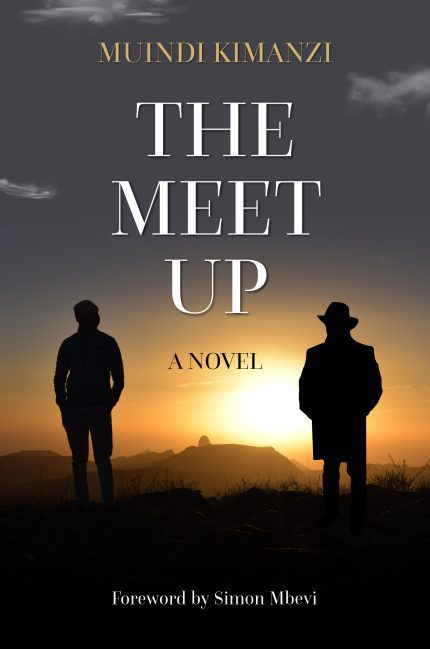
The Meet Up by Muindi Kimanzi

KShs1,200.00 KShs999.00
A young man, Tendai, travels up-country to meet his successful and widely celebrated father, Mr. Njiru. The meeting marks their first meet-up in twenty-five years. The story navigates their estranged relationship, pain, possible reconciliation, and drama.

CAPTIVATING MISS UNAVAILABLE by Lisa ...

KShs2,000.00
Captain Sabrina Nyanchera Morani has spent years navigating the skies at thirty-seven thousand feet, expertly handling turbulence everywhere except in her own love life. After one heartbreak too many, she's done chasing happily-ever-after. To her, men break promises, disappoint, and always end up leaving. So, she builds a life no one can take from her—a dream career with thousands of hours in the cockpit, and a heart permanently grounded. Then her best friend's brother-in-law happens. He’s charming, ridiculously persistent, and infuriatingly handsome. The carefree entrepreneur is everything Sabrina has sworn to avoid. Yet somewhere between a collaborative project, stolen weekends all over the globe, impossible chemistry, and a situationship neither of them intended to become something more, she begins to wonder if forever might actually exist. Kenzo Karani is a charismatic businessman, infamous for his lavish parties and even more infamous for never sticking around after the music stops. Growing up under the abusive shadow of his father, he learned early what kind of man he never wanted to become. Convinced that love only ends in pain and that commitment is a promise he is destined to break, he avoids it at all costs, choosing fleeting moments over forever. Then a gorgeous Dreamliner captain crashes into his carefully guarded life, lands squarely in his heart, and proves him spectacularly wrong. Suddenly, the man who never believed in forever finds himself chasing it because he can't imagine a future without her. Now he'll cross continents, challenge her fears, and fight for a future she no longer believes she's allowed to have.

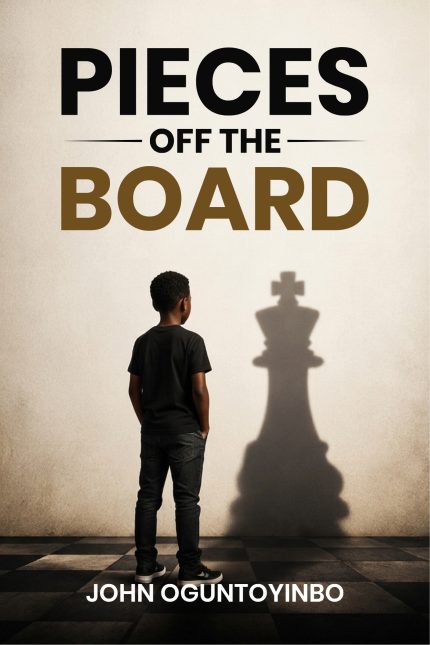
Pieces Off The Board by John Oguntoyinbo

KShs1,000.00
What if every move on a chessboard could unlock a forgotten moment in history? Kola, a gifted young Nigerian chess player, travels from Lagos to Lisbon for an international tournament. But as he competes, strange visions begin connecting the pieces on his chessboard to powerful moments from the ancient Kingdom of Benin. Through figures such as Oba Esigie and Queen Mother Idia, Kola discovers lessons about strategy, leadership, diplomacy, patience, and courage. Each chess piece teaches him something new—not only about winning games, but about making wise choices. Blending chess, African history, adventure, and everyday childhood experiences, Pieces off the Board is an inspiring story that shows young readers that true strength comes from thinking carefully, working with others, and protecting what matters.

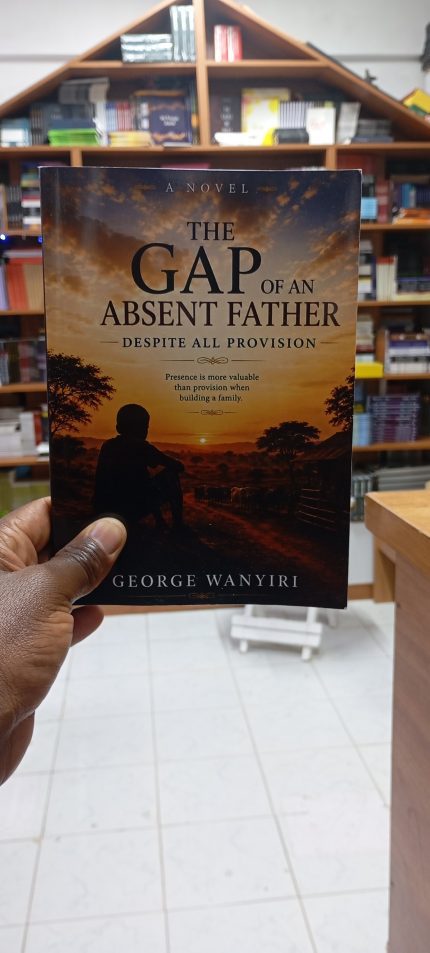
The Gap Of An Absent Father Despite A...

KShs1,200.00
Rashid Abdi grows up in a wealthy home yet his heart is hungry for something more, something his father's money could not buy. He craved spending time with his father. But his father is a busy man, too busy to endeavour to bridge the emotional gap that exists between them.

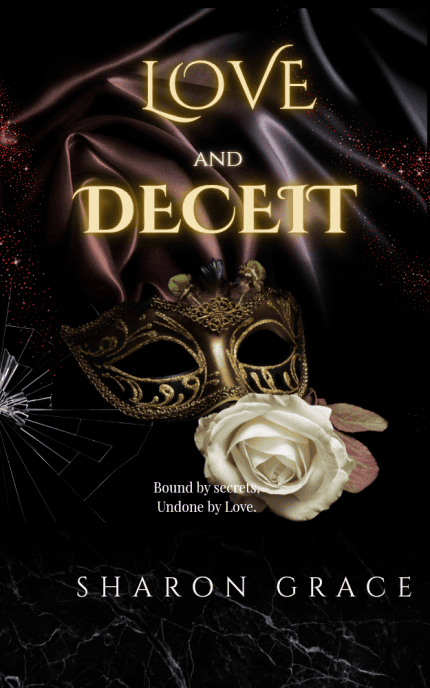
Love and Deceit by Sharon Maina

KShs1,700.00 KShs1,500.00
For readers who love obsession, danger, and love that feels like a bruise and a blessing. He’s the twin who trusts too easily. He’s the twin who trusts no one. She’s the woman none of them should have saved. A simple act of rescue binds them to her, a beautiful, controlled heiress whose generosity feels equal parts refuge and danger. Her lakeside estate offers safety on the surface, but beneath the quiet rooms and perfect smiles lies a tension none of them can ignore. As desire blurs into something deeper, secrets rise, past wounds reopen, and the fragile balance between them threatens to shatter. A dark, emotional contemporary romance where survival collides with longing, and love becomes the most dangerous risk of all.

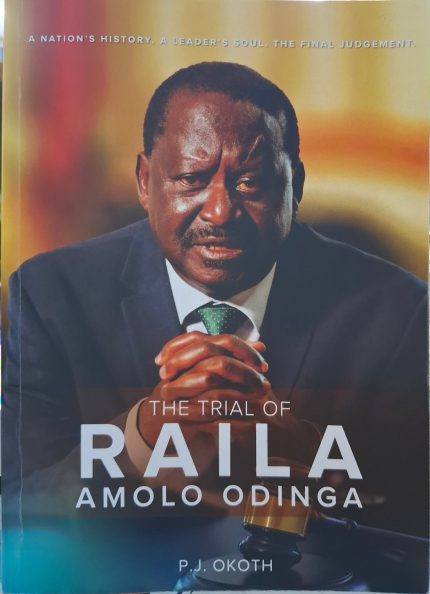
The Trial of Raila Amolo Odinga by Ok...

KShs2,500.00 KShs2,250.00
A speculative fiction that places former Kenyan Prime Minister Raila Amolo Odinga on trial in a celestial courtroom. The book weaves Kenya's turbulent political history with divine judgment, exploring the moral complexity of resistance, the costs of leadership, and whether a leader should be judged by his failures or by the hope he inspired. Drawing on the tradition of Ali Mazrui's The Trial of Christopher Okigbo, Rider Haggard's ancestral spiritualism from his book Montezuma’s Daughter, the Book of Enoch, and Kenya's own intellectual heritage, the work bridges the hard ground of history with the speculative sky of myth. It is also deeply personal - born from the author's exhaustion with earthly politics and his journey from public health administration to writing. The Origin: A Whisper in the Night The book was conceived in October 2020, during a moment of profound weariness. The author, a dental surgeon and hospital CEO, was bent over hospital plans while his wife observed: "You grow thin. You barely touch my food. You don't sleep. And you look sad and stressed." The endless night hours reviewing systems, writing blueprints, only to have operational chaos and political constraints shred them before dawn—"public service" had become a theater of constraints. His predecessor had chosen him as deputy not for lineage or loyalty, but for his willingness to build. Together and in their individual styles fought political interference, the erosion of institutional autonomy, and the relentless pressure to compromise professional standards. He witnessed boards, informal media, and an unhinged gatekeeper used as inquisitions, data-free accusations of "inefficiency," and the manufacturing of narratives to remove competent workers and leaders. The weight of it all - the fight to keep "jungle medicine" out of modern care, the exhausting battle to protect the radiotherapy project a renowned medical Professor had birthed, the noble vision of a sickle cell institute reduced to public relations, the bruising fights—finally broke him. Fearing for his mental health, he decided to step down. And in that space between exhaustion and liberation, the book was born: "I want to write a book. The Trial of Raila Amolo Odinga. To be tried in heaven, outside the compromised consciousness of the world." Part One: The Earthly Crucible Traces Raila's formation through personal and political trials: denied baptism at Maseno (1945), passport refusal (1962), education in East Germany, family bankruptcy, brother's suicide (1975), public shaming of his family (1978), torture and detention in Nyayo House (1982), mother's death while imprisoned, wife's eviction (1988), and the loss of his firstborn son Fidel. Despite these scars, he emerges as a visionary architect: building NDP, merging with KANU's "Rainbow Coalition," creating ODM, championing the "No" vote against the 2005 Draft Constitution, delivering the 2010 Constitution as Prime Minister, establishing Devolution (47 counties), and executing controversial "Handshakes" with Presidents Kenyatta and Ruto. Introduces Tom Mboya - the brilliant technocrat whose 1969 assassination by Nahashon Njenga represents Kenya's "original sin"—and Njenga himself, a man reduced to a single infamous act. Raila's death is strategic: he commands a 72-hour burial to prevent his funeral from becoming a political battlefield. Part Two: The Celestial Summons The Council of Principalities debates how to judge Raila's soul. Uriel proposes an unprecedented solution: let Tom Mboya prosecute (arguing the case for rational institution-building) and let Nahashon Njenga defend (arguing the context of desperate struggle). The structure echoes Mazrui's Trial of Christopher Okigbo—putting a figure in a cosmic dock where the verdict matters less than the questions the trial compels. The celestial setting, inspired by the Book of Enoch and the Book of Adam and Eve (introduced to the author by a doctor friend), creates an Empyrean Court where ancestors and angels debate. From Haggard's Montezuma's Daughter, the author absorbed the lesson that the dead do not simply die—they journey, testify, and wait on the shores of the living to be summoned. Like Haggard the author used his story to tell the history of Kenya. Part Three: The Trial Archangel Michael presides. Charges: (1) cultivating perpetual agitation, (2) engaging in Faustian bargains, (3) failing to build enduring institutions, (4) raising hopes without delivering. Raila pleads not guilty. Prosecution witnesses include: the Ghost of 2007 (violence's collateral damage), the Spirit of the 2010 Constitution (used as cudgel, not covenant), a Luo Youth (hope without prosperity), Kalonzo Musyoka (loyal critic), the Spirit of Internal Party Democracy (top-down rule via Councils of Elders), Charles Njonjo (system's hypocrisy exposed), Mirugi Kariuki (tribal survival over principle), Peter Okondo (system's fatal finality), and the Essence of Economic Stability. Defense witnesses include: Jaramogi (unjust system requires defiance), the Second Liberation (Raila as midwife), ODM as liberation vehicle, Dedan Kimathi (same war against oppression), Ronald Ngala (fulfiller of suppressed vision), Wangari Maathai (disruption as biological necessity), Bishop Muge (fellow truth-teller), Ali Mazrui ("performance artist of resistance"), and William Ochieng' (cautionary critique). These intellectual influences reflect the author's engagement with Kenya's scholarly tradition—Ochieng's forensic clarity, Mazrui's global synthesis, Taban's cultural diagnostics, Okot's metaphysical poetry, Mbaja's material witness, and Odhiambo's archival conscience. Part Four: The Verdict Before the verdict, a symphonic dissent erupts: Taban Lo Liyong accuses the court of “Western metaphysical imperialism”; Okot p'Bitek reframes Raila as a “geological event”—son of the Lake Goddess and Sun God; Luo and Luhya elders demand translation, not verdict. The nyatiti and eskuti rhythms fuse, creating a poly-rhythmic argument that challenges the court's epistemology. Michael integrates the dissent: "The objections are not overruled. They are absorbed into the court's new mandate." Mzee Francis Okoth Abuje (the author's father) testifies: "My vote was for the fragment of a dream he carried... conflicted loyalty was the purest form of patriotism." The Waiting Gallery: Kenyan presidents (Kenyatta, Moi, Kibaki, Uhuru, Ruto) watch silently, awaiting their own tribunals. The Judgment: · Raila: Not guilty of instigating violence; guilty of hypocrisy with context; not guilty of failing his destiny. Granted passage into light. · The Kenyan State: Guilty of structural violence, economic exclusion, political assassination, and perpetuating a system rewarding tribe over talent. Raila reflects: "I did not create the mountain. I simply refused to pretend it was not there." Part Five: The Author's Trial The author himself is tried by the intellectuals he summoned: · Taban Lo Liyong: Accuses him of "narrative imperialism"—trading jazz for symphony · William Ochieng': Accuses him of romanticizing history—"History is not a quarry for your metaphors. It is a graveyard." · Ali Mazrui: Says he forgot the global context—"He was one note in a global symphony of resistance" · Oyangi Mbaja: Confronts him in a Nyayo House cell—"You made a meal of our pain and called it literature" · Okot p'Bitek: Challenges his right to speak for the nyatiti—"You have cited the instrument. You have not played it." · Atieno Odhiambo: Offers the kindest diagnosis—"This book is not arrogance. It is haunting. The haunting of a boy who loved literature and was told to choose practicality." The critics offer a choice: write their rebuttals or leave a blank page. Okoth chooses the blank page—an invitation for readers to complete the story with their own truths. The Afterword: A Confession The author reveals the book's deeply personal origins: The Haunting of Abandoned Passion: "You did literature only up to Form Three. You dropped it because the sciences consumed your list of subjects. You sacrificed your passion for a profession. You wanted to take history alongside your sciences at A-level, but they rejected it. Unusual combination, they said. Not practical. Not viable. So you became a dentist. A good one. A public health specialist. A hospital administrator. You built systems. You saved lives. You served. But the ghost of that abandoned passion never left you." The Hospital as Battlefield: As Medical Superintendent of Naivasha Hospital during the 2007/08 post-election violence, the author treated the burned and broken jaws—Luo men with machete wounds while police watched from armored vehicles. He authorized the storage of 47 unclaimed bodies in the hospital mortuary. He was simultaneously a bureaucrat and prey—treating Raila's supporters while being marked as a supporter himself. The system he served was hunting him indirectly as a dissident. When the heat became too much, he did what many did: he left. Naivasha to Kisumu. Displacement as diagnosis. The Theological Critique: Mbaja challenges the author's "Waiting Gallery" for presidents—"Tell me: is this divine justice or celestial class privilege? On earth, the poor face instant judgement—in your heaven, the powerful get appointments. The same impunity that protected them in State House now protects them in your Empyrean... You accuse Raila of political compromise, yet your own heaven practices the ultimate compromise: admitting presidential guilt while postponing its consequences indefinitely." The Final Reckoning: The author acknowledges his influences—Mazrui's cosmic courtroom, Haggard's ancestral visitations, the intellectual traditions of Kenya—and thanks those who guided him: Dr. Jacton Omoto (whose relentless commitment moved him from intention to action), Dr. Kennedy Otieno (who introduced him to the Book of Enoch), and his wife Monica (whose deepening spiritual journey showed him the veil between worlds is thinner than materialism admits). Conclusion The book ends with a grey stone on the author's desk—worn by water and time—and a blank page for readers. The author's final words: "I left it there for you—for your father's name, for your scream, for the silence that follows violence, for the story that no archive recorded." He invites readers to fill the blank page with their own truths, noting that the book now belongs to the silences it created, the conversations it started, and the memories it made space for. Key Themes · Blueprint vs. Battlefield: Mboya's rational institution-building vs. Raila's defiant struggle · Tribalism vs. Nationhood: Whether Raila transcended or reinforced ethnic divisions · Institutional Failure: Personality cult vs. necessary wartime cohesion · Divine vs. Earthly Justice: The search for judgment beyond compromised institutions · Who Gets to Tell the Story: Citation vs. belonging; the ethics of representation · The Haunting of Abandoned Passion: The author's journey from a boy who loved humanities to a dentist who writes—and the ghost of that abandoned passion demanding to be fed · The Collateral Damage of Struggle: The author's lived experience as a hospital administrator during the 2007/08 violence—treating the wounded while the state watched · Celestial Class Privilege: The critique that even in heaven, the powerful get deferred judgments while the poor face instant reckoning The verdict: Raila's soul is burdened but justified; the Kenyan State is guilty; and the reader is invited to complete the story with their own truth. The book stands as a long letter from the shores of a story—a story that belongs to Kenya, but held gently enough to pass on. It is also a confession: the author did not write this book to try Raila. He wrote it to try himself. To see if the boy who loved literature still lives. To see if the page can hold not just the names of the forgotten dead, but the name of the forgotten self.

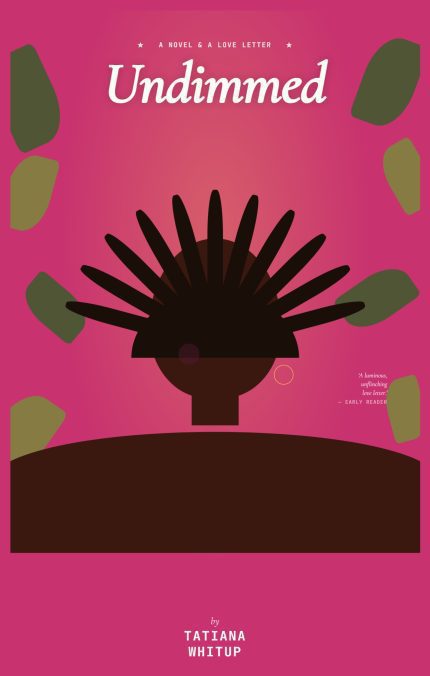
Undimmed: A Novel by Tatiana Whitup

KShs2,850.00 KShs2,500.00
UNDIMMED is a full-length Women-Fiction novel that follows seven women — across Nairobi, Nakuru, Kisumu, Lagos, London, and Kampala — as they each confront the lives they have been living and the lives they were made to live. It is a story about depression and grief, about marriage and motherhood, about ambition and identity, about the particular cost of performing strength for so long that you forget what it feels like to simply exist.

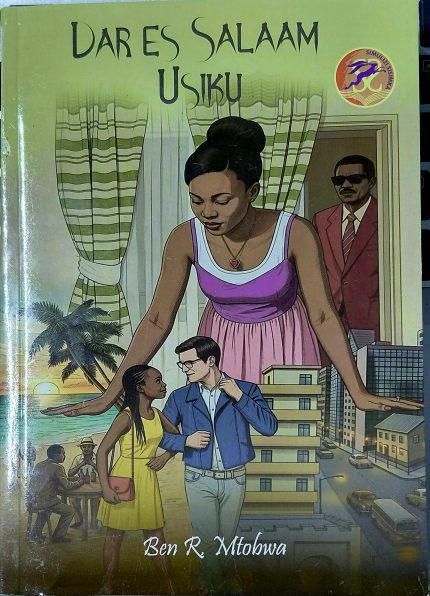
Dar es Salaam Usiku by Ben R. Mtobwa

KShs800.00 KShs690.00
"Unafanya nini mpenzi?" Alifoka akimshika vizuri. "Umerukwa na akili?" Aliuliza. "Una nini?" Hakujibiwa. Badala yake alimwona Rukia akilainika mikononi mwake na kuanguka sakafuni alipolala...
Katika Dar es Salaam Usiku tunaona mapenzi na kupenda. Kuna mapenzi ya kupewa na kutoa bila kupenda na kuna kupenda bila kupewa. Je, ni yapi mapenzi ya kweli?
 

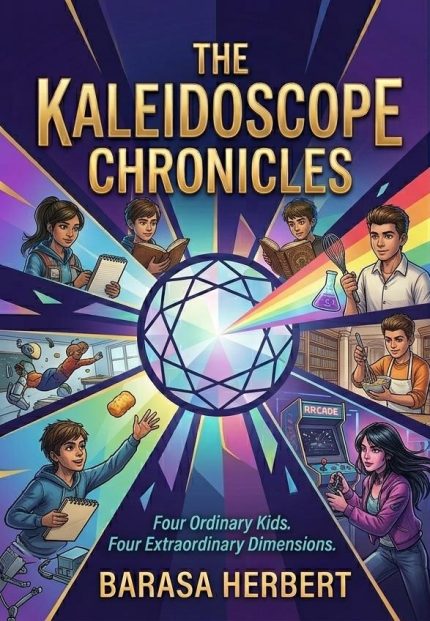
The Kaleidoscope Chronicles

KShs2,500.00
Step into the kaleidoscope, where junior high gets weird and ordinary school days turn into high-stakes adventures. Follow Leo as he ceiling-surfs through a gravity glitch, Toby as he gets dragged into the forgotten stone halls of the true Library of Alexandria, Brody as he fights off a living noodle monster in the school gym, and Zara as she gets sucked into an unbeatable retro arcade game. Packed with fast-paced action, wit, and unforgettable characters, this reality-bending anthology proves that when your world fractures, ordinary kids are the only ones who can rewrite the rules. Ideal for fans of imaginative sci-fi adventures in Junior school

The Sick Medic (novella) by James Chumo

KShs1,800.00 KShs1,500.00
A man can outrun many things. However, running from himself is not one of them. Dennis Omieri is a doctor who knows too much about dying, and now, too much about his own. When his father succumbs to pancreatic cancer, the grief is devastating. But what follows is worse.

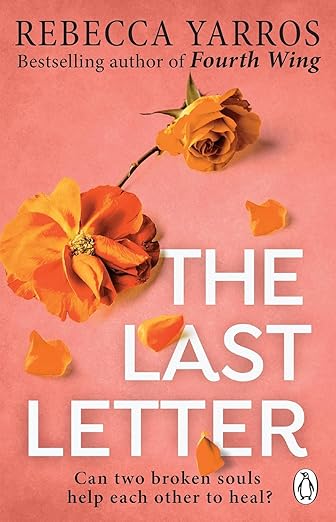
The Last Letter Book By Rebecca Yarros

KShs2,000.00 KShs1,890.00
Beckett, if you’re reading this, well, you know the last-letter drill. You made it. I didn’t. Get off the guilt

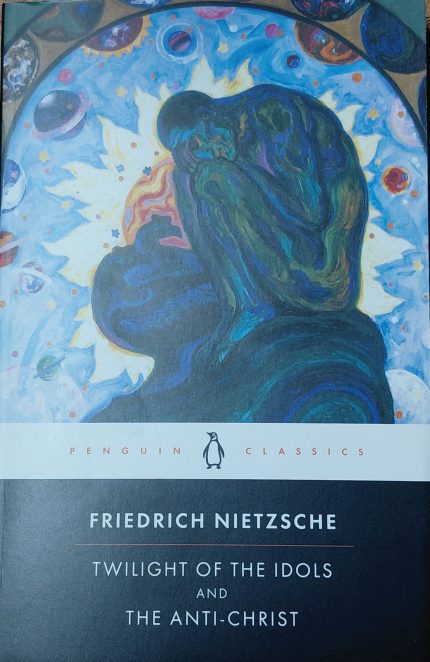
The Twilight of the Idols and the Ant...

KShs2,000.00 KShs1,890.00
One must be superior to mankind in force, in loftiness of soul—in contempt’ In these two devastating works, Nietzsche offers

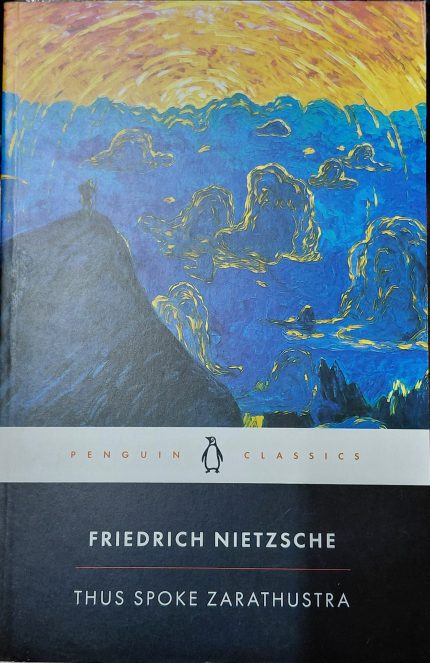
Thus Spoke Zarathustra by Friedrich N...

KShs2,000.00 KShs1,890.00
Nietzsche was one of the most revolutionary and subversive thinkers in Western philosophy, and Thus Spoke Zarathustra remains his most

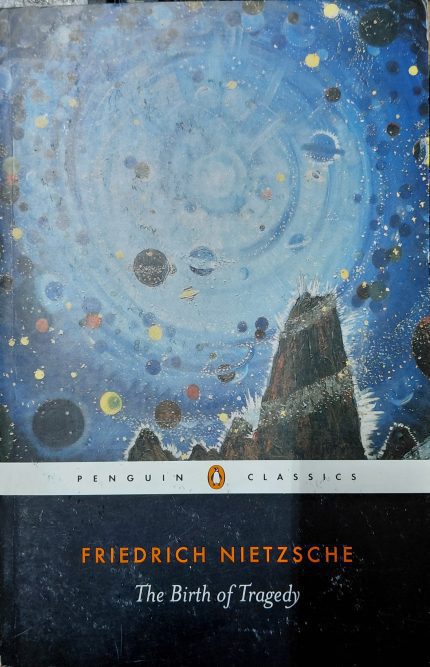
The Birth Of Tragedy by Friedrich Nie...

KShs2,000.00 KShs1,690.00
A compelling argument for the necessity for art in life, Nietzsche’s first book is fuelled by his enthusiasms for Greek

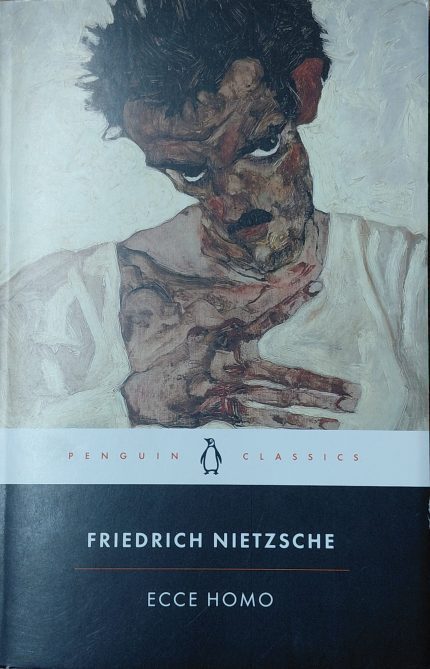
Ecce Homo by Friedrich Nietzsche

KShs2,000.00 KShs1,690.00
In late 1888, only weeks before his final menta breakdown. Nietzsche set out to compose his autobiography, and Ecce Homo

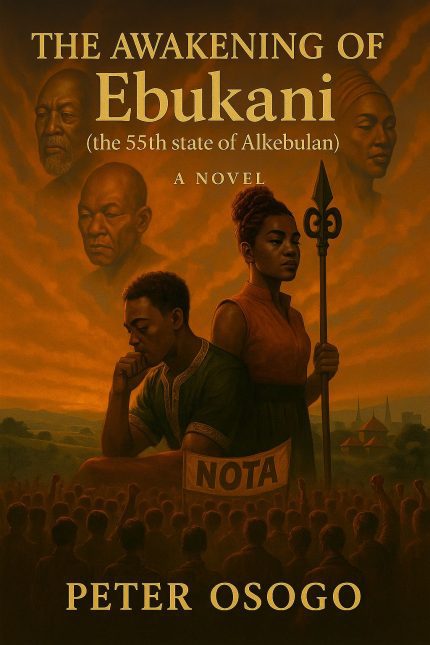
The Awakening of Ebukani: The 55th st...

KShs1,700.00
What if everything you thought you knew about power, wealth, and freedom was only part of the story? In a fictional African nation on the brink of transformation, The Awakening of Ebukani follows the journey of young leaders who dare to question the systems shaping their world; and choose to change them. This is not just a story. It is an awakening. Why readers can’t put this book down ✔️ It rewires how you see power Move beyond politics as elections and titles. Discover the deeper systems that truly shape nations, and your place within them. ✔️ It transforms how you think about money and wealth Challenge conventional ideas of success and uncover what real economic independence means for individuals and nations. ✔️ It builds a new kind of leadership mindset Through the journeys of Dumi and Nerima, experience leadership as it truly is; difficult, demanding, and deeply purposeful. ✔️ It exposes hidden systems without preaching See how influence, control, and narratives operate in the real world; through a gripping story, not a lecture. ✔️ It strengthens identity with clarity; not blind belief Engage with Africa’s past, present, and future in a way that is thoughtful, honest, and empowering. ✔️ It challenges your assumptions Prepare to question everything; from education to governance to the unseen forces shaping society. A story that stays with you Set in the rising nation of Ebukani, this powerful novel blends storytelling, philosophy, and political insight into a page-turning experience that is both entertaining and deeply thought-provoking. By the final page, you won’t just have followed a story, you will see the world differently. Perfect for readers who enjoy: • African literature and political fiction • Stories about leadership, power, and transformation • Thought-provoking novels with real-world relevance • Books that challenge conventional thinking 📘 Book Details • Trim Size: 6 x 9 inches • Length: 277 pages • Format: Ideal for students, general readers, and intellectual audiences This is more than a novel. It’s a shift in perspective. If you’re ready to think differently, question deeply, and see clearly— The Awakening of Ebukani is your next read.