Showing 301–320 of 358 results

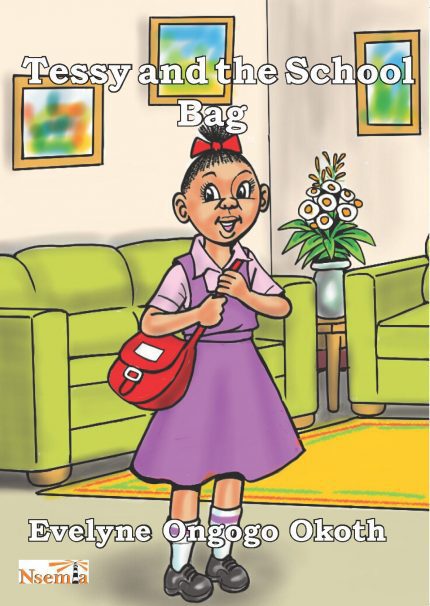
Tessy and the School Bag

KShs450.00 KShs400.00
Tessy and the School bag is about how a young girl learns how to be polite when she would like something from her parents. She likes her friend's bag and she has to find an appropriate way to ask her mother to buy for her the same bag. A child of 5 to 7 years will get a chance to learn how to use kind words like Please and Sorry when they read this story.

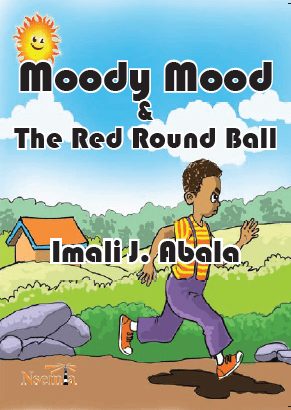
Moody Mood and the Red Round Ball

KShs500.00 KShs400.00
In Moody Mood & the Red Round Ball we find Moody Mood who is always moody. He gets mad about everything, even the Red Round Ball, and the sun that keeps ‘smiling’ at him and following him wherever he goes. Would he be less moody if he smiled?

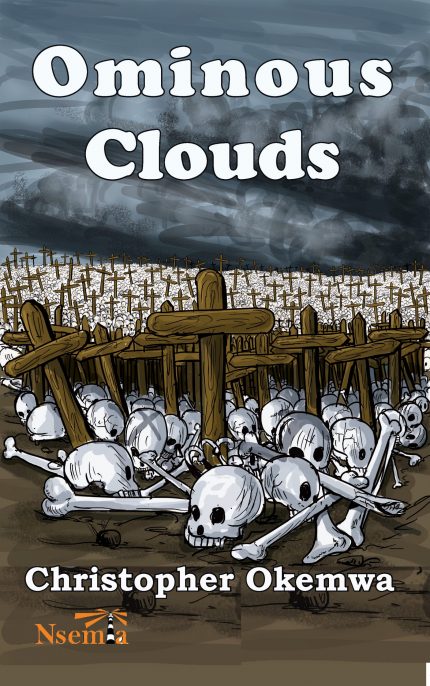
Ominous Clouds

KShs1,000.00 KShs800.00
Ominous Clouds is a collection of poems that have specifically been selected from previous works by the author. The collection comprises of poems with the theme of Kenyan politics. Issues of governance, negative ethnicity and political violence are tackled. The poems have been translated to Finnish, Norwegian and Greek. These multiple translations enable the poetry to travel around the globe and beyond the readership in English, the original language in which they were written. As the translators have noted, the translations offer readership in the said languages to learn about the country Kenya as captured in the poetry.

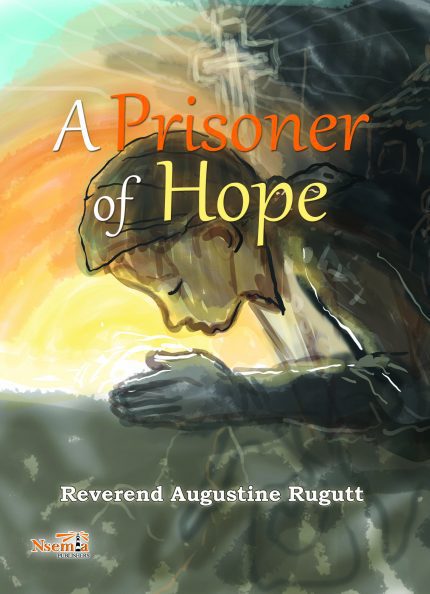
A Prisoner of Hope

KShs600.00 KShs500.00
In A Prisoner of Hope, the Reverend Augustine Rugutt takes us through an emotional spiritual journey of the life, values and teachings of his mother Pauline Cherono Taptulmat Chepkulul. It is a tale of challenges that few non-believers would overcome, but which his mother overcame in the end. Pauline believed in the Lord and was guided by spiritual belief throughout her life. She suffered but remained hopeful for a better future. As the author testifies, neither sickness nor poverty could deter the spirit that directed her virtuous existence. She was indeed a prisoner of hope, and not only was she able to see her children succeed, but also imparted on them invaluable life-long lessons that continue to shape their lives and those of their children. They are values for all generations present and future. The Reverend Rugutt writes admiringly about his mother and the values she held through her time on earth. He generously shares these intimate tales believing there are lessons for us all as human beings on our earthly and spiritual journeys. A Prisoner of Hope is a must read for all. It is essential for those who, faced with challenges and suffering, may be about to give up hope.

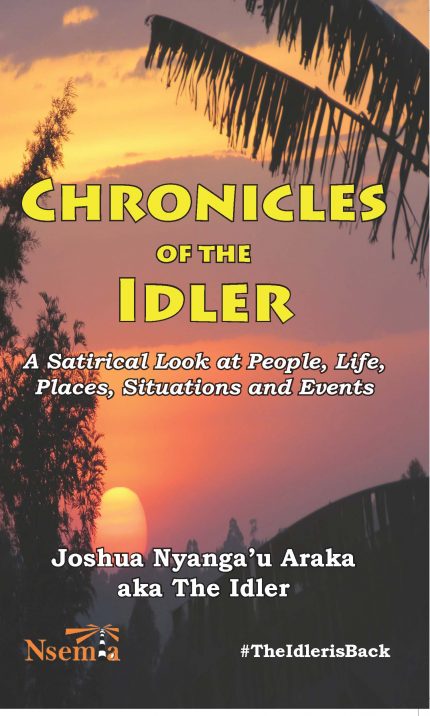
Chronicles of the Idler

KShs1,000.00 KShs800.00
Chronicles of the Idler, Volume One is a collection of short, satirical pieces on various aspects of life. In simple, straight words, the author takes a quick, but critical, look at people, life, places, situations and events and spices up the stories with imagery and unmatched humour. What Others Say “Many people assume that with the demise of the likes of P. K. Okoth of Drums’ Malimoto and the great Wahome Mutahi of Whispers, humour is as good as buried. Not anymore! Chronicles of the Idler is a satirical collection in a class of its own. It is original, comical and superb!” - Solomon Abayo, Principal, Riambase High School.

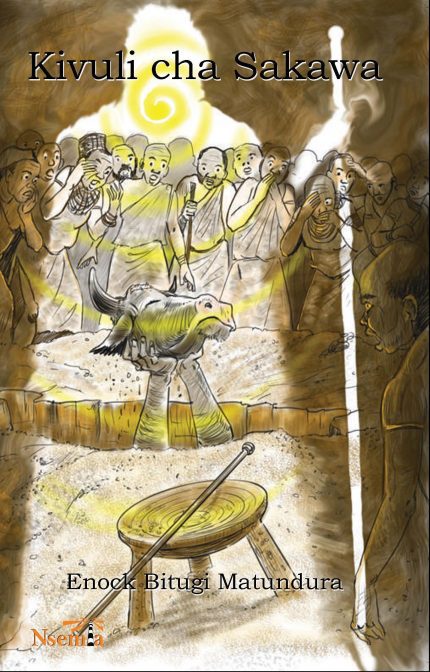
Kivuli cha Sakawa

KShs1,000.00 KShs900.00
Kivuli cha Sakawa (Sakawa's Ghost) , written in Kiswahili, the major lingua franca in the East African region, is a story about one of Africa's legendary heroes who was at the forefront in the battle against colonialism and its evils. Legend has it that he was a seer and that many of his predictions have come to pass. In this this story, Sakawa finds himself at crossroads following the death of his father, a prominent leader in his own right. Conservative elders in his community who feel threatened by this youngster destined to be a great leader fight him tooth and nail to subdue his shinning star. Will they succeed? Sakawa Ng'iti indeed existed and lived among the Abagusii community in western Kenya at the turn of 19th Century (1800). The unfolding episode in this book did indeed take place, although probably in slightly a different way. By chronicling this episode, the author gives the story a new lease of artistic life and offers opportunity for others to comments and/or offer versions of the story as they understand it.

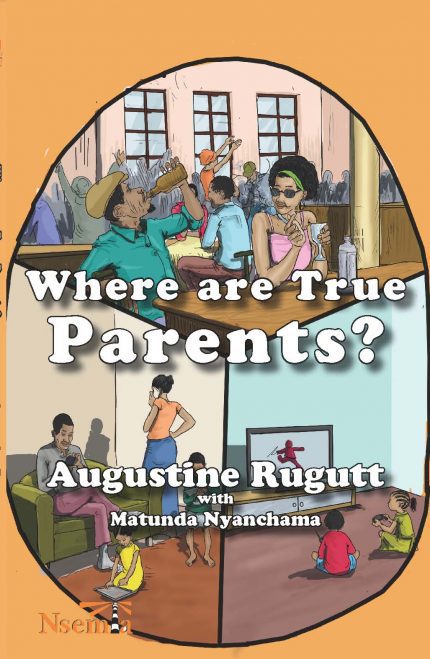
Where are True Parents?

KShs700.00 KShs600.00
In Where are True Parents?, Augustine Rugutt explores ways in which parenting determines children’s behaviour and character beyond formative years. In doing so, he associates society’s changing value system, social pressures and use of technology with parenting outcomes, some of which are unpalatable in the eyes of society. He asks whether parents are truly aware of the impact of their conduct and action in shaping the future of their children. A fundamental question is whether parents truly know their children. On the other hand, do children really understand their parents? Such understanding is essential for a sound foundation for society. He makes the irrefutable case that poorly parented children are likely to be poor parents themselves. He challenges parents to understand that parenting is a God-given responsibility. As such, parents owe it to the Maker and the future of society to play their role as parents guided by teachings from the Bible. Step by step advice, most of which is informed by his work with Church, is invaluable for today’s parent.

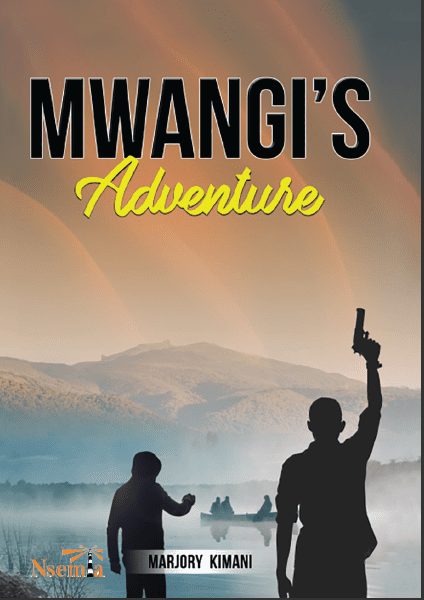
Mwangi’s Adventure

KShs1,200.00 KShs1,000.00
When Mwangi helped a distressed lady change a punctured car tyre one day, he thought it was just that. Little did he know that the token of appreciation that the lady gave him was a trigger that would set him off on an adventure of mixed fortunes. On one hand danger looms large and, on the other, he has to keep a job as an assistant to a young Irish researcher named Trevor. Trevor, as well, finds himself on a new path with the thugs pursuing Mwangi. How the two youths juggle between their research and safety, in and around Nyandarũa, is the thrill of this compelling narrative.

The Airlift Orphan

KShs1,200.00 KShs1,000.00
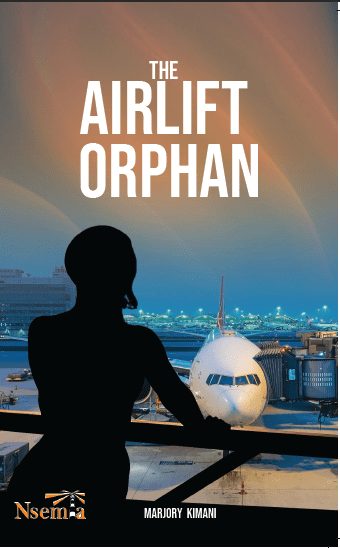
The seed from which this book germinated was the Tom Mboya/Kennedy airlifts which took place in the late 1950s and early 1960s. Dozens of young bright students from Kenya were given a chance to further their education in the United States of America. A Kenyan visionary, politician and trade unionist, Tom Joseph Mboya, had seen that an independent Kenya would need its own well educated citizens to steer the new nation as most of the colonial government workers were leaving. Kendi, the chief persona in the story, is daughter of a man who left his pregnant lover behind and failed to come back. The travails that Kendi and her mother go through at the hands of a ruthless society is the real gist of this story. The story is entirely fictional but is primarily based on a historical event which actually took place. The Airlift Orphan is a moving tale of, betrayal, sorrow, love and ultimate redemption. Despite being based on historical happenings, the story is timeless and will entertain readers for generations to come.

Move On – Bounce Back from Life...

KShs1,000.00 KShs950.00
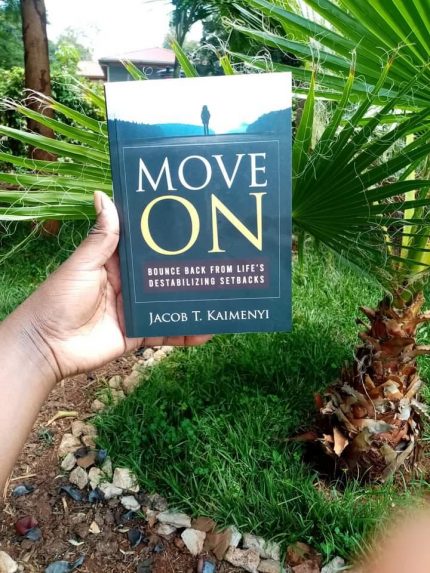
Even in Our best form, we are never quite prepared for the impact of misfortunes, catastrophes, accidents, or other life debilitating Setbacks. We drain our energies daily trying to prop our achievements and prevent our fortunes from caving in. We writh and wallow endlessly, when we encounter a multilitude of Setbacks, for they open us up to feelings of fear, inadequacy, failure and frustration. The Author Jacob T. Kaimenyi aims to spur you to fortify yourself not against failure or loss, but against becoming obsolete in the face of such circumstances, for it is the ability for a comeback in the event of foreseeable and unforeseeable Setbacks in your life that matters. The book also seeks to grant its readers the power to embrace the moral strength to confront the reality of their pain and loss., rise from the dust, reinvent themselves and give life another shot!

Black Coffee and Steamy Nights by Eud...

KShs2,500.00 KShs2,000.00

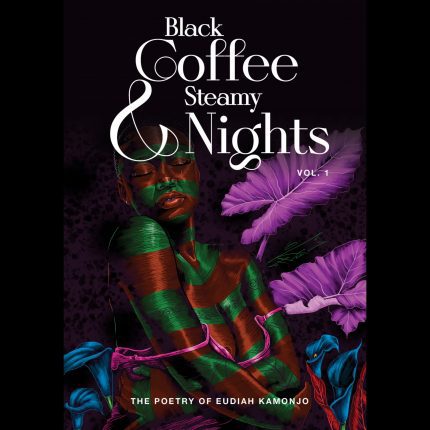
Black Coffee & Steamy Nights is a poetry collection that is bound to either touch a nerve or take you on a rompy adventure.

The collection is in full colour with beautiful artwork by Thufu B.

Chasing Ethnic Shadows

KShs1,800.00 KShs1,700.00
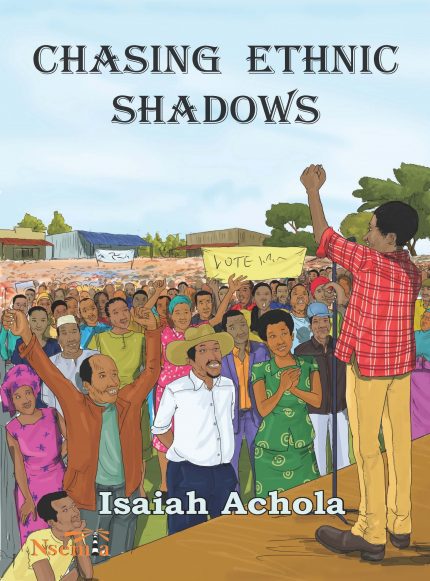
This is a gripping political story featuring two tribes; the Bandalo and Waleki communities in the wake of a political turmoil in a young African country. When Adena, a young woman who works her way through formal schooling and Munara, a police officer of high moral standing meet and fall in love, theirs is a thrilling love story. Amidst fights, lootings and violence, their worlds are fused into one. From two opposing ethnic communities, a glaring age gap, an intimidating class difference; can love withstand the political tension? Can their story bridge the ethnic differences between their respective communities? Can it cure the country from chaos?

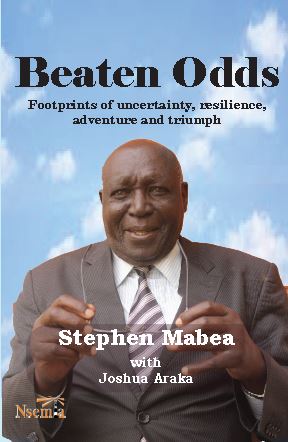
Beaten Odds: Footprints of uncertaint...

KShs1,600.00 KShs1,500.00
Stephen Mabea was born to newly converted Seventh Day Adventist (SDA parents as British missionaries made inroads into Western Kenya. With a life punctuated with challenges, Mabea's Christian upbringing, dedication to service and excellence saw him triumph at every turn. One of the first teachers from his locality in pre-independent Kenya, he focused on shaping and moulding the lives of young people. Hard work and creativity saw each of his schools record stellar performance. Many of his students went on to pursue successful careers across the country and elsewhere in the world. As a Staffing and Education Officer in Kisii and Siaya, he was central to implementing education programmes, improving teaching outcomes, streamlining teacher recruitment, and reforming the school equipment programme. Away from education, Mabea worked with fellow pyrethrum and tea farmers to get better returns for their sweat and toil. Discipline and dedication to service have been key guiding principles in his work as a teacher, an education administrator and community leader. He professes that success through hard work, resilience, honesty and determination is its own reward. Doing what is right, at the right time and in the right way is most gratifying, he adds. In retirement, Mabea spends time at his Borabu home farming, and serving the community and the church. They look up to him as a teacher, an advisor, mentor and a role model.

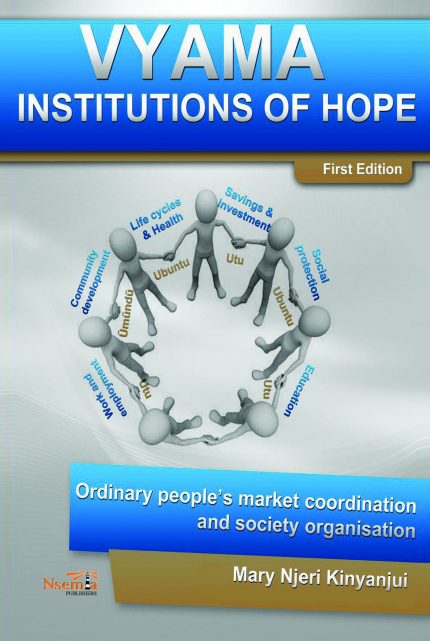
Vyama Institutions of Hope

KShs1,200.00 KShs1,000.00
This book makes the case for informal sector institutions in development theory. Through practical examples and interviews conducted in Kenya, the author captures how ordinary people organize themselves to meet daily economic and development challenges. The author traces how ordinary people (wananchi) use non-mainstream mechanisms in the form vyama (social groups) to enable individual, group and community development. The book offers insights into the evolution of vyama (institutions of hope) and the role these institutions continue to play in realizing economic growth: wealth creation and distribution; investments, social protection; and general community development. The work shows how, despite historical disruptions, modernization and neo-liberal policies, ordinary people creatively borrow from tradition. In the process, they use collective mechanisms for resource mobilization, investment, risk-sharing and shared gains for the common good. The author offers pointers into the future and how the chama concept can become mainstream in a people’s economic development. What others say “The analysis is rigorous. It is highly original, emotive, and an excellent piece of work. It makes a major contribution to our knowledge of the proto-proletariat and the informal sector in the developing world. - How the author beautifully weaves anecdotes from classical African novels into her analysis to reinforce her argument makes this work distinctive and unique.” - Professor MBK Darkoh, University of Botswana “This book is based on real life cases in an area that most scholars have not ventured into. It is a major addition of new findings in the body of knowledge. The presentation is clear, understandable and would appeal to most readers.” –Paul Kamau, PhD, Senior Research Fellow, University of Nairobi “The strength of this book is the way it has managed to present the lives of the ordinary people as not hopeless, but rather the base where future development for Africa could be emerging. The book starts from the grassroots and the development actions and innovations taking place there based on the needs as experienced by the ordinary people, rather than the technical fixes of development experts that follow the books rather than the actual needs of the people being developed.” – Professor Beth Maina Ahlberg, PhD, Professor of International Health, Uppsala University “This book demonstrates how ordinary citizens have discovered the power in tapping into social relations and are proactively solving their own socio-political and economic challenges. It calls for the incorporation of the ordinary citizen in development planning with a view of enabling them to receive value from and add value to the globalization and integration process. For anyone who is interested to see Africa play an important role in the global agenda, this is not a book to be ignored.” -- Josephat Juma, Managing Editor, The African Executive magazine.

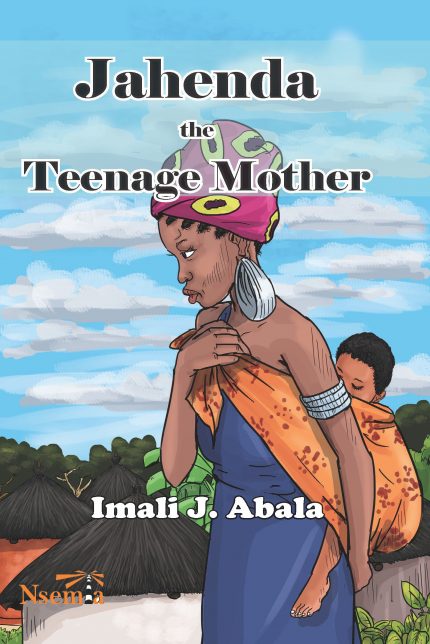
Jahenda the Teenager Mother

KShs1,000.00 KShs800.00
Jahenda, the Teenage Mother is a coming-of-age story about Jahenda, the protagonist and a Form-two student at Chavavo Secondary school, who believes education is her key to success. Like most teenage girls, she vows not to be distracted by teenage love, but when Alan, a handsome and charming young man, shows interest in her, she is tamed by his charm and falls head over heels in love with him. Yielding to the temptations of love, Jahenda makes the biggest blunder in her life when she becomes pregnant and, as a result, is expelled from school, an outcome which derails her dreams for success. That is not all! She is shunned by most people in her rural community and must confront the stigma of having a child outside wedlock. To make matters worse, when Alan, the very young man responsible for her pregnancy, dies unexpectedly after a snake bite, this young mother finds herself at a crossroads in her life. What makes Jahenda’s story a compelling read, therefore, is her ability to harness her inner ambitions to emerge from her fix by doing the unthinkable and defying societal norms to save herself. What a cautionary tale! Will this teen mother’s last act be her saving grace?

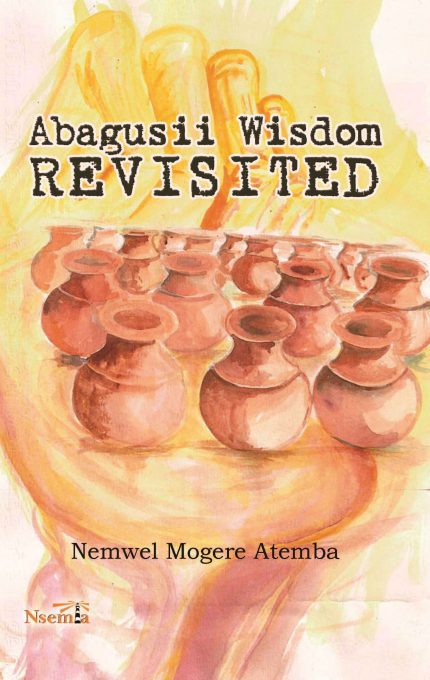
Abagusii Wisdom Revisited: Proverbs i...

KShs800.00 KShs700.00
Abagusii Wisdom Revisited is a collection of proverbs and metaphors in Ekegusii, one of the forty one languages spoken in Kenya. It includes naming conventions in the calendar, the traditional homestead, cattle (which were a symbol of wealth in traditional Gusii society), currency and traditional brew. The book captures wisdom told over generations and observations intertwined with profound meaning. In order to avail the work to a wider audience than Ekegusii readers and speakers, the author has attempted to put the necessary context, giving the English equivalent and, in some cases, using story-lines to establish the meaning. Here is an example: Abanda 'mbairokaine; Onchong’a agatama ekworo Kimaiga kayebwate: The rich revere/fear one another as in the case of Onchong’a who fled on noticing Kimaiga’s cloak. Storyline: Once there were two rich men who unknowingly met at the home of a beautiful girl, whom they both intended to woo. Mr. Onchong’a reported earlier. However, when Mr. Kimaiga also arrived for the same purpose, Mr. Onchonga, who was less wealthy, stealthily walked away without ado.

Taboos of Abagusii of Kenya

KShs1,000.00 KShs700.00
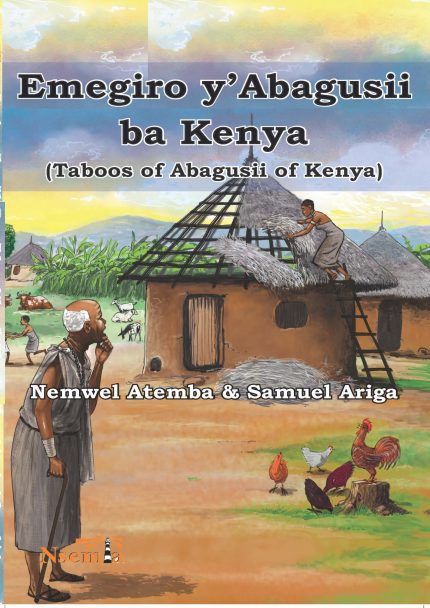
Emegiro y’Abagusii ba Kenya (Taboos of Abagusii of Kenya) documents taboos of the Abagusii and the role the taboos played, and continue to play, in that society. Authors assert that the taboos regulated society in all dimensions. A person breaking a taboo would face censure and/or punishment unless s/he was cleansed. Taboos have vital effect on a society’s conduct. They regulate relations and determine how the society utilizes its resources, among other things. They also protect society from dangerous persons such as criminals. Taboos demand obedience and are associated with rituals; they impose specific or restrictive behaviour, usually directed at avoiding danger, be it imminent or long-term. As captured in this book, taboos are social constitutions for, together with cultural laws, they regulate community conduct. Some taboos documented here may not be relevant today. However, they capture the context and hence the society of the time. They are of historical significance, many threads of which exist today.

The Armageddon and Other Stories

KShs1,000.00 KShs700.00
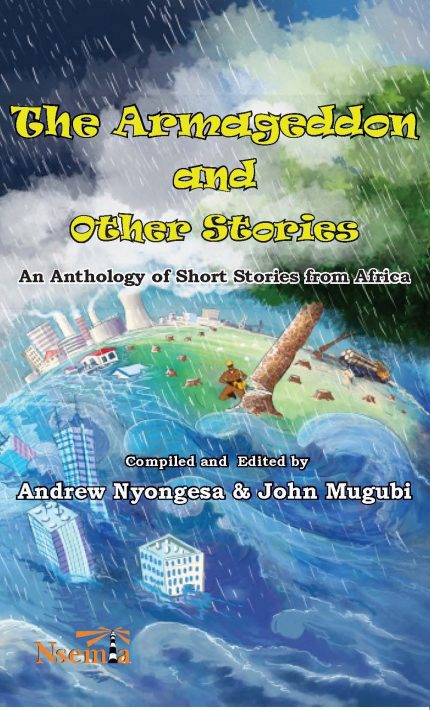
The unpredictable weather patterns in Africa, the rise of earth's surface temperature, the melting of polar ice caps, rising of sea levels and the blazing wildfires in the Americas and Australia call for urgent action to conserve Mother Nature or risk Armageddon, the final destruction of the planet. This is the subject that runs through this compilation of stories to reiterate Wangari Maathai's assertion that the future of the planet concerns all of us and we should do what we can to protect it. It is the intention of debut and established authors of this anthology to perpetuate Maathai's legacy to avert Mother Natures' vengeance against humanity. The Armageddon and Other Stories, therefore, breaks away from conventional social and political themes on the African literary scene to depict the demerits of deforestation, pollution, logging, the relegation of climate change, and other concerns of ecocriticism. At the crux of the anthology is the argument that the tendency to use financial profits to measure the success of commercial institutions without considering their role in environmental conservation is misleading. - Andrew Nyongesa. Air, water, and earth are the basic amenities of life. Humans have constantly tampered with nature. Cyclical processes that nature has designed for resource conservation are fragrantly interfered with. As a result, the threat to life has been increased due to human activities in the environment. Some of these are air, water, and noise pollution; deforestation, blind industrialization, over-population; waste disposal, climate change, global warming, the greenhouse effect, and the imbalance established in the biosphere. The stories herein serve to spread environmental awareness in our society as well as in our daily routine life. It is necessary to save and protect our environment. - John Mugubi.

Say My Name and Other African Stories...

KShs1,200.00 KShs1,000.00
Cultural difference elicits both essentialist and hybrid conversations from diverse fields, particularly the humanities and social sciences. For Africa, essentialist voices, for instance, underscore the need to reject Western culture and return to the African ways of the past. In the 1956 conference of Black Writers, essentialists were represented by Aime Cessaire. In their view, the great Africa could only be founded on its past cultural ways. Ngugi wa Thiong’o and Obi Wale bolster Cessaire’s proposition in their defence of African languages with respect to the writing of African literature. In their opinion, writing African literature in European languages in tantamount to transmitting European values. Frantz Fanon, on the other hand, contented that Africa can only succeed through a mix of Western and African ways. Referring to Fanon, Homi Bhabha associates essentialist discourses with the politics of polarity. For him, the return to traditional culture is a recipe for cultural othering that could threaten national aspirations. It is in the backdrop of these divergent conversations that the stories in Say my Name and Other African Stories from Home and Away we selected. While Joy Chenyenyozi, Yvonne Wamuyu, Maurice Simbili, Virginia Asenath and James Nderitu stand for a cultural mix of what seems inevitable in Africa, Denis Waswa, Muruli Muhande, Imali Abala and Ann Namatasi Lutomia are concerned with representation of Africa’s lost past. Using autobiographical style, the authors capture among other things, the physical environment, childhood activities, initiation rites, parenting styles, dances, food, cherished values and other aspects that show the cultural diversity of the Kenyan populace.

Many in One and Other Stories from Af...

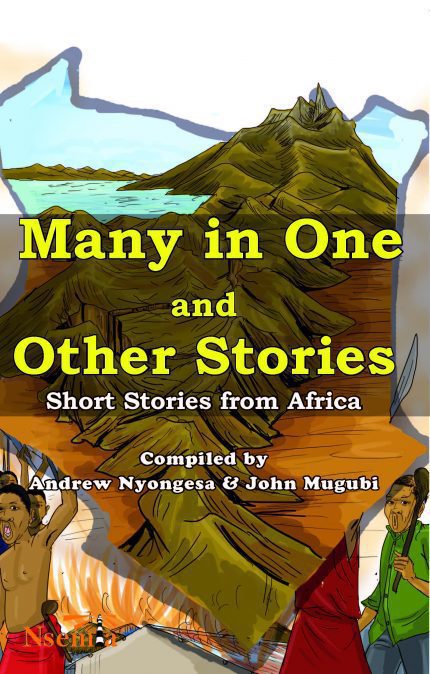
KShs1,000.00 KShs600.00
Many in One and Other Stories is a convergence of stories by budding writers of both genders from diverse regions of Kenya. The anthology breaks the monotony of classical Kenyan writers and captures emerging voices on the Kenyan literary scene. This meticulous and careful selection has considered a range of subjects from post election violence, political animosity, national integration, greed, broken love and cultural alienation. Set in contemporary African settings with vivid characters, the stories seek to entertain, challenge, inform and chastise the readers. With precision of eye and word, the writers in this anthology make lucid their creative territories. Ingenious and original, this anthology of resonant, assured and gratifying stories comes from a true connection with lived places and experiences accruing there-from. All the writers treasure language and deftly use its resources of metaphor, voice and syntax to explore their worlds and offer readers new knowledge about their worlds. I trust that readers will find this anthology a sizzling good yarn bubbling with edutainment.