
Showing 1–20 of 24 results

A DIASPORAN STRATEGY FOR DEVELOPMENT

KShs2,000.00
The Mwepesi Ajenda Nne – Precinct Project Office (MAN-PPO) is more than a book—it is a blueprint. It provides a strategy to mobilize, integrate, and leverage the diverse resources of the African Diaspora

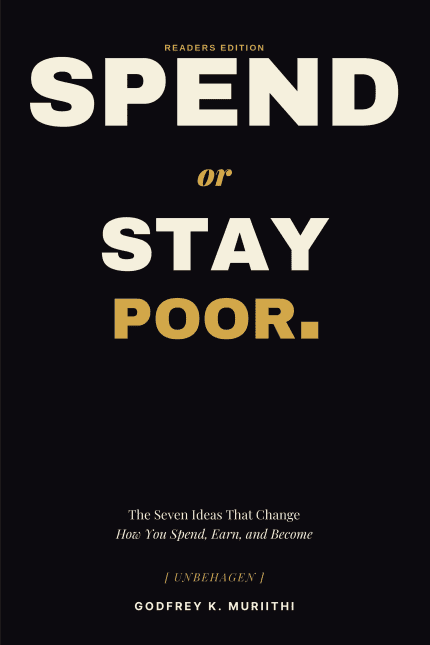
SPEND OR STAY POOR

KShs1,500.00 KShs1,000.00
Spend or Stay Poor

Apollo did everything right steady job, savings, discipline and got nowhere. There's a German word for that quiet dread of doing everything right and still going nowhere: Unbehagen. Spend or Stay Poor reveals why comfort quietly kills ambition, then hands you the Tension Protocol a five-stage system that turns strategic discomfort into real growth, ending in a fourteen-day plan you can start today. A short, sharp book you'll finish in one sitting and press into someone else's hands.
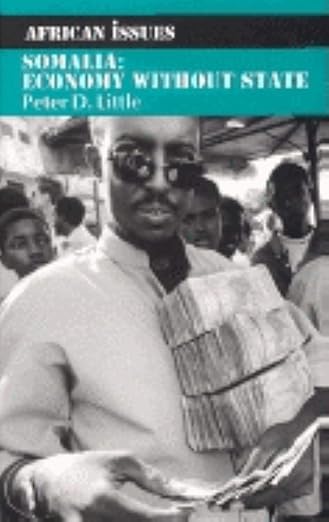
       

African Issues-Somalia: Economy witho...

KShs6,590.00
In the wake of the collapse of the Somali government in 1991, a "second" or "informal" economy based on trans-border trade and smuggling is thriving. While focusing primarily on pastoral and agricultural markets, Peter D. Little demonstrates that the Somalis are resilient and opportunistic and that they use their limited resources effectively. While it is true that many Somalis live in the shadow of brutal warlords and lack access to basic health care and education, Little focuses on those who have managed to carve out a productive means of making ends meet under difficult conditions and emphasizes the role of civic culture even when government no longer exists. Exploring questions such as, Does statelessness necessarily mean anarchy and disorder? Do money, international trade, and investment survive without a state? Do pastoralists care about development and social improvement? This book describes the complexity of the Somali situation in the light of international terrorism.

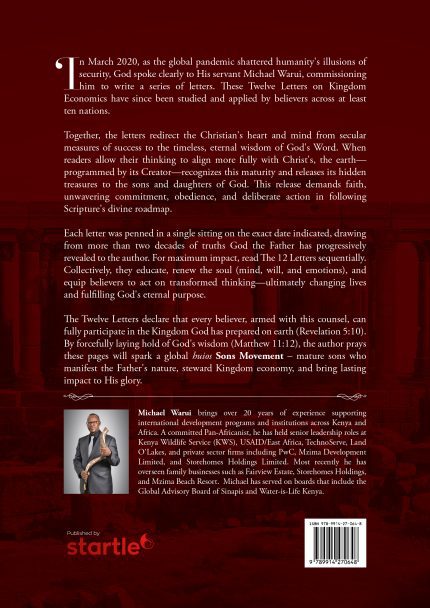
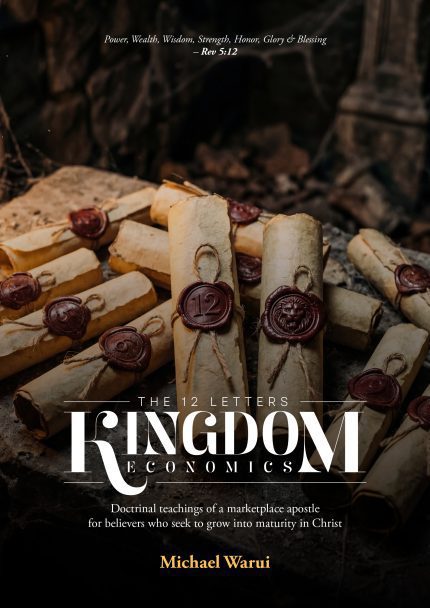
The 12 Letters – Kingdom Econom...

KShs1,500.00
Doctrinal teachings of a marketplace apostle for believers who seek to grow into maturity in Christ.

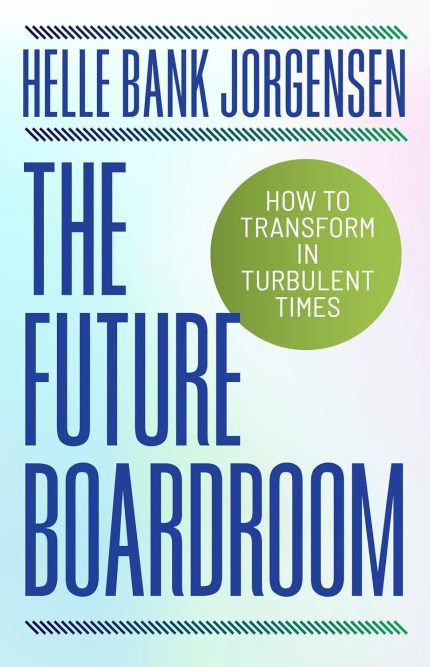
The Future Boardroom: How to Transfor...

KShs7,000.00 KShs6,500.00
Navigate the future of corporate governance in turbulent times with expert insights on sustainable leadership and ethical boardroom practices. In an era where corporate leaders face unprecedented challenges, The Future Boardroom offers a roadmap for board members to steer their organizations through conflicting demands and achieve sustainable growth. Helle Bank Jorgensen, a renowned advisor to corporate boards, provides actionable strategies for integrating environmental and social policies into core governance practices. Discover how to future-proof your boardroom and meet the rising expectations of regulators, politicians, and stakeholders. Learn to: Enhance board effectiveness and ethical leadership Implement sustainable strategies for long-term value Understand and engage with diverse stakeholder perspectives Adapt to technological advancements and manage emerging risks Equip your board with the insights and foresight needed to thrive in a rapidly changing world. This is an invaluable playbook for directors committed to making a difference.

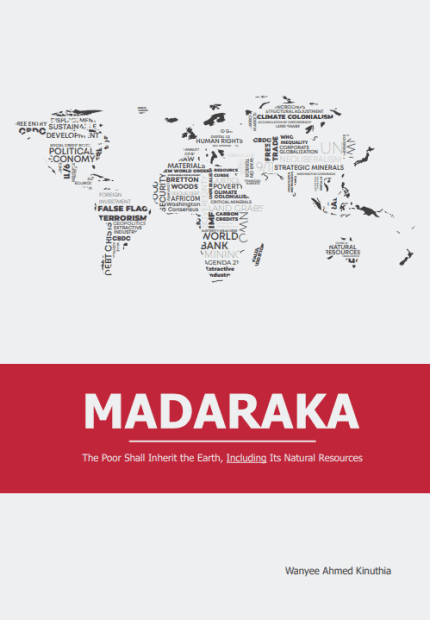
MADARAKA: The Poor Shall Inherit the ...

KShs2,500.00 KShs2,000.00

This book provides a compelling examination of corporate-driven resource extraction on the African continent, which is marked by the exploitation of both people and the environment exclusively for the pursuit of profit for a few, with a specific focus on Kenya. The book meticulously reveals that the socioeconomic and environmental challenges posed by the extractive sector are not isolated incidents but part of a larger, systemic problem. This is underscored by the complex interplay between political economy, corporate globalization, odious debt, public policy, sustainable development, human rights and the rule of law. The book concludes by enjoining the call for a world order in which Africa is not exporting its raw materials, but is the centre of global manufacturing, adding value to its own resources.

THE LION’S PATH

KShs700.00
Spanning generations, The Lion’s Path traces Kenya’s journey through the eyes of ordinary people whose lives mirror the nation’s struggles and triumphs. From Kamau, a hunter who dreams of a wounded lion, to Naliaka, a girl bound to colonial farms; from Joseph Otieno, a teacher at independence, to Akinyi, a mother enduring economic hardship; from Brian Mwangi, a slum-born dreamer of the digital revolution, to Leila Hassan, a climate activist fighting for tomorrow — each character carries the roar of resilience within. Blending history and allegory, this sweeping work of historical fiction captures the wounds, hopes, and unbreakable spirit of a nation walking its path through past, present, and future.

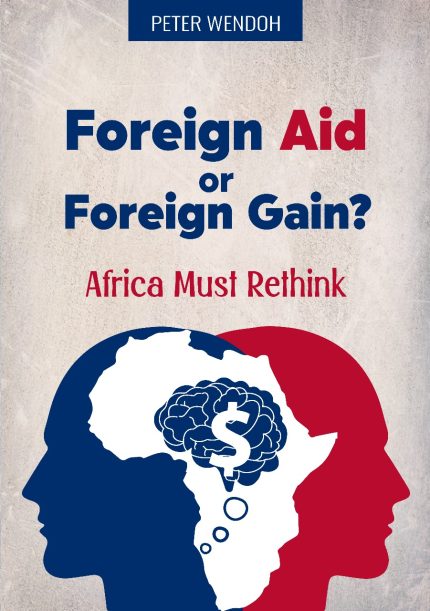
Foreign Aid or Foreign Gain? Africa M...

KShs990.00 KShs900.00
One of the first actions of Donald Trump’s administration was to sign executive order 14169 that froze U.S. aid worldwide. Proponents of Aid have already predicted doom and gloom especially for Africa. But what has been the impact of Aid in Africa, decades on?  This book exposes some of the hidden pitfalls of Aid to Africa with the aim of challenging Africans to think beyond Aid. It seeks to contribute to the emergence of a robust and informed public debate on foreign aid in Africa, while offering viable alternatives for Africa's path to true sovereignty, and sustainable development that guarantees Africa's future and restores her dignity.  

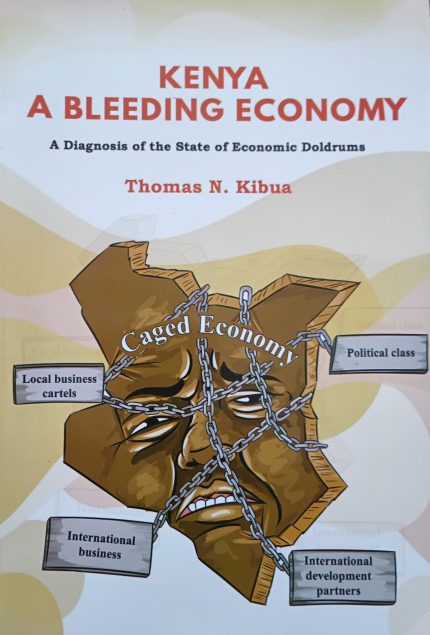
Kenya, A Bleeding Economy: A Diagnosi...

KShs3,000.00 KShs2,500.00
A diagnosis of the state of economic doldrums.

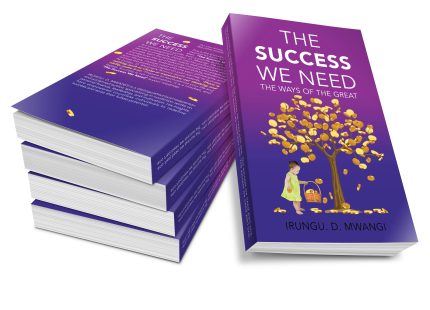
The Success We Need

KShs1,600.00
We are a product of our philosophies and our belief systems shape who we are. You have invested significantly in becoming the person you are today, but my question is: how much are you willing to invest in who you want to become? Seek out the right knowledge that has been passed down through generations to learn how to achieve the success we all desire in life.

Financial Success For Entrepreneurs b...

KShs1,000.00
Financial success for entrepreneurs is a book that has been engineered to help upcoming and existing entrepreneurs understand practical tips on how to effectively monitor business performance and maximize profitability and grow investments. This book is structured to help entrepreneurs become great money managers while at the same time plugging loopholes that would potentially cause loss of cash. This book has five modules tackling different aspects of the business. It gives you the knowledge and practical nuggets for you to turn your business into a financial success. To get best out of this book you must play your part. Your business cannot be successful if you do not practice these tips. You have to make them work through practice.

The Essential Chomsky by Noam Chomsky

KShs3,990.00 KShs3,290.00
Noam Chomsky’s writings on politics and language have established him as one of the most original and wide-ranging political and

The Fallacy Of The New Money System (...

KShs1,500.00 KShs1,450.00

This book shall, in its small way, attempt and endeavor, with the blessing of the Almighty Allah, to shed some light on what is real and sound money, the fallacious nature of fiat currency, and its attendant issues. It tries to unpack, in a down-to-earth manner, the salient differences that surround them.

In addition, the book gives an in-depth look into trade, commerce, and investment issues in the context of modern technology and incorporates Islamic Shariah.

However, it is, far from being, a complete and comprehensive book on Islamic Economics; Islamic Finance; Islamic Law; Insurance, and Banking at all. This book aims to be an eye-opener and empower people to understand issues relating to the history and the benefits of money in a societal context.

The Entrepreneurial State: Debunking ...

KShs2,000.00 KShs1,890.00
According to conventional wisdom, innovation is best left to the dynamic entrepreneurs of the private sector, and government should get out of the way. But what if all this was wrong? What if, from Silicon Valley to medical breakthroughs, the public sector has been the boldest and most valuable risk taker of all?

Economics: The Users Guide by Ha-Joon...

KShs2,000.00 KShs1,890.00
What is economics? What can - and can't - it explain about the world? Why does it matter? Ha-Joon Chang teaches economics at Cambridge University, and writes a column for the Guardian. The Observer called his book 23 Things They Don't Tell You About Capitalism, which was a no.1 bestseller, 'a witty and timely debunking of some of the biggest myths surrounding the global economy.' He won the Wassily Leontief Prize for advancing the frontiers of economic thought, and is a vocal critic of the failures of our current economic system.

A Brief History of Equality Hardcover...

KShs8,000.00 KShs7,500.00
The world’s leading economist of inequality presents a short but sweeping and surprisingly optimistic history of human progress toward equality despite crises, disasters, and backsliding. A perfect introduction to the ideas developed in his monumental earlier books. It’s easy to be pessimistic about inequality. We know it has increased dramatically in many parts of the world over the past two generations. No one has done more to reveal the problem than Thomas Piketty. Now, in this surprising and powerful new work, Piketty reminds us that the grand sweep of history gives us reasons to be optimistic. Over the centuries, he shows, we have been moving toward greater equality. Piketty guides us with elegance and concision through the great movements that have made the modern world for better and worse: the growth of capitalism, revolutions, imperialism, slavery, wars, and the building of the welfare state. It’s a history of violence and social struggle, punctuated by regression and disaster. But through it all, Piketty shows, human societies have moved fitfully toward a more just distribution of income and assets, a reduction of racial and gender inequalities, and greater access to health care, education, and the rights of citizenship. Our rough march forward is political and ideological, an endless fight against injustice. To keep moving, Piketty argues, we need to learn and commit to what works, to institutional, legal, social, fiscal, and educational systems that can make equality a lasting reality. At the same time, we need to resist historical amnesia and the temptations of cultural separatism and intellectual compartmentalization. At stake is the quality of life for billions of people. We know we can do better, Piketty concludes. The past shows us how. The future is up to us.

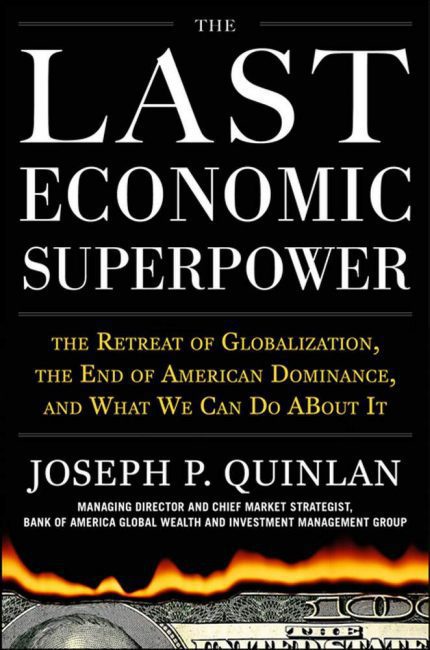
The Last Economic Superpower: The Ret...

KShs4,500.00 KShs4,000.00
The global economy, designed by Western powers with the United States as lead architect, is in the process of reconfiguration. The 2008 global financial crisis has terminated America’s reign as sole economic superpower and opened up important new spheres of influence to developing nations. Does this signal the retreat of globalization as we know it? Has an economic “cold war” already begun? Will the West ever exert the kind of control and influence it enjoyed just a few short years ago? In The Last Economic Superpower, Joseph P. Quinlan, a Wall Street veteran and expert on global economic affairs, addresses these questions and many others. Presenting his vision with refreshing clarity and objectivity, Quinlan examines:
  • How America went from being a major creditor to the world’s largest debtor nation in only two decades
  • Five critical issues America must face in order to prevent permanent fragmentation of the global economy
  • What the fading appeal of Europe and Japan means for the future of globalization
  • What China, India, and others have that the West doesn’t--and why this gives them unprecedented leverage Decisions made now will shape the course of history. The Last Economic Superpower outlines critical choices that must be made in order to recast, reinvent, and reenergize a new style of globalization.
The Last Economic Superpower lays bare the issues and challenges that will decide whether the world builds a new, functional system that serves all or fragments into separate spheres of influence, which benefits no one.

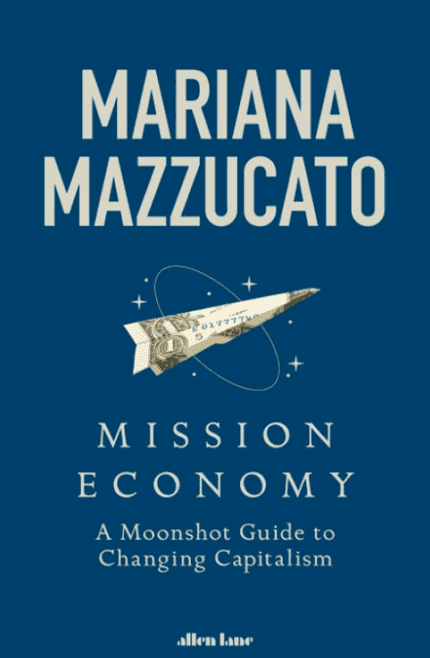
Mission Economy: A Moonshot Guide to ...

KShs2,000.00 KShs1,790.00
Capitalism is in crisis. The rich have gotten richer—the 1 percent, those with more than $1 million, own 44 percent of the world's wealth—while climate change is transforming—and in some cases wiping out—life on the planet. We are plagued by crises threatening our lives, and this situation is unsustainable. But how do we fix these problems decades in the making? Mission Economy looks at the grand challenges facing us in a radically new way. Global warming, pollution, dementia, obesity, gun violence, mobility—these environmental, health, and social dilemmas are huge, complex, and have no simple solutions. Mariana Mazzucato argues we need to think bigger and mobilize our resources in a way that is as bold as inspirational as the moon landing—this time to the most ‘wicked’ social problems of our time.. We can only begin to find answers if we fundamentally restructure capitalism to make it inclusive, sustainable, and driven by innovation that tackles concrete problems from the digital divide, to health pandemics, to our polluted cities. That means changing government tools and culture, creating new markers of corporate governance, and ensuring that corporations, society, and the government coalesce to share a common goal. We did it to go to the moon. We can do it again to fix our problems and improve the lives of every one of us. We simply can no longer afford not to.

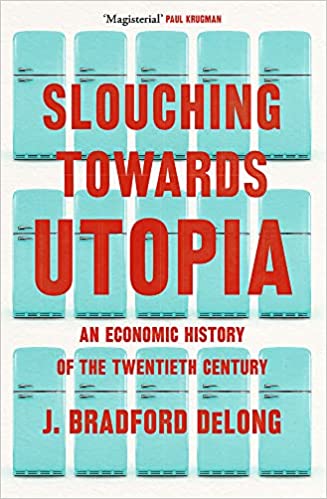
Slouching Towards Utopia: An Economic...

KShs3,500.00 KShs3,200.00
Before 1870, humanity lived in dire poverty, with a slow crawl of invention offset by a growing population. Then came a great shift: invention sprinted forward, doubling our technological capabilities each generation and utterly transforming the economy again and again. Our ancestors would have presumed we would have used such powers to build utopia. But it was not so. When 1870–2010 ended, the world instead saw global warming; economic depression, uncertainty, and inequality; and broad rejection of the status quo. Economist Brad DeLong's Slouching Towards Utopia tells the story of how this unprecedented explosion of material wealth occurred, how it transformed the globe, and why it failed to deliver us to utopia. Of remarkable breadth and ambition, it reveals the last century to have been less a march of progress than a slouch in the right direction.