Showing 1301–1320 of 1643 results

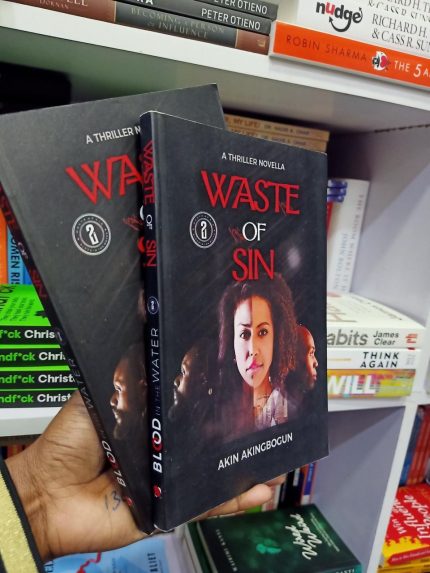
Waste of sin by Akin

KShs3,000.00 KShs2,500.00
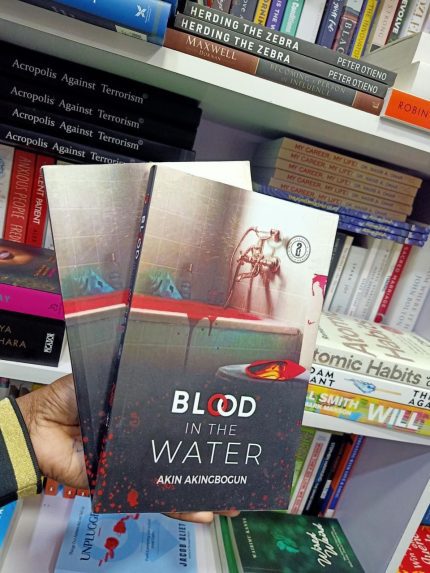
A 2-in-1 book (swipe for the second title) WASTE OF SIN "Two men, one woman and half', and a secret." Julia and Stephanie live in two different worlds but stem from a single past and are controlled by a medical condition; each woman springing up when the spells occur. Julia is just fine with her bland relationship with Danny. Stephanie is enlivened with her erotic affair with Alex. Danny knows about Stephanie and Julia, and Alex finds out shortly. But one revelation sets both me on the same mission: Alex to rescue Stephanie from Danny; Danny to rescue Julia from Alex. BLOOD IN THE WATER When two friends set out for an evening of mad fun to celebrate a small win, they had no idea how the night would turn. They decide to take two girls home, only for events to go awry. It was going to be the longest night of their lives-one that would change their lives forever. The two friends would soon learn that their pleasures are their ultimate weakness and undoing.

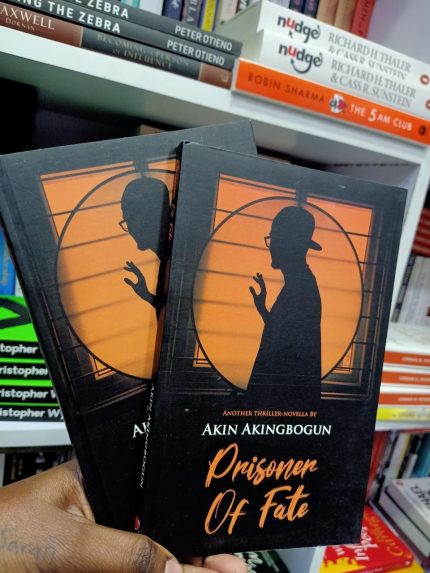
Prisoner of fate by Akin

KShs2,000.00 KShs1,500.00
Former investigative journalist, an aspiring author, and bored blogger, awakes one afternoon to a mystery that destabilizes him. His life takes a dramatic twist from then on as he struggles to find answers to unlock the mystery that has turned him into a prisoner of his mind. Until he uncovers it, he is bound to this newfound fate imposed on him. Will Benjamin succeed in his desperation to discover the missing puzzle and find the closure he so desires?

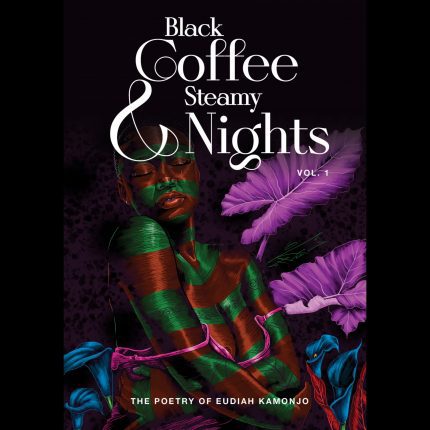
Black Coffee and Steamy Nights by Eud...

KShs2,500.00 KShs2,000.00

Black Coffee & Steamy Nights is a poetry collection that is bound to either touch a nerve or take you on a rompy adventure.

The collection is in full colour with beautiful artwork by Thufu B.

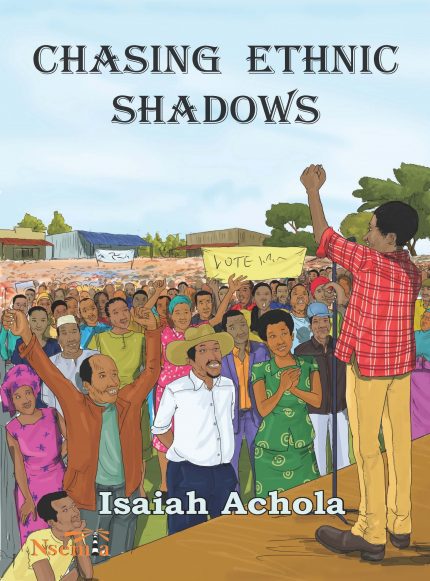
Chasing Ethnic Shadows

KShs1,800.00 KShs1,700.00
This is a gripping political story featuring two tribes; the Bandalo and Waleki communities in the wake of a political turmoil in a young African country. When Adena, a young woman who works her way through formal schooling and Munara, a police officer of high moral standing meet and fall in love, theirs is a thrilling love story. Amidst fights, lootings and violence, their worlds are fused into one. From two opposing ethnic communities, a glaring age gap, an intimidating class difference; can love withstand the political tension? Can their story bridge the ethnic differences between their respective communities? Can it cure the country from chaos?

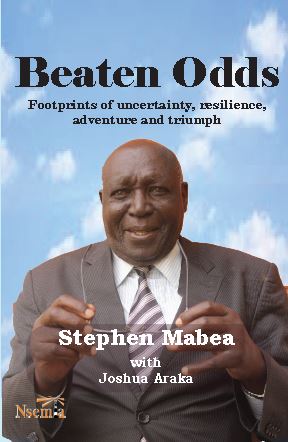
Beaten Odds: Footprints of uncertaint...

KShs1,600.00 KShs1,500.00
Stephen Mabea was born to newly converted Seventh Day Adventist (SDA parents as British missionaries made inroads into Western Kenya. With a life punctuated with challenges, Mabea's Christian upbringing, dedication to service and excellence saw him triumph at every turn. One of the first teachers from his locality in pre-independent Kenya, he focused on shaping and moulding the lives of young people. Hard work and creativity saw each of his schools record stellar performance. Many of his students went on to pursue successful careers across the country and elsewhere in the world. As a Staffing and Education Officer in Kisii and Siaya, he was central to implementing education programmes, improving teaching outcomes, streamlining teacher recruitment, and reforming the school equipment programme. Away from education, Mabea worked with fellow pyrethrum and tea farmers to get better returns for their sweat and toil. Discipline and dedication to service have been key guiding principles in his work as a teacher, an education administrator and community leader. He professes that success through hard work, resilience, honesty and determination is its own reward. Doing what is right, at the right time and in the right way is most gratifying, he adds. In retirement, Mabea spends time at his Borabu home farming, and serving the community and the church. They look up to him as a teacher, an advisor, mentor and a role model.

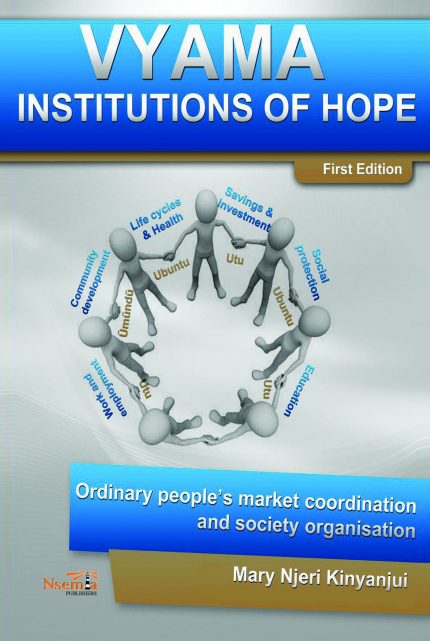
Vyama Institutions of Hope

KShs1,200.00 KShs1,000.00
This book makes the case for informal sector institutions in development theory. Through practical examples and interviews conducted in Kenya, the author captures how ordinary people organize themselves to meet daily economic and development challenges. The author traces how ordinary people (wananchi) use non-mainstream mechanisms in the form vyama (social groups) to enable individual, group and community development. The book offers insights into the evolution of vyama (institutions of hope) and the role these institutions continue to play in realizing economic growth: wealth creation and distribution; investments, social protection; and general community development. The work shows how, despite historical disruptions, modernization and neo-liberal policies, ordinary people creatively borrow from tradition. In the process, they use collective mechanisms for resource mobilization, investment, risk-sharing and shared gains for the common good. The author offers pointers into the future and how the chama concept can become mainstream in a people’s economic development. What others say “The analysis is rigorous. It is highly original, emotive, and an excellent piece of work. It makes a major contribution to our knowledge of the proto-proletariat and the informal sector in the developing world. - How the author beautifully weaves anecdotes from classical African novels into her analysis to reinforce her argument makes this work distinctive and unique.” - Professor MBK Darkoh, University of Botswana “This book is based on real life cases in an area that most scholars have not ventured into. It is a major addition of new findings in the body of knowledge. The presentation is clear, understandable and would appeal to most readers.” –Paul Kamau, PhD, Senior Research Fellow, University of Nairobi “The strength of this book is the way it has managed to present the lives of the ordinary people as not hopeless, but rather the base where future development for Africa could be emerging. The book starts from the grassroots and the development actions and innovations taking place there based on the needs as experienced by the ordinary people, rather than the technical fixes of development experts that follow the books rather than the actual needs of the people being developed.” – Professor Beth Maina Ahlberg, PhD, Professor of International Health, Uppsala University “This book demonstrates how ordinary citizens have discovered the power in tapping into social relations and are proactively solving their own socio-political and economic challenges. It calls for the incorporation of the ordinary citizen in development planning with a view of enabling them to receive value from and add value to the globalization and integration process. For anyone who is interested to see Africa play an important role in the global agenda, this is not a book to be ignored.” -- Josephat Juma, Managing Editor, The African Executive magazine.

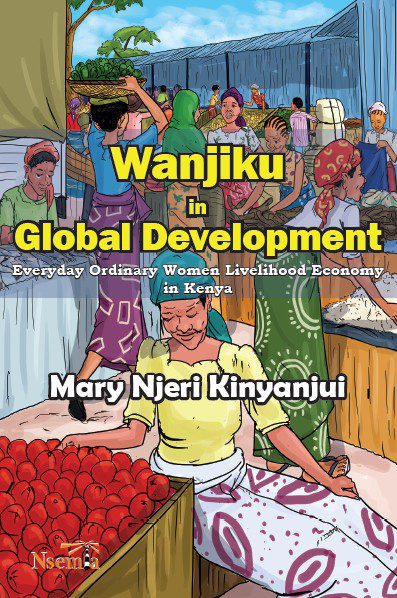
Wanjiku in Global Development

KShs1,400.00 KShs1,200.00
In Kenya, the name 'Wanjiku' epitomizes the ordinary person, the citizen, in the context of national socio-political and socio-economic discourse. The origins of the name are in the often heated national debates on political, economic, and rights-related issues where elite self-interest often takes precedence. Aligned with economic thinking from western schools of thought, the elite often acts without much attention to Wanjiku's daily challenges of survival or completely ignores her well-developed modes of survival as a demonstration of a sound system worth paying attention to. In Wanjiku in Global Development: Everyday Ordinary Women Livelihood Economy in Kenya, Kinyanjui captures Wanjiku's systematic approach to day-to-day activities that undergirded participants' and society's common good. Call it the Wanjiku Business Model. In the true spirit of Ubuntu, market women (Wanjiku) operate within a set of unwritten rules that assure optimization of collective good from interacting among themselves and with others. The Wanjiku Business Model is well illustrated through a number of case studies that further capture its sound basis. Kinyanjui presents a major lesson we can learn from Wanjiku, namely: life does not have to be about cutthroat competition, winners and losers!

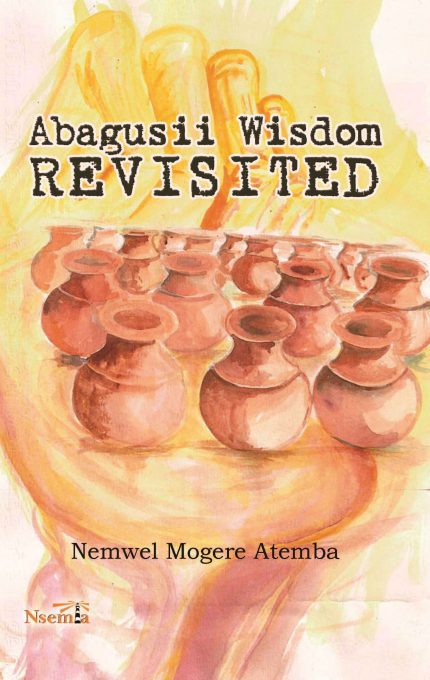
Abagusii Wisdom Revisited: Proverbs i...

KShs800.00 KShs700.00
Abagusii Wisdom Revisited is a collection of proverbs and metaphors in Ekegusii, one of the forty one languages spoken in Kenya. It includes naming conventions in the calendar, the traditional homestead, cattle (which were a symbol of wealth in traditional Gusii society), currency and traditional brew. The book captures wisdom told over generations and observations intertwined with profound meaning. In order to avail the work to a wider audience than Ekegusii readers and speakers, the author has attempted to put the necessary context, giving the English equivalent and, in some cases, using story-lines to establish the meaning. Here is an example: Abanda 'mbairokaine; Onchong’a agatama ekworo Kimaiga kayebwate: The rich revere/fear one another as in the case of Onchong’a who fled on noticing Kimaiga’s cloak. Storyline: Once there were two rich men who unknowingly met at the home of a beautiful girl, whom they both intended to woo. Mr. Onchong’a reported earlier. However, when Mr. Kimaiga also arrived for the same purpose, Mr. Onchonga, who was less wealthy, stealthily walked away without ado.

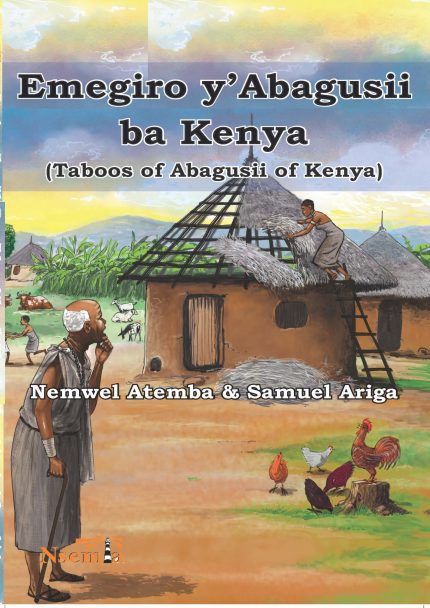
Taboos of Abagusii of Kenya

KShs1,000.00 KShs700.00
Emegiro y’Abagusii ba Kenya (Taboos of Abagusii of Kenya) documents taboos of the Abagusii and the role the taboos played, and continue to play, in that society. Authors assert that the taboos regulated society in all dimensions. A person breaking a taboo would face censure and/or punishment unless s/he was cleansed. Taboos have vital effect on a society’s conduct. They regulate relations and determine how the society utilizes its resources, among other things. They also protect society from dangerous persons such as criminals. Taboos demand obedience and are associated with rituals; they impose specific or restrictive behaviour, usually directed at avoiding danger, be it imminent or long-term. As captured in this book, taboos are social constitutions for, together with cultural laws, they regulate community conduct. Some taboos documented here may not be relevant today. However, they capture the context and hence the society of the time. They are of historical significance, many threads of which exist today.

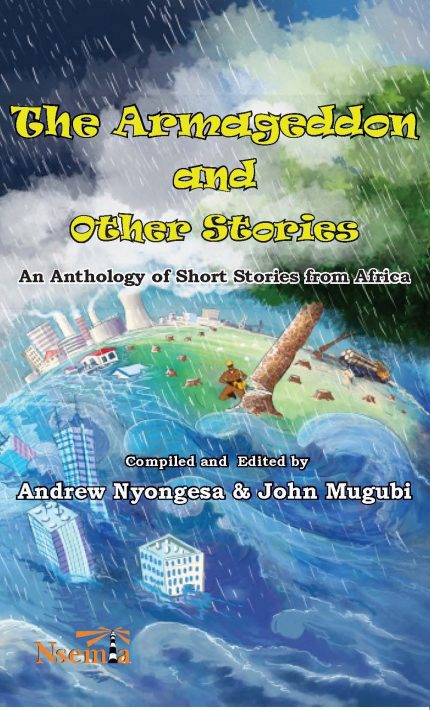
The Armageddon and Other Stories

KShs1,000.00 KShs700.00
The unpredictable weather patterns in Africa, the rise of earth's surface temperature, the melting of polar ice caps, rising of sea levels and the blazing wildfires in the Americas and Australia call for urgent action to conserve Mother Nature or risk Armageddon, the final destruction of the planet. This is the subject that runs through this compilation of stories to reiterate Wangari Maathai's assertion that the future of the planet concerns all of us and we should do what we can to protect it. It is the intention of debut and established authors of this anthology to perpetuate Maathai's legacy to avert Mother Natures' vengeance against humanity. The Armageddon and Other Stories, therefore, breaks away from conventional social and political themes on the African literary scene to depict the demerits of deforestation, pollution, logging, the relegation of climate change, and other concerns of ecocriticism. At the crux of the anthology is the argument that the tendency to use financial profits to measure the success of commercial institutions without considering their role in environmental conservation is misleading. - Andrew Nyongesa. Air, water, and earth are the basic amenities of life. Humans have constantly tampered with nature. Cyclical processes that nature has designed for resource conservation are fragrantly interfered with. As a result, the threat to life has been increased due to human activities in the environment. Some of these are air, water, and noise pollution; deforestation, blind industrialization, over-population; waste disposal, climate change, global warming, the greenhouse effect, and the imbalance established in the biosphere. The stories herein serve to spread environmental awareness in our society as well as in our daily routine life. It is necessary to save and protect our environment. - John Mugubi.

Say My Name and Other African Stories...

KShs1,200.00 KShs1,000.00
Cultural difference elicits both essentialist and hybrid conversations from diverse fields, particularly the humanities and social sciences. For Africa, essentialist voices, for instance, underscore the need to reject Western culture and return to the African ways of the past. In the 1956 conference of Black Writers, essentialists were represented by Aime Cessaire. In their view, the great Africa could only be founded on its past cultural ways. Ngugi wa Thiong’o and Obi Wale bolster Cessaire’s proposition in their defence of African languages with respect to the writing of African literature. In their opinion, writing African literature in European languages in tantamount to transmitting European values. Frantz Fanon, on the other hand, contented that Africa can only succeed through a mix of Western and African ways. Referring to Fanon, Homi Bhabha associates essentialist discourses with the politics of polarity. For him, the return to traditional culture is a recipe for cultural othering that could threaten national aspirations. It is in the backdrop of these divergent conversations that the stories in Say my Name and Other African Stories from Home and Away we selected. While Joy Chenyenyozi, Yvonne Wamuyu, Maurice Simbili, Virginia Asenath and James Nderitu stand for a cultural mix of what seems inevitable in Africa, Denis Waswa, Muruli Muhande, Imali Abala and Ann Namatasi Lutomia are concerned with representation of Africa’s lost past. Using autobiographical style, the authors capture among other things, the physical environment, childhood activities, initiation rites, parenting styles, dances, food, cherished values and other aspects that show the cultural diversity of the Kenyan populace.

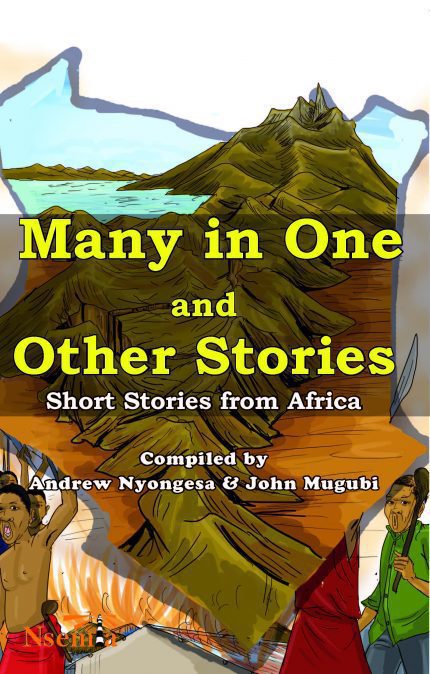
Many in One and Other Stories from Af...

KShs1,000.00 KShs600.00
Many in One and Other Stories is a convergence of stories by budding writers of both genders from diverse regions of Kenya. The anthology breaks the monotony of classical Kenyan writers and captures emerging voices on the Kenyan literary scene. This meticulous and careful selection has considered a range of subjects from post election violence, political animosity, national integration, greed, broken love and cultural alienation. Set in contemporary African settings with vivid characters, the stories seek to entertain, challenge, inform and chastise the readers. With precision of eye and word, the writers in this anthology make lucid their creative territories. Ingenious and original, this anthology of resonant, assured and gratifying stories comes from a true connection with lived places and experiences accruing there-from. All the writers treasure language and deftly use its resources of metaphor, voice and syntax to explore their worlds and offer readers new knowledge about their worlds. I trust that readers will find this anthology a sizzling good yarn bubbling with edutainment.

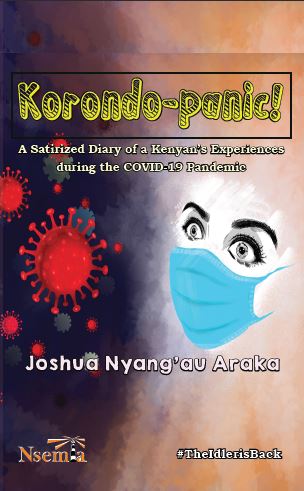
Korondo-Panic: A Satirized Diary of a...

KShs1,200.00 KShs1,000.00
“Articles in this book overflow with humour and thought provoking jokes. The way Araka twists and plays around with names of public figures, their actions and inactions, and blends it with the joys and disappointments of ‘ordinary’ citizens is on another level. The style is readable and appealing. The articles revolve around the novel Coronavirus disease. This is a time to be told and retold to present and future generations.” - Rose Kong’ani Keya, Book Editor and Teacher “The author has banked on wordplay to offer his contribution in chronicling a critical moment in our lives when COVID-19 threw the world into panic and confusion. The book tells of humanity’s inadequacies, hits and misses. Through his trademark satire, Araka shows that as human beings, we deserve better and can do better even when caught up in difficulties. - Edna, Gutenbergschule, Leipzig “Many occurrences happen in everyday life and can go unnoticed despite being significant. Araka is a gifted writer that makes such occurrences memorable through satire and humour. The themes in the articles including: political manipulations, exploitation, corruption, family relations, hypocrisy, traditions, and modern technology are well intertwined in the writer’s rich narrative style with vivid descriptions that capture the reader to achieve reading this collection in the shortest time possible. I recommend this collection to readers that wish to relive occurrences in their lives and surroundings in a laughable way.” - George Onkundi, Principal, Nyamira School. About the Author: Joshua Nyangau Araka is a journalist, creative writer and biographer. His other published works include: Peppered Path, Chronicles of the Idler-Volume One, and Beaten Odds, a Biography of Stephen Mabea.

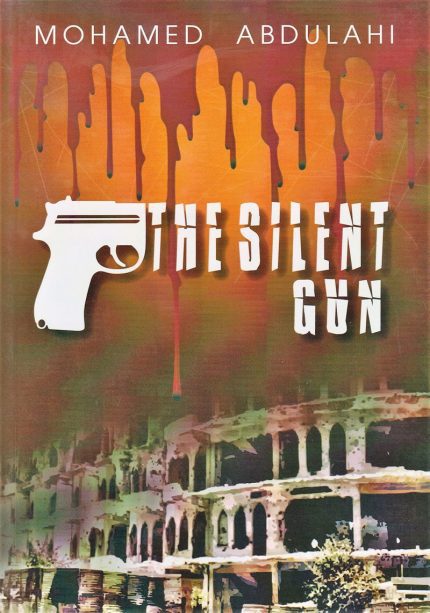
The Silent Gun by Mohamed Abdulahi

KShs1,200.00 KShs1,000.00
When drafting this book, | was like someone whose house was on fire, whose family members were living in that house including his/her mother, father, spouse and siblings with no fire extinguishers nearby. At the same time, family members who are inside the house are unaware of the fire incidents. And the people around the neighbourhoods are unable to see the burning houses. So, the combination of my house is on fire, my people being unaware inside the house, the lack of fire extinguisher and the neighbourhood being unable to see the burning house necessitated me to write up this book entitled “The Silent Gun”. Since people are unable to see and hear the problem in the Horn of Africa-the predominant Somali dwelling territories, I wanted to manifest the magnitude of the problem through extensive literature review, interview key informants and my own observations and life experiences. The book contains real stories, case studies and research findings from Somalia and around the world. Mohamed Abdulahi was born in 1979 in East Africa and lived there the majority of his life. Having studied neaceandConflict Resolution, Abdulahi became a peace activist who is working at national and regional levels for peace. He considers himself as a peace ambassador and strongly believes peace will only come through responsible actions and forgiveness. He is the author of several books where he focuses on the foundations required for peace to be established for his people in East Africa. Mohamed Abdulahi hopes that by highlighting these )silent) problems that many do not realize are there, he can help inspire and empower others to seek to establish greater peace on this earth
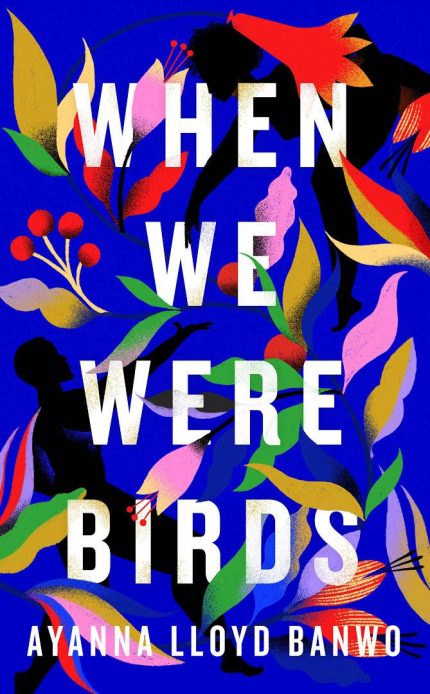
When We Were Birds by Ayanna Lloyd Banwo

KShs2,000.00 KShs1,790.00
You were never the smartest child, but even you should know that when a dead woman offers you a cigarette, the polite thing to do would be to take it. Especially when that dead woman is your mother. The St. Bernard women have lived in Morne Marie, the house on top of a hill outside Port Angeles, for generations. Built from the ashes of a plantation that enslaved their ancestors, it has come to shelter a lineage that is bonded by much more than blood. One woman in each generation of St. Bernards is responsible for the passage of the city's souls into the afterlife. But Yejide's relationship with her mother, Petronella, has always been contorted by anger and neglect, which Petronella stubbornly carries to her death bed, leaving Yejide unprepared to fulfill her destiny. Raised in the countryside by a devout Rastafarian mother, Darwin has always abided by the religious commandment not to interact with death. He has never been to a funeral, much less seen a dead body. But when his ailing mother can no longer work and the only job he can find is grave digging, he must betray the life she built for him in order to provide for them both. Newly shorn of his dreadlocks and his past and determined to prove himself, Darwin finds himself adrift in a city electric with possibility and danger. Yejide and Darwin will meet inside the gates of Fidelis, Port Angeles's largest and oldest cemetery, where the dead lie uneasy in their graves and a reckoning with fate beckons them both. A masterwork of lush imagination and immersive lyricism, When We Were Birds is a spellbinding novel about inheritance, loss, and love's seismic power to heal.
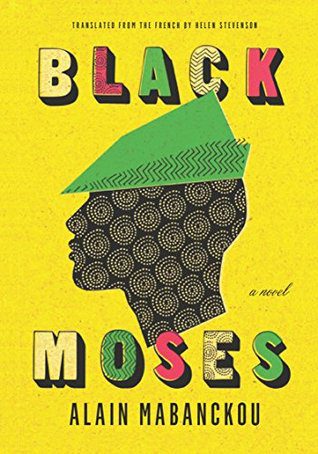
Black Moses by Alain Mabanckou

KShs2,190.00 KShs1,890.00
It's not easy being Tokumisa Nzambe po Mose yamoyindo abotami namboka ya Bakoko. There's that long name of his for a start, which means, "Let us thank God, the black Moses is born on the lands of the ancestors." Most people just call him Moses. Then there's the orphanage where he lives, run by a malicious political stooge, Dieudonne Ngoulmoumako, and where he's terrorized by two fellow orphans--the twins Songi-Songi and Tala-Tala. But after Moses exacts revenge on the twins by lacing their food with hot pepper, the twins take Moses under their wing, escape the orphanage, and move to the bustling port town of Pointe-Noire, where they form a gang that survives on petty theft. What follows is a funny, moving, larger-than-life tale that chronicles Moses's ultimately tragic journey through the Pointe-Noire underworld and the politically repressive world of Congo-Brazzaville in the 1970s and 80s. Mabanckou's vivid portrayal of Moses's mental collapse echoes the work of Hugo, Dickens, and Brian DePalma's Scarface, confirming Mabanckou's status as one of our great storytellers. Black Moses is a vital new extension of his cycle of Pointe-Noire novels that stand out as one of the grandest, funniest, fictional projects of our time.

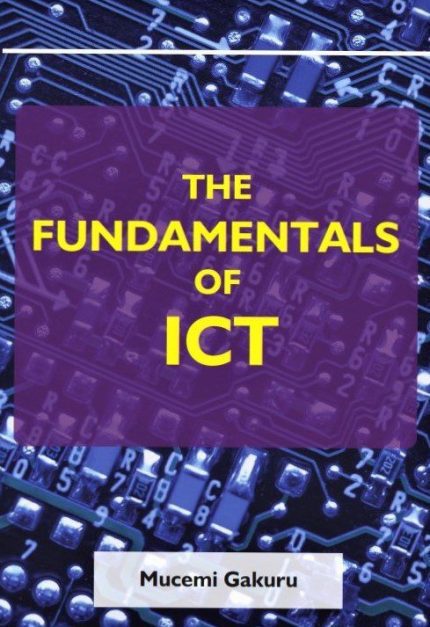
The fundamentals of ICT by Mucemi Gakuru

KShs1,600.00 KShs1,500.00
This book discusses the various ICT systems and the underlying technologies comprehensively, albeit not in a detailed manner, to make users and potential developers of ICT products appreciate the scope of ICT and what it involves. It is not intended for advanced ICT practitioners but may serve them as a reference text and generally assist in expanding the readers’ scope of knowledge. Depending on their strengths, the book will be of great use to all users in the ICT arena, including but not limited to students in high schools, tertiary institutions and institutions of higher learning.

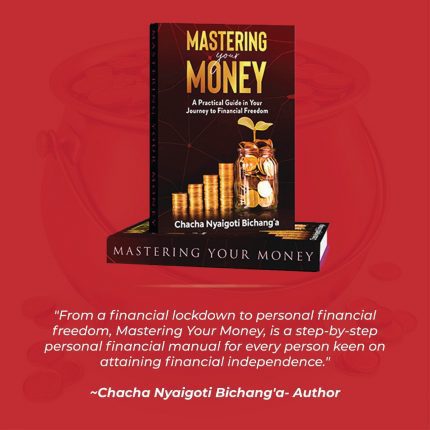
Mastering your money by Chacha Nyaigo...

KShs1,700.00 KShs1,500.00
Mastering Your Money is a timely financial guide that every person needs in the quest to attain personal financial freedom. This manual demystifies the concept of money, helps you to improve the way you relate with money, examines the main causes and possible remedies of your financial problems, provides essential skills on how to cope with disasters like Covid-19 and challenges you on how to budget, save, invest ad protect your assets.

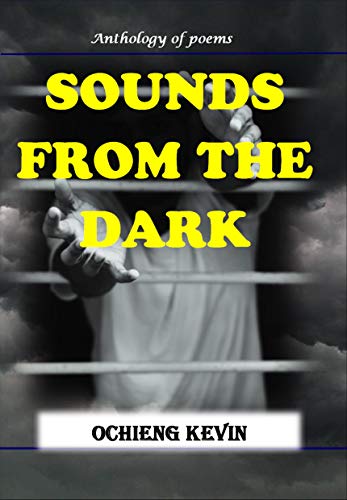
Sounds from the Dark

KShs700.00 KShs550.00
Sounds From The Dark is a collection of poems written with the motive to thrush out the ill-motivated leaders as we start the revolution from within. Our environment is a major gift from the almighty to sustain our living then we destroy our habitat are we not insane? Not only for revolution but also for love as a major part of our coexistence, many poems in Sound From The Dark share the feelings of love among friends.

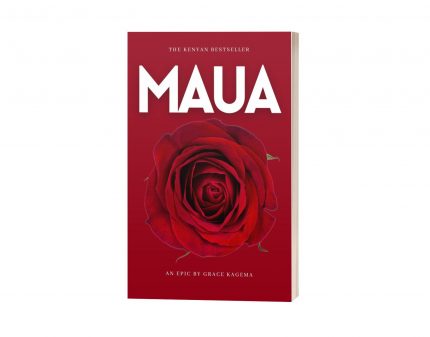
Maua by Grace Kagema

KShs2,000.00 KShs1,500.00
MauaTheNovel is an epic story of a young ambitious man who yearns to break the chains that hold him back from achieving a life he had only dreamt of. Amid misfortunes and with nothing to his name, Karani, must step up and feed his hunger for success. But can he do it? How much inner strength will he need to overcome the challenges ahead? What choices will he face? Will he emerge a winner? This story is written in English. The setting is in Africa where the reader travels through a maze of hope, tragedy, traditions, modernity, resilience and love through the protagonist eye.