Showing 721–740 of 23001 results

Understanding and Nurturing Your Child

KShs1,500.00
Understanding and Nurturing Your Child is a practical and insightful guide for parents, caregivers, and anyone involved in raising children. Through real-life parenting principles and professional guidance, Anne K. Mwangi helps readers understand their child's emotional, social, and developmental needs. This book equips parents with tools to build stronger relationships, improve communication, nurture positive behavior, and raise confident, resilient children in today's changing world.

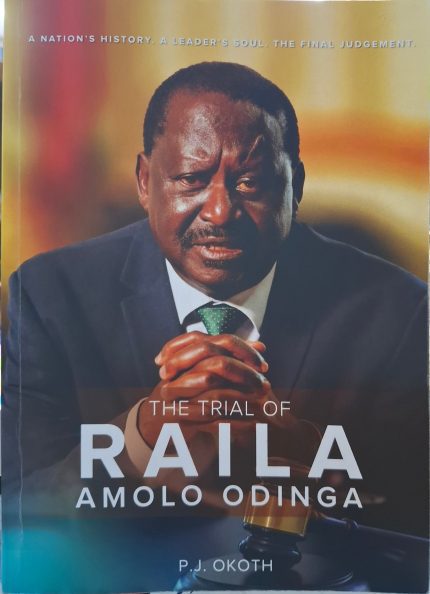
The Trial of Raila Amolo Odinga by Ok...

KShs2,500.00 KShs2,250.00
A speculative fiction that places former Kenyan Prime Minister Raila Amolo Odinga on trial in a celestial courtroom. The book weaves Kenya's turbulent political history with divine judgment, exploring the moral complexity of resistance, the costs of leadership, and whether a leader should be judged by his failures or by the hope he inspired. Drawing on the tradition of Ali Mazrui's The Trial of Christopher Okigbo, Rider Haggard's ancestral spiritualism from his book Montezuma’s Daughter, the Book of Enoch, and Kenya's own intellectual heritage, the work bridges the hard ground of history with the speculative sky of myth. It is also deeply personal - born from the author's exhaustion with earthly politics and his journey from public health administration to writing. The Origin: A Whisper in the Night The book was conceived in October 2020, during a moment of profound weariness. The author, a dental surgeon and hospital CEO, was bent over hospital plans while his wife observed: "You grow thin. You barely touch my food. You don't sleep. And you look sad and stressed." The endless night hours reviewing systems, writing blueprints, only to have operational chaos and political constraints shred them before dawn—"public service" had become a theater of constraints. His predecessor had chosen him as deputy not for lineage or loyalty, but for his willingness to build. Together and in their individual styles fought political interference, the erosion of institutional autonomy, and the relentless pressure to compromise professional standards. He witnessed boards, informal media, and an unhinged gatekeeper used as inquisitions, data-free accusations of "inefficiency," and the manufacturing of narratives to remove competent workers and leaders. The weight of it all - the fight to keep "jungle medicine" out of modern care, the exhausting battle to protect the radiotherapy project a renowned medical Professor had birthed, the noble vision of a sickle cell institute reduced to public relations, the bruising fights—finally broke him. Fearing for his mental health, he decided to step down. And in that space between exhaustion and liberation, the book was born: "I want to write a book. The Trial of Raila Amolo Odinga. To be tried in heaven, outside the compromised consciousness of the world." Part One: The Earthly Crucible Traces Raila's formation through personal and political trials: denied baptism at Maseno (1945), passport refusal (1962), education in East Germany, family bankruptcy, brother's suicide (1975), public shaming of his family (1978), torture and detention in Nyayo House (1982), mother's death while imprisoned, wife's eviction (1988), and the loss of his firstborn son Fidel. Despite these scars, he emerges as a visionary architect: building NDP, merging with KANU's "Rainbow Coalition," creating ODM, championing the "No" vote against the 2005 Draft Constitution, delivering the 2010 Constitution as Prime Minister, establishing Devolution (47 counties), and executing controversial "Handshakes" with Presidents Kenyatta and Ruto. Introduces Tom Mboya - the brilliant technocrat whose 1969 assassination by Nahashon Njenga represents Kenya's "original sin"—and Njenga himself, a man reduced to a single infamous act. Raila's death is strategic: he commands a 72-hour burial to prevent his funeral from becoming a political battlefield. Part Two: The Celestial Summons The Council of Principalities debates how to judge Raila's soul. Uriel proposes an unprecedented solution: let Tom Mboya prosecute (arguing the case for rational institution-building) and let Nahashon Njenga defend (arguing the context of desperate struggle). The structure echoes Mazrui's Trial of Christopher Okigbo—putting a figure in a cosmic dock where the verdict matters less than the questions the trial compels. The celestial setting, inspired by the Book of Enoch and the Book of Adam and Eve (introduced to the author by a doctor friend), creates an Empyrean Court where ancestors and angels debate. From Haggard's Montezuma's Daughter, the author absorbed the lesson that the dead do not simply die—they journey, testify, and wait on the shores of the living to be summoned. Like Haggard the author used his story to tell the history of Kenya. Part Three: The Trial Archangel Michael presides. Charges: (1) cultivating perpetual agitation, (2) engaging in Faustian bargains, (3) failing to build enduring institutions, (4) raising hopes without delivering. Raila pleads not guilty. Prosecution witnesses include: the Ghost of 2007 (violence's collateral damage), the Spirit of the 2010 Constitution (used as cudgel, not covenant), a Luo Youth (hope without prosperity), Kalonzo Musyoka (loyal critic), the Spirit of Internal Party Democracy (top-down rule via Councils of Elders), Charles Njonjo (system's hypocrisy exposed), Mirugi Kariuki (tribal survival over principle), Peter Okondo (system's fatal finality), and the Essence of Economic Stability. Defense witnesses include: Jaramogi (unjust system requires defiance), the Second Liberation (Raila as midwife), ODM as liberation vehicle, Dedan Kimathi (same war against oppression), Ronald Ngala (fulfiller of suppressed vision), Wangari Maathai (disruption as biological necessity), Bishop Muge (fellow truth-teller), Ali Mazrui ("performance artist of resistance"), and William Ochieng' (cautionary critique). These intellectual influences reflect the author's engagement with Kenya's scholarly tradition—Ochieng's forensic clarity, Mazrui's global synthesis, Taban's cultural diagnostics, Okot's metaphysical poetry, Mbaja's material witness, and Odhiambo's archival conscience. Part Four: The Verdict Before the verdict, a symphonic dissent erupts: Taban Lo Liyong accuses the court of “Western metaphysical imperialism”; Okot p'Bitek reframes Raila as a “geological event”—son of the Lake Goddess and Sun God; Luo and Luhya elders demand translation, not verdict. The nyatiti and eskuti rhythms fuse, creating a poly-rhythmic argument that challenges the court's epistemology. Michael integrates the dissent: "The objections are not overruled. They are absorbed into the court's new mandate." Mzee Francis Okoth Abuje (the author's father) testifies: "My vote was for the fragment of a dream he carried... conflicted loyalty was the purest form of patriotism." The Waiting Gallery: Kenyan presidents (Kenyatta, Moi, Kibaki, Uhuru, Ruto) watch silently, awaiting their own tribunals. The Judgment: · Raila: Not guilty of instigating violence; guilty of hypocrisy with context; not guilty of failing his destiny. Granted passage into light. · The Kenyan State: Guilty of structural violence, economic exclusion, political assassination, and perpetuating a system rewarding tribe over talent. Raila reflects: "I did not create the mountain. I simply refused to pretend it was not there." Part Five: The Author's Trial The author himself is tried by the intellectuals he summoned: · Taban Lo Liyong: Accuses him of "narrative imperialism"—trading jazz for symphony · William Ochieng': Accuses him of romanticizing history—"History is not a quarry for your metaphors. It is a graveyard." · Ali Mazrui: Says he forgot the global context—"He was one note in a global symphony of resistance" · Oyangi Mbaja: Confronts him in a Nyayo House cell—"You made a meal of our pain and called it literature" · Okot p'Bitek: Challenges his right to speak for the nyatiti—"You have cited the instrument. You have not played it." · Atieno Odhiambo: Offers the kindest diagnosis—"This book is not arrogance. It is haunting. The haunting of a boy who loved literature and was told to choose practicality." The critics offer a choice: write their rebuttals or leave a blank page. Okoth chooses the blank page—an invitation for readers to complete the story with their own truths. The Afterword: A Confession The author reveals the book's deeply personal origins: The Haunting of Abandoned Passion: "You did literature only up to Form Three. You dropped it because the sciences consumed your list of subjects. You sacrificed your passion for a profession. You wanted to take history alongside your sciences at A-level, but they rejected it. Unusual combination, they said. Not practical. Not viable. So you became a dentist. A good one. A public health specialist. A hospital administrator. You built systems. You saved lives. You served. But the ghost of that abandoned passion never left you." The Hospital as Battlefield: As Medical Superintendent of Naivasha Hospital during the 2007/08 post-election violence, the author treated the burned and broken jaws—Luo men with machete wounds while police watched from armored vehicles. He authorized the storage of 47 unclaimed bodies in the hospital mortuary. He was simultaneously a bureaucrat and prey—treating Raila's supporters while being marked as a supporter himself. The system he served was hunting him indirectly as a dissident. When the heat became too much, he did what many did: he left. Naivasha to Kisumu. Displacement as diagnosis. The Theological Critique: Mbaja challenges the author's "Waiting Gallery" for presidents—"Tell me: is this divine justice or celestial class privilege? On earth, the poor face instant judgement—in your heaven, the powerful get appointments. The same impunity that protected them in State House now protects them in your Empyrean... You accuse Raila of political compromise, yet your own heaven practices the ultimate compromise: admitting presidential guilt while postponing its consequences indefinitely." The Final Reckoning: The author acknowledges his influences—Mazrui's cosmic courtroom, Haggard's ancestral visitations, the intellectual traditions of Kenya—and thanks those who guided him: Dr. Jacton Omoto (whose relentless commitment moved him from intention to action), Dr. Kennedy Otieno (who introduced him to the Book of Enoch), and his wife Monica (whose deepening spiritual journey showed him the veil between worlds is thinner than materialism admits). Conclusion The book ends with a grey stone on the author's desk—worn by water and time—and a blank page for readers. The author's final words: "I left it there for you—for your father's name, for your scream, for the silence that follows violence, for the story that no archive recorded." He invites readers to fill the blank page with their own truths, noting that the book now belongs to the silences it created, the conversations it started, and the memories it made space for. Key Themes · Blueprint vs. Battlefield: Mboya's rational institution-building vs. Raila's defiant struggle · Tribalism vs. Nationhood: Whether Raila transcended or reinforced ethnic divisions · Institutional Failure: Personality cult vs. necessary wartime cohesion · Divine vs. Earthly Justice: The search for judgment beyond compromised institutions · Who Gets to Tell the Story: Citation vs. belonging; the ethics of representation · The Haunting of Abandoned Passion: The author's journey from a boy who loved humanities to a dentist who writes—and the ghost of that abandoned passion demanding to be fed · The Collateral Damage of Struggle: The author's lived experience as a hospital administrator during the 2007/08 violence—treating the wounded while the state watched · Celestial Class Privilege: The critique that even in heaven, the powerful get deferred judgments while the poor face instant reckoning The verdict: Raila's soul is burdened but justified; the Kenyan State is guilty; and the reader is invited to complete the story with their own truth. The book stands as a long letter from the shores of a story—a story that belongs to Kenya, but held gently enough to pass on. It is also a confession: the author did not write this book to try Raila. He wrote it to try himself. To see if the boy who loved literature still lives. To see if the page can hold not just the names of the forgotten dead, but the name of the forgotten self.

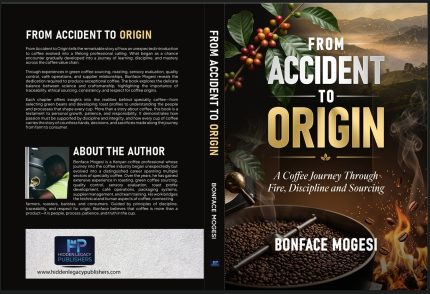
From Accident to Origin

KShs900.00 KShs750.00
From Accident to Origin tells the remarkable story of how an unexpected introduction to coffee evolved into a lifelong professional

Beyond Viral by Gichuki Jonia

KShs2,800.00 KShs2,600.00
Kenya is breaking … After a wave of disappearances, abductions, and brutal crackdowns on young protesters, the country is learning a terrifying truth: some governments fear their youth more than their enemies. When Emily Kirui, an activist, dreamer, sister — is abducted and murdered, the official story arrives quickly: criminal networks, bad company, unfortunate circumstances. Her sister doesn’t believe a word of it … Angie Kirui is a lawyer with a military upbringing, a mind built for strategy, and grief sharp enough to split a life in half. When the justice system fails, she turns to something older and more dangerous: vengeance. One politician falls … Then another target emerges. But revenge has consequences. Inside Kenya’s intelligence system, Trevor Thiong’o is already drowning in the machinery of a government spiraling toward paranoia — foreign influence operations, covert surveillance, cyber manipulation, and a security state increasingly willing to turn its weapons inward. As the country edges toward unrest, Angie and Trevor are pulled into a collision course neither of them sees coming. Because some wounds don’t heal. They radicalize. And some nations don’t collapse all at once. They bleed. A razor-sharp political thriller about grief, power, corruption, and the terrifying cost of justice in a country at war with itself.

7 Powerful Keys to Unlocking the life...

KShs1,200.00
Using characters like Peter, Joseph, Daniel, I have been able to show how God partnered with certain characters to do exploits. You might be hoping to do things first in your bloodline, and just as Christ partnered with them, He is willing to partner with us when we walk in total obedience and surrender to Him.

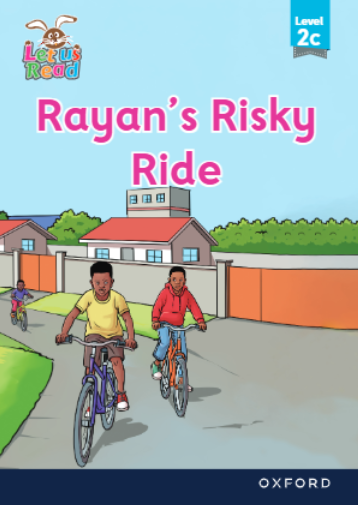
Rayan’s Risky Ride -2c

KShs235.00
Rayan goes out to ride his bicycle. He follows older boys who lead him into trouble. When one of the boys has an accident, Rayan stays to help even though he is scared. Let Us Read is a carefully graded reading scheme that helps learners of different abilities practice the language skills learnt in the main course. The learners will have an exciting time reading for pleasure as well as for language practice.

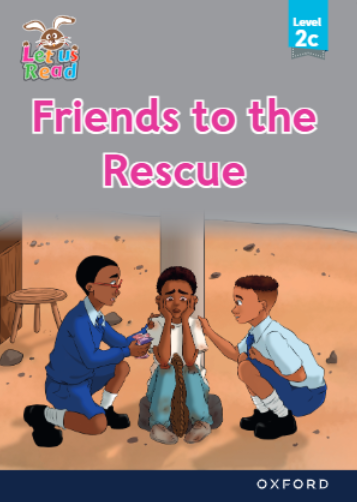
Friends to the Rescue -2c

KShs235.00
When Hawi and Joni meet Juma, a boy their age working on the streets, they decide to help. Their kindness sparks a chain of change. Let Us Read is a carefully graded reading scheme that helps learners of different abilities practice the language skills learnt in the main course. The learners will have an exciting time reading for pleasure as well as for language practice.

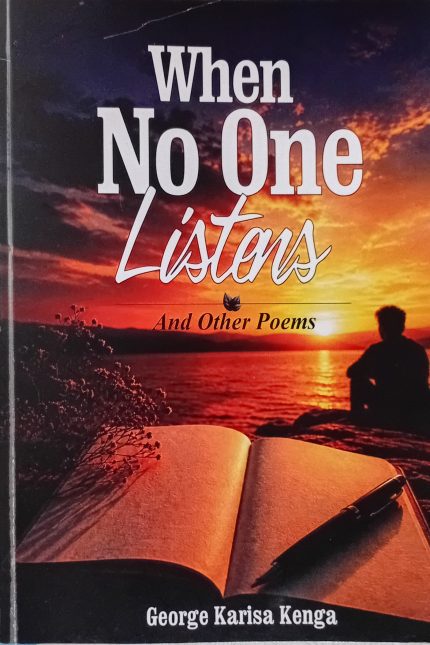
When No One Listens And Other Poems

KShs350.00
A poetry collection featuring soulful and philosophical deep emotions of war, love and reflections at both personal and communal level.

Beautifully Broken

KShs890.00
Christina Wanjala Mwaura is a born-again Christian, wife, mother, and minister of the Gospel. A communications specialist with a degree from Maseno University, she passionately mentors pre-teens and young adults through teaching, discipleship, and camps. Raised in a strong Christian home, her journey includes a powerful story of redemption after drifting during her youth. Today, Christina is devoted to equipping the next generation to embrace their God-given identity and purpose. _Beautifully Broken_ reflects her heart—to lead others from brokenness into divine destiny. Synopsis In a fast-paced world that demands so much yet offers little empathy for one’s struggles, it’s easy to feel lost, overwhelmed, or disconnected from your God-given purpose. _Beautifully Broken_ is a compelling and compassionate book written especially for young adults navigating identity crises, childhood trauma, and the limitations imposed by life’s challenges. Through the lens of powerful Biblical stories, Christina Wanjala Mwaura unearths stories of overlooked, wounded, and unlikely heroes—drawing out timeless lessons that speak directly to the heart of today’s generation. Each chapter offers hope, healing, and purpose for those who feel broken but long to be made whole in Christ.

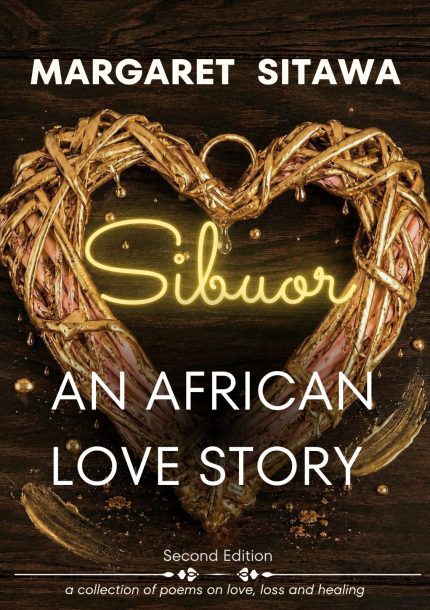
Sibuor; An African Love Story

KShs1,500.00
  • Sibuor; An African Love Story is a heartfelt collection of poetry exploring love, healing, and self-discovery. Through intimate poems, reflective notes, and reader prompts, it invites readers to experience, and begin again.

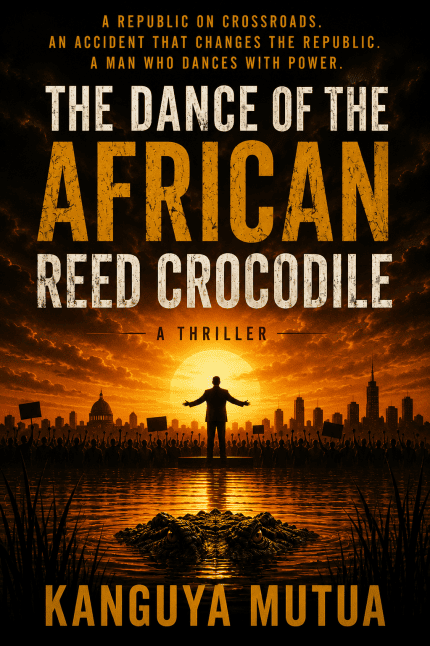
THE DANCE OF THE AFRICAN REED CROCODI...

KShs650.00 KShs550.00
The Dance of the African Reed Crocodile is a gripping political thriller set in the fictional Republic of Nyika. When an ordinary university lecturer challenges a nation built on corruption and inequality, he ignites a movement that shakes the foundations of power. As hope rises and danger closes in, one man must decide whether the price of truth is worth paying.

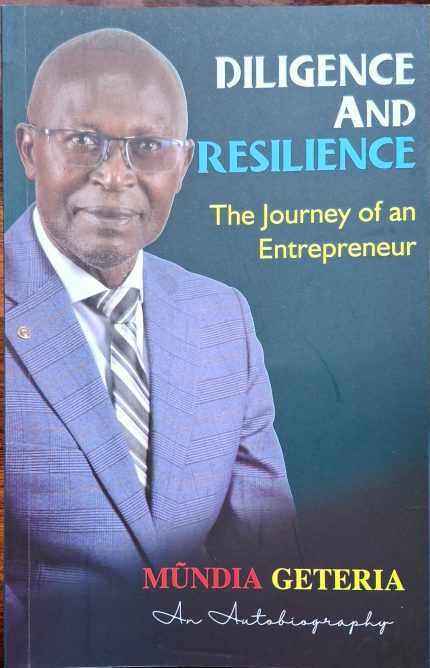
Diligence and Resilience The Journey ...

KShs2,800.00
The author reflects on a rich and eventful life, shaped by personal and professional challenges. He tells the story to leave a legacy and offer his his perspective on various life challenges.

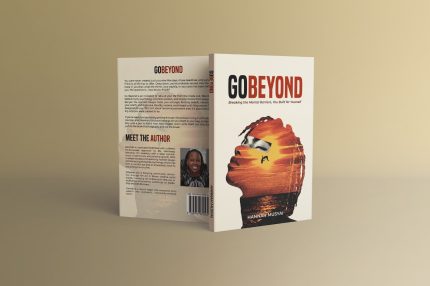
Go Beyond By Hannah Musyai

KShs1,800.00 KShs1,500.00

Go Beyond is not just a book on purpose, calling and Christian walk, but it's also a psychological workbook. The author shares real stories, her life experiences and solutions she has found to work from her Psychology study background. If you are in a restructuring journey, if you enjoy an authentic read and want to walk a journey to challenge yourself Beyond the limits and mental barriers that have always constrained you, then this is for you. Enjoy as Go Beyond gives you the chance to sit with your thoughts and helps you reclaim back your purpose.

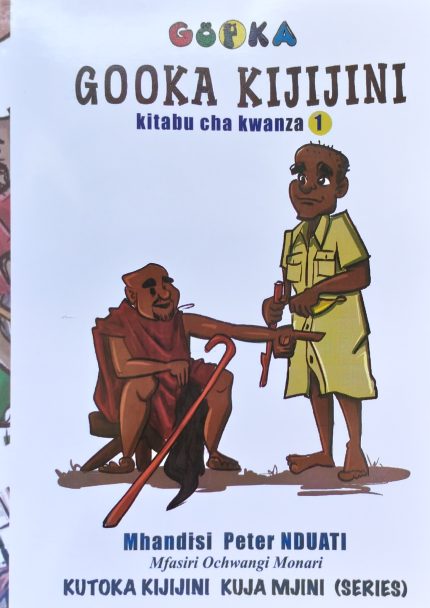
Gooka Kijijini: Kitabu Cha 1 na Mhand...

KShs600.00
Kwa vile lugha ya Kiswahili ndiyo inayozungumzwa zaidi katika Afrika ya Mashariki na kati, mwandishi aliona ni vyema kitabu chake 'Gooka From Kijiji to Mjini' kitafsiriwe kwa lugha hii ili ujumbe wake uwafikie wengi. "GOOKA Kutoka Kijijini Kuja Mjini: Kitabu 1: "Gooka Kijijini ni toleo la kwanza katika mfululizo wa vitabu vilivyotafsiriwa kutoka kwa kitabu hicho. Kitabu hiki ni muhstasari wa historia ya maisha yangu huko kijijini kati ya mwaka wa 1950 na 1960. Kitabuni kuna visa na matukio katika maisha yangu, hadithi zilizotambiwa watoto vijijini, ngoma zilizochezwa na mawaidha ya usalama barabarani.

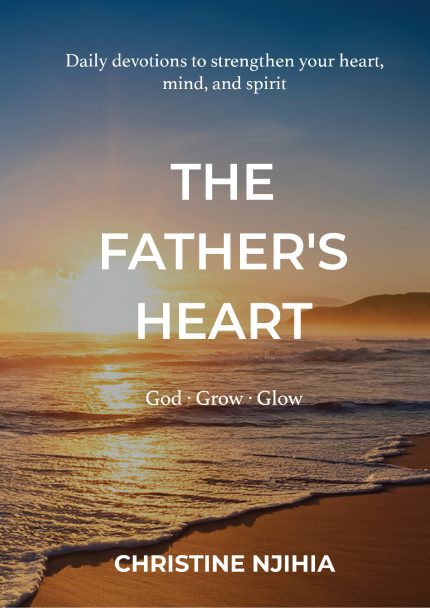
THE FATHER’S HEART by Christine...

KShs1,000.00 KShs900.00
In the quiet corners of our lives, amidst the clamor of daily routines and the weight of worldly concerns, there exists a deep yearning for connection; a connection with something greater than ourselves. It is in these moments of reflection, when we seek solace and guidance, that the whispers of God can be heard most clearly. This book, The Father’s Heart, is born from that very yearning.

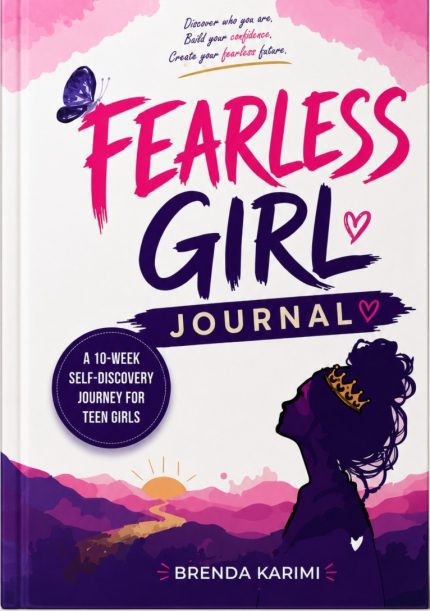
The Fearless Girl Journal

KShs2,500.00 KShs2,200.00

Every parent wants their daughter to grow into a confident, emotionally healthy, and purposeful young woman. The Fearless Girl Journal was created to help make that journey possible.

The Fearless Girl Journal is a beautifully guided 10-week journey designed to help teenage girls understand themselves, manage emotions, build healthy confidence, strengthen friendships, and discover purpose.

Created by international girls' coach Brenda Karimi after years of working with thousands of girls worldwide, this journal is more than a book—it is a practical transformation tool.


Suitable for girls aged 13–19.

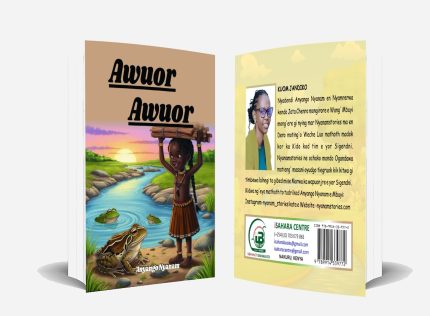
Awuor Awuor by Anyango Nyanam, A Luo ...

KShs1,050.00 KShs750.00
Everyone wanted to marry Awuor Awuor, but no one could pass her clever test. Then came Ochilo. Handsome, charming, and seemingly wise, he succeeds where every other suitor has failed. Certain she has found the man of her dreams, Awuor Awuor leaves behind the only home she has ever known and begins the journey to her husband's village. But Ochilo has a terrifying secret. His success was built on deception, and the man she married is not who he appears to be. As the truth unfolds, Awuor Awuor finds herself trapped in a strange and dangerous world where nothing is as it seems. Far from her family and surrounded by enemies, she must rely on her wit, courage, and determination to survive. Will Awuor Awuor outsmart the darkness that awaits her, or will the strange land claim yet another victim? Rooted in the rich oral storytelling traditions of the Luo people, Awuor Awuor is a captivating tale of love, deception, resilience, and the triumph of courage over fear. Narrated in simple Dholuo, it helps readers connect with their roots, appreciate their culture, and discover the timeless values passed down through generations. Perfect for children from the age of 6 years, parents, teachers, and anyone passionate about learning the Luo language, and preserving African stories and cultural identity. Awuor Awuor is more than a story, it's a connection to our roots.

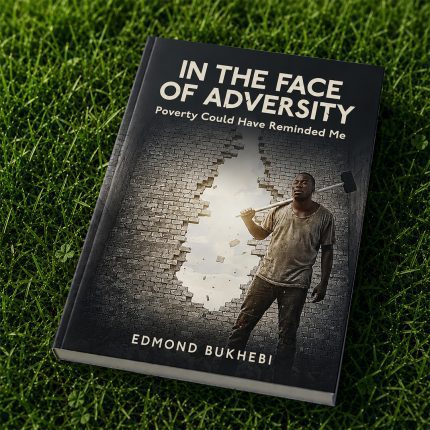
In the Face of Adversity by Edmond Bu...

KShs1,200.00 KShs1,000.00
"In the Face of Adversity," is not a celebration of suffering, nor is it an attempt to decorate poverty with poetic language. It is a confrontation with a reality that has silently crippled dreams, distorted vision, and imprisoned generations within cycles of limitation. Poverty does not merely empty the pocket; it attacks the mind. It narrows possibilities, suffocates creativity, and convinces people that survival is the highest level of existence they can attain. Many people never fail because they lack potential; they fail because poverty blinds them from seeing beyond their present condition. It creates a mental cage where fear replaces faith, hopelessness replaces ambition, and misery becomes normalized. When options are few, vision becomes clouded. When opportunities are absent, even purpose begins to look like an illusion. This book exposes the hidden psychological, emotional, and spiritual warfare behind poverty and challenges the dangerous culture of romanticizing struggle while ignoring its destructive consequences. Yet beyond the pain lies a deeper truth: adversity was never meant to bury greatness. Sometimes the very battles meant to break a person become the birthplace of resilience, wisdom, and transformation. Through raw reflection, personal insight, and spiritual conviction, I invite readers to rise above inherited limitations, confront the poverty mentality, and rediscover the power of purpose, discipline, vision, and faith. The Scriptures declare in Proverbs 29:18, “Where there is no vision, the people perish.” Vision is more than sight; it is the ability to imagine a future greater than present suffering. Poverty often destroys this vision first, long before it destroys dreams. But this book stands as a reminder that no condition is permanent, and no background is powerful enough to cancel destiny when purpose is awakened. Within these pages, readers will encounter uncomfortable truths, honest reflections, and a call to break free from the mental and spiritual patterns that keep many trapped in cycles of defeat. This is a book for the dreamer who has almost given up, the builder struggling under pressure, the believer wrestling with uncertainty, and every soul determined to find meaning beyond pain. In the Face of Adversity is ultimately a declaration that adversity may shape the journey, but it should never define the destination.

Price Of A Baby by Badru Mulisike

KShs650.00 KShs500.00
Price of a Baby beautifully captures the sweet, literal-minded innocence of childhood. Filled with vibrant energy and relatable family warmth, this engaging story is perfect for young readers navigating the anticipation, confusion, and ultimate joy of welcoming a new sibling to the family.

Sifuna by Dora Okeyo

KShs1,000.00 KShs650.00
It's been 22 years since his Father was assassinated. Baoya, now in his mid-thirties decides to vie for a Senatorial position in the upcoming elections in his county. His decision and plan of action is backed by his childhood friend Sifuna. His actions spur a media frenzy on speculations as to what led to his Father's assassination.