Deeply personal and unfiltered.
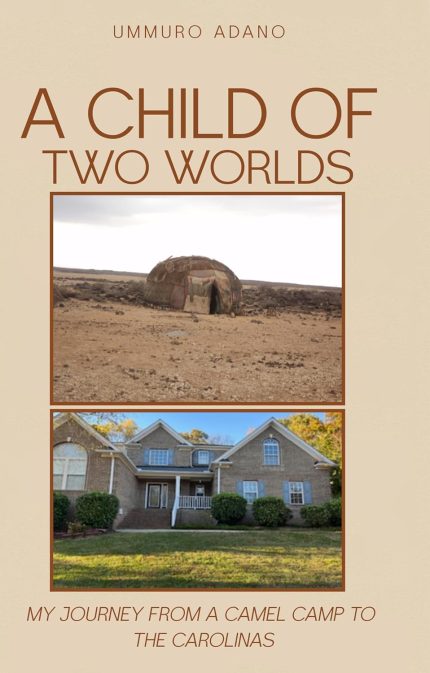
A Child of Two Worlds is a love letter to a fading way of life while navigating a tumultuous new world.
This memoir is not just a life story; it’s a meditation on what makes a life meaningful. There’s a sincerity in the way Ummuro shares even the most painful or vulnerable parts of his life. Whether it’s the sanitary discomfort of a boarding school latrine or the haunting quiet of a desert storm, the reader is pulled into each moment. The writing does not beg sympathy, it seeks understanding. As the narrative is structured as a message to the author’s sons—who are growing up in a contemporary Western context—it offers relevance to readers experiencing generational or cultural differences. That includes immigrant families, global citizens, and readers who want to reflect on identity, roots, and legacy.
The sensory detail of the stories is exceptional. The landscape is not just a backdrop—it becomes a character in itself—whether that’s the barren beauty of Susukh or the cold snow falling outside his window in North Carolina. Quotes from elders, spiritual insights from his grandfather, and thoughtful observations on the sacredness of life give the stories a layered maturity. Ummuro is documenting not just his life, but the passing of a world. He knows that many Gabra customs are fading fast, and this book feels like a tribute to the dignity, resilience, and richness of his people.
What is really inspiring is Ummuro’s ability to hold both worlds with reverence, without losing his sense of identity in either. The book is not just about his personal journey, it’s a cultural archive, a love letter to the Gabra people, and a reflection on the cost and complexity of change.
And even as an international development professional, he often falls back on his indigenous knowledge to humanize the data, policies and programs on health, education, community leadership and governance, and issues like drought and climate change.