Showing 81–100 of 23811 results

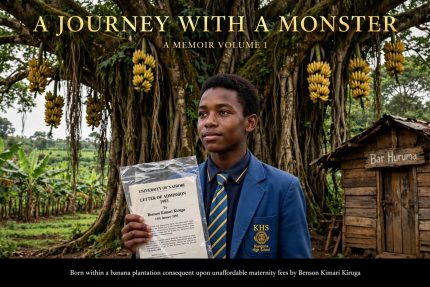
A JOURNEY WITH A MONSTER

A JOURNEY WITH A MONSTER A Memoir by Benson Kimari I was not born in a hospital. I was born in a banana plantation amid heavy rain in Karundu. I am second-born of a single mother who never tasted Muratina. My great-grandfather was respected elder chosen to sacrifice an unblemished he-goat under sacred Mugumo tree, Ficus thonningii. In Agikuyu culture Mugumo was holy where God was worshipped. He brewed Muratina for birth, initiation, marriage and burial. Holy duty became addiction. He died from his own brew near his pots. His son, my grandfather, saw his father die and became man of the book, founder of PCEA Church in Karundu. He left Mugumo for cross to break curse. Yet inside that very church built to escape alcohol, I first tasted monster as altar wine in silver chalice. Container changed from gourd to chalice but spirit was same. For years I did not know my biological father. Later I learned he had bar at Kwa Junction, few metres from stage to Mukurweini Town, under big Mugumo tree where Chief Kabi held barazas. When I saw him, I saw myself. X-factor genes. Same face, same walk. He died due to alcohol, rumored liver cirrhosis. I had no factual report, but due to X-factor genes probability was truth. We were 4 boys. We had done KCPE at Karundu Primary. During Christmas Mzee Japheth brewed Muratina. It was illegal so Chief Kabi would arrest him. He hid five jerrycans in bush so Chief Kabi could not suspect. We found them. We stole one out of five and left four covered with leaves. We hid stolen one in coffee plantation near river to drink on Christmas Day after church. At 10 p.m. while other 3 boys slept, I could not sleep. I heard two voices calling. One was monster calling me to coffee plantation. Other was grandfather warning me. At midnight when all slept, I woke quietly, left barefoot so mother would not hear, and ran in dark to plantation. I found jerrycan where we hid it and drank alone. That night monster entered me. We passed KCPE and joined different schools. I went to Kiangoma Boys with Mwangi. Mwangi was expelled for bhang and alcohol. Wangechi was impregnated after soda mixed with alcohol in disco at Mukurweini. She delivered Blessing. One boy expelled for strike became boda boda rider in Karatina and killed a child while drunk. Mary's father died drunk on Jogoo Road near Maziwa Stage knocked by car. Njeri was orphaned when parents died due to drinking. She was impregnated by man known as Jethro. With no support she became barmaid at Kwa Junction and contracted HIV. Her son Maina was raised by uncle Gatumbo, who brewed Muratina at Karundu and Kwa Junction. Like me, Maina was born in banana plantation amid heavy rain. Mother could not afford hospital. Poverty repeated. At Kwa Junction under big Mugumo tree is stage for vehicles to Mukurweini Town. Under that tree Chief Kabi held barazas. He taught effects of alcohol, family dynamics in addiction, and types of addiction. He said when one drinks whole family drinks tears. Addiction is not only Muratina but bhang, tobacco, soda mixed with alcohol, gambling and fame. At same baraza we saw MPs and Councillors bringing CDF cheques of 2000 shillings for fame, yet money was government. My project Maximum Utilization of Sand became Maximum Utilization of Ethanol. I drank ethanol for experiments. We finished second in district. Five members joined university. I did not join due to poverty. Mother had broken leg and uncle had stroke. I went to Nairobi to aunt who had bar at Huruma Estate. I never stepped in university to pursue BSc Medical Laboratory. Life is riddle wrapped in mystery inside enigma. I completed CPA 2 at NYS. I earned High Diploma in Theology and Diploma in Psychology in Addiction. Ultimately Government appointed me Administrator heading Karundu Sublocation. Today boy who stole Muratina at midnight enforces law under same Mugumo tree at Kwa Junction, and registers births ensuring no child is born in banana plantation like me.

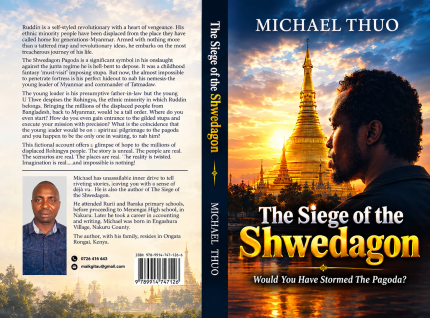
The Siege of the Shwedagon

KShs1,500.00 KShs1,400.00
  1. Heroes are made ,not born.From an average Rohingya,Rudin rises above hate to save his disenfranchised people - Rohingya - from near annihilation in modern day Burma.

Clean Hearts Clean Homes By Mercy Mwe...

KShs900.00 KShs700.00
Clean Hearts, Clean Homes by Mercy Mwendwa is an inspiring book that explores the connection between a pure heart and a peaceful, well-kept home. It encourages readers to cultivate love, faith, kindness, discipline, and cleanliness within themselves and their homes. Through practical wisdom and heartfelt guidance, Mercy Mwendwa reminds us that a clean and harmonious home begins with a clean and willing heart. Rejoice , O Barren by Mercy Mwendwa is a divine summons to those who have labored unseen-men and women whose wombs,callings, voices and destinies were pronounced empty by time, trauma, silence or delay.It cinfronts rge cruel lies of never and unveils the God who still speaks fruitfullness into territories long labelled desolate

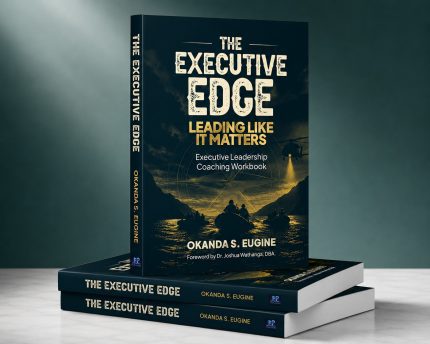
The Executive Edge: Leading Like It M...

KShs2,500.00
Are you ready to lead with greater clarity, influence, and impact? What will it take to move from managing responsibilities to transforming people and organizations? The Executive Edge: Leading Like It Matters is an executive leadership coaching workbook designed to help leaders sharpen their leadership capacity, strengthen self-awareness, navigate complexity, and lead meaningful transformation. Built around six carefully designed coaching topics, this practical workbook takes leaders on a focused journey of reflection, growth, strategy, and action—equipping them to lead with purpose and create lasting impact. Lead with intention. Transform with courage. Impact with purpose.

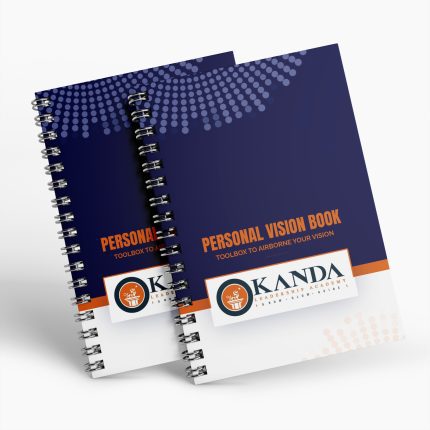
Personal Vision Book: Toolbox to Airb...

KShs3,000.00 KShs2,500.00
Where are you going? Why does it matter? What will you do to turn your vision into reality? Personal Vision Book: A Toolbox to Airborne Your Vision is a practical self-leadership and personal development tool designed to help you clarify your dreams, define your purpose, set meaningful goals, and create a roadmap for the future you desire. It moves vision from ideas in your mind to goals on paper and action in your hands. See it. Write it. Plan it. Pursue it. Live it.

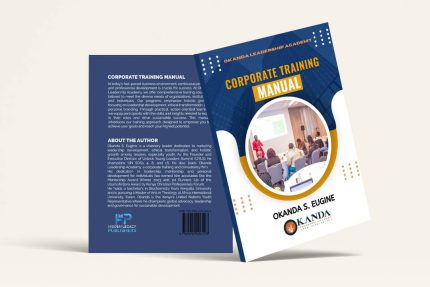
Corporate Training Manual

KShs1,000.00 KShs800.00
What makes a great executive leader? How do you lead people, navigate complexity, and turn strategy into results? The Corporate Training Manual: 6 Executive Leadership Coaching Lessons by Okanda Leadership Academy, facilitated by Okanda S. Eugine, is a practical leadership resource designed for executives, managers, team leaders, and emerging leaders. It brings together six focused coaching lessons to strengthen self-leadership, strategic thinking, communication, decision-making, people leadership, and execution. Lead with clarity. Think strategically. Influence people. Deliver results.

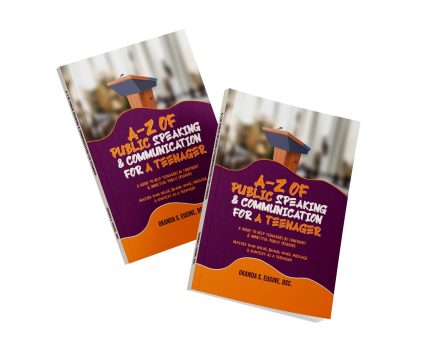
A-Z of Public Speaking & Communic...

KShs1,800.00 KShs1,500.00
Can your teen speak with confidence? Can he or she express thoughts and words clearly? Can he or she stand before others without fear? A–Z of Public Speaking & Communication for Teenagers is a practical, engaging guide designed to help teenagers find their voice, build confidence, communicate effectively, and become powerful presenters. From overcoming nervousness to mastering body language, storytelling, conversation, and stage presence, this book equips young people with communication skills they can use in school, at home, in leadership, and throughout life. Find your voice. Build your confidence. Speak with impact.

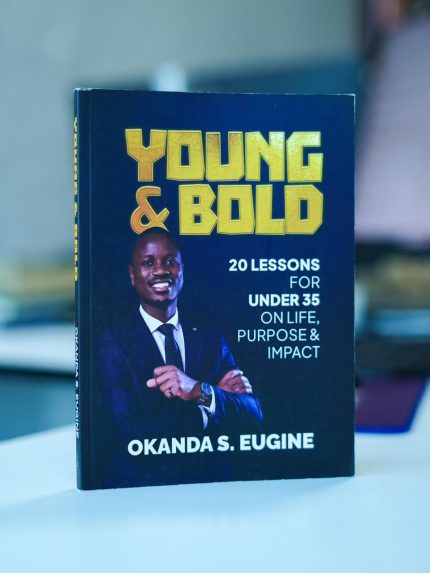
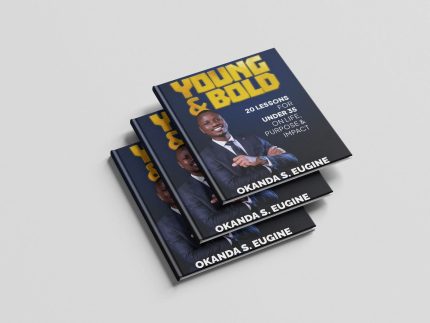
Young & Bold: 20 Lessons for Unde...

KShs1,800.00 KShs1,500.00
Who am I? What is my purpose? How can I make a meaningful impact with my life? Young & Bold: 20 Lessons on Life, Purpose & Impact by Okanda S. Eugine is a practical and thought-provoking guide for young people seeking clarity, courage, and direction in life. Through 20 powerful lessons, the book addresses the realities young people face and challenges them to discover their identity, pursue purpose, overcome fear, develop discipline, and intentionally make a difference in their generation. It is a call to live boldly, pursue purpose, and turn your potential into impact.

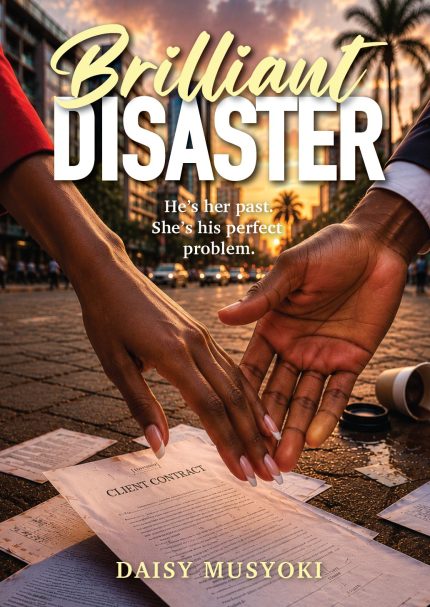
Brilliant Disaster: He’s her pa...

KShs700.00 KShs650.00
Jane Ndunge has one morning to save her PR firm. James Mutiso has one company left to save. The last person either of them expected to need was the other. Brilliant Disaster is a sharp, fast, and completely unhinged love story set in the heart of Nairobi, where one coffee spill starts a war, a fake relationship breaks all the rules, and two people who should never have worked together discover they can’t work without each other. Enemies to lovers. Boardrooms to kibandas. Chaos to something real. Nairobi has never looked this good on fire.

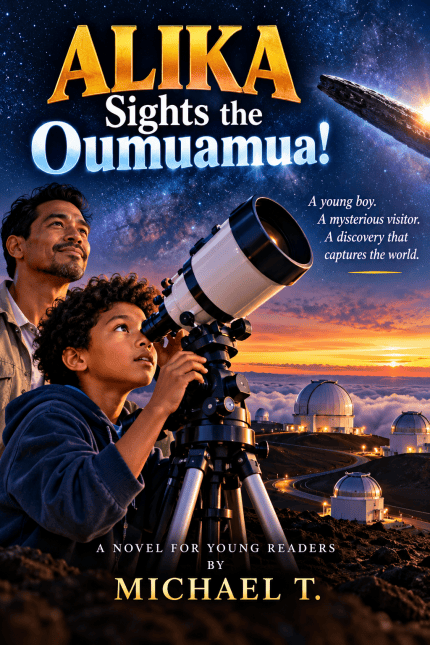
Alika and the Oumuamua

KShs700.00 KShs550.00
Alika is a young boy full of curiosity.He wants to be a scientist like his father. The story about the Oumuamua stirs something in him that sets in motion an interesting journey for the boy to be a famous discoverer in science.

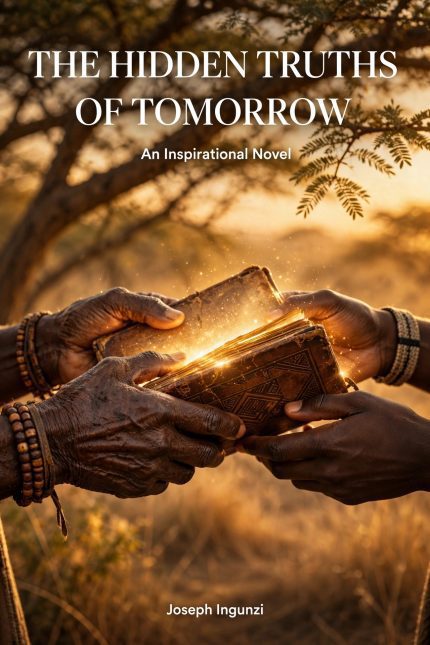
The Hidden Truths Of Tomorrow

KShs399.00
A story of falling, rising, and the hidden truths life only teaches you tomorrow. If you have ever felt stuck, betrayed, or like you have fallen short, this book is for you. A powerful inspirational story from a man who had given up on his dreams. A story about pain, hope, and the truths we only learn tomorrow when it seems to late but like they say"Better late than never".

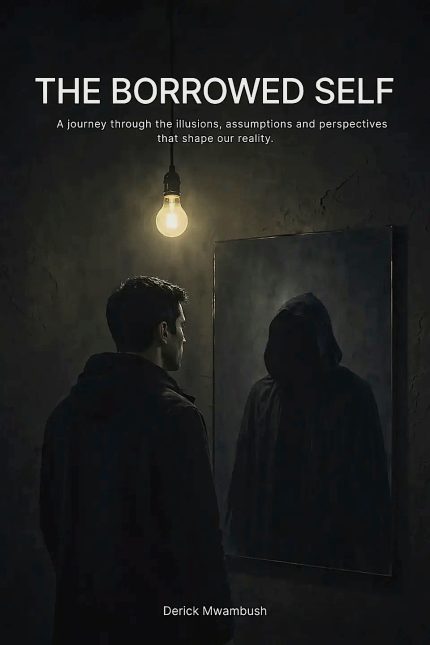
THE BORROWED SELF

KShs500.00 KShs350.00

‎What if much of what you call “yourself” was never truly chosen by you? ‎ ‎We inherit names, beliefs, expectations, identities, definitions of success, and ideas about how life should work. Then we spend years living inside them—often without questioning where they came from. ‎ ‎THE BORROWED SELF is a philosophical journey through the illusions, assumptions, and perspectives that shape our reality. ‎ ‎Why are we never satisfied for long? ‎Why does the finish line keep moving? ‎How much do we actually control? ‎How much of what we know is limited by the way we perceive? ‎And how much of our identity did we really choose? ‎ ‎Through personal experiences, thought experiments, and philosophical reflection, Derick Mwambush examines desire, poverty, possession, knowledge, perspective, identity, control, and the things we rarely notice. ‎ ‎This is not a book that claims to have all the answers. ‎ ‎It is an invitation to question the answers you already have. ‎ ‎Maybe discovering yourself begins with asking how much of yourself was borrowed. ‎

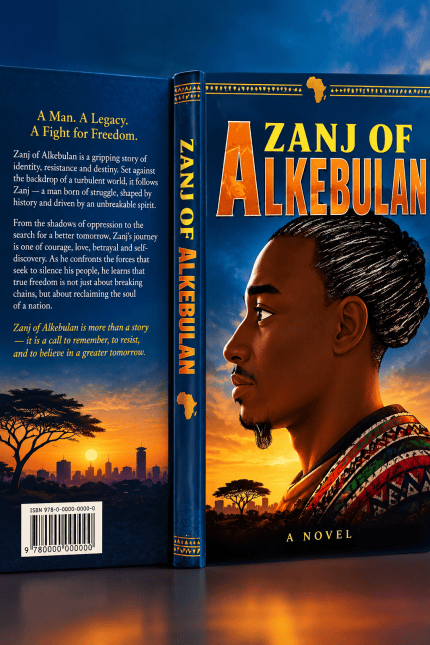
Zanj of Alkebulan

KShs1,500.00 KShs100.00
Zanj is on a mission to earn his freedom. However,it dawns on him -albeit painfully - that freedom comes at a price. He fights with his sons and aliens - an epic battle - for his survival. What is worse,the battle takes place on the very soil that King god granted to him freely. This African magic tale will keep you thrilled to the end.

BALLOT FOR THE BULLET: A PLAY BY HILL...

KShs800.00
The Ballot for the Bullet is a reflection of the fragile line that exists between democracy and chaos, between hope and destruction, and between choice and consequence. This play was inspired by the recurring reality in many African societies where elections, meant to symbolize peace, unity, and progress, often become catalysts for division and violence. In such moments, the youth—who should be the architects of tomorrow—are frequently turned into instruments of destruction by those in power. Through the character of Kamau, I explore the internal conflict faced by many young people: the struggle between survival and integrity, between influence and independence, and between silence and truth. His journey is not just personal—it is symbolic of a generation caught between aspiration and manipulation. The use of Kiswahili alongside English reflects the authentic voice of Kenyan society. Language in this play is not merely a tool of communication but a carrier of identity, emotion, and cultural truth. The blending of the two languages mirrors the lived realities of the characters and enhances the emotional depth of key moments. This play does not seek to provide easy answers. Instead, it challenges the audience to reflect: At what point does a citizen become responsible for the actions of their leaders? When does silence become complicity? And ultimately—when faced with the choice between the ballot and the bullet—what will we choose? It is my hope that this work will spark dialogue, encourage critical thinking, and inspire a generation to choose courage over fear, and truth over convenience.

SON OF THE SOIL: A PLAY BY HILLARY SH...

KShs800.00
Son of the Soil stands within the long tradition of political theatre that interrogates the relationship between power, morality, and the aspirations of ordinary people. The play employs allegory, memory, and dramatic confrontation to examine the difficult transition from liberation struggle to political authority. In doing so, it raises profound questions about leadership, accountability, and the fragile nature of revolutionary ideals. At the center of the drama is Raa-Ee-Lah, a character whose life represents the moral arc of many political movements. Beginning as a figure shaped by idealism and the teachings of his father, Jaduong, he grows into a leader confronted by the complex realities of governance and political survival. Through this journey, the play explores a recurring historical paradox: those who once fought to dismantle systems of oppression often find themselves navigating and sometimes reproducing those very structures. The dramatic structure of Son of the Soil moves fluidly between memory, reflection, and confrontation. The presence of ancestral voices and symbolic dialogue creates a layered narrative that blends personal history with collective experience. This technique situates the play within a broader tradition of postcolonial theatre in which the stage becomes a space for examining the unfinished project of liberation. Students approaching this text should consider several thematic questions: • How does the play portray the transformation of revolutionary ideals over time? • What role do memory and generational voices play in shaping political identity? • In what ways does the drama critique the relationship between leaders and the people they claim to represent? • Can the moral authority of liberation struggles survive the realities of state power? By framing political conflict within a deeply human narrative, Son of the Soil invites readers and audiences to reflect not only on particular historical experiences but also on the universal challenge of preserving justice and accountability in positions of authority. Ultimately, the play reminds us that the struggle for freedom does not end with victory; it continues in the everyday choices made by those entrusted with power

ECHOES OF THE RIFT BY HILLARY SHIKOKOTI

KShs1,500.00
Echoes of the Rift is a contemporary Kenyan novel that explores the enduring influence of ethnic identity, inherited prejudice, political division, love, and the search for national belonging. Set primarily in Murang’a, Siaya, and Nairobi, the novel follows Wanjiku, a young Kikuyu woman from Murang’a, and Otieno, the son of a Luo chief from Siaya, whose lives converge at the University of Nairobi. Raised within families that preserve strong cultural identities and memories of historical grievances, both characters initially inherit deeply rooted perceptions about the “other” community. Their encounter, friendship, and eventual love challenge the boundaries imposed upon them by family expectations, cultural traditions, and political narratives. As their relationship develops, the university becomes a microcosm of Kenya’s wider ethnic and political landscape. Wanjiku and Otieno confront the tension between cultural loyalty and national citizenship while navigating student politics, leadership struggles, corruption, manipulation, and ethnic mobilization. Their experiences expose how historical memories and political interests can transform legitimate community concerns into division and suspicion. The novel also examines the role of education, dialogue, youth leadership, civic responsibility, and technology in challenging inherited stereotypes and promoting social cohesion. The narrative moves beyond a conventional love story to interrogate the psychological and social consequences of inherited ethnic divisions. Through Wanjiku’s “Truth Echoes” platform and Otieno’s evolving understanding of leadership, the protagonists gradually transform personal adversity into a broader commitment to justice, accountability, inter-ethnic dialogue, and national unity. Their journey demonstrates that cultural identity and national belonging need not be mutually exclusive, while acknowledging that reconciliation is neither immediate nor complete. Ultimately, Echoes of the Rift presents Kenya as a nation whose historical divisions continue to echo across generations but whose future can be shaped through critical reflection, inclusive leadership, truth, justice, and deliberate efforts to build bridges across difference. The novel invites readers, particularly young people, to question inherited narratives, preserve cultural heritage without weaponizing identity, and imagine a more cohesive and inclusive Kenya.

REFLECTIONS OF HUMAN JOURNEY: A POETR...

KShs1,000.00
Poetry has always been one of humanity's most enduring ways of preserving memory, expressing emotion, questioning society and inspiring hope. Across generations, poets have given voice to ordinary people, captured defining moments in history, celebrated cultures, challenged injustice and imagined better futures. This anthology is a humble contribution to that enduring tradition. Reflections of the Human Journey is more than a collection of poems; it is a literary voyage through the experiences that shape individuals, communities and nations. The poems celebrate the beauty of everyday life while confronting the realities that define our world. They tell stories of dreams and disappointments, love and loss, resilience and renewal, tradition and innovation, justice and inequality, as well as the opportunities and ethical questions brought by an ever-changing technological age. The anthology is organized into four thematic parts that mirror the progression of human experience. Part I: The Rising Sun explores identity, family, faith, values and personal growth, reminding readers that every meaningful journey begins with self-discovery and character formation. Part II: The Heartbeat of the Nation celebrates the resilience, dignity and industrious spirit of ordinary people whose daily lives sustain communities and build the nation. Part III: The Mirror of Society invites readers to examine the triumphs and shortcomings of society by reflecting on issues such as justice, governance, inequality, leadership, conflict and social responsibility. Finally, Part IV: The Changing Tides looks toward the future by exploring technology, artificial intelligence, environmental sustainability, digital citizenship and the evolving relationship between humanity and innovation. Many of the poems draw inspiration from familiar experiences within Kenyan society—marketplaces, classrooms, hospitals, farms, homes, places of worship, bustling streets and workplaces. While deeply rooted in the Kenyan context, the themes speak to universal human experiences that transcend geographical and cultural boundaries. They affirm that hope can flourish in adversity, that dignity exists in honest labour, that communities grow stronger through compassion, and that meaningful progress must always be guided by wisdom, integrity and respect for human dignity. This anthology has also been developed with education in mind. It aligns with the aspirations of the Kenya Institute of Curriculum Development (KICD) Competency-Based Curriculum by promoting critical thinking, creativity, communication, collaboration, citizenship, digital literacy, learning to learn and self-efficacy. Beyond literary appreciation, the poems encourage readers to analyse ideas, appreciate diverse perspectives, reflect on moral choices and engage constructively with contemporary issues affecting individuals and society. It is my hope that these poems will resonate with learners, teachers, scholars and general readers alike. Some may offer comfort during difficult moments; others may provoke reflection, inspire dialogue or challenge long-held assumptions. Above all, I hope they remind every reader that poetry is not confined to grand occasions or extraordinary lives. It is found in the quiet sacrifices of parents, the determination of job seekers, the courage of workers, the dreams of young people, the resilience of communities and the shared hope for a more just, compassionate and sustainable future. As you turn these pages, may you discover not only the stories of others but also echoes of your own experiences. May these poems encourage you to reflect more deeply, dream more boldly, and contribute more meaningfully to the world around you. If this anthology inspires even one reader to see humanity with greater understanding, empathy and hope, then it will have fulfilled its purpose.

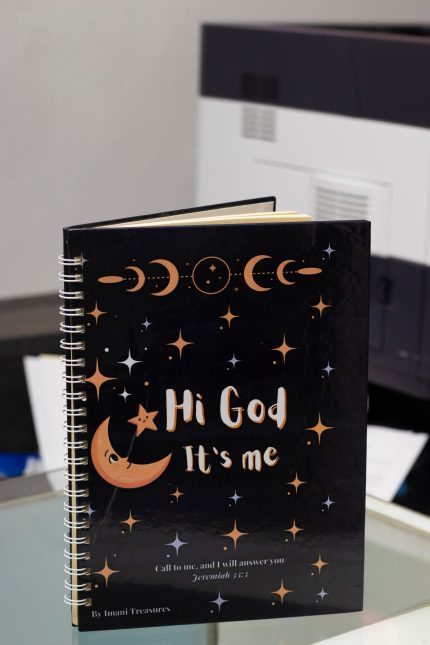
“Hi God It’s me” Pr...

KShs1,500.00 KShs1,200.00
Details: A5, hardcover, spiral-bound creative prayer journal for boys aged 7-11.

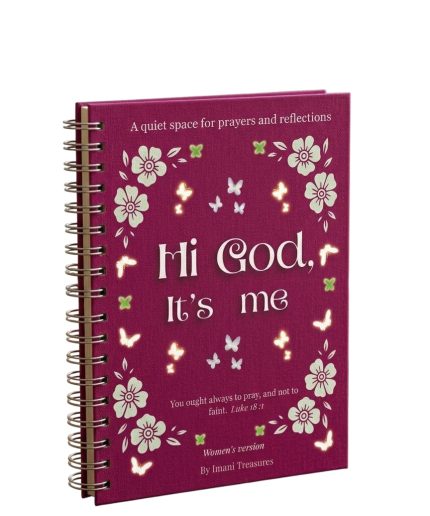
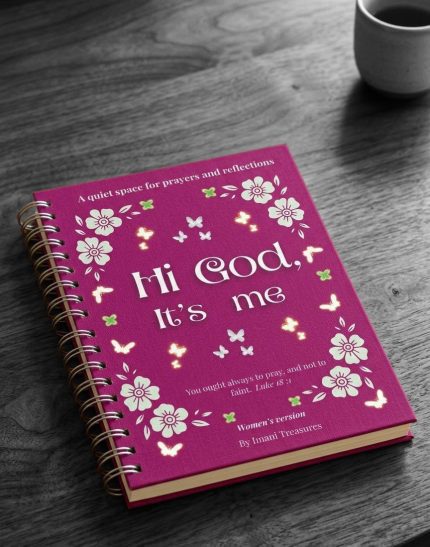
“Hi God, It’s me” c...

KShs1,500.00 KShs1,200.00
Hard cover, spiral bound, A5, creative prayer for the girls and women.