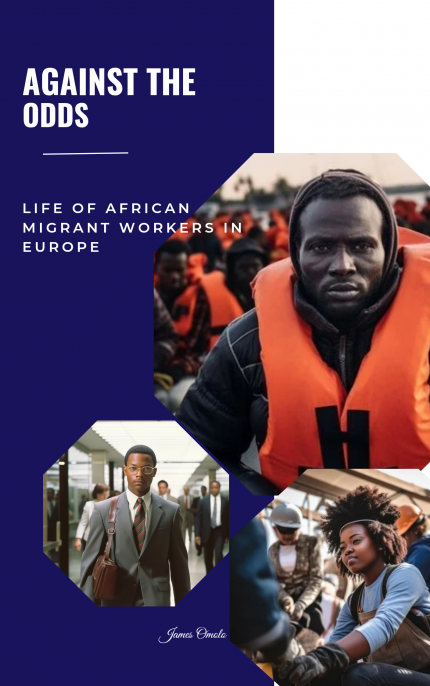
The lives of African migrant workers in Europe are a multifaceted narrative marked by challenges, resilience, and aspiration. Departing from their homelands in search of better economic prospects and opportunities, these individuals embark on journeys fraught with uncertainties and hardships. Upon arrival, they often encounter a complex web of legal, social, and economic barriers that shape their experiences in their host countries.
For many African migrants, the pursuit of employment is paramount. However, they frequently encounter obstacles in accessing the labor market due to language barriers, lack of recognition for foreign qualifications, and discriminatory hiring practices. Consequently, a significant portion of African migrants find themselves relegated to low-wage, precarious jobs in sectors such as agriculture, construction, hospitality, and domestic work.
Moreover, the issue of legal status looms large over the lives of African migrants. Many grapple with the complexities of immigration laws, facing the constant threat of deportation or detention. Those residing in Europe without legal documentation often live in the shadows, vulnerable to exploitation, abuse, and marginalization.
Social integration presents another formidable challenge. African migrants often confront xenophobia, racism, and cultural alienation in their host communities. These social barriers hinder their ability to establish meaningful connections, access services, and participate fully in civic life. Additionally, maintaining ties with their home countries and navigating the complexities of transnational identities further shape their sense of belonging and cultural identity.
Despite these adversities, African migrant communities demonstrate remarkable resilience and resourcefulness. They forge networks of support within their own communities and engage in grassroots organizing to advocate for their rights and interests. Cultural associations, religious institutions, and migrant-led organizations play crucial roles in providing social solidarity, legal aid, and educational resources.
Amidst the challenges, African migrant workers in Europe also embody hope and aspiration.
Many strive to build better futures for themselves and their families, sending remittances back home and investing in education and entrepreneurship. Their experiences underscore the interconnectedness of global migration, labor markets, and social justice, highlighting the need for inclusive policies and collective action to address the structural inequalities that shape their lives.
















 Accessories151 products