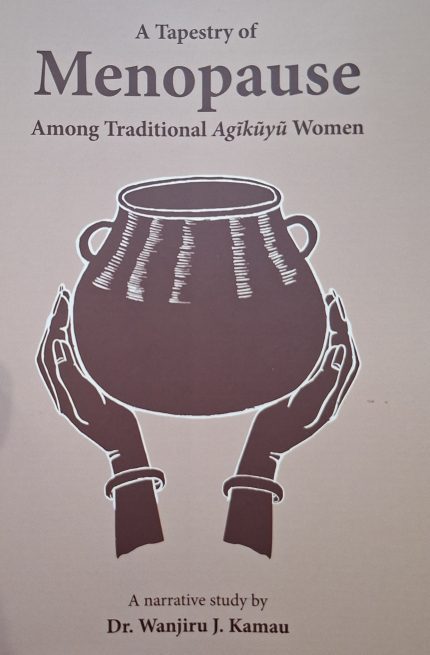
Menopause. This is not a word we often hear in everyday conversation. Many women are almost afraid of it, and men will hardly, if ever, speak it. It is a subject that we seldom discuss. Indeed, reference to a woman as menopausal is almost viewed as insulting; derogatory even. Yet, menopause is a biological reality, and the subject should therefore not evoke negative feelings or cause discomfort during conversation. It is a conversation that should be held freely and comfortably, by both men and women.
In this book, Wanjiru Kamau explores this uncomfortable yet critical subject by examining the perceptions of menopause among the traditional Agīküyü women. In the research, she records personal testimonies and lived experiences that offer reflections on the women's developmental stages from birth, menarche, menstruation, motherhood, and menopause, and their significance. In the process, she points the reader to the need for an examination of the subject among women. This book presents menopause among the traditional Agīküyü women as both biological and cultural, explaining how families and clans treated a girl at the onset of menarche and the different cultural responsibilities that women took up after menopause.
The testimonies given by my co-researchers - as Wanjiru prefers to call the women she interviewed - women who grew up without or with minimal influence of European education and Christianity, reveal a very different understanding and perception of women's bodies, sexuality, reproduction, and menopause from that of the Westernized woman in Kenya today. For comparison, the author shares her own journey from menarche to menopause, illustrating the negative perception of the process among educated and "Christianized" societies. That Wanjiru relies on oral testimonies as part of her research methodology is critical in demonstrating the place of oral history and tradition in knowledge production and transmission. The traditional woman was educated about her body and various developmental stages right from when she was a little girl. The society ensured that cultural education and indigenous knowledge on women's sexuality, reproduction, and self-care were passed on from generation to generation as the girls passed through the different rites.















 Accessories151 products