Showing 121–140 of 151 results

Think You Can by Ivan Mawanda

KShs2,000.00 KShs1,499.00
Brief Summary No one stops you to think even though it seems like it is the hardest work, that’s why very few engage in it. No dream is too big, no challenge is too great, and nothing we want for our future is beyond our reach. By thinking, I mean that you stop what you are doing, concentrate on the subject or problem that must be solved and force yourself to come up with a new idea or solution. I am greatly irritated by some people who have a mantra: “Life is hard”. Often when I hear them say this, I am tempted to ask, “Compared to what?” As the cliche goes, life is what you make it. If you think it’s hard, it is hard. If you think it’s easy, it will be easy. It all begins and ends with your thinking. Everything is possible; your-dreams, your ideas, your inventions, your visions. Never let anyone tell you that you can’t. Think you can and it will be. Beloved, this book Think you can emphasizes your progress beyond imagination, aggressive but dignified yet frank-filled in nature. This is a noble tool to build and encourage the voice of reason with every opportunity that avails itself so that you can have an excellent tale ending. Read keenly every chapter then you’ll humbly understand when or how to seek knowledge and integrate it with your choices. This will make you assess life in a constructive way. Think you can or think you can’t; either way you’re right. We are what we repeatedly do; excellence is therefore not an act but a habit. Never be bullied into silence, never allow yourself to be made a victim; never accept one’s definition of your life, define yourself. “You can’t stop people from talking about you; but you can stop giving them what to talk about”, and the worst thing to being blind is to have sight with no vision. Make it your ambition to live a quiet life, to mind your own business and work with your own hands. Have a positive mindset, Learn how to handle fear. It is never too late to start so don’t give up no matter how hard it gets, you have what it takes to be successful? Just go for it and make a difference. My life experience sometime back when I communicated to some people that I wanted to write this book, not all but some asked me, “Ivan... Why are you so ambitious? Hmmm… and the challenge is you don’t listen, have you any idea how difficult it is?” Guess why? To cut the long story short, I silently ignored their critics and kept my cards for myself inclined to work harder since these friends were misleading me with a bad attitude or faulty thinking. I knew none of them was God to predict my ability. All learning begins with a simple phrase, “I don’t know” but some people believe they completed learning the moment they stepped out of school. How mistaken they are? Without imagining that each person was given the brain to think, we must be good stewards with them and consciously think more every day…”Brain storming”. No matter how you run, you still have yourself to deal with; this could be circumstances or in the mindset. The single most important decision in your life other than regretting is to read this factual inspirational book, with God all things are possible...then happiness will be 100% your responsibility.

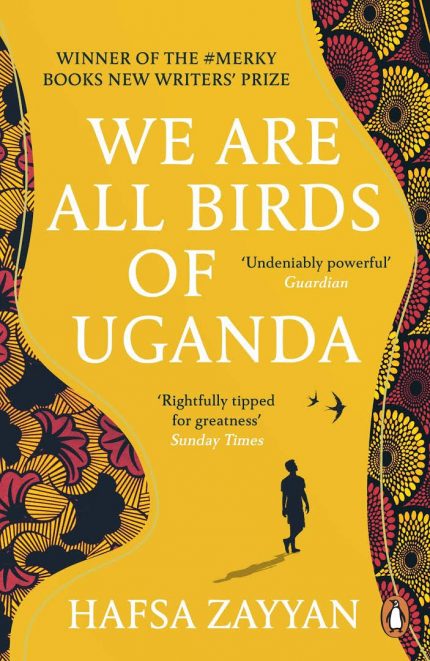
We Are All Birds of Uganda by Hafsa Z...

KShs2,000.00 KShs1,790.00
'You can't stop birds from flying, can you, Sameer? They go where they will...' 1960s UGANDA. Hasan struggles to keep his family business afloat following the sudden death of his wife. As he begins to put his shattered life back together piece by piece, a new regime seizes power, and a wave of rising prejudice threatens to sweep away everything he has built. Present-day LONDON. Sameer, a young high-flying lawyer, senses an emptiness in what he thought was the life of his dreams. Called back to his family home by an unexpected tragedy, Sameer begins to find the missing pieces of himself not in his future plans, but in a heritage he never knew. Moving between two continents over a troubled century, We Are All Birds of Uganda is an immensely resonant novel that explores racial tensions, generational divides and what it means to belong.

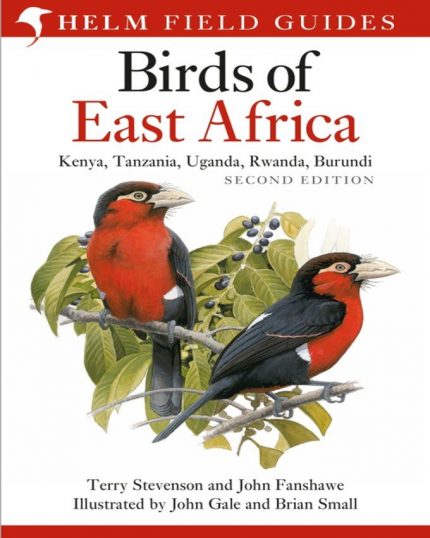
Field Guides Birds of East Africa Ken...

KShs10,200.00 KShs9,990.00
Brief Summary This spectacular new edition of the best-selling Helm field guide of all time covers all resident, migrant and vagrant species found in Kenya, Tanzania, Uganda, Rwanda and Burundi. Over 1,300 species are illustrated with full details of all the plumages and major races likely to be encountered. Concise text describes the identification, status, range, habits and voice, with fully updated range maps for each species. This authoritative book will not only be an indispensable guide to the visiting birder, but also a vital tool for those engaged in work to conserve and study the avifauna of the region - East Africa shelters a remarkable diversity of birds, many seriously endangered with small and vulnerable ranges.

Visitations: Conversations with the G...

KShs2,000.00 KShs1,499.00
Brief Summary "This book is a fictionalized narration of real experience. The Chairman in this compelling story is Dr. John Garang de Mabior, the late leader of the Sudan People's Liberation Movement and Army, and the Narrator is Dr. Francis Mading Deng. The two developed a friendship grounded in their shared passion about the challenges facing their people in then Sudan, now in the independent Republic of South Sudan. The fictional narrator was recovering from surgery, when a strong pain-killing drug triggered hallucination that ushered in the recollections narrated in this factionalized documentation of real experiences"--

Chasing the Rain: An Africans Quest f...

KShs1,300.00 KShs899.00
Brief Summary Richard Lyth: Oxford graduate, missionary, commando, Frontier Agent, linguist, District Commissioner, Anglican bishop. Lyth lived an epic life much of it spent in the remote southeastern Sudan. During World War 2 he served as Frontier Agent on the Boma Plateau, part of the traditional homeland of the Murle people. There he met a young Murle man named Lado, the subject of this book. The two men became lifelong friends. Over time Lado told Lyth the story of his difficult and extraordinary life. Lyth lived for many years among the Murle people, studying their culture and language. He penned an early edition of this book in 1945, drawing upon his knowledge of the setting and customs of the intriguing Murle culture and integrating them with Lado s personal story. This book follows the life of a man named Lado. He was born in Sudan approximately 1920. He grew up living the traditional life of his Murle people- herding the goats, planting sorghum and hunting antelope with a spear. But Lado was different. Even as a young boy he wondered about the world around him. As he grew older he was increasingly confused by the different manifestations of the tribal god named Tammu. As a teenager he was captured in a raid and taken away as a slave. He was later adopted into the tribe that enslaved him. Under these conditions his questions about suffering and God became more intense. He was rescued by British troops and learned Arabic under the protection of the District Commissioner. Eventually he returned to his home at Boma as the official translator for the military. It was here that Lado met Kemerbong (Richard Lyth). A meeting that changed the rest of his life.

Manifest Now by Idil Ahmed

KShs5,500.00 KShs4,999.00
Brief Summary Manifest Now provides a step-by-step guide with tools, techniques, and proven strategies to raise your frequency and create the reality you want. This book is designed to guide you through the mental, physical, and spiritual aspects of manifesting and creating all that your heart desires. You'll learn how to start removing mental and emotional blocks so you can rediscover that manifesting is your natural birthright. You'll feel more confident, reconnected, and powerful as you turn every page. Everything in your life will begin to shift as you begin to realize that you are a conscious creator. What's Inside? The Inner Love Flow: A reminder of your deepest most innate connection to the Source that provides you unconditional love. The Inner Love Flow will help you remember that it all starts with you and that you are never alone. You are divinely guided and connected at all times. The flow of love is constantly pouring into you and this wisdom will free you from every needing to play any games to lower your frequency. You'll activate your divine love, which will raise your frequency to create a healthier relationship with yourself and others. You will feel so full of The Inner Love Flow, that all you'll want to do is give unconditional love without ever seeking or trying so hard to receive it back. This section will also teach you how to heal your heart from any past pains, form a deeper connection with your partner and even manifest a new relationship. Once you love yourself, the universe begins to open up for you and starts to work in your favor. Manifest Now Technique: A speed manifestation technique that you'll apply on daily basis to get magnificent results. You'll set intentions, follow particular instructions, and stay focused. You'll start to manifest right away. Things will start to shift in your favor. You'll start to notice that you're happier, excited, and more connected with your inner self. This technique is meant to help you open your heart and mind so that you can elevate pass all the noise that's distracting you from your real potential. Once you use the Manifest Now Technique, you will realize how powerful you are and never again will you doubt what lies within you. Release It: 10 powerful techniques you can use on a daily basis to release any mental, physical, or emotional blocks that hinder your manifesting powers. Think It: 35 powerful thoughts to keep you energized, focused, and excited to manifest. Affirm It: 100 affirmations that will help you start speaking, feeling, and commanding greatness, abundance, happiness, and financial freedom into your life right now. Magnetic Money Mindset: Tools that help you discover your purpose, tap into your creative genius, do what you love, and attract financial freedom along the way. Begin your journey and watch magical things unfold in your life.

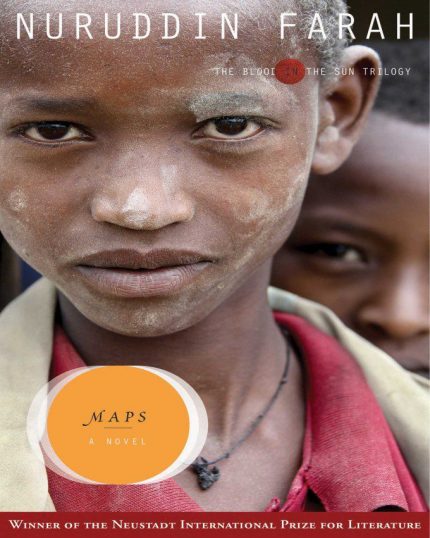
Maps by Nuruddin Farah

KShs2,500.00 KShs2,199.00
Brief Summary This first novel in Nuruddin Farah's Blood in the Sun trilogy tells the story of Askar, a man coming of age in the turmoil of modern Africa. With his father a victim of the bloody Ethiopian civil war and his mother dying the day of his birth, Askar is taken in and raised by a woman named Misra amid the scandal, gossip, and ritual of a small African village. As an adolescent, Askar goes to live in Somalia's capital, where he strives to find himself just as Somalia struggles for national identity.

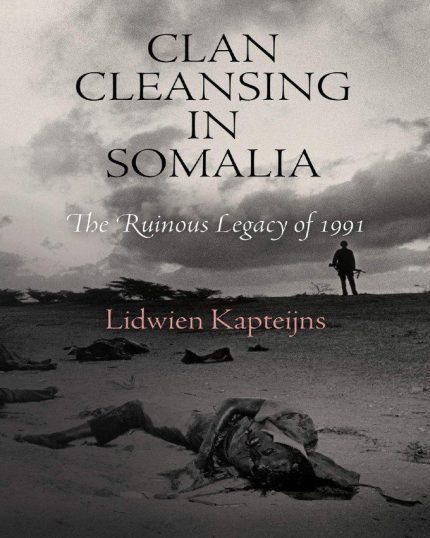
Clan Cleansing in Somalia The Ruinous...

KShs5,000.00 KShs3,999.00
Brief Summary In 1991, certain political and military leaders in Somalia, wishing to gain exclusive control over the state, mobilized their followers to use terror—wounding, raping, and killing—to expel a vast number of Somalis from the capital city of Mogadishu and south-central and southern Somalia. Manipulating clan sentiment, they succeeded in turning ordinary civilians against neighbors, friends, and coworkers. Although this episode of organized communal violence is common knowledge among Somalis, its real nature has not been publicly acknowledged and has been ignored, concealed, or misrepresented in scholarly works and political memoirs—until now. Marshaling a vast amount of source material, including Somali poetry and survivor accounts, Clan Cleansing in Somalia analyzes this campaign of clan cleansing against the historical background of a violent and divisive military dictatorship, in the contemporary context of regime collapse, and in relationship to the rampant militia warfare that followed in its wake. Clan Cleansing in Somalia also reflects on the relationship between history, truth, and post conflict reconstruction in Somalia. Documenting the organization and intent behind the campaign of clan cleansing, Lidwien Kapteijns traces the emergence of the hate narratives and code words that came to serve as rationales and triggers for the violence. However, it was not clans that killed, she insists, but people who killed in the name of clan. Kapteijns argues that the mutual forgiveness for which politicians often so lightly call is not a feasible proposition as long as the violent acts for which Somalis should forgive each other remain suppressed and undiscussed. Clan Cleansing in Somalia establishes that public acknowledgment of the ruinous turn to communal violence is indispensable to social and moral repair, and can provide a gateway for the critical memory work required from Somalis on all sides of this multifaceted conflict.

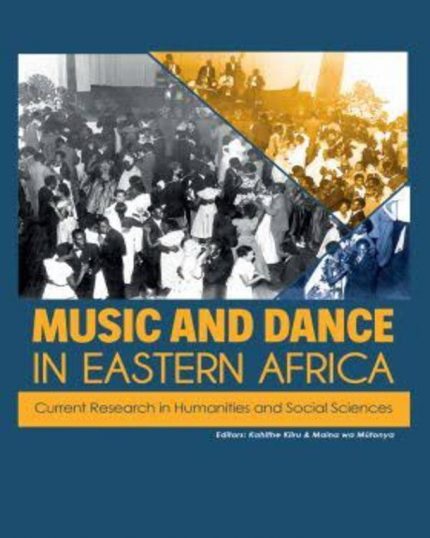
Music and Dance in Eastern Africa: Cu...

KShs1,500.00 KShs1,099.00
Brief Summary This collection of articles cuts across the Eastern African region, with authors interrogating varying themes in different historical periods that speak not only to the practice of music and dance but also to the performances that characterize these practices. The book dedicates itself to research in music and dance, while engaging with colonial and contemporary political and historical realities within the Eastern African region. Inevitably, themes that grapple with urbanization and the emergence of urban spaces for entertainment, as well as the imagination of culture by the colonialist form a key window into the research and understanding of music and dance. The ever-present performance of ethnic identities that shape most of our socio-political contexts adds to the overall texture of this book. At the same time, the debate and question of gender in music and dance is also comprehensively covered, in an attempt to delineate gender relations in the region. Articles that employ a cross-genre approach to music and dance have enriched the wide perspective of understanding African societies and the realities that emanate from everyday lives in Eastern Africa. A useful addition to the growing literature of popular culture in Africa, this book takes a multidisciplinary angle and can easily fit within the disciplines of political science, urban studies, literature, sociology and media studies. The book contributes to the recurrent dialogue towards emphasizing the relevance of the study of songs and dances in a larger context within humanities and social sciences.

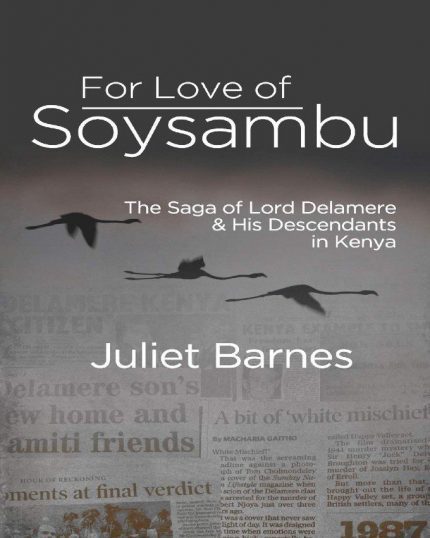
For Love of Soysambu The Saga of Lord...

KShs3,000.00 KShs2,500.00
This dramatic story spans 122 years and highlights challenges faced by four generations of an initially British aristocratic family in Kenya, with Soysambu in the Great Rift Valley as its central focus. Initially a refuge for dying sheep, but more recently a Wildlife Conservancy and part of a UNESCO World Heritage Site, today Soysambu protects many rare and endangered species. The saga begins in 1897 with the arrival of the Hon. Hugh Cholmondeley, who walked over 1,000 kilometres into East Africa from Berbera. In 1902, after inheriting his title of 3rd Baron Delamere, he abandoned his grand Cheshire family home, Vale Royal, for a grass and mud hut in East Africa, where he befriended local Maasai and gradually built up a formidable reputation as a leading politician and pioneer. When he died in 1931, having sold off his Cheshire estates to fund his agricultural experiments, he was bankrupt. His second wife, Gwladys, Mayor of Nairobi, was associated with the notorious Happy Valley clique, dragging her into the Lord Erroll murder trial in 1941. Delamere's son, Thomas Cholmondeley, now 4th Baron Delamere, moved to Kenya after World War II to salvage his father's farms. Thomas, who was pro-independence, managed to turn Soysambu into a successful cattle ranch. His third wife, Diana, remained notorious for her affair with Lord Erroll at his time of murder, with many still believing she'd been his killer. Following Thomas's death in 1979, his only son Hugh, now 5th Baron Delamere, took over Soysambu. His son, Tom Cholmondeley, faced increasing financial problems and pressure from land-hungry Kenyans, a situation exacerbated when he was charged with murder - twice. After his incarcerations and eventual release, he was busy implementing his innovative ideas on Soysambu when he died unexpectedly on 24th August 2016 after hip surgery.  

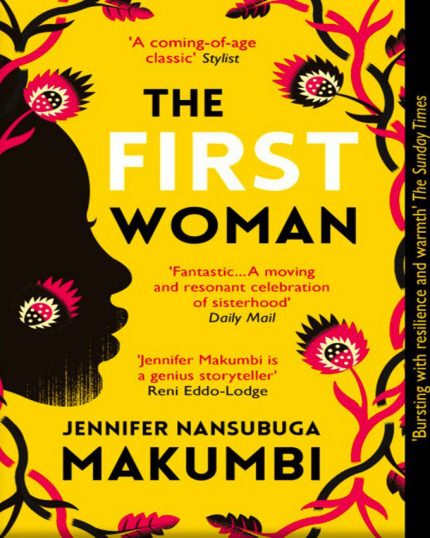
The First Woman by Jennifer Nansubuga...

KShs2,090.00 KShs1,990.00
Brief Summary Growing up in a small Ugandan village, Kirabo is surrounded by powerful women. Her grandmother, her aunts, her friends and cousins are all desperate for her to conform, but Kirabo is inquisitive, headstrong and determined. Up until now, she has been perfectly content with her life at the heart of this prosperous extended family, but as she enters her teenage years, she begins to feel the absence of the mother she has never known. The First Woman follows Kirabo on her journey to becoming a young woman and finding her place in the world, as her country is transformed by the bloody dictatorship of Idi Amin. Jennifer Makumbi has written a sweeping tale of longing and rebellion, at once epic and deeply personal, steeped in an intoxicating mix of ancient Ugandan folklore and modern feminism, that will linger in the memory long after the final page.  

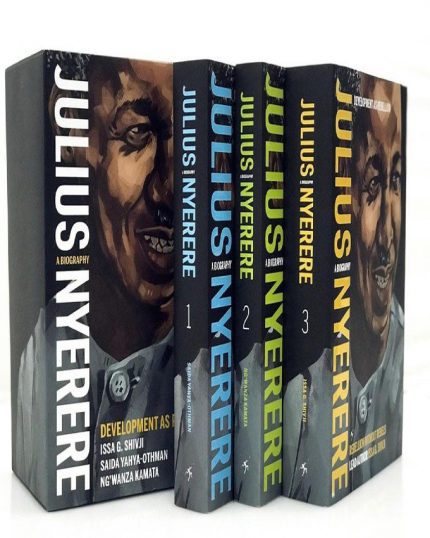
Development as Rebellion A biography ...

KShs8,200.00 KShs7,900.00
Julius Kambarage Nyerere was born on April 13, 1922 in Butiama, on the eastern shore of lake Victoria in north west Tanganyika. His father was the chief of the small Zanaki tribe. He was 12 before he started school (he had to walk 26 miles to Musoma to do so). Later, he transferred for his secondary education to the Tabora Government Secondary School. His intelligence was quickly recognized by the Roman Catholic fathers who taught him. He went on, with their help, to train as a teacher at Makerere University in Kampala (Uganda). On gaining his Certificate, he taught for three years and then went on a government scholarship to study history and political economy for his Master of Arts at the University of Edinburgh (he was the first Tanzanian to study at a British university and only the second to gain a university degree outside Africa. In Edinburgh, partly through his encounter with Fabian thinking, Nyerere began to develop his particular vision of connecting socialism with African communal living. On his return to Tanganyika, Nyerere was forced by the colonial authorities to make a choice between his political activities and his teaching. He was reported as saying that he was a schoolmaster by choice and a politician by accident. Working to bring a number of different nationalist factions into one grouping he achieved this in 1954 with the formation of TANU (the Tanganyika African National Union). He became President of the Union (a post he held until 1977), entered the Legislative Council in 1958 and became chief minister in 1960. A year later Tanganyika was granted internal self-government and Nyerere became premier. Full independence came in December 1961 and he was elected President in 1962. Nyerere’s integrity, ability as a political orator and organizer, and readiness to work with different groupings was a significant factor in independence being achieved without bloodshed. In this he was helped by the co-operative attitude of the last British governor – Sir Richard Turnbull. In 1964, following a coup in Zanzibar (and an attempted coup in Tanganyika itself) Nyerere negotiated with the new leaders in Zanzibar and agreed to absorb them into the union government. The result was the creation of the Republic of Tanzania. Ujamma, socialism and self reliance As President, Nyerere had to steer a difficult course. By the late 1960s Tanzania was one of the world’s poorest countries. Like many others it was suffering from a severe foreign debt burden, a decrease in foreign aid, and a fall in the price of commodities. His solution, the collectivization of agriculture, villigization (see Ujamma below) and large-scale nationalization was a unique blend of socialism and communal life. The vision was set out in the Arusha Declaration of 1967 (reprinted in Nyerere 1968):

This Is What America Looks Like by Il...

KShs2,599.00 KShs2,299.00
This Is What America Looks Like: My Journey from Refugee to Congresswoman. Ilhan Omar was only eight years old when war broke out in Somalia. The youngest of seven children, her mother had died while Ilhan was still a little girl. She was being raised by her father and grandfather when armed gunmen attacked their compound and the family decided to flee Mogadishu. They ended up in a refugee camp in Kenya, where Ilhan says she came to understand the deep meaning of hunger and death. Four years later, after a painstaking vetting process, her family achieved refugee status and arrived in Arlington, Virginia. Aged twelve, penniless, speaking only Somali and having missed out on years of schooling, Ilhan rolled up her sleeves, determined to find her American dream. Faced with the many challenges of being a Muslim refugee, she questioned stereotypes and built bridges with her classmates and in her community. In under two decades she became a grassroots organizer, graduated from college and was elected to congress with a record-breaking turnout by the people of Minnesota—ready to keep pushing boundaries and restore moral clarity as she sees it in Washington D.C.

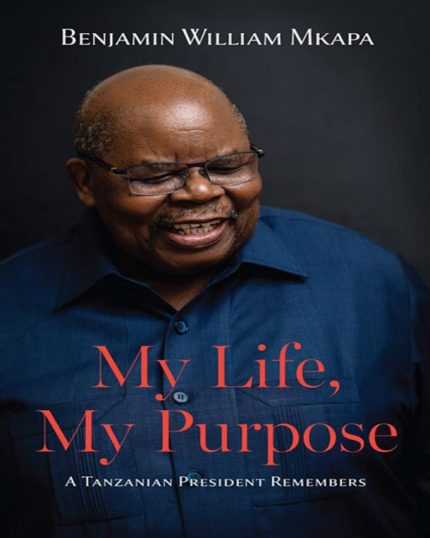
My Life My Purpose A Tanzanian Presid...

KShs4,390.00 KShs3,990.00
His Excellency Benjamin Mkapa was Tanzanian's third president, elected under the first multi-party general election in Tanzania. His memoirs range from his childhood, time as president, and his continuing post-retirement involvement on the international stage of development and peace mediation. This book will appeal to readers interested in: an African's personal experiences of colonialism in East Africa; the struggle for independence by the liberation movements of several African countries; how war helped unify the diverse citizens of a young nation; fostering nationalism and addressing ethnic and religious differences; the economic and social aspects of transition to socialism and then to a free market environment; the political transition from a single party state to multi-partyism; and relations with international organisations and development partners. During the ten years of his presidency he undertook substantial reforms, such as the privatisation of national assets, securing international debt relief and restructuring the public service. His Excellency writes of his childhood, his political maturation, the evolution of the State and politics in Tanzania, as well as some political upheavals in neighbouring countries. These memoirs are enriched by his views on leadership and advice for aspiring leaders. After Julius Nyerere, few books have been written by senior Tanzanian leaders on the evolution of Tanzania; in fact more literature has been produced by foreigners than Tanzanians, thus H.E. Mkapa's memoirs are a milestone. This book will appeal to aspiring leaders; students of development, international politics and diplomacy; those working for development partners; historians and those who want to know more about their Tanzanian heritage.

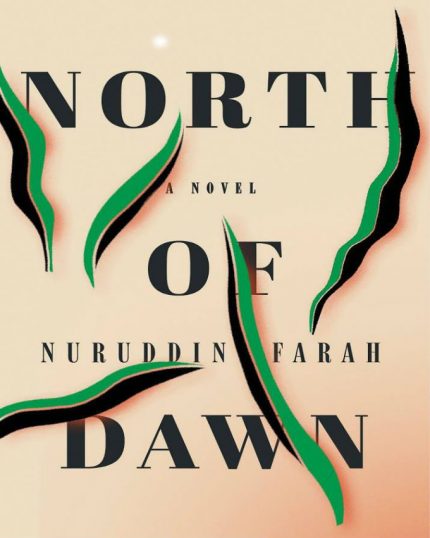
North of Dawn by Nuruddin Farah

KShs2,500.00 KShs1,890.00
A couple's tranquil life abroad is irrevocably transformed by the arrival of their son's widow and children, in the latest from Somalia's most celebrated novelist. For decades, Gacalo and Mugdi have lived in Oslo, where they've led a peaceful, largely assimilated life and raised two children. Their beloved son, Dhaqaneh, however, is driven by feelings of alienation to jihadism in Somalia, where he kills himself in a suicide attack. The couple reluctantly offers a haven to his family. But on arrival in Oslo, their daughter-in-law cloaks herself even more deeply in religion, while her children hunger for the freedoms of their new homeland, a rift that will have life altering consequences for the entire family. Set against the backdrop of real events, North of Dawn is a provocative, devastating story of love, loyalty, and national identity that asks whether it is ever possible to escape a legacy of violence--and if so, at what cost.  

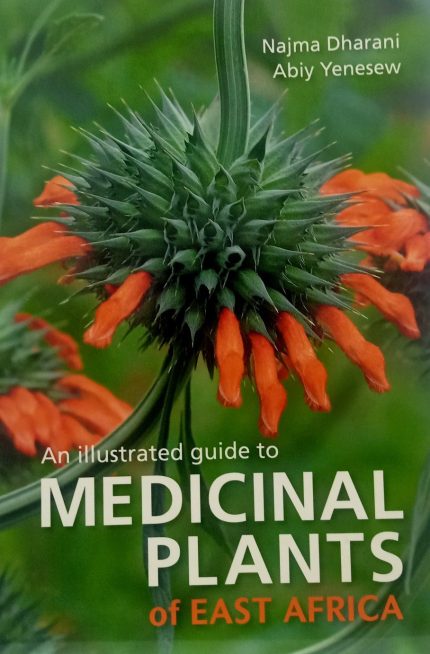
An Illustrated Guide Medicinal plants...

KShs6,000.00 KShs5,500.00
Medicinal Plants of East Africa is a fully illustrated guide to 136 East African plants with important medicinal applications. Initially released in 2010, this fully revised edition updates the species descriptions, photographs and range of medicinal uses, and expands on the pharmacological properties of the plant parts. Supported by more than 600 photographs, the book: • describes the characters and ecology of each plant to aid identification • lists indigenous names of species in 92 languages spoken in the region • details the medicinal uses of the different plant parts by drawing on traditional knowledge • includes recipes for the preparation and administration of remedies used to treat common ailments and afflictions • discusses the active chemical compounds found in each plant to explain and unpack the healing properties at work Covering Kenya, Tanzania, and Uganda, this volume is a vital addition to the bookshelves of botanists, health and wellness practitioners, students, travelers, and all who have an interest in the healing properties of plants.  

Kintu by Jennifer Nansubuga Makumbi

KShs2,190.00 KShs1,990.00
Brief Summary Uganda’s history reimagined through the cursed bloodline of the Kintu clan in an award-winning debut. In 1750, Kintu Kidda unleashes a curse that will plague his family for generations. In this ambitious tale of a clan and of a nation, Makumbi weaves together the stories of Kintu’s descendants as they seek to break from the burden of their shared past and reconcile the inheritance of tradition and the modern world that is their future. In 1754, Kintu Kidda, Ppookino of Buddu Province, in the kingdom of the Buganda, sets out on a journey to the capital where he is to pledge allegiance to the new kabaka of the realm. Along the way, a rash action in a moment of anger unleashes a curse that will plague his family for generations. Time passes and the nation of Uganda is born. Through colonial occupation and the turbulent early years of independence, Kintu’s heirs survive the loss of their land, the denigration of their culture and the ravages of war. But the story of their ancestor and his twin wives Nnakato and Babirye endures. So too does the curse. In this ambitious tale of a family and of a nation, Jennifer Nansubuga Makumbi skilfully weaves together the stories of Kintu’s descendants as they seek to break with the burden of their shared past and to reconcile the inheritance of tradition and the modern world that is their future.

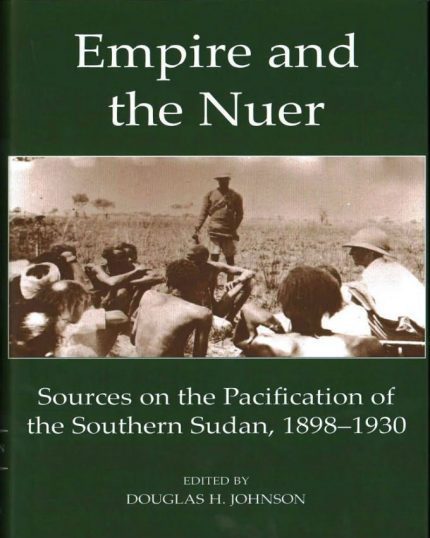
Empire and the Nuer Documents and Tex...

KShs15,000.00 KShs11,500.00
The documents edited here cover the significant events in the contact, conquest, and pacification of the Nuer from 1898 to 1930. They contain some of the earliest 20th-century ethnographic descriptions of the Nuer and their Dinka and Mabaan neighbors. Together these sources provide a historical context for further understanding Evans-Pritchard's ethnography, as well as a more detailed understanding of the events that led to incorporation of the Nuer into the colonial state.  

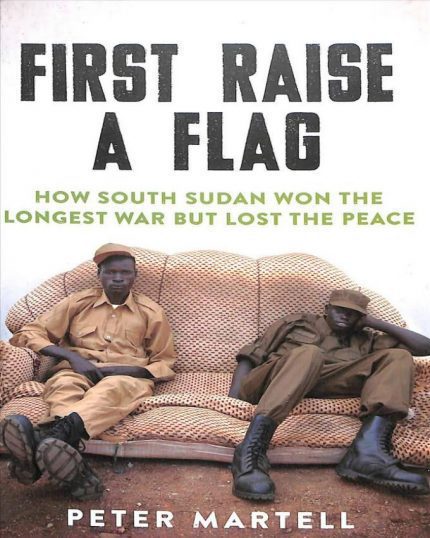
First Raise a Flag How South Sudan Wo...

KShs6,000.00 KShs5,790.00
When South Sudan's war began, the Beatles were playing their first hits and reaching the moon was an astronaut's dream. Half a century later, with millions massacred in Africa's longest war, the continent's biggest country split in two. It was an extraordinary, unprecedented experiment. Many have fought, but South Sudan did the impossible, and won. This is the story of an epic fight for freedom. It is also the story of a nightmare. First Raise a Flag details one of the most dramatic failures in the history of international state-building. Three years after independence, South Sudan was lowest ranked in the list of failed states. War returned, worse than ever. Peter Martell has spent over a decade reporting from palaces and battlefields, meeting those who made a country like no other: warlords and spies, missionaries and mercenaries, guerrillas and gunrunners, freedom fighters and war crime fugitives, Hollywood stars and ex-slaves. Under his seasoned foreign correspondent's gaze, he weaves with passion and colour the lively history of the world's newest country. First Raise a Flag is a moving reflection on the meaning of nationalism, the power of hope and the endurance of the human spirit.

Looters and Grabbers by Joe Khamisi

KShs3,899.00
This book is about unbridled corruption, bribery and scandalous financial skullduggery in one of Africa's most promising countries, Kenya. It is a narrative of money-laundering, mega scandals, and international wheeler-dealing, and describes how Mafia-like lobbyists have been devouring the country's resources with blatant impunity over four regimes since independence in 1963. It is an important resource for historians, students, researchers, social and political scientists, non-governmental organizations, development and anti-corruption agencies.