Showing 101–120 of 132 results

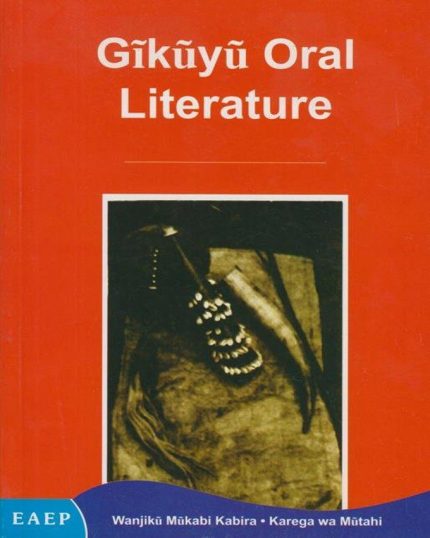
Gikuyu Oral Literature by Wanjiku Muk...

KShs1,000.00 KShs750.00
This book offers an intimate initiation into the oral literature of the Agikuyu people of Kenya. The authors offer examples of oral narratives, proverbs, songs, riddles and poetry collected from live performances, many of which they have themselves participated in. The examples are rendered both in the Gikuyu language of performance and in the English translation. The authors have succeeded in conveying the atmosphere of the actual performance by remaining faithful to the conversational language of narration or recitation. Each narrative, even when very much a part of a commonly-held tradition, comes out with the originality of the performance of a particular, individual artist. And the songs are presented as they have been sang for particular occasions - by individualized singers who express a cultural and value world through a particularized mood and emotion. The authors also feature quite prominently the performance of two gicandi artists. Gicandi is a uniquely Gikuyu artform - a poetry recited to the accompaniment of the music of the gicandi instrument. With its good examples, lucid and stimulating discussion as well as questions that provoke thought, this book is an ideal support book for the secondary school and university oral literature programmes.
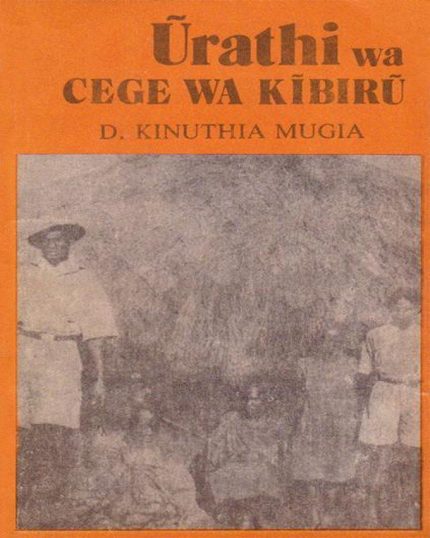
Urathi wa Cege wa Kibiru by D. Kinuth...

KShs700.00 KShs450.00
Ibuku rīīrī rīna rīa Ūrathi wa Cege wa Kībirū rīna ūhoro woothe wa mūrathi mūhe gītīīyo na Agīkūyū, kuma gūciarwo gwake, gūkūra, kūrua gwake, ona ūrīa aanjirie kūratha na maūndū marīa aarathire na marīa marīīkītie kūhiinga. Ibiku rīīrī rīna moothathi mangī maingi ma arathi Agīkūyū, nyīmbo cia tene, marebeta na ngano. Written in gīīgīkūyū, this book is about the renown prophet of the Agīkūyū, Cege wa Kībirū - commonly known as 'Mūgo wa Kībirū'. Read about his childhood, how he started prophesying, all his prophecies, their interpretation and which ones have come to pass. This book also features prophecies from other Agīkūyū prophets, proverbs, songs among other stories.

English Swahili-Kalenjin : nouns pock...

KShs400.00 KShs300.00
English Swahili-Kalenjin : nouns pocket dictionary by Taaitta Toweett

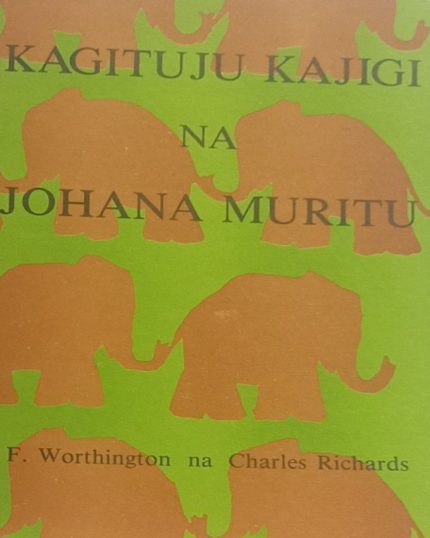
Kagituju Kajigi na Johana Muritu Meru...

KShs500.00 KShs250.00
Kagituju Kajigi na Johana Muritu [Meru : Hare is a Rascal and Simple John] Unknown Binding – 1 Jan. 1994 by Frank &Charles Richards Worthington

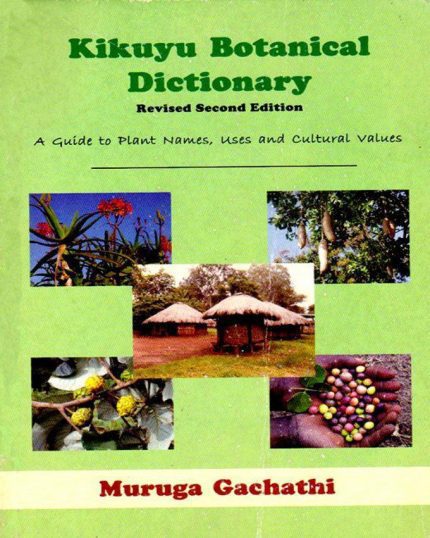
Kikuyu Botanical Dictionary by Muruga...

KShs1,590.00 KShs1,200.00
Brief Summary First published in 1989, this revised edition seeks to preserve the Agīkūyū plant knowledge and wisdom acquired through the ages so that it will continue to be available to all.
  • Describes over 400 plants, their use and cultural values.
  • Illustrated with 100 colour photographs to aid in identification.
  • Lists plants according to their use and value: food, medicinal and ceremonial values etc as well.
  • Provides scientific, English and common names of the plant with their GÄ«kÅ«yÅ« name equivalent.
  • This is a must-have book for all indigenous-tree lovers out there!
Muruga Gacathi is a plant taxonomist. He hails from Thika, Kiambu County. He holds an international diploma in Herbarium Techniques of the Royal Botanic Gardens, Kew and a Master's degree in plant and fungal Taxonomy of the University of Reading, UK. Having worked for Kenya Forestry Research Institute (KEFRI), Muruga has keen interest in ethnography and has worked with different communities in an effort to reveal plants that are of use or value for the purpose of creating awareness and conservation of the species and the environment.

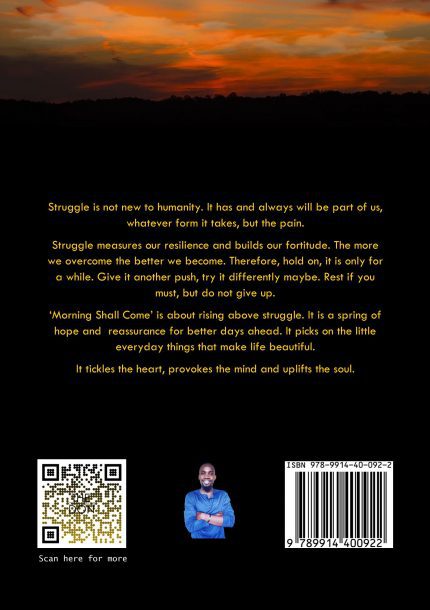
Morning Shall Come by Ouma Don Collins

KShs1,000.00 KShs800.00
Brief Summary Struggle is not new to humanity. It has and always will be part of us, whatever form it takes, but the pain. Struggle measures our resilience and builds our fortitude. The more we overcome, the better we become. Therefore, hold on, it is only for a while. Give it another push, try it differently maybe. Rest if you must, but do not give up. ‘Morning Shall Come’ is about rising above struggle. It is a spring of hope and reassurance for better days ahead. It picks on the little everyday things that make life beautiful. It tickles the heart, provokes the mind and uplifts the soul.  

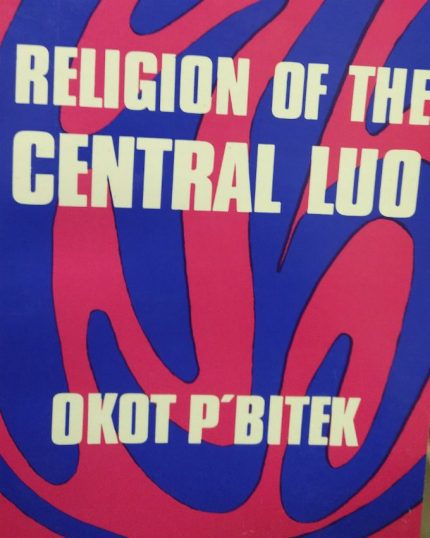
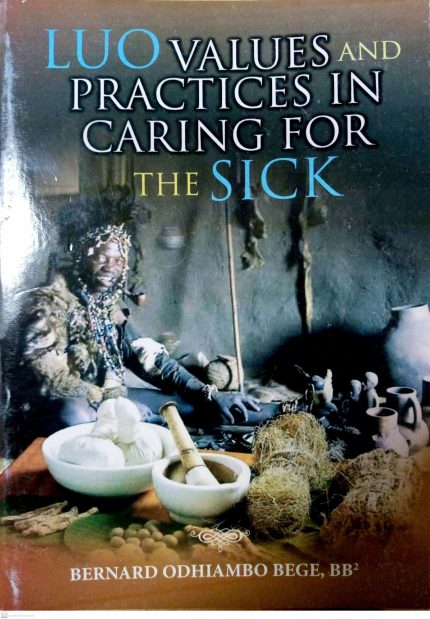
Luo Values and Practices in Caring Fo...

KShs1,500.00 KShs1,490.00
Brief Summary This book explores the values and practices in the Luo in caring for the sick in their traditional society

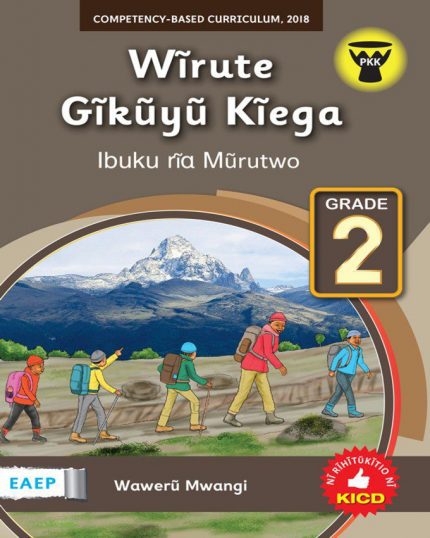
Wirute Gikuyu Kiega By Waweru Mwangi ...

KShs600.00 KShs450.00
Brief Summary Wirute Gikuyu Kiega By Waweru Mwangi GD2 (Approved)

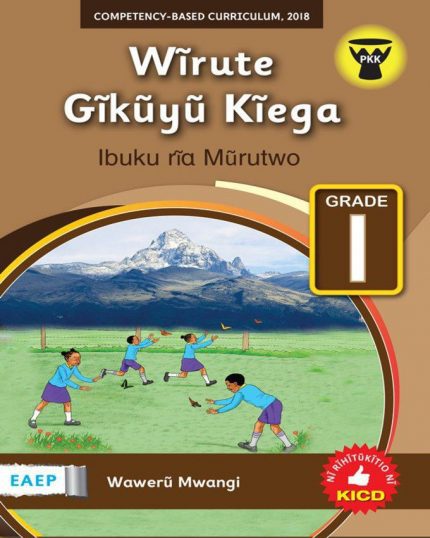
Wirute Gikuyu Kiega by Waweru Mwangi ...

KShs600.00 KShs450.00
Brief Summary Wirute Gikuyu Kiega by Waweru Mwangi GD1 (Approved)

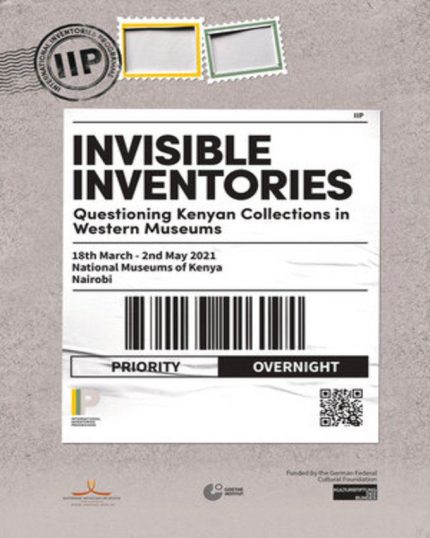
Invisible Inventories: Questioning Ke...

KShs1,000.00 KShs500.00
How can Kenyan cultural objects that are in the possession of cultural institutions in Europe and the US be made accessible in Kenya? This question is being investigated by the exhibition series Invisible Inventories, which opens on the 18th of March at the National Museums of Kenya in Nairobi—in the absence of said historical objects.

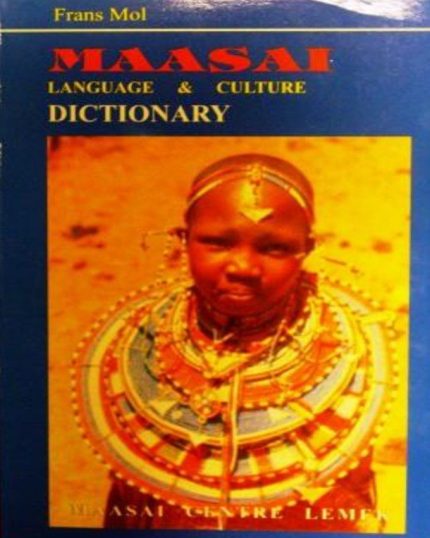
Maasai: Language and culture dictiona...

KShs2,500.00 KShs2,199.00
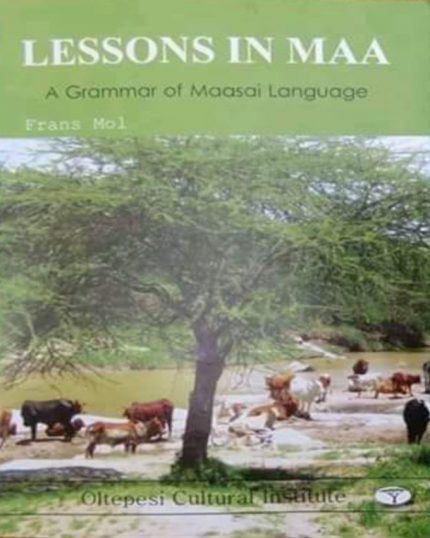
A dictionary of the language used by one of most famous ethnic groups of Kenya - the Maasai's. The book includes also a draft on grammar.

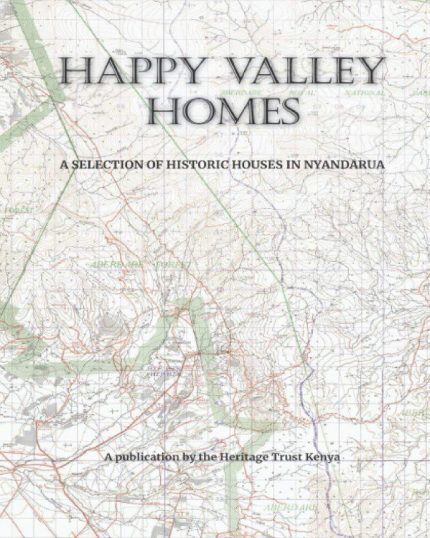
Happy Valley Homes A Selection Of His...

KShs1,290.00 KShs1,090.00
Brief Summary This booklet is a publication for the Heritage Trust Kenya, a Kenyan non-profit organization and all proceeds will go to the Trust. It contains photographs and brief histories of an assortment of houses in and around Happy Valley in Nyandarua County. Names used in reference to each house refer to former owners or names of their farms. Author: Heritage Trust Kenya

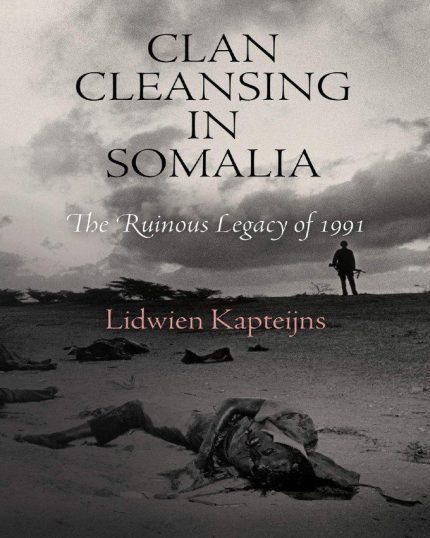
Clan Cleansing in Somalia The Ruinous...

KShs5,000.00 KShs3,999.00
Brief Summary In 1991, certain political and military leaders in Somalia, wishing to gain exclusive control over the state, mobilized their followers to use terror—wounding, raping, and killing—to expel a vast number of Somalis from the capital city of Mogadishu and south-central and southern Somalia. Manipulating clan sentiment, they succeeded in turning ordinary civilians against neighbors, friends, and coworkers. Although this episode of organized communal violence is common knowledge among Somalis, its real nature has not been publicly acknowledged and has been ignored, concealed, or misrepresented in scholarly works and political memoirs—until now. Marshaling a vast amount of source material, including Somali poetry and survivor accounts, Clan Cleansing in Somalia analyzes this campaign of clan cleansing against the historical background of a violent and divisive military dictatorship, in the contemporary context of regime collapse, and in relationship to the rampant militia warfare that followed in its wake. Clan Cleansing in Somalia also reflects on the relationship between history, truth, and post conflict reconstruction in Somalia. Documenting the organization and intent behind the campaign of clan cleansing, Lidwien Kapteijns traces the emergence of the hate narratives and code words that came to serve as rationales and triggers for the violence. However, it was not clans that killed, she insists, but people who killed in the name of clan. Kapteijns argues that the mutual forgiveness for which politicians often so lightly call is not a feasible proposition as long as the violent acts for which Somalis should forgive each other remain suppressed and undiscussed. Clan Cleansing in Somalia establishes that public acknowledgment of the ruinous turn to communal violence is indispensable to social and moral repair, and can provide a gateway for the critical memory work required from Somalis on all sides of this multifaceted conflict.