





ENJOY FREE DELIVERY WITHIN NAIROBI FOR ORDERS ABOVE 10,000
Nuria App
Kenyan Shilling (KSh)
  • Kenyan Shilling (KSh)
  • United States (US) dollar ($)
  • Pound sterling (£)
  • Ugandan Shilling (UGX)
0 Wishlist
Login / Register
  • Home
  • Shop
  • Kenyan Books
  • Rare Books
  • Gift Card
  • Blog
  • Contact Us
  • SELL ON NURIA
  • VENDOR LOGIN
Menu
18 items KShs29,015.00
Browse Categories
  • Kenya Books
  • Rare Books
  • International Bestsellers
  • Self Help & Motivation
  • Fiction
  • Autobiography
  • Business
  • Children’s Books
  • Kids & Teens
  • African Interest
  • Educational Books
  • Romances & Thrillers
HELP / SUPPORT

0794 233 261

18 items KShs29,015.00
View basket “Beyond the Blackboard: A Testimonial” has been added to your basket.
View basket “Riding With Giants by Peter Holmes a ...” has been added to your basket.
View basket “DIARY OF A WIMPY KID” has been added to your basket.
View basket “Beyond the Blackboard: A Testimonial” has been added to your basket.
-20%
Click to enlarge
Home Books Business History Gusii Soapstone Industry:Critical issues, Opportunities, Challenges & Future Alternatives
ITS A SHE: A TALE OF LIFE, LOSS AND LOVE BY MAGDALENE MATTHEWS KShs2,000.00 KShs1,500.00
Back to products
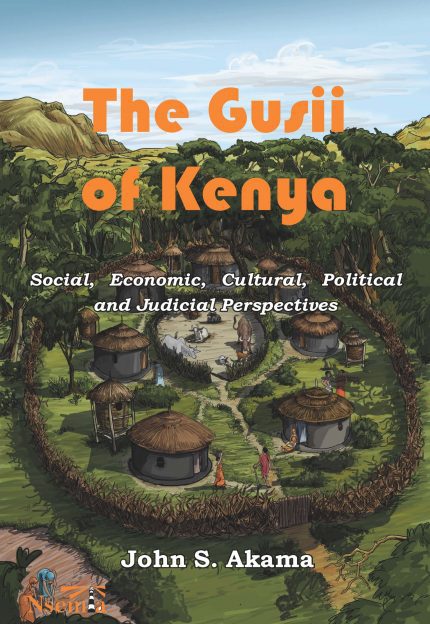
The Gusii of Kenya by John S. Akama KShs1,800.00 KShs1,600.00

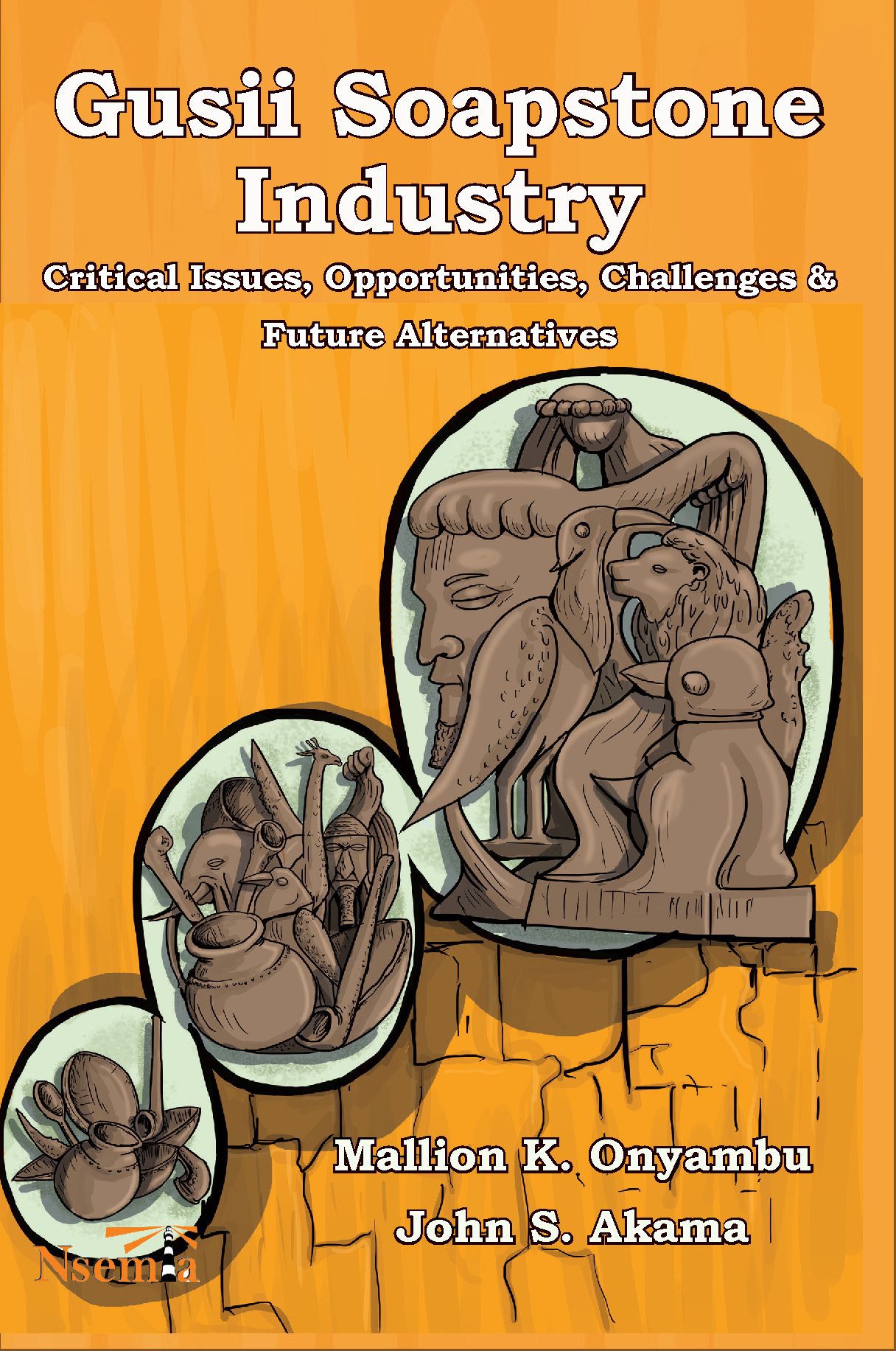
Gusii Soapstone Industry:Critical issues, Opportunities, Challenges & Future Alternatives

KShs1,000.00 KShs800.00

Nuria Ranking: #27 in History

Purchase this product now and earn 2 Points!

As is the case with most African indigenous industries, not much research has been done on
the Gusii soapstone industry. Consequently, the main aim of this book is to fill the identified
gap. Specifically, this book traces the origin of the Gusii soapstone industry, going through
various stages, i.e. the Pre-Colonial, Colonial and Post-Colonial periods. Within this historical
context, the book provides an elucidation of the social, economic, political and cultural factors
that have impacted on the evolution and/or development of the soapstone industry. A critical
issue captured in the book is the fact that, over the years, the soapstone handicraft products
have been transformed from being items of utility for the local people to, mainly, becoming
non-utility items that are sold to outsiders, particularly international tourists as unique pieces
of indigenous handicraft and/or African art. However, it should be noted that, notwithstanding
this transformation, indigenous cultural attributes and/or cultural themes that would have
otherwise disappeared, due to increased impacts of globalization, are being preserved by the
sculpturing of unique indigenous soapstone products. Furthermore, currently, the soapstone
industry has become a major source of livelihood for the Gusii people of Tabaka in
Southwestern Kenya.
This book provides a lucid articulation of various facets (i.e., social, economic, cultural and
political perspectives) of the Gusii soapstone industry, and the fundamental factors that have
made the industry survive, over the years, notwithstanding the introduction of mass produced
goods from the Western world. The conceptualization of the role of the indigenous industry in
promoting sustainable livelihood is clearly brought out, and is presented within the broader
milieu of the Gusii society. The book provides excellent reading for anyone interested in having
proper perspectives on the history and the overall development of the Gusii soapstone industry.
Elkanah Ong’esa, a world renowned artist and soapstone sculptor.
As much as the soapstone sculptures are found in museums, art galleries, curio shops and
people’s homes in most major cities of the world, not much research and documentation of
these unique indigenous industry initiatives has been done. In light of that, this book on the
Gusii soapstone industry fills a critical niche and is quite handy for people from all walks of
life and academia looking for up to date information on the Gusii soapstone industry. Dr.
Margaret Barasa, Anthropolinguistic Expert, and Dean, Faculty of Arts and Social
Sciences, Kisii University, Kenya.
Most literature on African indigenous industries, such as soapstone mining, carving and
marketing, is based on Eurocentric approach which looks at these industries and African art as
exotic items for the pleasure of Western gentry and middleclass. Adopting an Afrocentric
approach, this book provides a refreshing analysis of the history, transformation and growth of
the Gusii soapstone industry; an indigenous initiative that has evolved, systematically, over the
years, and has shown a lot of resiliency in the face of many complex challenges. The book is
recommended to people who want to have a proper perspective of similar indigenous industries
and the Gusii soapstone industry in particular. Matunda Nyanchama, Publisher.
This book looks at the resilience of the soapstone industry in Gusii. It shows that the soapstone
carvings as currently developed by the Gusii people may have its origin in ancient traditions
that dates back to hundreds and perhaps thousands of years. It also gives a good historical
analysis of the growth and development of the soapstone industry. It will goes a long way in
illuminating critical aspects of the Gusii soapstone industry. Herman Kiriama, Senior
Research Fellow, Kisii University, Kenya.

Your order qualifies for free delivery within Nairobi!
Add to wishlist
Category: History Tags: Academic Books, African Books, Ekegusii Books, Kenya History, Kenya. Kenyan Books
Share:
Close
  • Shipping
  • Reviews (0)
  • Vendor Info
  • More Products
Shipping
Reviews (0)
Rated 0 out of 5
0 reviews
Rated 5 out of 5
0
Rated 4 out of 5
0
Rated 3 out of 5
0
Rated 2 out of 5
0
Rated 1 out of 5
0

Reviews

Clear filters

There are no reviews yet.

Be the first to review “Gusii Soapstone Industry:Critical issues, Opportunities, Challenges & Future Alternatives” Cancel reply

Your email address will not be published. Required fields are marked *


Vendor Info

Vendor Information

  • Store Name: Nsemia Inc Publishers
  • Vendor: Linda Kiboma
  • No ratings found yet!
More Products
-17%

Betwixt Mountain and Wilderness

Kenya Fiction
KShs1,200.00 KShs1,000.00
Set in the last decade of pre-independence Uganda, Betwixt Mountain and Wilderness is the story of an intensively sensitive, impressionable and introspective high school leaver, who goes on a fascinating adventure of discovery. It is progressively and simultaneously an adventure at cultural, intellectual, political and spiritual levels. Upon his final homecoming, to his utter amazement, the all-pervasive mountain of his excited childhood places, new, least-expected demands on him, leading to dire consequences
Add to wishlist
Add to basket
Quick view
-10%

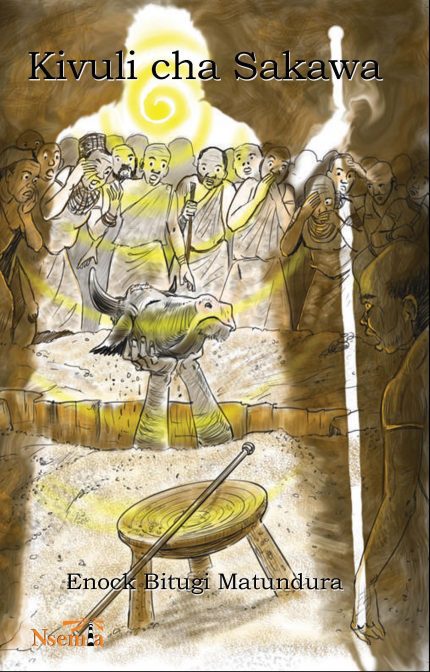
Kivuli cha Sakawa

Others - Kiswahili
KShs1,000.00 KShs900.00
Kivuli cha Sakawa (Sakawa's Ghost) , written in Kiswahili, the major lingua franca in the East African region, is a story about one of Africa's legendary heroes who was at the forefront in the battle against colonialism and its evils. Legend has it that he was a seer and that many of his predictions have come to pass. In this this story, Sakawa finds himself at crossroads following the death of his father, a prominent leader in his own right. Conservative elders in his community who feel threatened by this youngster destined to be a great leader fight him tooth and nail to subdue his shinning star. Will they succeed? Sakawa Ng'iti indeed existed and lived among the Abagusii community in western Kenya at the turn of 19th Century (1800). The unfolding episode in this book did indeed take place, although probably in slightly a different way. By chronicling this episode, the author gives the story a new lease of artistic life and offers opportunity for others to comments and/or offer versions of the story as they understand it.
Add to wishlist
Add to basket
Quick view
-40%

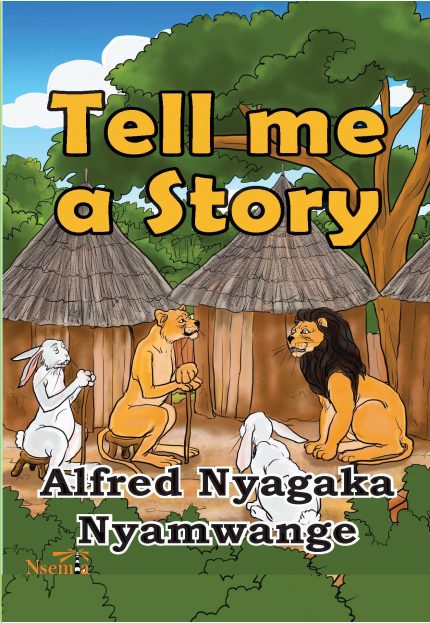
Tell me a Story

Kids & Teens
KShs1,000.00 KShs600.00
Folk tales were a major ingredient of community lore in traditional society, a craft that is almost forgotten in modern society. Not only are the stories lost but with the loss goes the cultural and social activities that were the fabric that undergirded the craft and strengthened community bonds. Tell Me a Story draws from this traditional storytelling culture. It is an attempt to preserve that unique craft of storytelling, the stories and the lessons that came with the tales. It is noteworthy that such traditional folklore was not only entertaining but was also a source of moral lessons that informed society’s day-to-day well-being. The collection of ten folktales touches on societal aspects such as trust, greed, friendship, respect, and deception, among many others. In the process, the author gives readers a glimpse of the foundations that kept society strong. The lessons, therein, are as relevant today as they were in times that have passed, underlining the fact that human beings have hardly changed despite advances made over many centuries. What others say: “Very imaginative with moral lessons that can be learnt from the conduct of the characters. Presented in the tone of pre-literate society storytelling, they take the reader on a captivating journey.” – Harriet Irungu, Editor and Student of Literature. “This is an invaluable collection of stories that captures both the craft of storytelling and the moral lessons that come with the stories. It is a timely publication for modern times where values and community interest are on a downward slide.” – Anonymous
Add to wishlist
Add to basket
Quick view
-22%

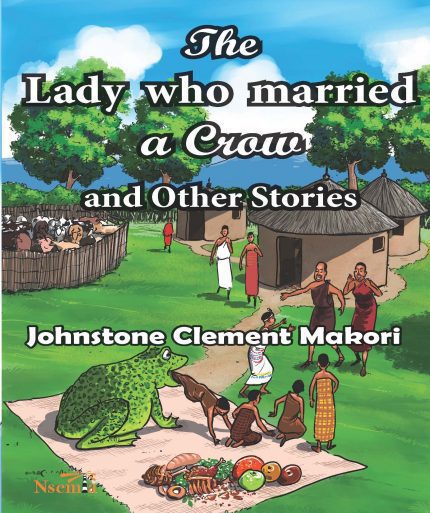
The Lady who Married a Crow

Quick Reading English
KShs900.00 KShs700.00
In The Lady who married a Crow and Other Stories J. C. Makori brings rare tales and storytelling from the past. The stories capture a tradition and wisdom which, if not documented, would disappear all the same. Storytelling was at the core of the social fabric of the people of the past. It brought together the young and old, and the raw and experienced. Through this interactive process, the community’s cumulative knowledge, experiences and wisdom were passed from generation to generation. The process further cemented the place of the storytellers as custodians of community wisdom, values and history. In this collection, the author has given a glimpse into that past, the lessons the community treasured and wisdom embedded in the stories. Written in the style of the original oral form, the tales offer lessons, and insights into history and culture that could inform the present and shape the future. What others say “The stories in this collection are compelling, painting vivid images in the reader’s mind through immersing the reader in the world of the different characters and the community in which the stories are set! The book adds a much needed African folk tale resource, and can be used as a pedagogical tool and for recreational reading.” – Grace Wangari, Children’s Book Editor. “This is thrilling collection that would interest readers across age sets. The stories offer moral lessons such as the value of truthfulness, kindness and good relations.” – Bethsheba Nyabuto, Book Designer/Editor.
Add to wishlist
Add to basket
Quick view
-17%

Factors that Determine Entrepreneurial Behaviour in Micro and Small Enterprises in Kenya

Business
KShs1,800.00 KShs1,500.00
Entrepreneurship is critical to economic development of any nation. Entrepreneurs continually innovate and invent, and as they commercialize the innovations and inventions, they create goods and services. In the process they create new markets, services and products as well as employment. Factors that Determine Entrepreneurial Behaviour in Micro and Small Enterprises in Kenya provides insights into entrepreneurship in Kenya. The book offers practical observations on the state of entrepreneurship in Kenya. It is a good reference for scholars, teachers and students of business and economics, both at undergraduate and post-graduate levels. It is a must read for scholars, practitioners and enthusiasts of entrepreneurial education and knowledge. What Others Say "This book makes a very useful contribution to understanding the factors that affect entrepreneurial behaviour. It will add great value in the field of entrepreneurship." - Henry M Bwisa, Professor of Entrepreneurship, Jomo Kenyatta University of Agriculture and Technology. "The practical approach, based on case study and research results in this book, offers powerful insights into entrepreneurial behaviour in the Kenyan economic landscape. This in invaluable resource for students of entrepreneurship in developing countries." - Book Editor
Add to wishlist
Add to basket
Quick view
-25%

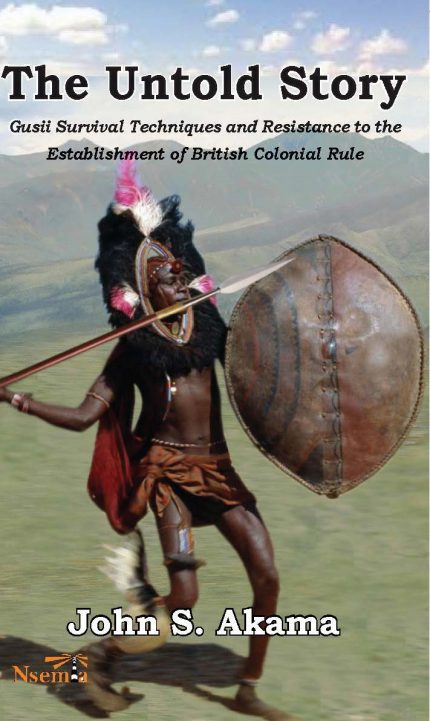
The Untold Story:Gusii Survival Techniques and Resistance to the Establishment of British Colonial Rule

History And Government
KShs800.00 KShs600.00
The Untold Story, Gusii Survival Techniques and Resistance to the Establishment of British Colonial Rule. There is little written about the resistance to the establishment of the British colonial rule in Gusii. The scant knowledge available on this historical phenomenon in Kenya is inaccurate and intentionally distorted in favour of the colonial master. The truth, contrary to the incorrect histories presented by the British, is that the Kings African Rival soldiers suffered humiliating defeat in their initial encounter with Gusii warriors. It was a landmark historical event. Otenyo Nyamaterere is incorrectly portrayed as a frustrated and deranged lone-ranger who was high on narcotics when he attacked with a spear and injured the first District Commissioner of Kisii, Geoffrey Northcote. In a fierce rebuttal to this falsehood existing in colonial narratives, this book attempts to correct this erroneousness portrayal of a lead warrior who valiantly came out in defense of community and its lands. And there is context to this resistance. Over many years, the Gusii had honed their fighting skills and survival strategies from the many years of struggle against the hostile and warlike neighbours – the Maasai, the Kipsigis and the Luo. These skills and strategies that came in handy when later the Gusii faced a more formidable external aggressor – the Kings African Rival soldiers. The Gusii warriors fought with valour, demonstrating great fighting skills in their encounter with these forces of conquest even as the latter were better armed. Inevitably the warriors lost, defeated due to the British superior weaponry. The Gusii weapons and hand to hand combat fighting could not match the British gun power.
Add to wishlist
Add to basket
Quick view

Related products

Britains Gulag The Brutal End of Empire in Kenya by Caroline Elkins

Books, African Interest
KShs2,890.00
Britain fought in the Second World War to save the world from fascism. But just a few years after the defeat of Hitler came the Mau Mau uprising in Kenya - a mass armed rebellion by the Kikuyu people, demanding the return of their land and freedom. The draconian response of Britain's colonial government was to detain nearly the entire Kikuyu population of one-and-a half-million - to hold them in camps or confine them in villages ringed with barbed wire - and to portray them as sub-human savages. From 1952 until the end of the war in 1960 tens of thousands of detainees - and possibly a hundred thousand or more - died from the combined effects of exhaustion, disease, starvation and systemic physical brutality. Until now these events have remained untold, largely because the British government in Kenya destroyed most of its files. For the last eight years Caroline Elkins has conducted exhaustive research to piece together the story, unearthing reams of documents and interviewing several hundred Kikuyu survivors. Britain's Gulag reveals what happened inside Kenya's detention camps, as well as the efforts to conceal the truth. Now, for the first time, we can understand the full savagery of the Mau Mau war and the ruthless determination with which Britain sought to control its empire.
Add to wishlist
Add to basket
Quick view
-33%

Unbounded by Boniface Mwangi

Books, African Interest
KShs3,000.00 KShs2,000.00
Brief Summary In just over a decade, Boniface Mwangi has risen from poverty to prominence in Kenya. He is renowned for his powerful photographs and his courageous protests calling for social justice. However, little is known about the man himself. Unbounded is a collection of engaging personal stories that takes us through some of the people, places and events that have shaped Boniface, easily one of Kenya best known photographers and activists. It is a portrait of the child, the man and some of the human, harrowing and even humorous episodes that he has witnessed and photographed. This book tells of the two remarkable women - his mother and grandmother - who influenced his character and inspired his drive to raise awareness about poverty, inequality and corruption. His work as a photo-activist is grounded in social engagement, collective action and the need for justice. This is the story of a man of determination and warmth, a man who lives his life to make a difference. We cannot change the world as individuals. We can only change the world together.
Add to wishlist
Add to basket
Quick view
-15%Sold out

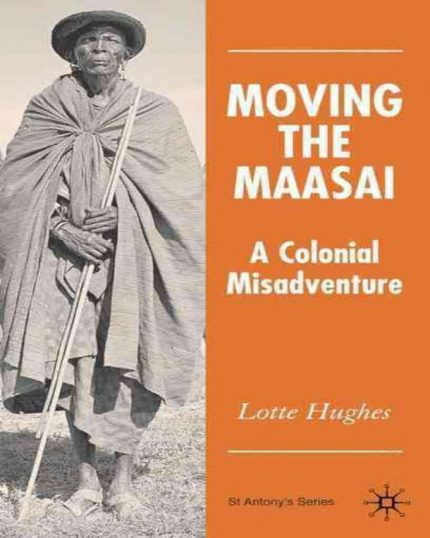
Moving the Maasai A Colonial Misadventure by Lotte Hughes

Books, African Interest
KShs7,500.00 KShs6,399.00
This is the scandalous story of how the Maasai people of Kenya lost the best part of their land to the British in the 1900s. Drawing upon unique oral testimony and extensive archival research, Hughes describes the intrigues surrounding two enforced moves and the 1913 lawsuit, while explaining why recent events have brought the story full circle.
Add to wishlist
Read more
Quick view
-20%Sold out

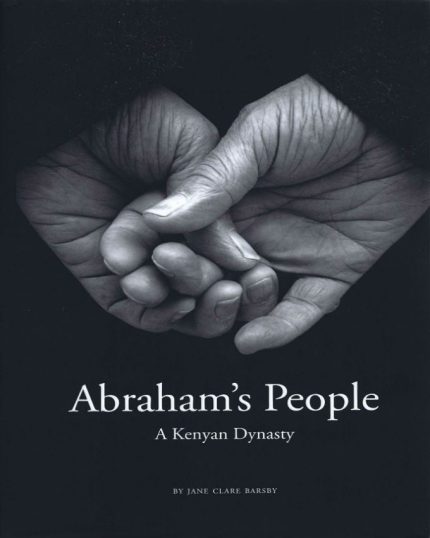
Abrahams People a Kenyan Dynasty by Jane Barsby

Books, African Interest
KShs5,000.00 KShs3,999.00
Brief Summary The book, all 400 pages of it, sticks largely to the script of facts but unlike many other biographies brings Abraham’s journey alive, saturated with anecdotes, narrating the many twists in the tail of Abraham’s life as if the author had been the proverbial fly on the wall at times. Jane manages to find that perfect blend of what story telling should embrace, an embroidery of facts and at times a bit of fiction surely, giving readers of the book ‘Abraham’s People’ the impression of reading a novel rather than a dry story dictated entirely by time lines and actual events. Abraham’s escape route took him to Britain first, still as a young lad, before taking a leap into the unknown when he decided to first go to South Africa in 1901 to join up with his father, working his passage as a ‘grease monkey’ in the engine room before finally making his way to Kenya in 1903 at the age of 20. The first chapters in the book are dedicated to the story of his forefathers, how they came to Lithuania where they first prospered and then suffered under increasingly intolerant rulers, leading up to the days when first his father had to flee for his dear life before, almost one by one, the rest of the family managed to make their getaway. It must have been in those days in Leeds, when a little acorn took root in Abraham’s mind, germinating along the way, taking shape and eventually becoming a vision taking visible shape. His arrival at the port of Mombasa and the rail journey on the ‘Lunatic Express, aka as The Iron Snake’, his stepping off the train in Nairobi, back then but a depot for the railway, around which a town had just started to grow, his first meetings with contemporaries who were part of Kenya’s colonial history, all is meticulously captured by the author. Again it almost appears that Jane Barsby was present or else managed to train her looking glass back in time as she describes how Abraham met with Tommy Woods on arrival in Nairobi, who became a fast friend, or how Abraham made a quick 25 pounds profit on a land deal, which he struck with one of the Asian community’s icons Mr. Jevanjee and how he then ventured into business, farming, ranching and deal making, soon becoming part of the colonial Kenya’s ‘furniture’ too. The author ably sums up Abraham’s business acumen when she describes him as basically a jack of all trades with an uncanny ability to smell money if it could be made somewhere by buying or selling, investing or trading, importing and exporting. As the chapters add up, more and more insight is given into the life Abraham lived, the setbacks he suffered and his almost throwing in the towel had it not been for Lord Delamare, the Kenyan colony’s leading aristocrat and an icon in his own right.
Add to wishlist
Read more
Quick view
-17%

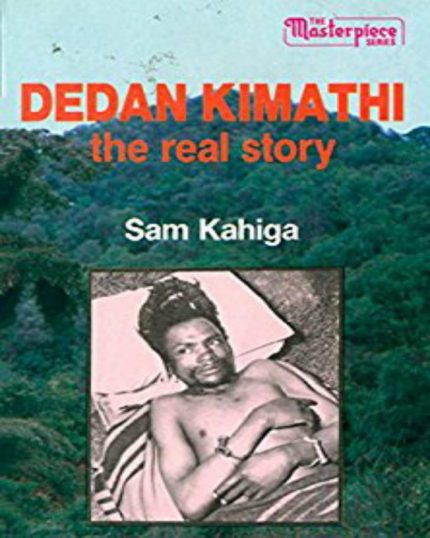
Dedan Kimathi The Real Story

Books, African Interest
KShs1,200.00 KShs1,000.00
Brief Summary "To most people, Dedan Kimathi, the man who led the Mau Mau movement in Kenya’s forests in the 1950s to win freedom from the British Empire, has remained a shadowy and enigmatic figure. Attempts to portray his heroic and fascinating life have produced varying results, ranging from historical distortion to artistic idealism. ISBN:9789966498151 Author:Samuel Kahiga
Add to wishlist
Add to basket
Quick view
-5%

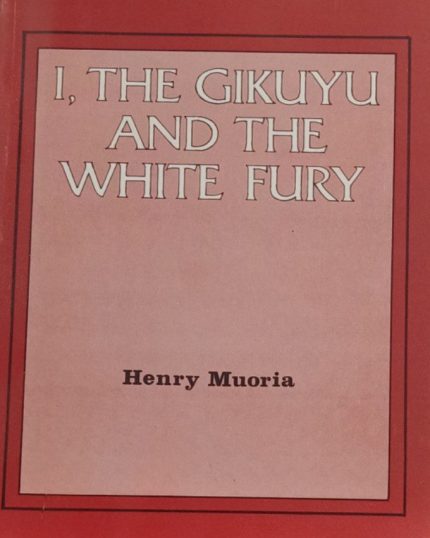
I, the Gikuyu and the White Fury by Henry Muoria

Books, African Interest
KShs999.00 KShs950.00
I, The Gikuyu and the White Fury  
Add to wishlist
Add to basket
Quick view
-9%Sold out

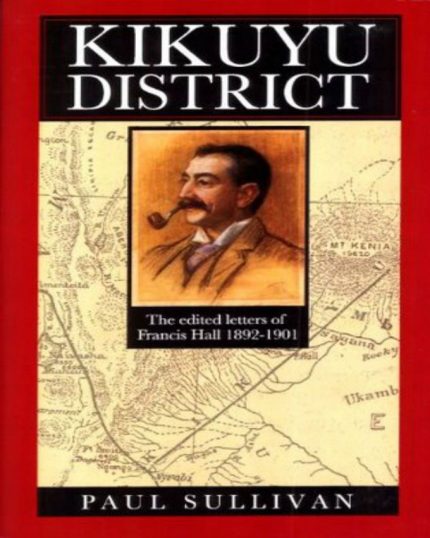
Kikuyu District by Paul Sullivan

Books, African Interest
KShs2,090.00 KShs1,899.00
Brief Summary Francis Hall's letters are among the earliest colonial record of daily life in British East Africa, now modern day Kenya. In 1892 Hall was posted to Fort Smith with orders to build 150 miles of road, to re-supply caravans between the coast and Uganda and to keep the peace between the Kikuyu and the Maasai. His was a hard life in difficult, dangerous conditions and every day was an adventure. He was gored by a rhino and mauled by a leopard, which he strangled with his rifle, and survived bush surgery and frequent bouts of malaria. While on leave in England he married Bee Russell, a colleague's sister, and they set up house together in Fort Smith. As the railway line approached, so the early European settlers started to arrive. But the railway was to change everything, and when Nairobi was established on their doorstep at the turn of the century, Fort Smith became redundant. The government first moved the Halls to Machakos and then back to Kikuyuland to establish a new fort at Mbirri. Six months later Francis Hall was dead from black water fever aged 40. Mbirri was renamed Fort Hall in his memory and today the town is called Muranga. Kikuyu District is a fascinating account of the life of an early colonial administrator and settler.
Add to wishlist
Read more
Quick view
-7%

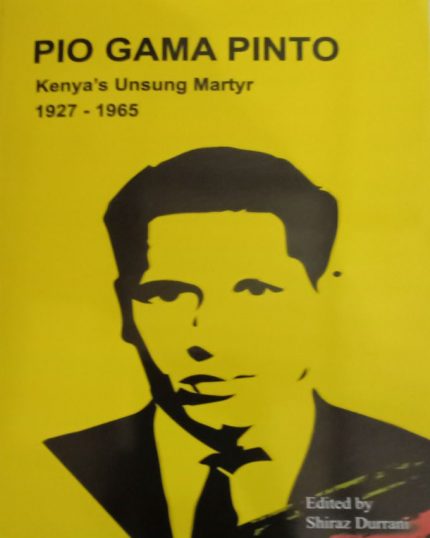
Pio Gama Pinto Untold Life Story of First Unsung Martyr

Books, African Interest
KShs3,000.00 KShs2,800.00
Pio Gama Pinto: Kenya’s Unsung Martyr 1927– 1965 is edited by Shiraz Durrani and includes letters, recollections from family and comrades and newspaper articles. Shortly after independence, Pinto was shot dead outside his Westlands home (where Sarit Centre is). He was 38. That his two-year-old daughter was in the car with him or that it was broad daylight did not deter the assassins -- they were determined to eliminate him. One stark reason to finish him, it has been argued over the years, was the fact that he was a hardcore socialist caught in the cross-hairs of neo-imperialists hell-bent on directing Kenya the capitalistic way. The 2013 report by the Truth, Justice and Reconciliation (TJRC) said his death was motivated by "ideological differences at the heart of the global cold war but also mirrored in domestic politics.” Three men were nabbed in connection with the murder. TJRC said those arrested were "scapegoats” meant to divert attention from the real killers. Fingers were pointed at the government led by Mzee Jomo Kenyatta. One of his closest friends Achieng’ Oneko, on learning about his death, would shout: "No, no, no! Kenyatta must explain! He must explain!” Kenya’s second Vice President Joseph Murumbi, also a dear friend, was the most distraught and in tears after learning of his death (Murumbi is quoted saying that Pintomade him join politics). Two weeks earlier, Pinto had been tipped that there was a plot to murder him alongside Bildad Kaggia and JD Kali due to their "secret anti-Government” activities. But did Kenyatta have a hand in Pinto’s death? Pinto after all, had fought for Kenyatta’s release from detention. The book suggests that his assassination needs to be seen in its "overall national and international” context. Durrani quotes authors who have tied his death to that of slain US black rights activist Malcolm X. The two met when Malcolm visited Kenya in 1959. Pinto was active in the fight against colonialism as well as neo-colonialism in the post-independence struggle and was targeted by colonial Portuguese Goan and British Kenyan administrations. The post-independence ruling elite ultimately silenced him. "The bullets that killed Pinto may have been fired or organized by the former home guards, now the new power brokers, but their foreign backers were the real instigators of his assassination,” writes Durrani. Pinto gave away almost all his money and not even his wife Emma, knew how much he earned. As secretary of the Pan African press, Pinto used to tell his wife that his salary was half of what he earned and gave out the other half to the poor. According to Murumbi, he didn’t own a house and was very reluctant when it was suggested. When Pinto died, poor people from all over went to his house. "It was really pathetic to see elderly Kikuyu weeping for a man who had helped them, a man who was their colleague in detention and a man who had never forgotten them,” said Murumbi. After his death, Murumbi arranged for Emma to immigrate to Canada where they became citizens. Now 90, Emma describes Pinto as a "humanist.” The author says the book has been in the works since the 1980s and blames unfavourable political climate for the cancellations and delays on any work on Pinto.  
Add to wishlist
Add to basket
Quick view
-24%

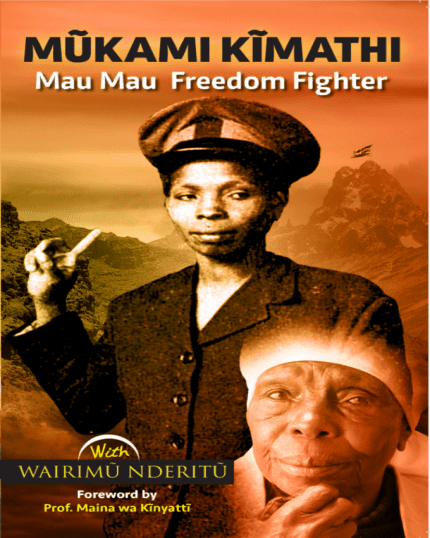
Mukami Kimathi Mau Mau Women Freedom by Alice Wairimu Nderitu

Books, African Interest
KShs2,500.00 KShs1,890.00
In 1964, a newly independent Kenya was facing the uphill task of reconstructing herself into an African State. That reconstruction was called "Africanisation”. As part of the Africanisation policy, my father, Vincent Nderitu, was posted to Sasumua Dam in Kinangop to take over from the British superintendents who were leaving the country. Not long after he had arrived, he asked the foreman, Harun Musungu, to find out where he could buy milk. That was how he met Mukami Kimathi. My father was thunderstruck. Back home in Tetu, Nyeri, his home and Mukami’s were within a walking distance. My father knew her as a legend. She was a Mau Mau heroine, the wife of Field Marshal Dedan Kimathi. My father began treating Mukami like an elder sister, fixing her fences and installing a water tank for her among other duties. When I was growing up, Mukami was the auntie through whose home we passed on our way from school; the one who made my brothers and I porridge and gave us red plums. She was not a blood relative, but we always thought she was. Mukami and her children, Nyambura and Waceke, would often come to our home in the afternoons and I would read the newspaper to her haltingly. She encouraged me saying; "When you grow up, you will write as well as you read. One day, you should write my karugano ( story) because what is not written is forgotten.” She wanted me to remind Kenyans to take care of the country the Mau Mau fought for. Her lowest point was the 2007-2008 post-election violence and often said: "Because we fought the colonialists, Kenyans now have arrow roots, sweet potatoes, bananas and yam on the table. But instead of eating, they are fighting! I wish this generation of Kenyans from all ethnic communities would rally as we did and this time emerge with, instead of independence like we did, national unity! In her story, Mukami shows us who Dedan Kimathi was as a father and husband. Her experiences provide an important complement to existing written records on Kenya’s history. Mukami Kimathi’s prophesy that I would write her karugan is now a reality. The book, Mukami Kimathi: Mau Mau Freedom Fighter, was launched at the National Museums of Kenya in Nairobi last evening. She was also proved right on another front; my sister Consolata Wakonyo became a pilot.  
Add to wishlist
Add to basket
Quick view

Looters and Grabbers by Joe Khamisi

Books, African Interest
Rated 5.00 out of 5
KShs3,899.00
This book is about unbridled corruption, bribery and scandalous financial skullduggery in one of Africa's most promising countries, Kenya. It is a narrative of money-laundering, mega scandals, and international wheeler-dealing, and describes how Mafia-like lobbyists have been devouring the country's resources with blatant impunity over four regimes since independence in 1963. It is an important resource for historians, students, researchers, social and political scientists, non-governmental organizations, development and anti-corruption agencies.
Add to wishlist
Add to basket
Quick view
-20%

Dedan Kimathi Speaks We will fight to the last gun by Maina wa Kinyatti

Books, African Interest
KShs2,500.00 KShs2,000.00
Brief Summary Dedan Kimathi Speaks: We Will Fight to the Last Gun
Add to wishlist
Add to basket
Quick view
-17%

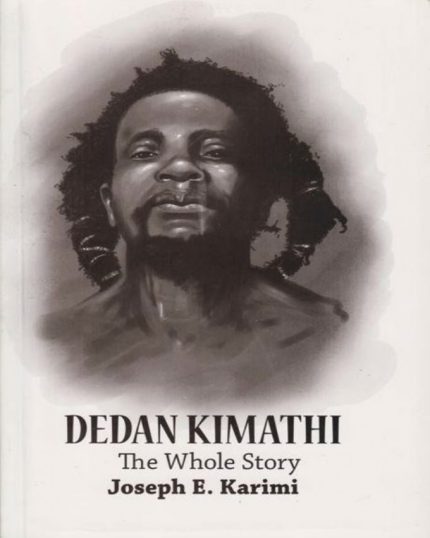
Dedan Kimathi The Whole Story by Joseph E. Karimi

Books, African Interest
KShs1,800.00 KShs1,490.00
Brief Summary Writer takes an honest look at the life and times of Dedan Kimathi, Kenya’s foremost freedom fighter at his Kimathi Street corner statue in Nairobi, a dreadlocked Dedan Kimathi is a small, frail, bent old man struggling to lift his rifle. That is the public image of the greatest Kenyan ever to live. Old, frail, starved. The sculptors were not helped by a literature that portrays Mau Mau adherents as bloodthirsty, atavistic, rural, poor and illiterate. Which child wants this for his grandpa? Yet image is everything. ISBN:9789966229724 Author:Joseph Karimi
Add to wishlist
Add to basket
Quick view
-9%Sold out

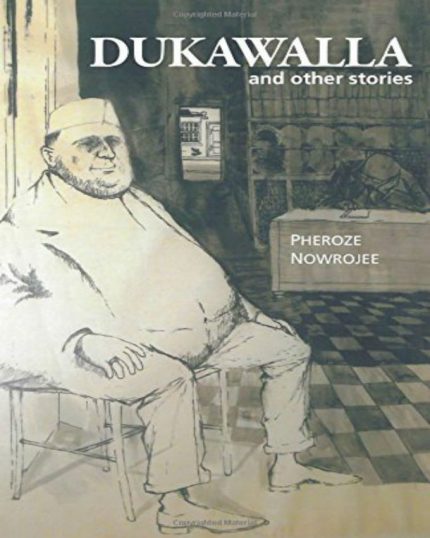
Dukawalla and Other Stories by Pheroze Nowrojee

Books, African Interest
KShs1,650.00 KShs1,499.00
In this collection of stories, Pheroze Nowrojee takes his readers on journeys into varied Kenyan, East African, and other landscapes, delving into lives and personalities equally diverse. Whether actively transforming their surroundings or being transformed by what is around them, his complex characters reflect our common humanity in sometimes ordinary and sometimes surprising—but always compelling—ways. Exquisitely told, laden with humor and beauty and poignancy, these stories are a vital addition to the East African anthology.  
Add to wishlist
Read more
Quick view
-7%

Shades of Benga The Story of Popular Music in Kenya 1946-2016

Books, African Interest
KShs7,000.00 KShs6,500.00
Brief Summary Shades of Benga: The Story of Popular Music in Kenya delves into the foundations of modern Kenyan music, examining external influences from the English waltz to Afro Cuban Rumba and how they helped mould new music styles across Africa. Rumba was brought to Eastern Africa via the itinerant Congolese musicians Edouard Masengo and Jean Bosco Mwenda who’s intricate guitar-picking styles largely shaped the present Kenyan sound, with the Benga playing a dominant role. Although dozens of works have been published over the years on various characteristics of popular music in Kenya – from conventional folk to hip hop – none captures the history of music and its players as authoritatively as Shades of Benga: The Story of Popular Music in Kenya. An informed study of some literary publications and academic papers on music immediately reveals that the writers, who frequently tend to be foreign ‘experts’, do not seek the opinions of pioneer musicians who helped shape the various genres of music. Their research is largely based on information obtained from sources that are readily available on the Internet but often not easily verifiable. As we wrote this book, we made every possible effort to engage with practitioners directly involved in creating and shaping benga in order to ensure that their collective voice remains the sole critical factor to placing the music in its proper perspective while simultaneously giving the other genres in Kenya their correct definition. We undertook the arduous task of meticulously putting together the content that would faithfully recount the remarkable story of the development of our music in a manner previously not attempted. In an effort to make this 678-page book an easy read as well as eye catching, Shades of Benga: The Story of Popular Music in Kenya features over 400 pictures. " ISBN:6164001943132 Author:Ketebul Music
Add to wishlist
Add to basket
Quick view
-15%

Facing Mount Kenya by Jomo Kenyatta

Books, African Interest
KShs1,990.00 KShs1,690.00
Brief Summary Facing Mount Kenya An eminent scholar and nationalistic leader presents a study of African tribal life as represented in his own Kikuyu society Full description
Add to wishlist
Add to basket
Quick view
-25%

Coming of Age Strides in African Publishing Essays in Honour of Dr Henry Chakava at 70

Books, AutoBiography
KShs2,000.00 KShs1,500.00
The sixteen chapters in this book form a Festschrift in honour of Henry Chakava, the distinguished Kenyan publisher. With a Forward by Tanzanian publisher Walter Bgoya , his long-time collaborator in furthering the causes of independent African publishing, the topics cover the full range of issues in which he has been central over more than forty years. His notable achievements include the first local buy-out of a British multinational publishing house, being one of the founders of African Books Collective and the African Publishers' Network, and participation in international counsels such as the Bellagio Publishing Network. Amongst the contributors are prominent Kenyan authors Ngugi wa Thiong'o, Simon Gikandi and Micere Githae Mugo; Kenyan colleagues from the book trade world; close collaborators in Uganda and Nigeria, and some international colleagues. The greatest range of the contributors are from within Africa. There are subject specific chapters on such issues as training, copyright, publishing in the digital age, and an overview of publishing at Codesria including the vexed issue of marginalisation of African language publishing.  
Add to wishlist
Add to basket
Quick view
delivery

QUICK DELIVERY

Swift dispatch
ONLINE PAYMENT

Multiple options

EXPERT SUPPORT

Help when you need it

WIDE VARIETY

Thousands of books

GLOBAL SHIPPING

Worldwide delivery

  • TALK TO US
    • 0794 233261 / 0724 670194
    • nuriakenyabookstore@gmail.com
    • The Bazaar Building, 1st Floor
  • About Nuria
    • Our Story
    • Blog
    • Contact Us
  • VENDORS
    • Sell on Nuria
    • Vendor Login
    • Privacy Policy
  • USEFUL LINKS
    • Delivery Policy
    • Returns
    • Gift Card Balance
digitals-app-store-button
google-play-button

We Accept

2023 NURIA KENYA All rights reserved
  • Menu
  • Categories
  • Kenya Books
  • Rare Books
  • International Bestsellers
  • Self Help & Motivation
  • Fiction
  • Autobiography
  • Business
  • Children’s Books
  • Kids & Teens
  • African Interest
  • Educational Books
  • Romances & Thrillers
  • Home
  • Shop
  • Gift Card
  • About Us
  • Nuria App
  • Contact Us
  • Wishlist
  • Login / Register
Shopping cart
Close
Sign in
Close

Lost your password?

No account yet?

Create an Account
Shop
Sidebar
0 Wishlist
18 items Cart
My account