





ENJOY FREE DELIVERY WITHIN NAIROBI FOR ORDERS ABOVE 10,000
Nuria App
Kenyan Shilling (KSh)
  • Kenyan Shilling (KSh)
  • United States (US) dollar ($)
  • Pound sterling (£)
  • Ugandan Shilling (UGX)
0 Wishlist
Login / Register
  • Home
  • Shop
  • Kenyan Books
  • Rare Books
  • Gift Card
  • Blog
  • Contact Us
  • SELL ON NURIA
  • VENDOR LOGIN
Menu
0 items KShs0.00
Browse Categories
  • Kenya Books
  • Rare Books
  • International Bestsellers
  • Self Help & Motivation
  • Fiction
  • Autobiography
  • Business
  • Children’s Books
  • Kids & Teens
  • African Interest
  • Educational Books
  • Romances & Thrillers
HELP / SUPPORT

0794 233 261

0 items KShs0.00
Click to enlarge
Home Books Governance KITENDAWILI CHA KATIBA YA WANANCHI TANZANIA 1960’s-2020’s
Image of a medical journal planner workbook
Medical Treatment Planner / journal KShs2,500.00 KShs2,300.00
Back to products
5OPCS Colorful Playground Pit Balls – Soft Foam Ball Pit Balls for Kids Play Area, Daycare, Nursery, Sensory & Ball Pits – Set of 50PCS KShs4,800.00 KShs2,599.00

KITENDAWILI CHA KATIBA YA WANANCHI TANZANIA 1960’s-2020’s

KShs1,500.00

Nuria Ranking: #97 in Governance

Kitabu hiki ambacho ni cha kitafiti kimetumia mbinu linganishi kwa baadhi ya nchi za Afrika[1] kimelenga kutoa uelewa mpana juu ya Historia ya Katiba Nchini Tanzania[2], Safari ya Mchakato wa Katiba ya Wananchi-Tanzania tangu uhuru wake, Changamoto zilizojitokeza, na namna ya kutegua kitendawili cha upatikanaji wa Katiba ya Wananchi-Tanzania kwa kutumia Lugha rahisi ili kumuwezesha kila mmoja anayeweza kusoma na kuandika kupata mantiki na dhana nzima ya Historia na safari ya Mchakato wa Katiba pamoja na umaalumu wake.

Aidha, kitabu hiki kimelenga kutoa maoni mbadala ya kutatua baadhi ya vitendawili ambavyo wengi wetu tumekuwa tukijiuliza juu ya namna ya Kujikwamua na Mkwamo wa Kupata katiba ya Wananchi.

Msisitizo Mkubwa wa kitabu hiki cha kitafiti, ni mosi; Kuelimisha Wananchi na Watawala juu ya Umaalumu wa Bunge Maalumu la Katiba (BMK/CA) dhidi ya vyombo vingine vyote vya dola, i.e Bunge la Jamhuri ya Muungano wa Tanzania, Mahakama na pamoja na Serikali yenyewe.

Pili, kuelimisha Wananchi na kushawishi Watawala Umuhimu na Sababu ya Kuanza na Rasimu ya Pili ya Katiba, Umuhimu wa Kufutwa kwa Katiba Pendekezwa au kuchota mazuri yaliyomo kwa katiba husika ili kupata Rasimu ya Katiba Oanishi , Umuhimu wa Kufutwa kwa Muundo wa Bunge Maalumu la katiba (BMK), Kuunda jopo la wataalamu[Committee of Experts] litakalotumika kuboresha Rasimu Oanishi, kupata Tume Huru ya Uchaguzi na Mapendekezo ya namna bora ya Muundo wa vyombo hivi ili kukidhi Muafaka wa Kitaifa katika Kupata Katiba Mpya.

Kwa kuwa utafiti huu umetumia lugha rahisi ya Kiswahili, Ni matarajio yangu kuwa kitabu hiki kitaeleweka kwa urahisi na Mwananchi wa kawaida hivyo basi kuchangia sana uelewa wa safari nzima ya Mchakato wa Upatikanaji wa Katiba Mpya.

Add KShs10,000.00 worth of products to your cart for free delivery within Nairobi!
Add to wishlist
Category: Governance Tags: App Only, E-Book
Share:
Close
  • Shipping
  • Reviews (0)
  • Vendor Info
  • More Products
Shipping
Reviews (0)
Rated 0 out of 5
0 reviews
Rated 5 out of 5
0
Rated 4 out of 5
0
Rated 3 out of 5
0
Rated 2 out of 5
0
Rated 1 out of 5
0

Reviews

Clear filters

There are no reviews yet.

Be the first to review “KITENDAWILI CHA KATIBA YA WANANCHI TANZANIA 1960’s-2020’s” Cancel reply

Your email address will not be published. Required fields are marked *


Vendor Info

Vendor Information

  • Store Name: Alphonce Lusako
  • Vendor: Alphonce Lusako
  • No ratings found yet!
More Products

SAUTI YA WATETEZI WA HAKI VYUONI,1965-2017

Governance
KShs600.00
Add to wishlist
Read more
Quick view

UKUU, UHURU, USALAMA WA TANGANYIKA NA RASILIMALI ZAKE

African Interest
KShs2,450.00
  • USULI

Ni Kitabu cha Kitaaluma, kilichoandikwa na Mwanaharakati wa Haki za Binadamu ambaye ni Mwanasheria Kitaaluma, kuibua Mjadala wa kina barani Afrika wa Muktadha wa Kisheria juu ya dhana ya “USIRI NA UWAZI” wa Mikataba ya Uwekezaji ya Kimataifa (INTERGOVERNMENTAL AGREEMENT-IGA) inayofanywa na Serikali za Nchi nyingi za Afrika ikiwemo Serikali ya Tanzania. Kitabu hiki Kimechambua kwa kina Sheria za Ndani (Tanzania-Case Study), Sheria za Kikanda (Afrika Nashariki na Afrika), Sheria za Kimataifa na Kuchambua Hukumu ya Mahakama juu ya Mgogoro wa Kisheria ulioibuka nchini Tanzania juu ya Uwekezaji wa Kimataifa baada ya Walalamikaji wazawa wa Tanzania kuamua kupinga Masharti ya Mkataba wa Uwekezaji Kimataifa (IGA).

Chimbuko kuu la kitabu hiki cha kihistoria, Kilichobatizwa jina; “UKUU, UHURU, USALAMA WA TANGANYIKA NA RASILIMALI ZAKE”, kilichohifadhi kumbukumbu Kitaifa na Kimataifa ya Raia wa Tanzania katika Kupigania Ukuu, Uhuru na Usalama wa Rasilimali za Tanganyika, Mwaka 2023/2024, ni kesi Mkakati iliyofunguliwa na Wanasheria Vijana[1] Katika Mahakama Kuu Kanda ya Mbeya dhidi ya Mkataba wa Kimataifa wa Uwekezaji katika Bandari Tanzania (IGA) uliosainiwa na Serikali ya Jamhuri ya Muungani wa Tanzania na Kupitishwa na Bunge la Jamhuri ya Muungano wa Tanzania kinyume na Matakwa ya Katiba ya Jamhuri ya Muungano wa Tanzania ya 1977, Sheria Mbali mbali za Tanzania[2] zinazolinda Ukuu, Uhuru na Rasilimali za Nchi na vile vile Kinyume na Mikataba ya Kikanda na Kimataifa kama itavyojadiliwa kwa kina Katika Kitabu hiki.

Licha ya Mapungufu Makubwa ya Rais wa awamu ya tano, hayati, John Pombe Magufuli, kwenye Masuala ya Haki za Binadamu na Utawala wa Sheria, Kitabu hiki kimemuelezea kwa kina, Hayati John Pombe Magufuli kama Rais kinara, Shujaa na Mfano wa kuigwa barani Afrika Katika Kuongoza Taifa la Tanzania lenye uwezo wa Kulinda Rasilimali zake kwa Utunzi wa Sheria za Kizalendo za ulinzi wa Rasilimali za Nchi na kulinda vile vile Ukuu, Uhuru, Usalama wa Tanzania na Rasilimali zake.

Kitabu hiki Kimefanya Uchambuzi wa Kina wa Maamuzi ya Mahakama Kuu, Kanda ya Mbeya nchini Tanzania, Maoni ya Wanazuoni, Vyama Vya Siasa, Taasisi zisizo za kiserikali na za kiserikali, Viongozi wa Kisiasa, Viongozi wa dini na taasisi za dini, Wanaharakati  na Wadau mbalimbali Juu ya Mtizamo wao katika Masharti ya Mkataba wa Uwekejai baina ya Tanzania na Kampuni ya DP-Wold kutoka Dubai na Kutoa Mapendekezo ya kitaalamu kwa VIONGOZI WA TANZANIA, AFRIKA MASHARIKI NA AFRIKA kwa Ujumla wake.

Nchi Nyingi za Afrika ambapo Tanzania ni miongoni mwa nchi husika, zina utajiri mwingi wa Rasilimali lakini Mataifa ya Kigeni yamekuwa Wanufaika wakubwa wa Rasilimali husika kupitia Mikataba ya Kimataifa ya kinyonyaji ambayo Serikali za Nchi Nyingi za Afrika zinaingia na Mataifa husika na kuacha Umasikini Mkubwa kwa Wazawa na ufukara Mkubwa kwa wananchi huku kikundi cha Wachache ambao ni Watawala kunufaika na kuacha Bara la Afrika kutotimiza ndoto zake za Kujitegemea Kiuchumi na Kijeshi bali kubaki kuwa Vibaraka wa Mataifa ya Magharibi.

Kwa Ujumla wake, Kitabu hiki kimejadili ajenda hii ya “USIRI NA UWAZI WA MIKATABA YA KIMATAIFA” kama sehemu ya Kuchagiza Umajumui wa Afrika (Pan Africanism) na kuendeleza Maono ya Muda Mrefu ya Waasisi wa Umoja wa Afrika, pamoja na Wanaharakati mbalimbali wa Bara la Afrika katika kujitegemea Mathalani, Hayati Muamari Gadaffi, Julius Kambarage Nyerere, Nelson Mandela, Robert Mugabe, Nkwame Nkurumah, Jomo Kenyatta, Thomas Sankara, Martin Luther king, Che Geuvara na Wengine wengi.

 
Add to wishlist
Read more
Quick view

Related products

-30%Sold out

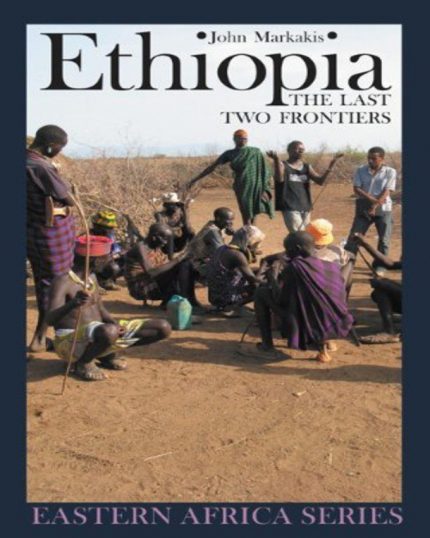
Ethiopia: The Last Two Frontiers by John Markakis

Books, Governance
KShs6,000.00 KShs4,199.00
Brief Summary Provides the gist of one scholar's knowledge of this country acquired over several decades. The author of numerous works on Ethiopia, Markakis presents here an overarching, concise historical profile of a momentous effort to integrate a multicultural empire into a modern nation state. The concept of nation state formation provides the analytical framework within which this process unfolds and the changes of direction it takes under different regimes, as well as a standard for assessing its progress and shortcomings at each stage. Over a century old, the process is still far from completion and its ultimate success is far from certain. In the author's view, there are two major obstacles that need to be overcome, two frontiers that need to be crossed to reach the desired goal. The first is the monopoly of power inherited from the empire builders and zealously guarded ever since by a ruling class of Abyssinian origin. The descendants of the people subjugated by the empire builders remain excluded from power, a handicap that breeds political instability and violent conflict. The second frontier is the arid lowlands on the margins of the state, where the process of integration has not yet reached, and where resistance to it is greatest. Until this frontier is crossed, the Ethiopian state will not have the secure borders that a mature nation state requires. John Markakis is a political historian who has devoted a professional lifetime to the study of Ethiopia and its neighbours in the Horn of Africa. He has published several books and many articles on this area.
Add to wishlist
Read more
Quick view
-26%

We Need to Talk About Africa: The Harm We Have Done, and how We Should Help

Books, African Interest, Energy, Governance, History, International Bestsellers
Rated 5.00 out of 5
KShs1,890.00 KShs1,399.00
Brief Summary If you boil a kettle twice today, you will have used five times more electricity than a person in Mali uses in a whole year. How can that be possible? Decades after the colonial powers withdrew Africa is still struggling to catch up with the rest of the world. When the same colonists withdrew from Asia there followed several decades of sustained and unprecedented growth throughout the continent. So what went wrong in Africa? And are we helping to fix it, or simply making matters worse? In this provocative analysis, Tom Young argues that so much has been misplaced: our guilt, our policies, and our aid. Human rights have become a cover for imposing our values on others, our shiniest infrastructure projects have fuelled corruption and our interference in domestic politics has further entrenched conflict. Only by radically changing how we think about Africa can we escape this vicious cycle.
Add to wishlist
Add to basket
Quick view
-8%

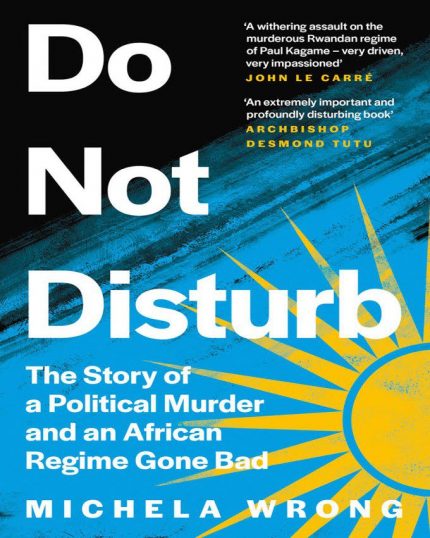
Do Not Disturb: The Story of a Political Murder and an African Regime Gone Bad by Michela Wrong

Books, African Interest, Governance
KShs2,490.00 KShs2,290.00
A powerful investigation into a grisly political murder and the authoritarian regime behind it: Do Not Disturb upends the narrative that Rwanda sold the world after one of the deadliest genocides of the twentieth century. We think we know the story of Africa’s Great Lakes region. Following the Rwandan genocide, an idealistic group of young rebels overthrew the brutal regime in Kigali, ushering in an era of peace and stability that made Rwanda the donor darling of the West, winning comparisons with Switzerland and Singapore. But the truth was considerably more sinister. Vividly sourcing her story with direct testimony from key participants, Wrong uses the story of the murder of Patrick Karegeya, once Rwanda’s head of external intelligence and a quicksilver operator of supple charm, to paint the portrait of a modern African dictatorship created in the chilling likeness of Paul Kagame, the president who sanctioned his former friend’s assassination.
Add to wishlist
Add to basket
Quick view
-30%

Africa Writes Back: The African Writers Series and the Launch of African Literature by James Currey

Books, Governance
KShs5,000.00 KShs3,499.00
Brief Summary  
Add to wishlist
Add to basket
Quick view
-11%

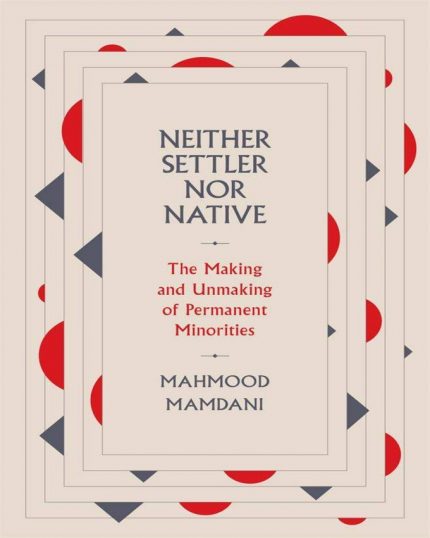
Neither Settler nor Native: The Making and Unmaking of Permanent Minorities by Mahmood Mamdani

Books, Governance
KShs3,500.00 KShs3,100.00
Brief Summary Making the radical argument that the nation-state was born of colonialism, this book calls us to rethink political violence and reimagine political community beyond majorities and minorities. In this genealogy of political modernity, Mahmood Mamdani argues that the nation-state and the colonial state created each other. In case after case around the globe―from the New World to South Africa, Israel to Germany to Sudan―the colonial state and the nation-state have been mutually constructed through the politicization of a religious or ethnic majority at the expense of an equally manufactured minority. The model emerged in North America, where genocide and internment on reservations created both a permanent native underclass and the physical and ideological spaces in which new immigrant identities crystallized as a settler nation. In Europe, this template would be used by the Nazis to address the Jewish Question, and after the fall of the Third Reich, by the Allies to redraw the boundaries of Eastern Europe’s nation-states, cleansing them of their minorities. After Nuremberg the template was used to preserve the idea of the Jews as a separate nation. By establishing Israel through the minoritization of Palestinian Arabs, Zionist settlers followed the North American example. The result has been another cycle of violence. Neither Settler nor Native offers a vision for arresting this historical process. Mamdani rejects the “criminal” solution attempted at Nuremberg, which held individual perpetrators responsible without questioning Nazism as a political project and thus the violence of the nation-state itself. Instead, political violence demands political solutions: not criminal justice for perpetrators but a rethinking of the political community for all survivors―victims, perpetrators, bystanders, beneficiaries―based on common residence and the commitment to build a common future without the permanent political identities of settler and native. Mamdani points to the anti-apartheid struggle in South Africa as an unfinished project, seeking a state without a nation.
Add to wishlist
Add to basket
Quick view
-10%

Why Nations Fail by Daron Acemoglu and James A. Robinson

Books, Governance
KShs3,000.00 KShs2,690.00
Brilliant and engagingly written, Why Nations Fail answers the question that has stumped the experts for centuries: Why are some nations rich and others poor, divided by wealth and poverty, health and sickness, food and famine? Is it culture, the weather, geography? Perhaps ignorance of what the right policies are? Simply, no. None of these factors is either definitive or destiny. Otherwise, how to explain why Botswana has become one of the fastest growing countries in the world, while other African nations, such as Zimbabwe, the Congo, and Sierra Leone, are mired in poverty and violence? Daron Acemoglu and James Robinson conclusively show that it is man-made political and economic institutions that underlie economic success (or lack of it). Korea, to take just one of their fascinating examples, is a remarkably homogeneous nation, yet the people of North Korea are among the poorest on earth while their brothers and sisters in South Korea are among the richest. The south forged a society that created incentives, rewarded innovation, and allowed everyone to participate in economic opportunities. The economic success thus spurred was sustained because the government became accountable and responsive to citizens and the great mass of people. Sadly, the people of the north have endured decades of famine, political repression, and very different economic institutions—with no end in sight. The differences between the Koreas is due to the politics that created these completely different institutional trajectories. Based on fifteen years of original research Acemoglu and Robinson marshall extraordinary historical evidence from the Roman Empire, the Mayan city-states, medieval Venice, the Soviet Union, Latin America, England, Europe, the United States, and Africa to build a new theory of political economy with great relevance for the big questions of today, including: - China has built an authoritarian growth machine. Will it continue to grow at such high speed and overwhelm the West? - Are America’s best days behind it? Are we moving from a virtuous circle in which efforts by elites to aggrandize power are resisted to a vicious one that enriches and empowers a small minority? - What is the most effective way to help move billions of people from the rut of poverty to prosperity? More philanthropy from the wealthy nations of the West? Or learning the hard-won lessons of Acemoglu and Robinson’s breakthrough ideas on the interplay between inclusive political and economic institutions? Why Nations Fail will change the way you look at—and understand—the world."
Add to wishlist
Add to basket
Quick view
-21%

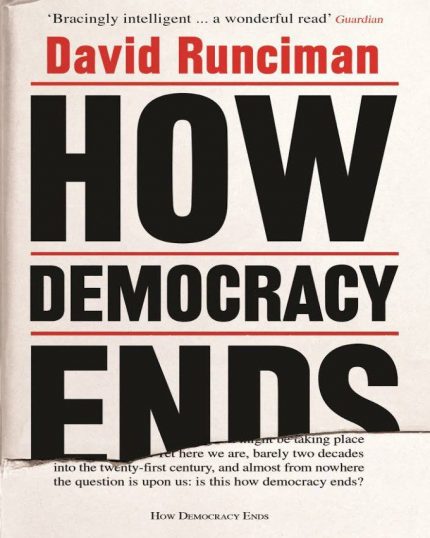
How Democracy Ends by David Runciman

Books, African Interest, Governance
KShs1,899.00 KShs1,499.00
Brief Summary Since the end of World War II, democracy's sweep across the globe seemed inexorable. Yet today, it seems radically imperiled, even in some of the world's most stable democracies. How bad could things get? In How Democracy Ends, David Runciman argues that we are trapped in outdated twentieth-century ideas of democratic failure. By fixating on coups and violence, we are focusing on the wrong threats. Our societies are too affluent, too elderly, and too networked to fall apart as they did in the past. We need new ways of thinking the unthinkable -- a twenty-first-century vision of the end of democracy, and whether its collapse might allow us to move forward to something better. A provocative book by a major political philosopher, How Democracy Ends asks the most trenchant questions that underlie the disturbing patterns of our contemporary political life.
Add to wishlist
Add to basket
Quick view
-14%Sold out

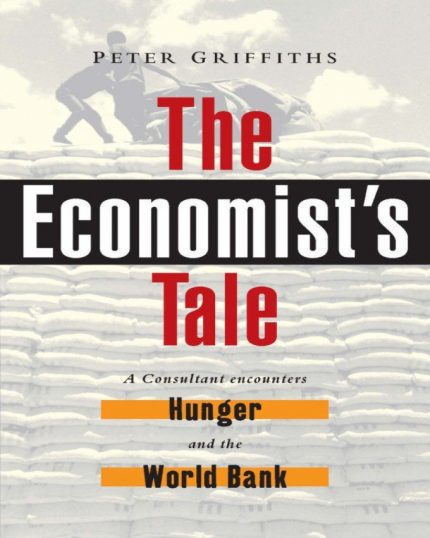
The Economists Tale A Consultant Encounters Hunger and the World Bank

Books, Business, Entrepreneurs, Governance, History
KShs2,899.00 KShs2,499.00
Brief Summary What really happens when the World Bank imposes its policies on a country? This is an insider's view of one aid-made crisis. Peter Griffiths was at the interface between government and the Bank. In this ruthlessly honest, day by day account of a mission he undertook in Sierra Leone, he uses his diary to tell the story of how the World Bank, obsessed with the free market, imposed a secret agreement on the government, banning all government food imports or subsidies. The collapsing economy meant that the private sector would not import. Famine loomed. No ministry, no state marketing organization, no aid organization could reverse the agreement. It had to be a top-level government decision, whether Sierra Leone could afford to annoy minor World Bank officials. This is a rare and important portrait of the aid world which insiders will recognize, but of which the general public seldom get a glimpse.
Add to wishlist
Read more
Quick view
-17%

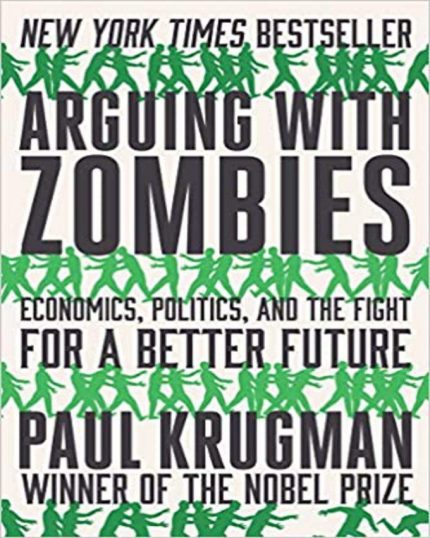
Arguing with Zombies: Economics, Politics, and the Fight for a Better Future by Paul Krugman

Books, Governance, International Bestsellers, Self Help & Motivation
KShs3,000.00 KShs2,499.00
There is no better guide than Paul Krugman to basic economics, the ideas that animate much of our public policy. Likewise, there is no stronger foe of zombie economics, the misunderstandings that just won’t die. In Arguing with Zombies, Krugman tackles many of these misunderstandings, taking stock of where the United States has come from and where it’s headed in a series of concise, digestible chapters. Drawn mainly from his popular New York Times column, they cover a wide range of issues, organized thematically and framed in the context of a wider debate. Explaining the complexities of health care, housing bubbles, tax reform, Social Security, and so much more with unrivaled clarity and precision, Arguing with Zombies is Krugman at the height of his powers. Arguing with Zombies puts Krugman at the front of the debate in the 2020 election year and is an indispensable guide to two decades’ worth of political and economic discourse in the United States and around the globe. With quick, vivid sketches, Krugman turns his readers into intelligent consumers of the daily news and hands them the keys to unlock the concepts behind the greatest economic policy issues of our time. In doing so, he delivers an instant classic that can serve as a reference point for this and future generations.
Add to wishlist
Add to basket
Quick view
-31%

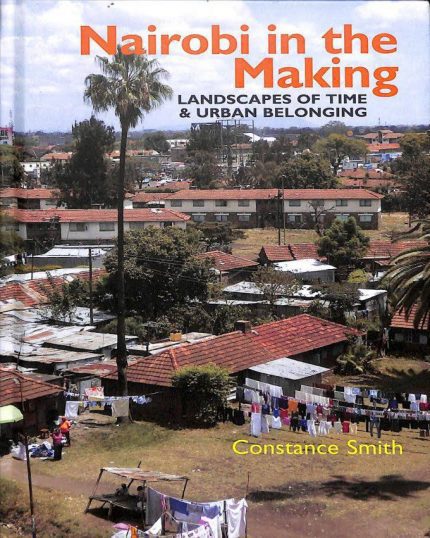
Nairobi in the Making: Landscapes of Time and Urban Belonging by Constance Smith

Books, African Interest, Governance
KShs1,590.00 KShs1,099.00
Brief Summary What does it mean to make a life in an African city today? How do ordinary Africans, surrounded by collapsing urban infrastructures and amid fantastical promises of hypermodern, globalized futures, try to ensure a place for themselves in the city's future? Exploring the relationship between the remains of empire and the global city, and themes of urban belonging and exclusion, housing and security, Constance Smith examines the making and remaking of one of Africa's most fragmented, vibrant cities. Nairobi is on the cusp of radical urban change. As in other capital cities across Africa, the Kenyan government has launched "Vision 2030", an urban megaproject that envisions the capital as a "world class metropolis", a spectacular new node in a network of global cities. Yet as a city born of British colonialism, Nairobians also live amongst the dilapidated vestiges of imperial urban planning; spaces designed to regulate urban subjects. Based on extensive ethnographic research in a dilapidated, colonial-era public housing project built as a model urban neighborhood but which is now slated for demolition, Smith explores how projects of self-making and city-making are entwined. She traces how it is through residents' everyday lives - in the mundane, incremental work of home maintenance, in the accumulation of stories about the past, in ordinary people's aspirations for the future - that urban landscapes are formed, imaginatively, materially and unpredictably, across time. Nairobi emerges as a place of pathways and plans, obstructions and aspirations, residues and endurances, that inflect the way that ordinary people produce the city, generating practices of history making, ideas about urban belonging and attempts to refashion "Vision 2030" into a future more meaningful and inclusive to ordinary city dwellers.
Add to wishlist
Add to basket
Quick view
-28%

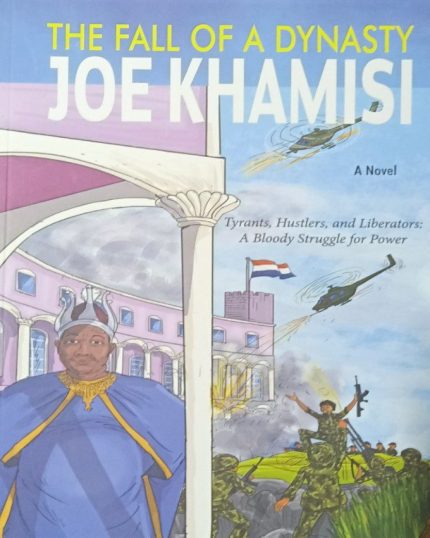
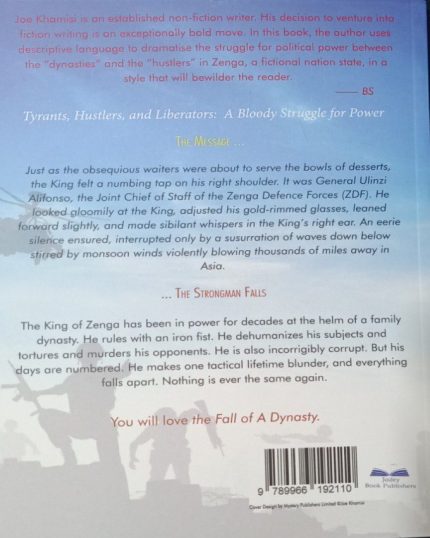
The Fall of A dynasty by Joe Khamisi

Books, Governance, Kenya Fiction
Rated 4.00 out of 5
KShs1,390.00 KShs999.00
Brief Summary The Fall of A dynasty Tyrants hustlers and Liberators A bloody struggle for power by Joe Khamisi
Add to wishlist
Add to basket
Quick view
-17%Sold out

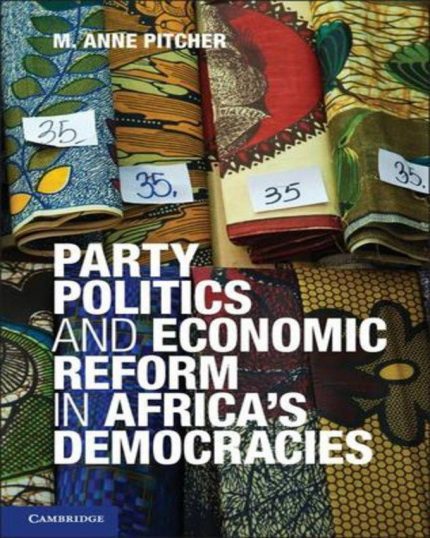
Party Politics and Economic Reform in Africa’s Democracies by M Anne Pitcher

Books, African Interest, Governance
KShs6,000.00 KShs4,999.00
Brief Summary In Party Politics and Economic Reform in Africa's Democracies, M. Anne Pitcher offers an engaging new theory to explain the different trajectories of private sector development across contemporary Africa. Pitcher argues that the outcomes of economic reforms depend not only on the kinds of institutional arrangements adopted by states in order to create or expand their private sectors, but also on the nature of party system competition and the quality of democracy in particular countries. To illustrate her claim, Pitcher draws on several original data sets covering twenty-seven countries in Africa, and detailed case studies of the privatization process in Zambia, Mozambique, and South Africa. This study underscores the importance of formal institutions and political context to the design and outcome of economic policies in developing countries.
Add to wishlist
Read more
Quick view
-3%

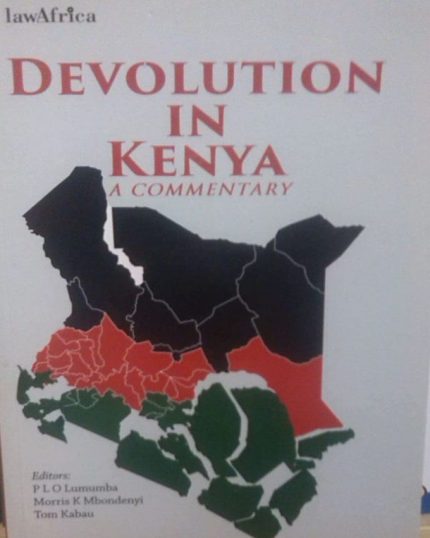
Devolution in Kenya: A commentary by PLO Lumumba

Books, Governance
KShs3,000.00 KShs2,899.00
Devolution in Kenya: A commentary by PLO Lumumba
Add to wishlist
Add to basket
Quick view
-31%

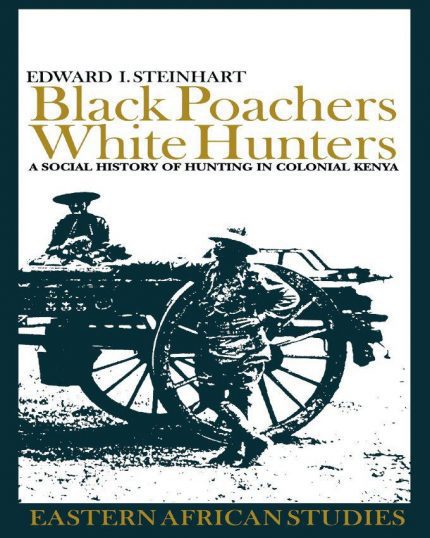
Black Poachers White Hunters A Social History of Hunting in Colonial Kenya by Edward I Steinhart

Books, African Interest, Governance
KShs4,500.00 KShs3,099.00
Brief Summary For centuries, Kenya's game-laden plains and forests were the rewarding hunting grounds of her native African population. Black Poachers, White Hunters traces the history of hunting there in the colonial era, describing the British attempt to impose the practices and values of nineteenth-century European aristocratic hunts. This both created and enforced an image of African inferiority and subordination. Ultimately conservationists came to claim sovereignty over African wildlife, completing the transformation of indigenous hunters into criminal poachers and seeking to eliminate them altogether from the "sportsman's paradise" of Kenya.ABOUT THE AUTHOR---Edward I. Steinhart is an associate professor of history at Texas Tech University, Lubbock.
Add to wishlist
Add to basket
Quick view
-100%Sold out

Kibaki Cabinets : Intrigues. Drama. Triumphs

Books, Governance
KShs5,000.00 KShs0.00
Brief Summary Kibaki Cabinets : Intrigues. Drama. Triumphs
Add to wishlist
Read more
Quick view
-11%Sold out

White Mischief by James Fox

Books, African Interest, Governance
KShs2,000.00 KShs1,790.00
Brief Summary Just before 3am on January 24th, 1941, when Britain was preoccupied with surviving the Blitz, the body of Josslyn Hay, Earl of Erroll, was discovered lying on the floor of his Buick, at a road intersection some miles outside Nairobi, with a bullet in his head. A leading figure in Kenya's colonial community, he had recently been appointed Military Secretary, but he was primarily a seducer of other men's wives. Sir Henry Delves Broughton, whose wife was Erroll's current conquest, had an obvious motive for the murder, but no one was ever convicted and the question of who killed him became a classic mystery, a scandel and cause celebre. Among those who became fascinated with the Erroll case was Cyril Connolly. He joined up with James Fox for a major investigation of the case in 1969 for the SUNDAY TIMES magazine. After his death James Fox inherited the obsession and a commitment to continue in pursuit of the story both in England and Kenya in the late 1970s. One day, on a veranda overlooking the Indian Ocean, Fox came across a piece of evidence that seemed to bring all the fragments and pieces together and convinced him that he saw a complete picture.
Add to wishlist
Read more
Quick view
delivery

QUICK DELIVERY

Swift dispatch

ONLINE PAYMENT

Multiple options

EXPERT SUPPORT

Help when you need it

WIDE VARIETY

Thousands of books

GLOBAL SHIPPING

Worldwide delivery

  • TALK TO US
    • 0794 233261 / 0724 670194
    • nuriakenyabookstore@gmail.com
    • The Bazaar Building, 1st Floor
  • About Nuria
    • Our Story
    • Blog
    • Contact Us
  • VENDORS
    • Sell on Nuria
    • Vendor Login
    • Privacy Policy
  • USEFUL LINKS
    • Delivery Policy
    • Returns
    • Gift Card Balance
digitals-app-store-button
google-play-button

We Accept

2023 NURIA KENYA All rights reserved
  • Menu
  • Categories
  • Kenya Books
  • Rare Books
  • International Bestsellers
  • Self Help & Motivation
  • Fiction
  • Autobiography
  • Business
  • Children’s Books
  • Kids & Teens
  • African Interest
  • Educational Books
  • Romances & Thrillers
  • Home
  • Shop
  • Gift Card
  • About Us
  • Nuria App
  • Contact Us
  • Wishlist
  • Login / Register
Shopping cart
Close
Sign in
Close

Lost your password?

No account yet?

Create an Account
Shop
Sidebar
0 Wishlist
0 items Cart
My account