













ENJOY FREE DELIVERY WITHIN NAIROBI FOR ORDERS ABOVE 10,000
Nuria App
Kenyan Shilling (KSh)
  • Kenyan Shilling (KSh)
  • United States (US) dollar ($)
  • Pound sterling (£)
  • Ugandan Shilling (UGX)
0 Wishlist
Login / Register
  • Home
  • Shop
  • Kenyan Books
  • Rare Books
  • Gift Card
  • Blog
  • Contact Us
  • SELL ON NURIA
  • VENDOR LOGIN
Menu
1 item KShs5,390.00
Browse Categories
  • Kenya Books
  • Rare Books
  • International Bestsellers
  • Self Help & Motivation
  • Fiction
  • Autobiography
  • Business
  • Children’s Books
  • Kids & Teens
  • African Interest
  • Educational Books
  • Romances & Thrillers
HELP / SUPPORT

0794 233 261

1 item KShs5,390.00
View basket “Man, the State and War: a theoretical...” has been added to your basket.
Awaiting product image
Click to enlarge
Home Books Governance BEYOND OBSESSION WITH TITLE DEEDS AND ACRES
2027 Book Lover's Desk Calendar KShs1,300.00
Back to products
Placeholder
Piranesi by Susanna Clarke KShs1,790.00

BEYOND OBSESSION WITH TITLE DEEDS AND ACRES

KShs2,500.00

Nuria Ranking: #44 in Kenya

In stock

Purchase this product now and earn 5 Points!

Beyond Obsession with Title Deeds and Acres examines Kenya’s enduring land question from a historical, legal, constitutional and governance perspective. It traces the transformation of land from communal systems of tenure through colonial dispossession and post-independence redistribution to the contemporary era of constitutional reform, digitisation and institutional change. The book explores how land has become intertwined with identity, political power, economic opportunity, historical injustice and social belonging, while examining the institutions, laws and policies that have shaped its administration.

At its heart, the book argues that Kenya must broaden its understanding of land beyond ownership and the acquisition of title deeds. Secure ownership remains important, but land must also be viewed as a productive resource, a foundation for development, and a trust held across generations. Drawing from Kenya’s historical experience, constitutional framework, institutional challenges and comparative lessons, the book calls for a shift from an obsession with title deeds and acres towards stewardship, productive use, accountable governance, environmental sustainability and intergenerational responsibility.

Authored By: Zablon Agwata
Add KShs4,610.00 worth of products to your cart for free delivery within Nairobi!
Add to wishlist
Categories: Governance, Kenya, Law, Politics
Share:
Close
  • Description
  • Shipping
  • Additional information
  • Reviews (0)
  • Vendor Info
  • More Products
Description

Beyond Obsession with Title Deeds and Acres is a critical examination of Kenya’s enduring land question and a call to rethink what land means to the nation. It argues that land is not merely property or a commodity, but a foundation of history, identity, livelihood, dignity, economic opportunity, environmental sustainability and national cohesion. At the heart of the book is a simple proposition: Kenya has become too obsessed with title deeds and acres. Secure tenure is essential, but a title deed should be the beginning of opportunity and responsible stewardship—not the end of land reform. Kenya has too often confused ownership with wealth, acreage with productivity, subdivision with development, and registration with transformation. The real question is not simply who owns land, but how it is acquired, governed, used and made productive. The book traces the contemporary land question to the colonial transformation of indigenous systems of landholding. Colonial policies displaced communities, disrupted established relationships with ancestral land and converted land into a commodity capable of exclusive ownership and alienation. Independence transferred political sovereignty but did not automatically eliminate these inequalities. Post-independence settlement and redistribution programs created opportunities for many Kenyans, but were frequently compromised by political patronage, corruption, weak administration and elite capture. The Constitution of Kenya, 2010, the National Land Policy and the land laws enacted in 2012 provided an important framework for addressing these failures. Yet the book makes a critical distinction between legal reform and institutional transformation. Progressive laws cannot deliver justice where institutions are weak, compromised or lacking professional integrity. Kenya’s land question is therefore, fundamentally, a governance question requiring institutions that are professional, independent, transparent, accountable and worthy of public trust. The book further argues that technology, while essential, is not a substitute for integrity. Digitization can improve efficiency, transparency and security, but digitizing a defective land record does not cure the defect. Genuine reform requires verification and cleansing of historical records, professional competence, cybersecurity, ethical administration and institutional accountability. Historical injustices must likewise be confronted through credible mechanisms of restitution, compensation, redistribution and other appropriate remedies. But restorative justice must be based on constitutional principles, objective criteria and transparent institutions, rather than ethnic entitlement or political mobilization. Unresolved land disputes can otherwise become ethnicised and threaten social cohesion and national stability. Most importantly, the book moves the land debate beyond redistribution. Land ownership does not automatically create prosperity. Productive land requires infrastructure, water, markets, credit, technology, appropriate planning and environmental stewardship. Land policy must therefore be integrated with agriculture, housing, infrastructure, climate resilience and environmental conservation. The book explores sustainable settlement models and proposes a National Wealth Register to provide a broader and more reliable understanding of Kenya’s land and other national assets. Ultimately, the book calls for a new culture of land administration founded upon integrity, competence, impartiality, transparency, accountability and public service. Land must cease to be primarily an instrument of political power, speculation, exclusion and division and become a foundation for justice, productivity, prosperity and national cohesion. Kenya must therefore move: from ownership to stewardship; from acreage to productivity; from historical grievance to restorative justice; from title deeds to trustworthy institutions; and from redistribution alone to sustainable development. The book’s ultimate proposition is simple but transformative: Kenya must stop asking only how much land a person owns and start asking what that land can do—for the individual, the community, the economy, the environment and generations yet unborn.
Shipping
Additional information
Authored By

Zablon Agwata

Reviews (0)
Rated 0 out of 5
0 reviews
Rated 5 out of 5
0
Rated 4 out of 5
0
Rated 3 out of 5
0
Rated 2 out of 5
0
Rated 1 out of 5
0

Reviews

Clear filters

There are no reviews yet.

Be the first to review “BEYOND OBSESSION WITH TITLE DEEDS AND ACRES” Cancel reply

Your email address will not be published. Required fields are marked *


Vendor Info

Vendor Information

  • Store Name: Nuria Kenya
  • Vendor: nuria
  • No ratings found yet!
More Products
-17%

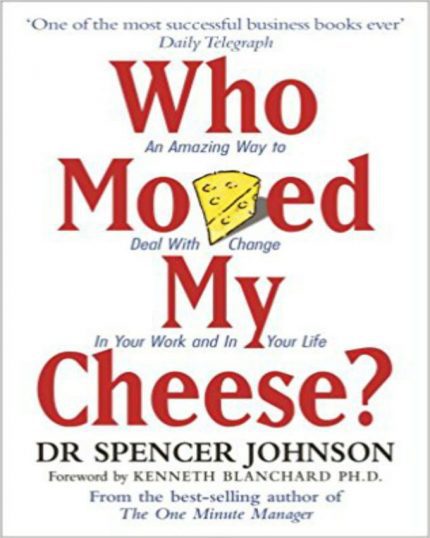
Who Moved My Cheese by Spencer Johnson

Books, Self Help & Motivation
KShs1,190.00 KShs990.00
Who Moved My Cheese: An Amazing Way to Deal with Change in Your Work and in Your Life. It is the amusing and enlightening story of four characters who live in a maze and look for cheese to nourish them and make them happy. Cheese is a metaphor for what you want to have in life, for example a good job, a loving relationship, money or possessions, health or spiritual peace of mind. The maze is where you look for what you want, perhaps the organization you work in, or the family or community you live in. The problem is that the cheese keeps moving. In the story, the characters are faced with unexpected change in their search for the cheese. One of them eventually deals with change successfully and writes what he has learned on the maze walls for you to discover. You'll learn how to anticipate, adapt to and enjoy change and be ready to change quickly whenever you need to. Discover the secret of the writing on the wall for yourself and enjoy less stress and more success in your work and life. Written for all ages, this story takes less than an hour to read, but its unique insights will last a lifetime.  
Add to wishlist
Add to basket
Quick view

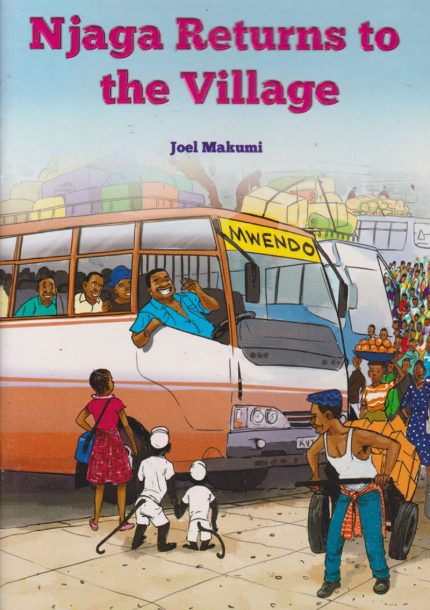
Njaga returns to the village

Books, Educational Books, Primary School
KShs858.00
It is time to visit Mti Moja village once again, as Njaga the Town Monkey, his son Koki and Taama go to visit her great-grandparents, Mzee Mulahi and Mama Njenje. Read along and enjoy Njaga and Kokis hilarious adventures in the village. Joel... By
Add to wishlist
Add to basket
Quick view
-5%

Glitter Pearl Hijab

Fashion & Clothing, Islamic Wear (Women)
KShs1,099.00 KShs1,045.00
Key Features This stunning glitter hijab is a sheer lightweight fabric decorated with glitter border to add that added bling to your special event. Let’s say you would be the show stopper wherever you go! We have a range of colors that will work with your special outfits. • Mix of polyester and cotton • Glitter pearl hijab
Add to wishlist
Add to basket
Quick view

The Visitor And Other Stories [Approved]

English Readers, Class 5 - 8, Books
KShs222.00
Add to wishlist
Add to basket
Quick view
-9%

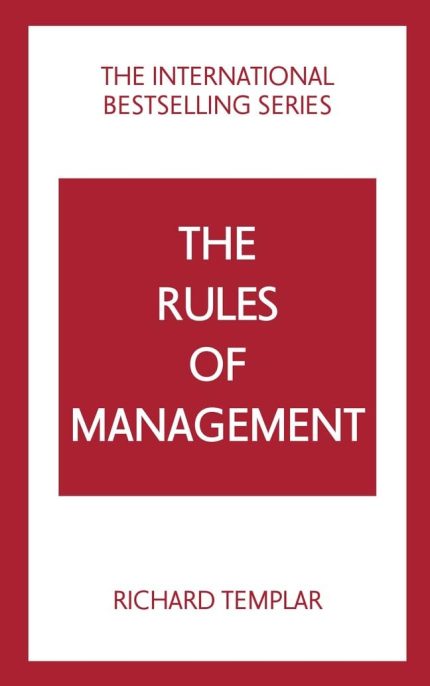
The Rules of Management by Richard Templar

Books
KShs3,190.00 KShs2,890.00
A definitive code for managerial success Some people find management so easy. They appear to be natural leaders, painlessly negotiating the system, the politics, the people, and the targets. Is there something they know that the rest of us don't? Is it something we can all learn? The answer is a resounding yes. They know The Rules of Management. These Rules are the guiding principles that show you how to inspire your team in a way that gets results. They will help you say the right thing, do the right thing, and know instinctively how to handle every situation. In this new edition of the international bestseller, Richard Templar has added 10 new Rules to help you make management even easier and your success greater. And when you are headhunted or promoted (again), nobody will be surprised. Least of all you.
Add to wishlist
Add to basket
Quick view

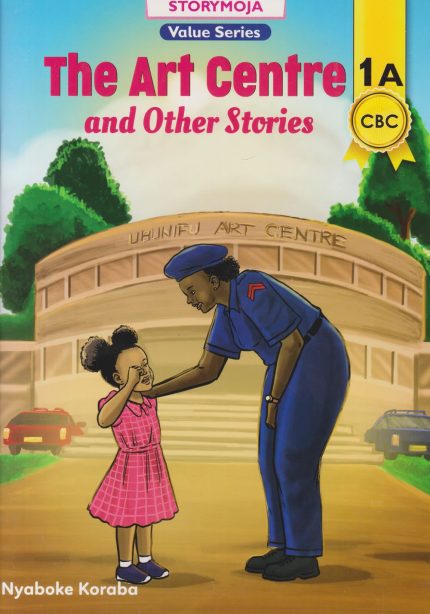
The Art Centre and other Stories 1A

Educational Books, Competency Based Curriculum, Books, Grade 1
KShs960.00
Angela, her brother Ethan and their mother visit Ubunifu Art Centre. However, Angela gets lost. What does she do? Who helps her find her mother and brother? Read this story and the others in this exciting book to find out what happened. The Art... By Storymoja
Add to wishlist
Add to basket
Quick view

Related products

-21%

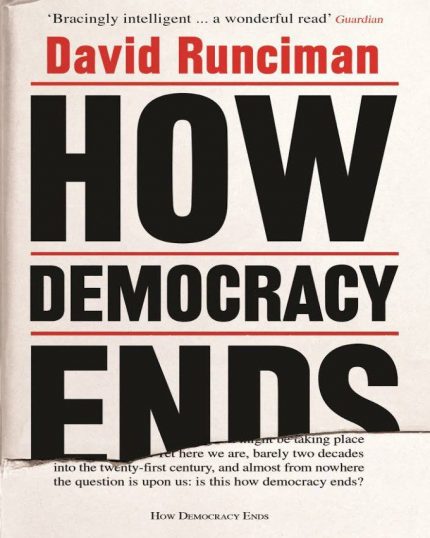
How Democracy Ends by David Runciman

Books, African Interest, Governance
KShs1,899.00 KShs1,499.00
Brief Summary Since the end of World War II, democracy's sweep across the globe seemed inexorable. Yet today, it seems radically imperiled, even in some of the world's most stable democracies. How bad could things get? In How Democracy Ends, David Runciman argues that we are trapped in outdated twentieth-century ideas of democratic failure. By fixating on coups and violence, we are focusing on the wrong threats. Our societies are too affluent, too elderly, and too networked to fall apart as they did in the past. We need new ways of thinking the unthinkable -- a twenty-first-century vision of the end of democracy, and whether its collapse might allow us to move forward to something better. A provocative book by a major political philosopher, How Democracy Ends asks the most trenchant questions that underlie the disturbing patterns of our contemporary political life.
Add to wishlist
Add to basket
Quick view
-8%

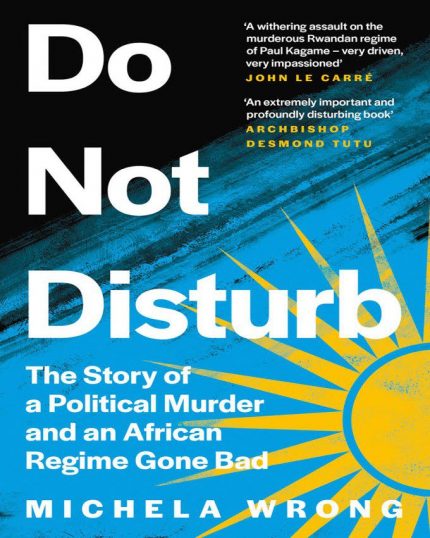
Do Not Disturb: The Story of a Political Murder and an African Regime Gone Bad by Michela Wrong

Books, African Interest, Governance
KShs2,490.00 KShs2,290.00
A powerful investigation into a grisly political murder and the authoritarian regime behind it: Do Not Disturb upends the narrative that Rwanda sold the world after one of the deadliest genocides of the twentieth century. We think we know the story of Africa’s Great Lakes region. Following the Rwandan genocide, an idealistic group of young rebels overthrew the brutal regime in Kigali, ushering in an era of peace and stability that made Rwanda the donor darling of the West, winning comparisons with Switzerland and Singapore. But the truth was considerably more sinister. Vividly sourcing her story with direct testimony from key participants, Wrong uses the story of the murder of Patrick Karegeya, once Rwanda’s head of external intelligence and a quicksilver operator of supple charm, to paint the portrait of a modern African dictatorship created in the chilling likeness of Paul Kagame, the president who sanctioned his former friend’s assassination.
Add to wishlist
Add to basket
Quick view
-17%Sold out

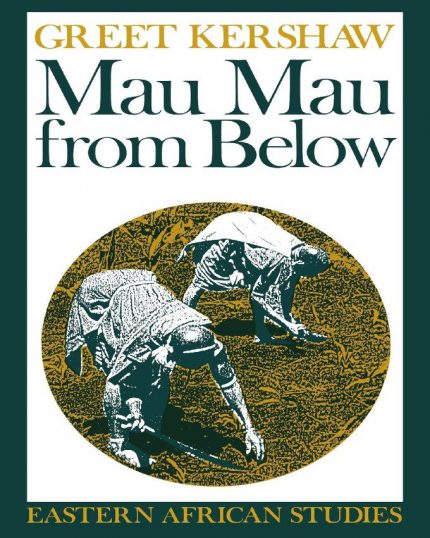
Mau Mau From Below by Greet Kershaw and John Lonsdale

Books, African Interest, Governance
KShs3,000.00 KShs2,499.00
Brief Summary John Lonsdale says in his introduction: "This is the oral evidence of the Kikuyu villagers with whom Greet Kershaw lived as an aid worker during the Mau Mau 'Emergency' in the 1950s, and which is now totally irrecoverable in any form save in her own field notes. "Professor Kershaw has uncovered long local histories of social tension which could have been revealed by no other means than patient enquiry, of both her neighbour's memory and government archives... "Nobody, whether Kikuyu participant, Kenyan or European scholar, has provided such startlingly authoritative ethnographic insights into the values, fears and expectations of Kikuyu society and thus of the motivation of Kikuyu action... "Her data suggests, as other scholars have also accepted, that there never was a single such movement and that none of its members, even those who supposed themselves to be its leaders, ever saw it whole, not because they did not have a political aim, but because that agenda was contested within different political circles over which they had no control and of which they may scarcely have had any knowledge. And why is this finding important? It is because others, including almost all the movement's enemies, did see Mau Mau whole in order to try to comprehend it, a first step towards defeating it."
Add to wishlist
Read more
Quick view
-31%

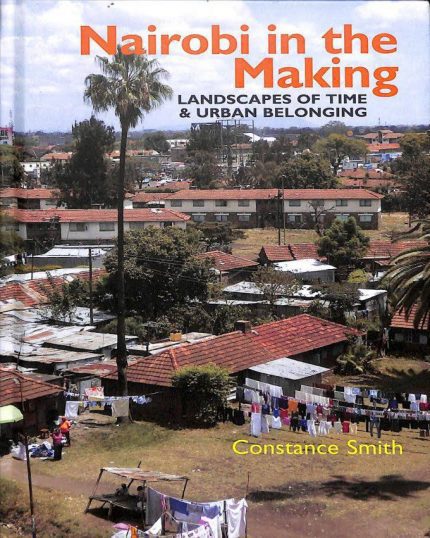
Nairobi in the Making: Landscapes of Time and Urban Belonging by Constance Smith

Books, African Interest, Governance
KShs1,590.00 KShs1,099.00
Brief Summary What does it mean to make a life in an African city today? How do ordinary Africans, surrounded by collapsing urban infrastructures and amid fantastical promises of hypermodern, globalized futures, try to ensure a place for themselves in the city's future? Exploring the relationship between the remains of empire and the global city, and themes of urban belonging and exclusion, housing and security, Constance Smith examines the making and remaking of one of Africa's most fragmented, vibrant cities. Nairobi is on the cusp of radical urban change. As in other capital cities across Africa, the Kenyan government has launched "Vision 2030", an urban megaproject that envisions the capital as a "world class metropolis", a spectacular new node in a network of global cities. Yet as a city born of British colonialism, Nairobians also live amongst the dilapidated vestiges of imperial urban planning; spaces designed to regulate urban subjects. Based on extensive ethnographic research in a dilapidated, colonial-era public housing project built as a model urban neighborhood but which is now slated for demolition, Smith explores how projects of self-making and city-making are entwined. She traces how it is through residents' everyday lives - in the mundane, incremental work of home maintenance, in the accumulation of stories about the past, in ordinary people's aspirations for the future - that urban landscapes are formed, imaginatively, materially and unpredictably, across time. Nairobi emerges as a place of pathways and plans, obstructions and aspirations, residues and endurances, that inflect the way that ordinary people produce the city, generating practices of history making, ideas about urban belonging and attempts to refashion "Vision 2030" into a future more meaningful and inclusive to ordinary city dwellers.
Add to wishlist
Add to basket
Quick view
-9%

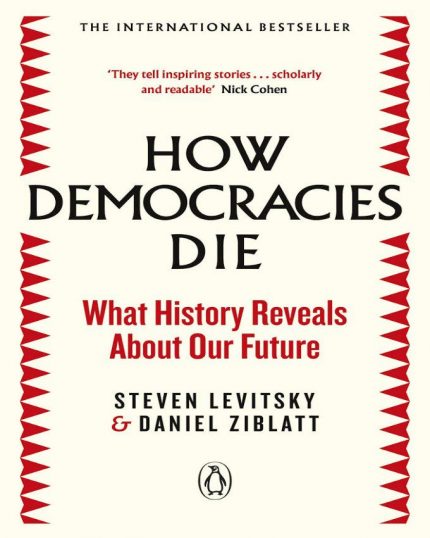
How Democracies Die by Steven Levitsky and Daniel Ziblatt

Books, Governance, International Bestsellers
KShs2,190.00 KShs1,990.00
Donald Trump’s presidency has raised a question that many of us never thought we’d be asking: Is our democracy in danger? Harvard professors Steven Levitsky and Daniel Ziblatt have spent more than twenty years studying the breakdown of democracies in Europe and Latin America, and they believe the answer is yes. Democracy no longer ends with a bang—in a revolution or military coup—but with a whimper: the slow, steady weakening of critical institutions, such as the judiciary and the press, and the gradual erosion of long-standing political norms. The good news is that there are several exit ramps on the road to authoritarianism. The bad news is that, by electing Trump, we have already passed the first one. Drawing on decades of research and a wide range of historical and global examples, from 1930s Europe to contemporary Hungary, Turkey, and Venezuela, to the American South during Jim Crow, Levitsky and Ziblatt show how democracies die—and how ours can be saved.
Add to wishlist
Add to basket
Quick view
-16%

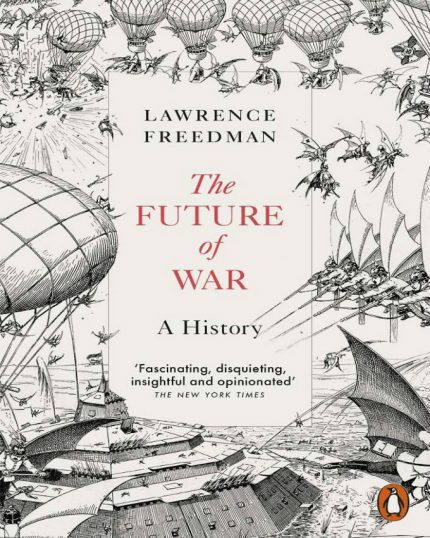
The Future of War A History by Lawrence Freedman

Books, Governance
KShs1,899.00 KShs1,599.00
Brief Summary In 1912, Sir Arthur Conan Doyle, creator of Sherlock Holmes, wrote a short story about a war fought from underwater submersibles that included the sinking of passenger ships. At the time, it was dismissed by the British generals and admirals of the day not because the idea of submarines was technically unfeasible, but because no one could imagine that any nation would be so depraved as to sink civilian merchant ships. The future of war more often than not surprises us less because of some fantastic technical or engineering dimension but because of some human, political, or moral threshold that we had never imagined wanting to cross. As Lawrence Freedman shows, the future of war has a past and a present. Ideas of war, strategies for warfare and its practice, and organizing principles of war all have rich and varied origins which have shaped the minds of those who conceive the next war. Freedman shows how war can be studied systematically and empirically to provide a firm foundation for enlightened policy. The Future of War—which covers civil wars to as yet unknown nuclear conflicts, proxy wars (real) to the Cold War (not), fashionably small wars to the War to End All Wars (it didn’t)—is filled with insight and fascinating nuggets of military history and culture from one of the most brilliant military and strategic historians of his generation.
Add to wishlist
Add to basket
Quick view
-47%

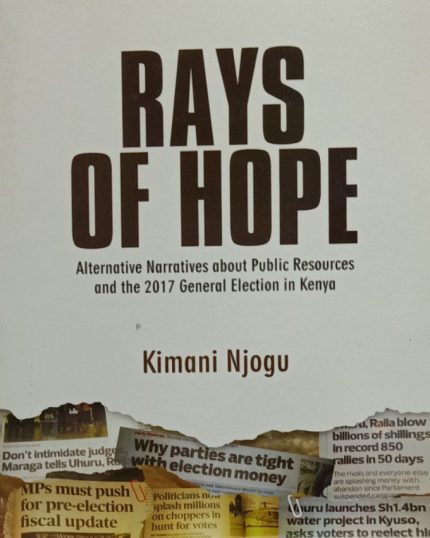
Rays of Hope: Alternative Narratives about Public Resources and the 2017 General Election in Kenya by Kimani Njogu

Books, Governance
KShs1,500.00 KShs799.00
Brief Summary Rays of Hope: Alternative Narratives about Public Resources and the 2017 General Election in Kenya by Kimani Njogu
Add to wishlist
Add to basket
Quick view
-28%

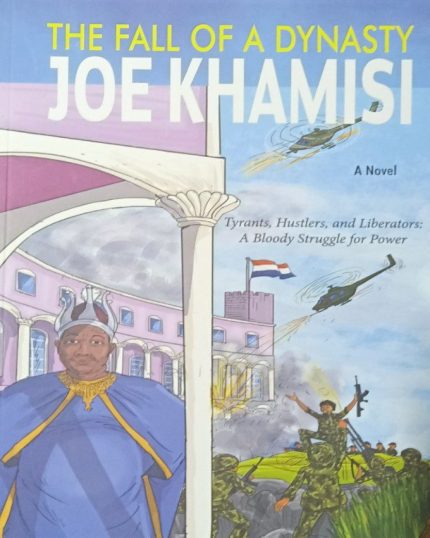
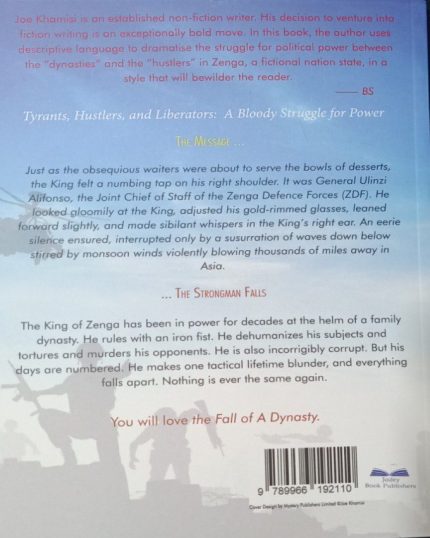
The Fall of A dynasty by Joe Khamisi

Books, Governance, Kenya Fiction
Rated 4.00 out of 5
KShs1,390.00 KShs999.00
Brief Summary The Fall of A dynasty Tyrants hustlers and Liberators A bloody struggle for power by Joe Khamisi
Add to wishlist
Add to basket
Quick view
-30%Sold out

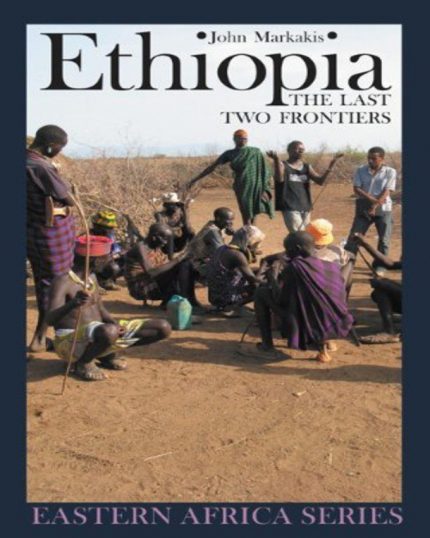
Ethiopia: The Last Two Frontiers by John Markakis

Books, Governance
KShs6,000.00 KShs4,199.00
Brief Summary Provides the gist of one scholar's knowledge of this country acquired over several decades. The author of numerous works on Ethiopia, Markakis presents here an overarching, concise historical profile of a momentous effort to integrate a multicultural empire into a modern nation state. The concept of nation state formation provides the analytical framework within which this process unfolds and the changes of direction it takes under different regimes, as well as a standard for assessing its progress and shortcomings at each stage. Over a century old, the process is still far from completion and its ultimate success is far from certain. In the author's view, there are two major obstacles that need to be overcome, two frontiers that need to be crossed to reach the desired goal. The first is the monopoly of power inherited from the empire builders and zealously guarded ever since by a ruling class of Abyssinian origin. The descendants of the people subjugated by the empire builders remain excluded from power, a handicap that breeds political instability and violent conflict. The second frontier is the arid lowlands on the margins of the state, where the process of integration has not yet reached, and where resistance to it is greatest. Until this frontier is crossed, the Ethiopian state will not have the secure borders that a mature nation state requires. John Markakis is a political historian who has devoted a professional lifetime to the study of Ethiopia and its neighbours in the Horn of Africa. He has published several books and many articles on this area.
Add to wishlist
Read more
Quick view
-7%

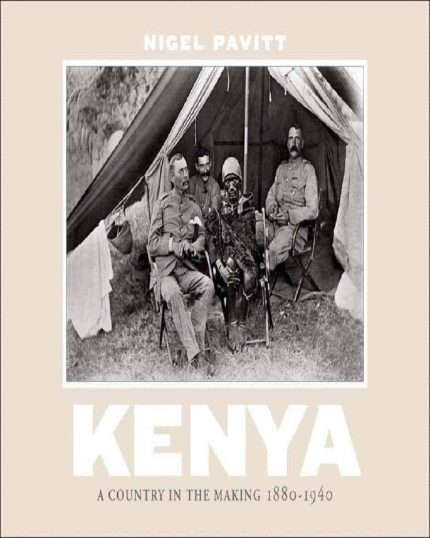
Kenya A Country in the Making 1880-1940 by Nigel Pavitt

Books, Governance, History
KShs4,500.00 KShs4,200.00
This stunning collection of 720 photographs, many of them drawn from family archives and scrapbooks and all carefully restored, is one of the most important visual records of Africa in the late nineteenth and early twentieth centuries ever to have been published. The early photographers captured the beauty and dangerous allure of life on this spectacular frontier: the ceremonies and traditional attire of the native people, the fantastic machinery used in construction of the Uganda Railway, the gradual development of trade on the coast and in the country's interior, the hardships of the East African Campaign during World War I, and the pioneering spirit of early European settlers and farmers. Many of the most famous names and places connected with Africa appear in these pages, including Karen Blixen's farm and Ernest Hemingway and Theodore Roosevelt on safari. This is a book to delight anyone who has ever traveled to East Africa or been intrigued by its history. 720 photographs
Add to wishlist
Add to basket
Quick view

The Politics by Aristotle

Books, Dictionaries & References, Fiction and Non Fiction, Governance, Self Help & Motivation
KShs2,290.00
Brief Summary What is the relationship of the individual to the state? What is the ideal state, and how can it bring about the most desirable life for its citizens? What sort of education should it provide? What is the purpose of amassing wealth? These are some of the questions Aristotle attempts to answer in one of the most intellectually stimulating works. Both heavily influenced by and critical of Plato's Republic and Laws, Politics represents the distillation of a lifetime of thought and observation. "Encyclopaedic knowledge has never, before or since, gone hand in hand with a logic so masculine or with speculation so profound," says H. W. C. Davis in his introduction. Students, teachers, and scholars will welcome this inexpensive new edition of the Benjamin Jowett translation, as will all readers interested in Greek thought, political theory, and depictions of the ideal state.
Add to wishlist
Add to basket
Quick view
-31%

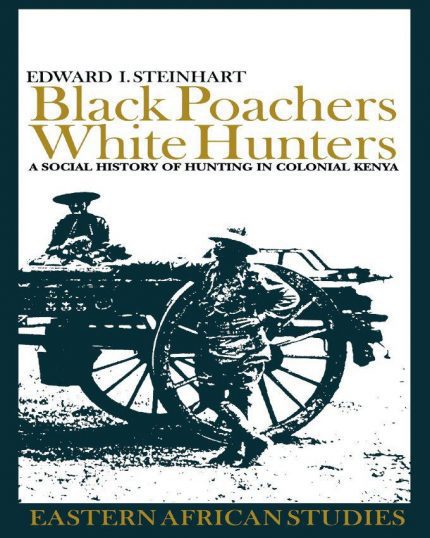
Black Poachers White Hunters A Social History of Hunting in Colonial Kenya by Edward I Steinhart

Books, African Interest, Governance
KShs4,500.00 KShs3,099.00
Brief Summary For centuries, Kenya's game-laden plains and forests were the rewarding hunting grounds of her native African population. Black Poachers, White Hunters traces the history of hunting there in the colonial era, describing the British attempt to impose the practices and values of nineteenth-century European aristocratic hunts. This both created and enforced an image of African inferiority and subordination. Ultimately conservationists came to claim sovereignty over African wildlife, completing the transformation of indigenous hunters into criminal poachers and seeking to eliminate them altogether from the "sportsman's paradise" of Kenya.ABOUT THE AUTHOR---Edward I. Steinhart is an associate professor of history at Texas Tech University, Lubbock.
Add to wishlist
Add to basket
Quick view
-18%

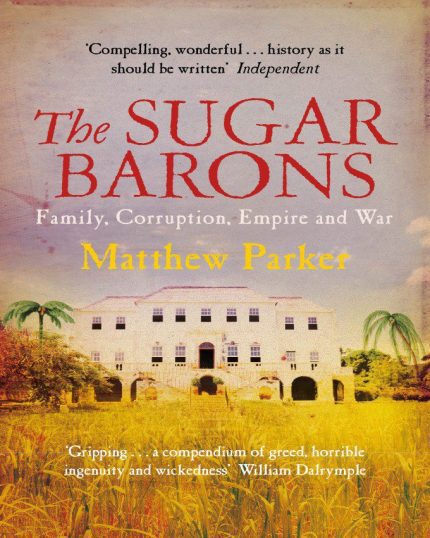
Sugar Barons: Family, Corruption, Empire and War by Matthew Parker

Books, Business, Entrepreneurs, Governance, History
KShs2,800.00 KShs2,299.00
Brief Summary To those who travel there today, the West Indies are unspoiled paradise islands. Yet that image conceals a turbulent and shocking history. For some 200 years after 1650, the West Indies were the strategic center of the western world, witnessing one of the greatest power struggles of the age as Europeans made and lost immense fortunes growing and trading in sugar-a commodity so lucrative it became known as "white gold." As Matthew Parker vividly chronicles in his sweeping history, the sugar revolution made the English, in particular, a nation of voracious consumers-so much so that the wealth of her island colonies became the foundation and focus of England's commercial and imperial greatness, underpinning the British economy and ultimately fueling the Industrial Revolution. Yet with the incredible wealth came untold misery: the horror endured by slaves, on whose backs the sugar empire was brutally built; the rampant disease that claimed the lives of one-third of all whites within three years of arrival in the Caribbean; the cruelty, corruption, and decadence of the plantation culture. While sugar came to dictate imperial policy, for those on the ground the British West Indian empire presented a disturbing moral universe. Parker brilliantly interweaves the human stories of those since lost to history whose fortunes and fame rose and fell with sugar. Their industry drove the development of the North American mainland states, and with it a slave culture, as the plantation model was exported to the warm, southern states. Broad in scope, rich in detail, The Sugar Barons freshly links the histories of Europe, the West Indies, and North America and reveals the full impact of the sugar revolution, the resonance of which is still felt today.
Add to wishlist
Add to basket
Quick view
-10%

Man, the State and War: a theoretical analysis by Kenneth Waltz

Books, Governance, International Bestsellers
KShs5,990.00 KShs5,390.00
Brief Summary Man, the state, and war is the second of the Topical Studies in International Relations to be published. The series was planned to demonstrate some of the contributions which existing bodies of knowledge are capable of making to the understanding of modern international relations. Even in a relatively new field of academic specialization, it is not necessary for the scholar to make an absolutely fresh start. Indeed, it is incumbent upon him not to fail to draw on existing storehouses of knowledge. One of those storehouses least systematically inventoried for its usefulness for international relations is classical Western political thought....
Add to wishlist
Add to basket
Quick view
-9%

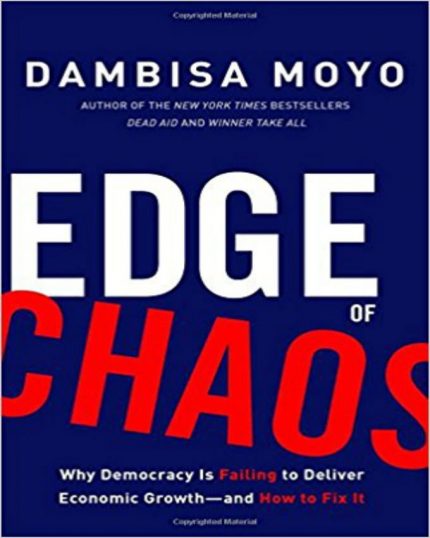
Edge of Chaos Why Democracy Is Failing by Dambisa Moyo

Books, African Interest, Governance
KShs2,300.00 KShs2,090.00
From an internationally acclaimed economist, a provocative call to jump-start economic growth by aggressively overhauling liberal democracy. Edge of Chaos: Why Democracy Is Failing to Deliver Economic Growth and How to Fix It. Around the world, people who are angry at stagnant wages and growing inequality have rebelled against established governments and turned to political extremes. Liberal democracy, history's greatest engine of growth, now struggles to overcome unprecedented economic headwinds--from aging populations to scarce resources to unsustainable debt burdens. Hobbled by short-term thinking and ideological dogma, democracies risk falling prey to nationalism and protectionism that will deliver declining living standards. In Edge of Chaos, Dambisa Moyo shows why economic growth is essential to global stability, and why liberal democracies are failing to produce it today. Rather than turning away from democracy, she argues, we must fundamentally reform it. Edge of Chaos presents a radical blueprint for change in order to galvanize growth and ensure the survival of democracy in the twenty-first century.  
Add to wishlist
Add to basket
Quick view
-30%

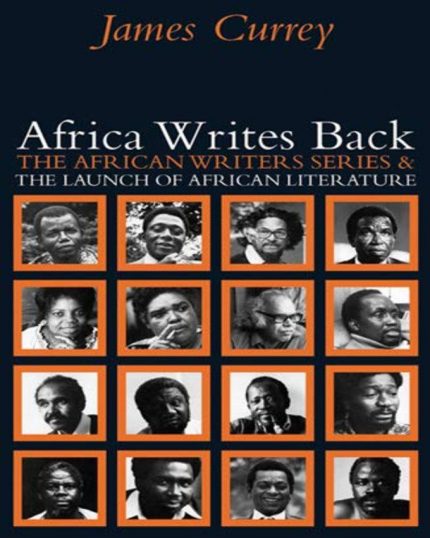
Africa Writes Back: The African Writers Series and the Launch of African Literature by James Currey

Books, Governance
KShs5,000.00 KShs3,499.00
Brief Summary  
Add to wishlist
Add to basket
Quick view
delivery

QUICK DELIVERY

Swift dispatch

ONLINE PAYMENT

Multiple options

EXPERT SUPPORT

Help when you need it

WIDE VARIETY

Thousands of books

GLOBAL SHIPPING

Worldwide delivery

  • TALK TO US
    • 0794 233261 / 0724 670194
    • nuriakenyabookstore@gmail.com
    • The Bazaar Building, 1st Floor
  • About Nuria
    • Our Story
    • Blog
    • Contact Us
  • VENDORS
    • Sell on Nuria
    • Vendor Login
    • Privacy Policy
  • USEFUL LINKS
    • Delivery Policy
    • Returns
    • Gift Card Balance
digitals-app-store-button
google-play-button

We Accept

2023 NURIA KENYA All rights reserved
  • Menu
  • Categories
  • Kenya Books
  • Rare Books
  • International Bestsellers
  • Self Help & Motivation
  • Fiction
  • Autobiography
  • Business
  • Children’s Books
  • Kids & Teens
  • African Interest
  • Educational Books
  • Romances & Thrillers
  • Home
  • Shop
  • Gift Card
  • About Us
  • Nuria App
  • Contact Us
  • Wishlist
  • Login / Register
Shopping cart
Close
Sign in
Close

Lost your password?

No account yet?

Create an Account
Shop
Sidebar
0 Wishlist
1 item Cart
My account