

















Look Inside preview
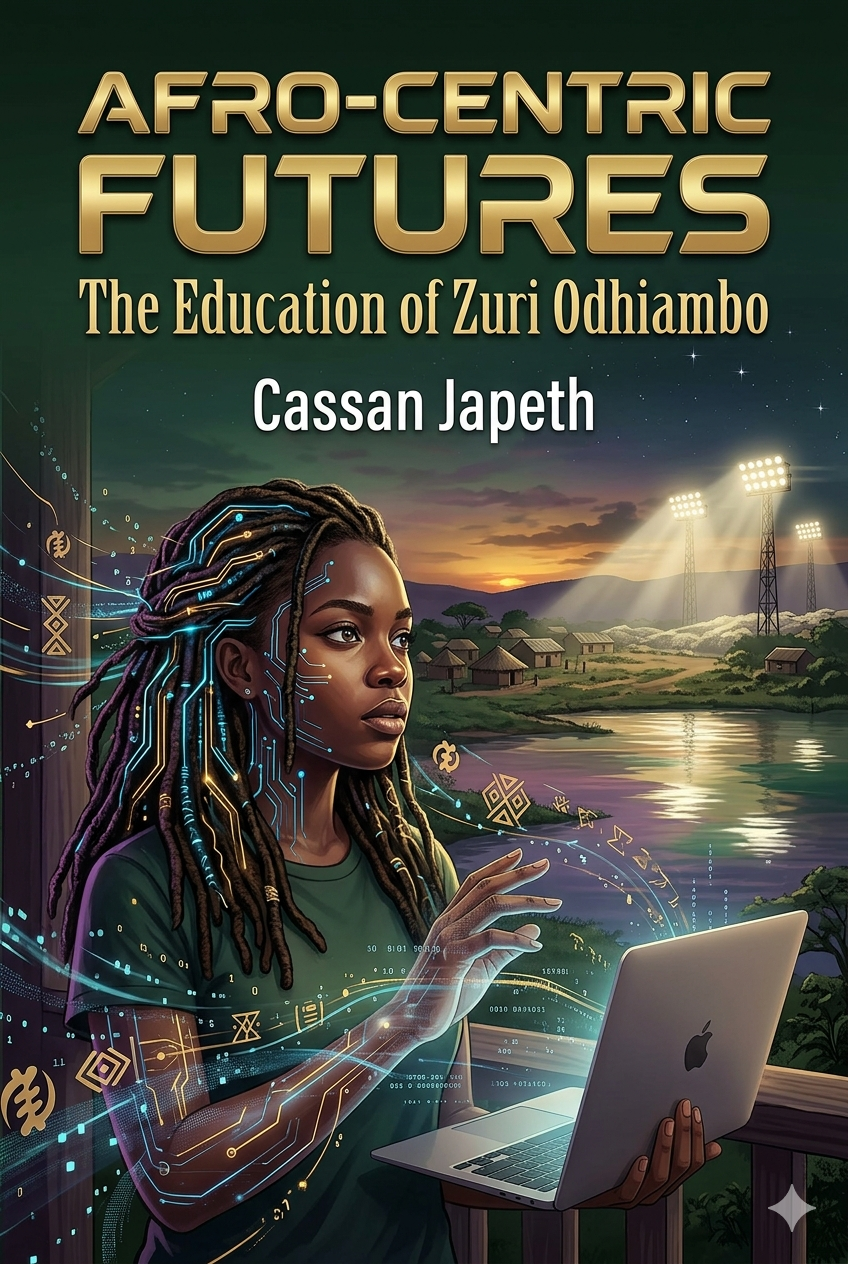
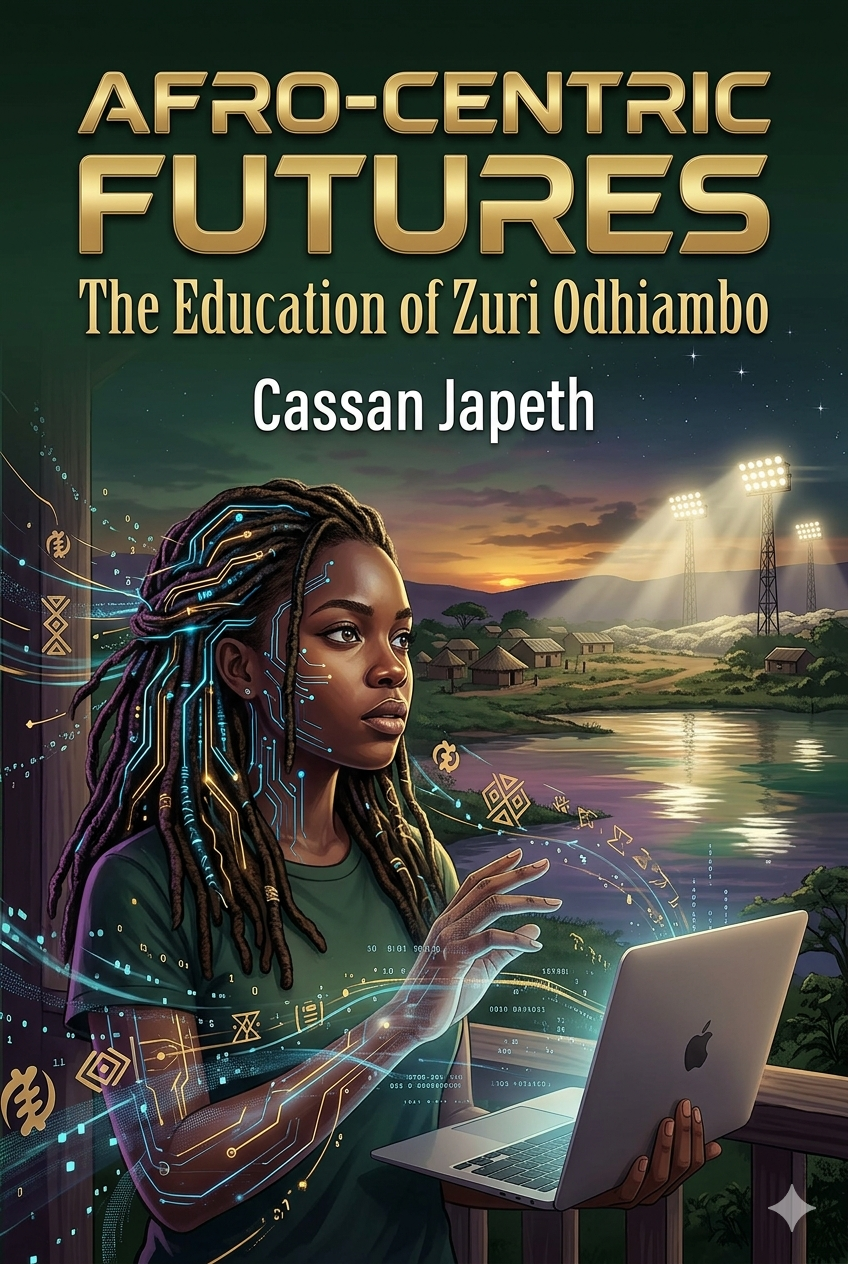
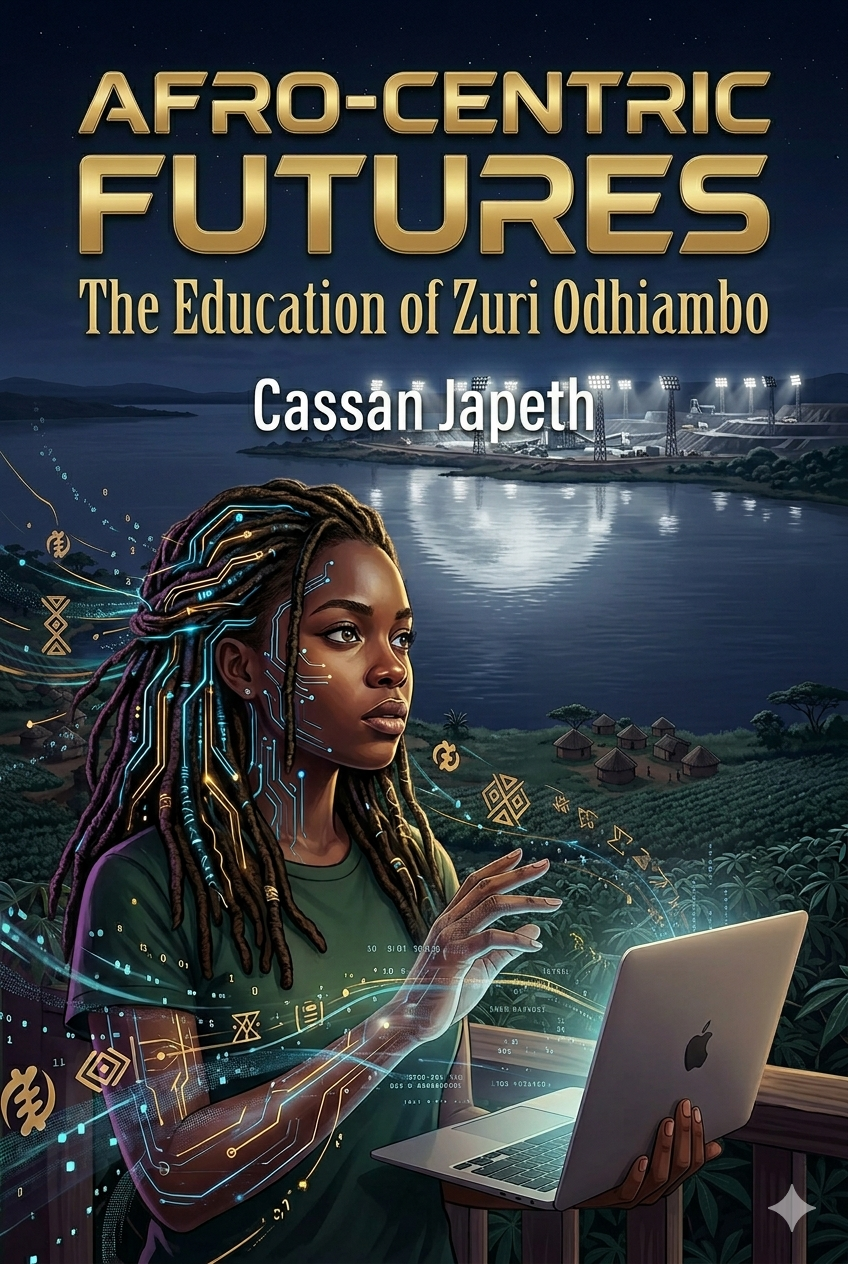
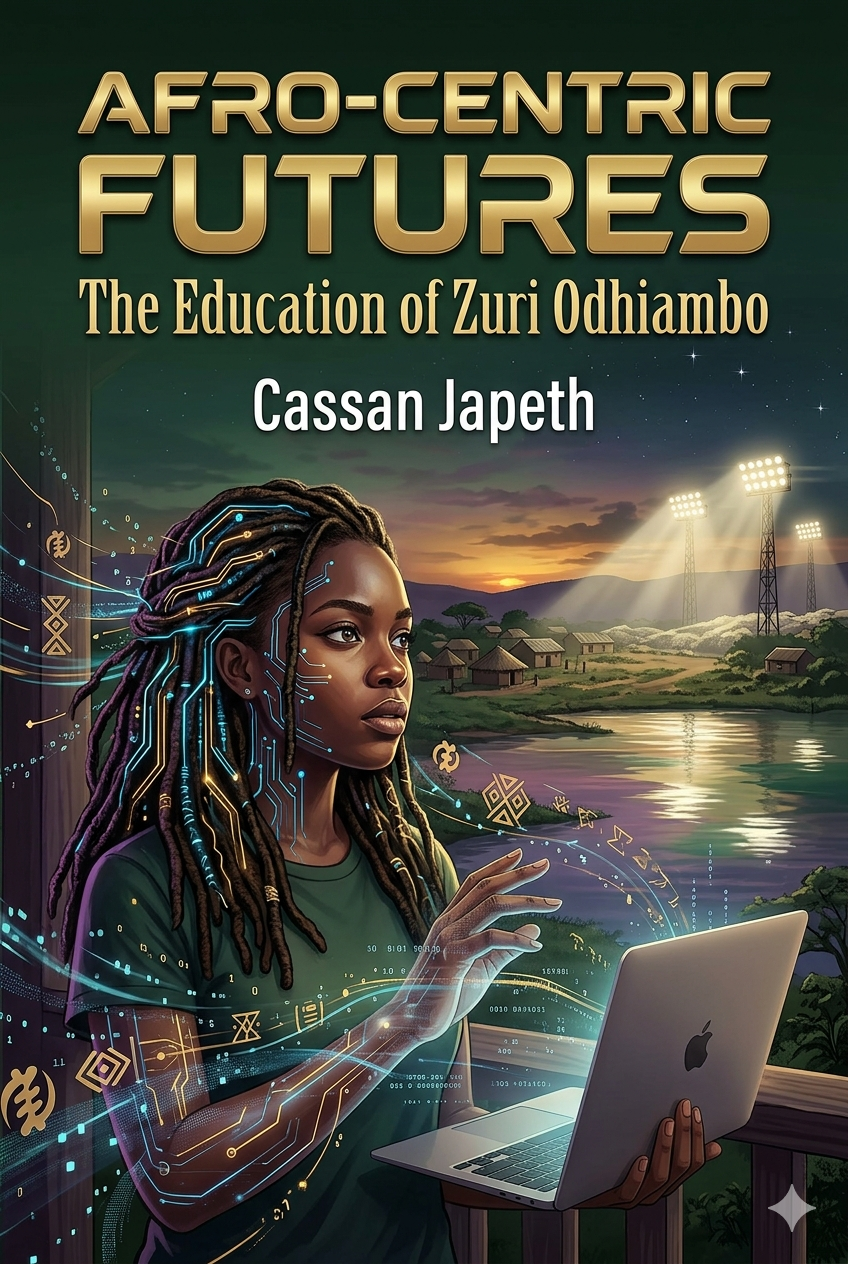
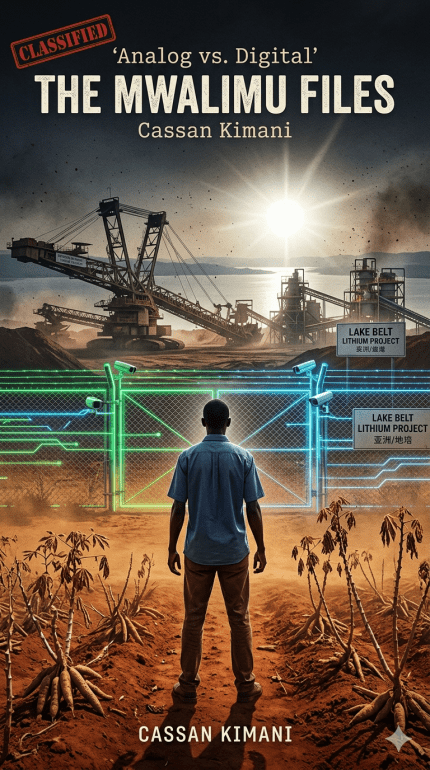
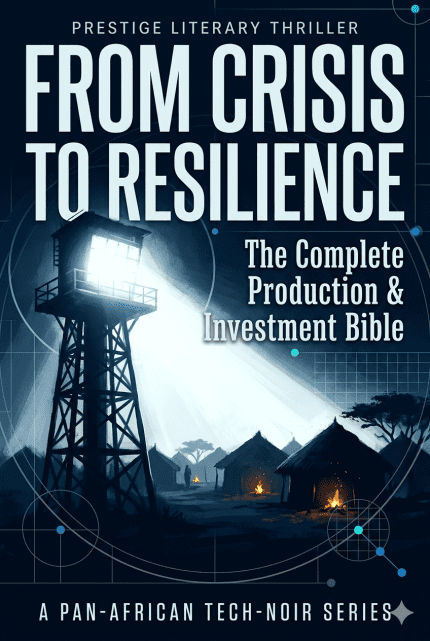
The mine lights come on at 6:47 PM, and for eleven minutes the village of Uyoma thinks the sun has risen backward.
Zuri Odhiambo is sitting on her grandmother’s veranda when it happens. Her MacBook is burning her thighs. There is a warm Tusker beer between her feet. She has been home for six hours — six hours after eight years away, after MIT, after a $340,000 salary at a company she signed an NDA never to name, after everything she built and everything she gave away and everything she did not understand she was giving away until she was already gone.
Her father is beside her, whittling a stick with a panga that hasn’t been sharp since 2007. He is not looking at the lights. He already knows what they are.
“They call it the Lake Belt Lithium Project,” he says, in Dholuo, which he knows she struggles with. He does this when he wants to win. “Pan-African initiative. Green energy for the continent. Your people in Addis Ababa are very proud.”
Zuri looks at the lights — forty-seven industrial floodlights mounted on pylons that weren’t there when she left — and feels something she does not yet have a name for. Later she will call it recognition. The particular nausea of seeing something you helped design being used in a way you did not design it for.
Her phone buzzes. A notification from a workspace she thought she’d left behind.
Mwalimu v2.7 deployments successful. Kenyan Ministry of Interior pilot program initiated. Congratulations on your first government contract.
She stares at the screen. Mwalimu was supposed to be open-source. A gift. An AI tutor she built for village schools that couldn’t afford teachers — designed to answer a child’s question about algebra at 2 AM in a place with no electricity, no internet, no future that anyone had bothered to plan for them. She made it free. She gave it away. She believed, with the absolute certainty of someone who has read all the right books and sat in none of the wrong rooms, that a tool built with good intentions would only ever be used for good.
She searches for four minutes and finds the procurement document buried in a government portal designed to be unreadable.
Mwalimu AI — Predictive Analytics for Social Cohesion. To identify at-risk youth populations and preempt radicalization pathways.
Her code. Her beautiful, stupid code. Now running in twelve Kenyan counties, trained on 2.3 million student records, flagging children — flagging children — based on their search patterns, their locations, the sentiment of their social media posts.
She is going to be sick on her grandmother’s veranda.
And then her phone buzzes again. An encrypted Signal message from a number she doesn’t recognise.
Zuri. Welcome home. The mine has a weak point in the eastern fence, near the old cemetery. We need someone who knows the algorithms they use for patrol scheduling. You built them. You can unbuild them. — J
Jap.
Japheth Ochieng.
Her childhood best friend. The boy who lay in this same cassava field the night before she left for MIT and said: don’t go. And she said: I have to. And he said: you don’t have to. You want to. He was right. She left anyway. She has spent eight years trying to decide if that makes her brave or cruel, and she has never arrived at an answer that she can live with comfortably.
She has not spoken to him in four years. She knows, from fragments of news and whispered family conversations, that he is no longer the boy who lay in the cassava field quoting poetry at the stars. He is the leader of something called the Mau Mau Digital resistance. He has lost two fingers. He is wanted by the same Ministry of Interior that is currently running her code.
She looks at the mine lights. She looks at the notification on her phone. She looks at her father’s panga, abandoned on his chair, finally sharp enough to cut.
She types back: Tell me where to meet.













Reviews
Clear filtersThere are no reviews yet.