ENJOY FREE DELIVERY WITHIN NAIROBI FOR ORDERS ABOVE 10,000
Nuria App
Kenyan Shilling (KSh)
  • Kenyan Shilling (KSh)
  • United States (US) dollar ($)
  • Pound sterling (£)
  • Ugandan Shilling (UGX)
0 Wishlist
Login / Register
  • Home
  • Shop
  • Kenyan Books
  • Rare Books
  • Gift Card
  • Blog
  • Contact Us
  • SELL ON NURIA
  • VENDOR LOGIN
Menu
0 items KShs0.00
Browse Categories
  • Kenya Books
  • Rare Books
  • International Bestsellers
  • Self Help & Motivation
  • Fiction
  • Autobiography
  • Business
  • Children’s Books
  • Kids & Teens
  • African Interest
  • Educational Books
  • Romances & Thrillers
HELP / SUPPORT

0794 233 261

0 items KShs0.00
-15%
Click to enlarge
Home Books Motivation & Self Help Memoirs The Veiled Investment by Felicita OlChurie
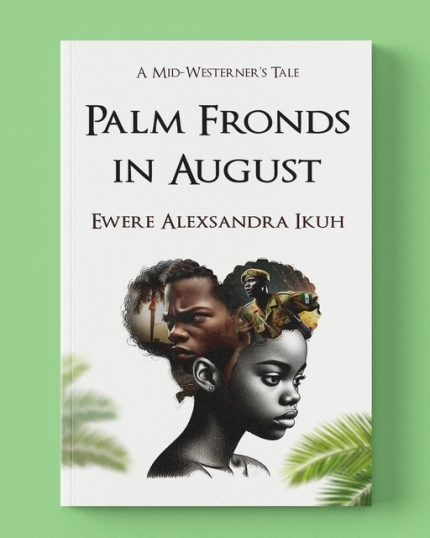
Palm Fronds In August KShs3,500.00 KShs3,100.00
Back to products
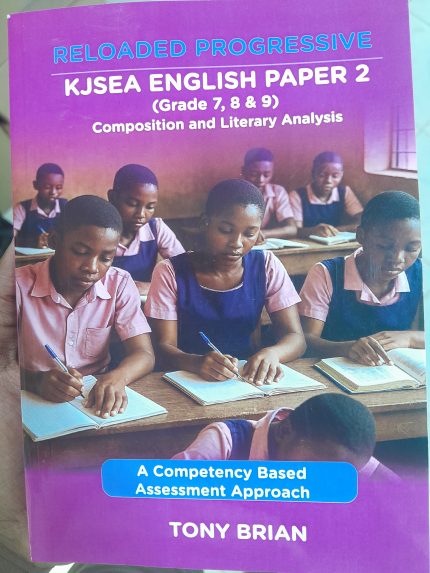
RELOADED PROGRESSIVE KJSEA ENGLISH PAPER 2 KShs800.00

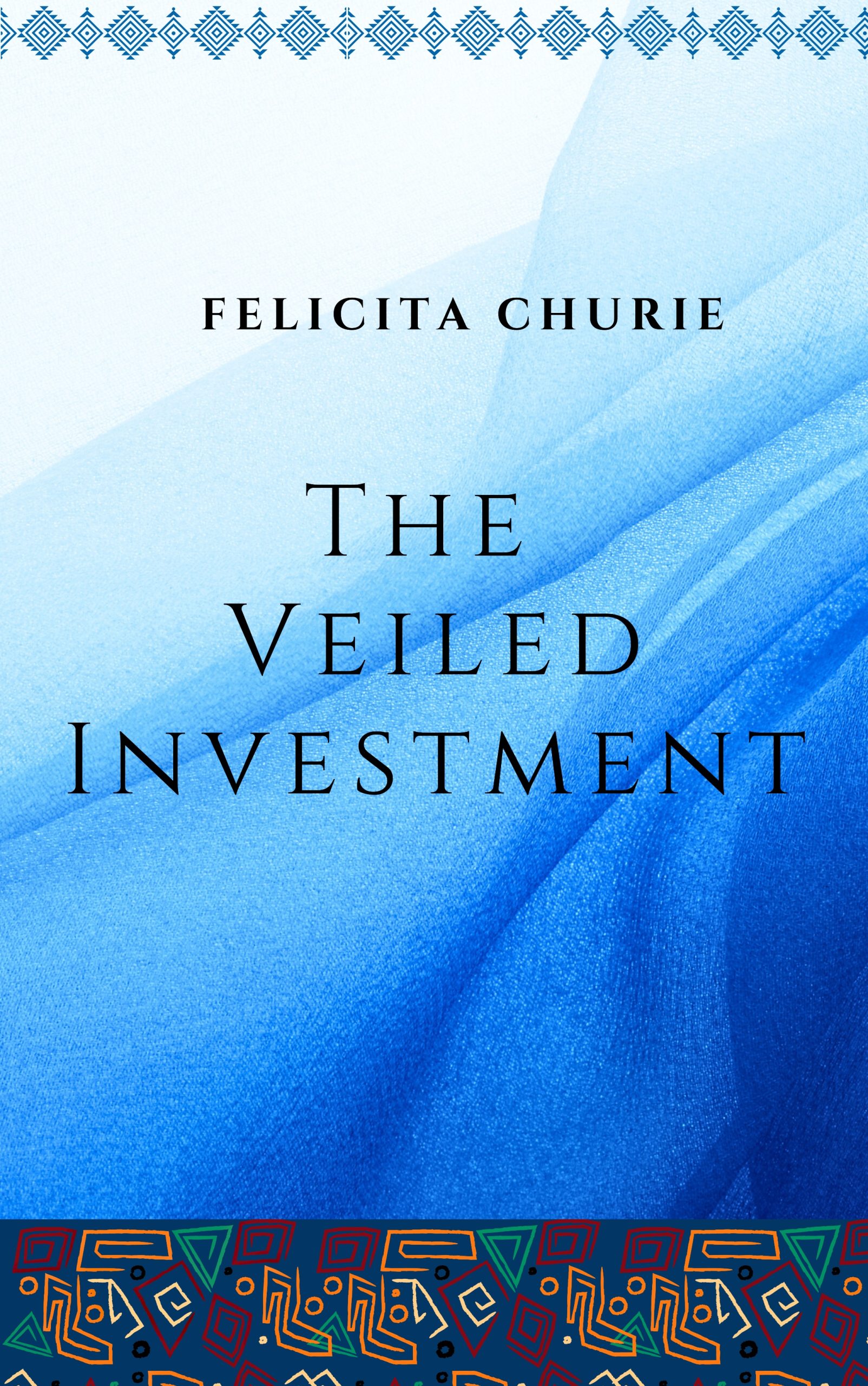
The Veiled Investment by Felicita OlChurie

KShs1,000.00 KShs850.00

Nuria Ranking: #5 in Memoirs

In stock

Purchase this product now and earn 2 Points!

The Veiled Investment is a book that highlights the many cultural changes from 1945 to the present, encompassing the different generations. The information about these effects may not appear in history, but is told as stories. During our time, it was obligations and responsibilities; now, it is about rights and entitlements.

Add KShs10,000.00 worth of products to your cart for free delivery within Nairobi!
Add to wishlist
Category: Memoirs Tags: African Books, History
Share:
Close
  • Description
  • Shipping
  • Reviews (0)
  • Vendor Info
  • More Products
Description

The Veiled Investment is a book that highlights the many cultural changes from 1945 to the present, encompassing the different generations. The information about these effects may not appear in history, but is told as stories. During our time, it was obligations and responsibilities; now, it is about rights and entitlements.

Why She Calls Herself the Veiled Investment:
In Felicita Churie’s community, a girl’s price was tallied in cows, not dreams. Eight decades later, that “veiled investment” has yielded returns no dowry could measure.

She outruns an arranged marriage, wins a British Scholarship, teaches a generation of girls and boys, and—when her son’s life hangs in the balance—gives him her kidney. The child earmarked for dowry becomes a teacher, scholar, commissioner, kidney donor, and grief-tempered advocate. Each milestone proves her grandmother’s quiet prophecy true: a woman’s worth is compounded in resilience and service, not cattle or coin.

Her life proves that the “investment” everyone else once claimed is, in truth, her own: education, faith, and an iron-clad will to keep going when tragedy strikes.

The Veiled Investment is both a ledger and a love letter to women whose quiet labour bankrolls families and nations. It is Felicita’s luminous memoir of classrooms and hospital corridors, showing how one determined woman turns every setback into capital for those she loves.

Shipping
Reviews (0)
Rated 0 out of 5
0 reviews
Rated 5 out of 5
0
Rated 4 out of 5
0
Rated 3 out of 5
0
Rated 2 out of 5
0
Rated 1 out of 5
0

Reviews

Clear filters

There are no reviews yet.

Be the first to review “The Veiled Investment by Felicita OlChurie” Cancel reply

Your email address will not be published. Required fields are marked *


Vendor Info

Vendor Information

  • Store Name: Felicita Churie
  • Vendor: Felicita OlChurie
  • No ratings found yet!
More Products
-13%

Tobiko, The Maasai Room and Leader, The Dog That Would Not Leave by Felicita OlChurie

Kids & Teens
KShs750.00 KShs650.00
This is a story about Tobiko's adventures at our home in the rural areas near a National Park. We called this home The Fort because at the time there were no other homes near it, only wild animals from the park. It is a story about Tobiko, his friends, and Leader the dog exploring the area, and fishing in the nearby river. There were many happy days with the Maasai Cattle Traders and their stories with lessons. Then, Tobiko discovers Leader the dog's true origin.
Add to wishlist
Add to basket
Quick view
-5%

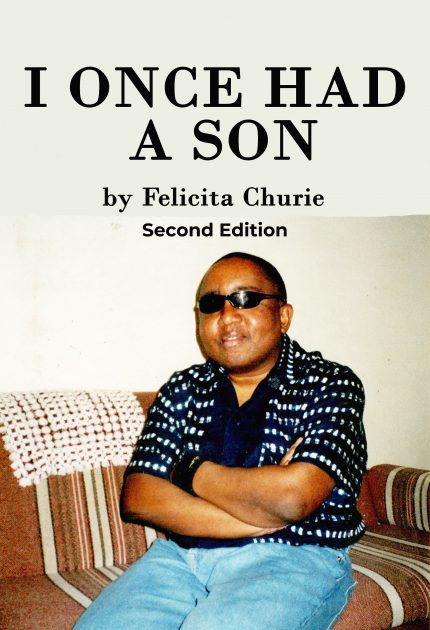
I Once Had A Son by Felicita OlChurie Second Edition

Fiction and Non Fiction
KShs1,000.00 KShs950.00
First and foremost, I have written this story as a way of seeking healing and to keep my son’s memory alive. I also hope that parents who have lost their children will find some comfort in knowing they are not alone in their grief. And to the kidney patients, may they be informed that there is hope in medicine and in the development of the newest methods of treatment. Donating a kidney may seem a big deal but to me, it was the solution and the best I could do. To all doctors who take care of our patients, I extend my heartfelt gratitude for their priceless sacrifice in working long hours to see that their patients get back to their good health.
Add to wishlist
Add to basket
Quick view

Related products

-10%Sold out

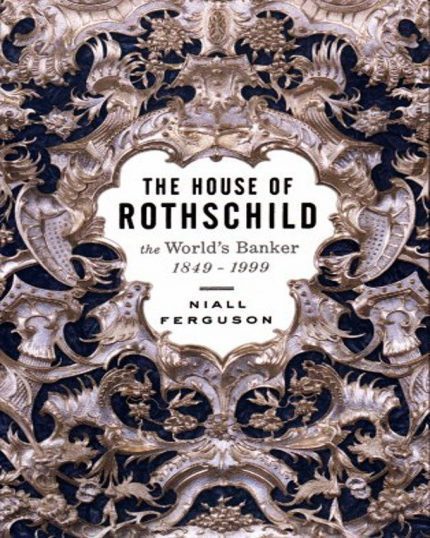
The House of Rothschild: The worlds Banker 1849-1999 by Niall Ferguson

Books, AutoBiography
KShs2,890.00 KShs2,590.00
A second volume in the acclaimed history of the legendary banking dynasty chronicles the changing fortunes of the financial family during a turbulent era in world history, from their dramatic influence in nineteenth-century Europe to their gradual decline because of the failure to establish a sixth house in the world financial center of New York. 22,500 first printing.
Add to wishlist
Read more
Quick view
-9%

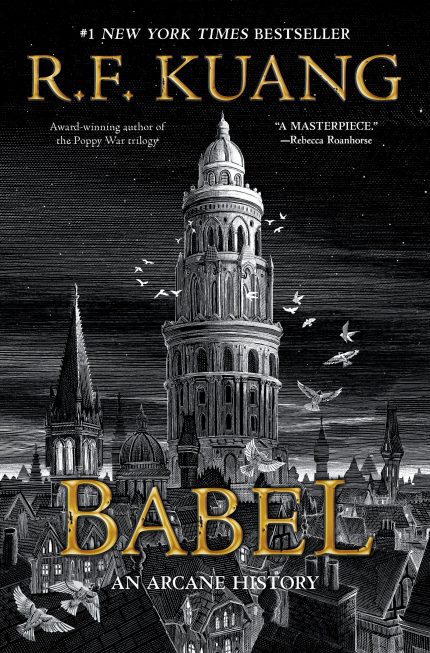
Babel: Or the Necessity of Violence: An Arcane History of the Oxford Translators Revolution by R. F Kuang

Books, International Bestsellers
KShs2,290.00 KShs2,090.00
Traduttore, traditore: An act of translation is always an act of betrayal. 1828. Robin Swift, orphaned by cholera in Canton, is brought to London by the mysterious Professor Lovell. There, he trains for years in Latin, Ancient Greek, and Chinese, all in preparation for the day he’ll enroll in Oxford University’s prestigious Royal Institute of Translation—also known as Babel. Babel is the world's center for translation and, more importantly, magic. Silver working—the art of manifesting the meaning lost in translation using enchanted silver bars—has made the British unparalleled in power, as its knowledge serves the Empire’s quest for colonization. For Robin, Oxford is a utopia dedicated to the pursuit of knowledge. But knowledge obeys power, and as a Chinese boy raised in Britain, Robin realizes serving Babel means betraying his motherland. As his studies progress, Robin finds himself caught between Babel and the shadowy Hermes Society, an organization dedicated to stopping imperial expansion. When Britain pursues an unjust war with China over silver and opium, Robin must decide… Can powerful institutions be changed from within, or does revolution always require violence?
Add to wishlist
Add to basket
Quick view
-25%

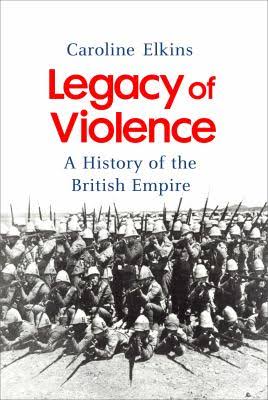
Legacy of Violence: A History of the British Empire by Caroline Elkins

Books
KShs4,000.00 KShs3,000.00
Sprawling across a quarter of the world's land mass and claiming nearly five hundred colonial subjects, Britain's twentieth-century empire was the largest empire in human history. For many Britons, it epitomized their nation's cultural superiority, but what legacy did the island nation deliver to the world? Covering more than two hundred years of history, Caroline Elkins reveals an evolutionary and racialized doctrine that espoused an unrelenting deployment of violence to secure and preserve the nation's imperial interests. She outlines how ideological foundations of violence were rooted in the Victorian era calls for punishing recalcitrant "natives," and how over time, its forms became increasingly systematized. And she makes clear that when Britain could no longer maintain control over the violence it provoked and enacted, it retreated from empire, destroying and hiding incriminating evidence of its policies and practices. Drawing on more than a decade of research on four continents, Legacy of Violence implicates all sides of Britain's political divide in the creation, execution, and cover-up of imperial violence. By demonstrating how and why violence was the most salient factor underwriting Britain's empire and the nation's imperial identity at home, Elkins upends long-held myths and sheds new light on empire's role in shaping the world today.
Add to wishlist
Add to basket
Quick view
-11%

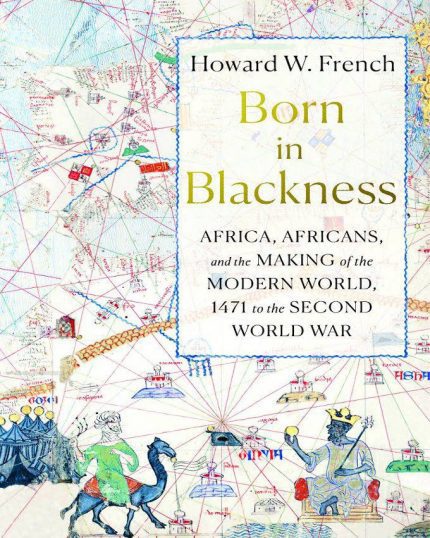
Born in Blackness: Africa, Africans, and the Making of the Modern World, 1471 to the Second World War by Howard W. French

Books, International Bestsellers
KShs5,500.00 KShs4,900.00
Revealing the central yet intentionally obliterated role of Africa in the creation of modernity, Born in Blackness vitally reframes our understanding of world history. Traditional accounts of the making of the modern world afford a place of primacy to European history. Some credit the fifteenth-century Age of Discovery and the maritime connection it established between West and East; others the accidental unearthing of the “New World.” Still others point to the development of the scientific method, or the spread of Judeo-Christian beliefs; and so on, ad infinitum. The history of Africa, by contrast, has long been relegated to the remote outskirts of our global story. What if, instead, we put Africa and Africans at the very center of our thinking about the origins of modernity? In a sweeping narrative spanning more than six centuries, Howard W. French does just that, for Born in Blackness vitally reframes the story of medieval and emerging Africa, demonstrating how the economic ascendancy of Europe, the anchoring of democracy in the West, and the fulfillment of so-called Enlightenment ideals all grew out of Europe’s dehumanizing engagement with the “dark” continent. In fact, French reveals, the first impetus for the Age of Discovery was not―as we are so often told, even today―Europe’s yearning for ties with Asia, but rather its centuries-old desire to forge a trade in gold with legendarily rich Black societies sequestered away in the heart of West Africa. Creating a historical narrative that begins with the commencement of commercial relations between Portugal and Africa in the fifteenth century and ends with the onset of World War II, Born in Blackness interweaves precise historical detail with poignant, personal reportage. In so doing, it dramatically retrieves the lives of major African historical figures, from the unimaginably rich medieval emperors who traded with the Near East and beyond, to the Kongo sovereigns who heroically battled seventeenth-century European powers, to the ex-slaves who liberated Haitians from bondage and profoundly altered the course of American history. While French cogently demonstrates the centrality of Africa to the rise of the modern world, Born in Blackness becomes, at the same time, a far more significant narrative, one that reveals a long-concealed history of trivialization and, more often, elision in depictions of African history throughout the last five hundred years. As French shows, the achievements of sovereign African nations and their now-far-flung peoples have time and again been etiolated and deliberately erased from modern history. As the West ascended, their stories―siloed and piecemeal―were swept into secluded corners, thus setting the stage for the hagiographic “rise of the West” theories that have endured to this day.
Add to wishlist
Add to basket
Quick view
-13%

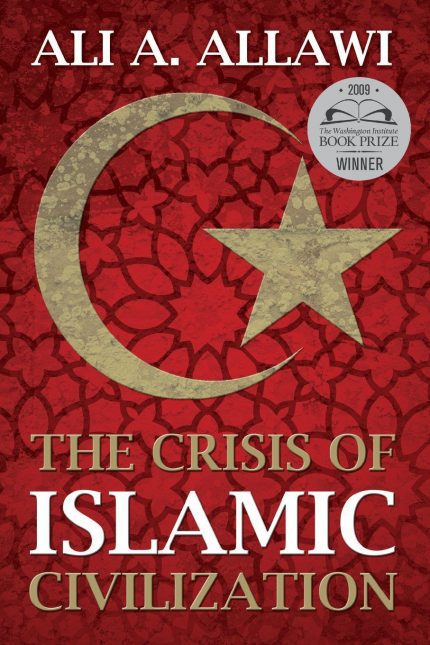
The Crisis of Islamic Civilization by Ali A. Allawi

Books
KShs4,000.00 KShs3,500.00
A bold analysis of the sources of the crisis in today’s Islamic world, from a public intellectual and statesman at its heart Islam as a religion is central to the lives of over a billion people, but its outer expression as a distinctive civilization has been undergoing a monumental crisis. Buffeted by powerful adverse currents, Islamic civilization today is a shadow of its former self. The most disturbing and possibly fatal of these currents—the imperial expansion of the West into Muslim lands and the blast of modernity that accompanied it—are now compounded by a third giant wave, globalization. These forces have increasingly tested Islam and Islamic civilization for validity, adaptability, and the ability to hold on to the loyalty of Muslims, says Ali A. Allawi in his provocative new book. While the faith has proved resilient in the face of these challenges, other aspects of Islamic civilization have atrophied or died, Allawi contends, and Islamic civilization is now undergoing its last crisis. The book explores how Islamic civilization began to unravel under colonial rule, as its institutions, laws, and economies were often replaced by inadequate modern equivalents. Allawi also examines the backlash expressed through the increasing religiosity of Muslim societies and the spectacular rise of political Islam and its terrorist offshoots. Assessing the status of each of the building blocks of Islamic civilization, the author concludes that Islamic civilization cannot survive without the vital spirituality that underpinned it in the past. He identifies a key set of principles for moving forward, principles that will surprise some and anger others, yet clearly must be considered.
Add to wishlist
Add to basket
Quick view
-33%

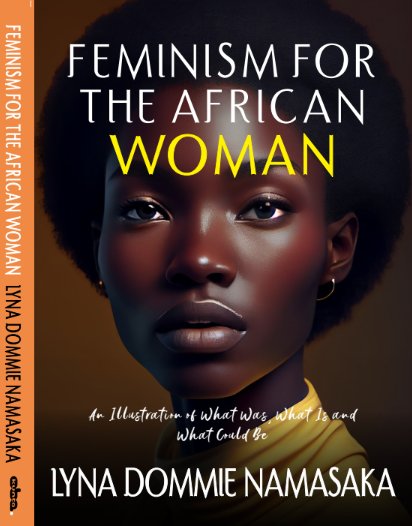
FEMINISM FOR THE AFRICAN WOMAN by Lyna Dommie Namasaka

Sociology
Rated 4.40 out of 5
KShs1,500.00 KShs999.00
Initially written as 'Because we are People', Lyna Dommie Namasaka's 'Feminism for the African Woman' is an argument for the African feminist discourse. It uses historical records, collections of personal stories and statistics to explore African feminism dynamics in attempts to bridge the gap that exists between African modern feminists and the local realities of the other half of African women. It attempts to bridge the disconnect these differences have created and avoid the potential aftermath of this disconnect. More importantly, the book counters the widespread narrative that Africans live in a post feminist era.
Add to wishlist
Add to basket
Quick view
-13%Sold out

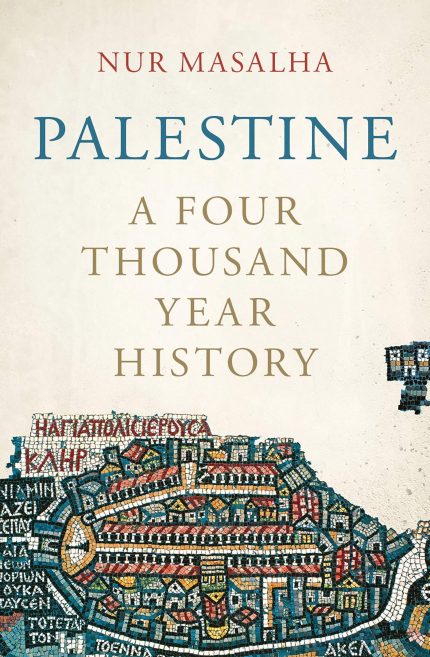
Palestine: A Four Thousand Year History by Nur Masalha

Books
KShs3,990.00 KShs3,490.00
This rich and magisterial work traces Palestine's millennia-old heritage, uncovering cultures and societies of astounding depth and complexity that stretch back to the very beginnings of recorded history. Starting with the earliest references in Egyptian and Assyrian texts, Nur Masalha explores how Palestine and its Palestinian identity have evolved over thousands of years, from the Bronze Age to the present day. Drawing on a rich body of sources and the latest archaeological evidence, Masalha shows how Palestine's multicultural past has been distorted and mythologised by Biblical lore and the Israel–Palestinian conflict. In the process, Masalha reveals that the concept of Palestine, contrary to accepted belief, is not a modern invention or one constructed in opposition to Israel, but rooted firmly in ancient past. Palestine represents the authoritative account of the country's history.
Add to wishlist
Read more
Quick view
-4%

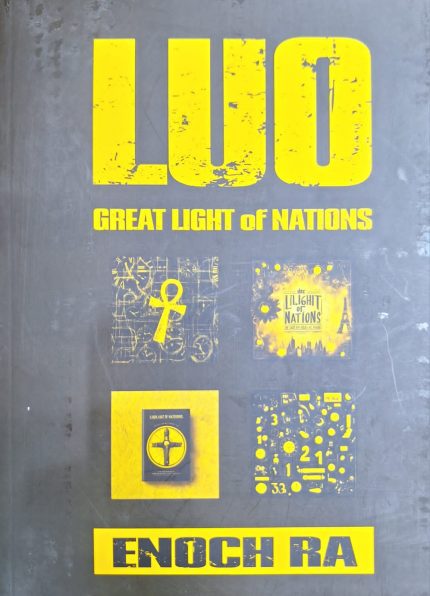
LUO: Great Light of Nations by Enock RA

Books
KShs4,500.00 KShs4,300.00
LUO: Great Light of Nations by Enock RA
Add to wishlist
Add to basket
Quick view
-23%

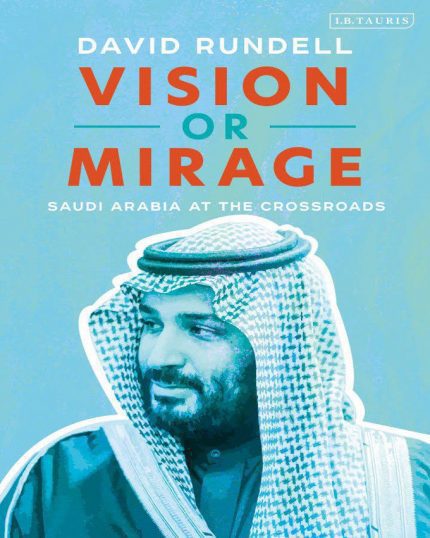
Vision Or Mirage: Saudi Arabia at the Crossroads by David Rundell

Books, Governance
KShs3,500.00 KShs2,699.00
Brief Summary Something extraordinary is happening in Saudi Arabia. A traditional, tribal society once known for its lack of tolerance is rapidly implementing significant economic and social reforms. An army of foreign consultants is rewriting the social contract, King Salman has cracked down hard on corruption, and his dynamic though inexperienced son, the Crown Prince Mohammad bin Salman, is promoting a more tolerant Islam. But is all this a new vision for Saudi Arabia or merely a mirage likely to dissolve into Iranian-style revolution? David Rundell - one of America's foremost experts on Saudi Arabia - explains how the country has been stable for so long, why it is less so today, and what is most likely to happen in the future. The book is based on the author's close contacts and intimate knowledge of the country where he spent 15 years living and working as a diplomat. Vision or Mirage demystifies one of the most powerful, but least understood, states in the Middle East and is essential reading for anyone interested in the power dynamics and politics of the Arab World.
Add to wishlist
Add to basket
Quick view
-7%

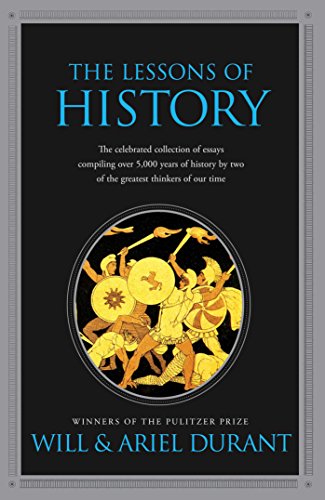
The Lessons of History by Will Durant and Ariel Durant

Books
KShs3,200.00 KShs2,990.00
A concise survey of the culture and civilization of mankind, The Lessons of History is the result of a lifetime
Add to wishlist
Add to basket
Quick view
-13%

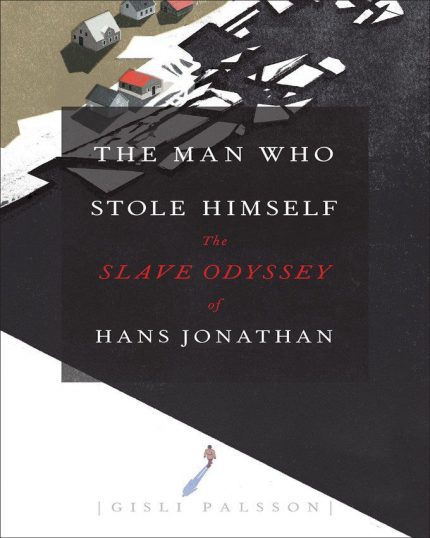
The Man Who Stole Himself: The Slave Odyssey of Hans Jonathan by Gisli Palsson

Books, Governance, History
KShs4,000.00 KShs3,499.00
Brief Summary The island nation of Iceland is known for many things—majestic landscapes, volcanic eruptions, distinctive seafood—but racial diversity is not one of them. So the little-known story of Hans Jonathan, a free black man who lived and raised a family in early nineteenth-century Iceland, is improbable and compelling, the stuff of novels. In The Man Who Stole Himself, Gisli Palsson lays out the story of Hans Jonathan (also known as Hans Jónatan) in stunning detail. Born into slavery in St. Croix in 1784, Hans was taken as a slave to Denmark, where he eventually enlisted in the navy and fought on behalf of the country in the 1801 Battle of Copenhagen. After the war, he declared himself a free man, believing that he was due freedom not only because of his patriotic service, but because while slavery remained legal in the colonies, it was outlawed in Denmark itself. He thus became the subject of one of the most notorious slavery cases in European history, which he lost. Then Hans ran away—never to be heard from in Denmark again, his fate unknown for more than two hundred years. It’s now known that Hans fled to Iceland, where he became a merchant and peasant farmer, married, and raised two children. Today, he has become something of an Icelandic icon, claimed as a proud and daring ancestor both there and among his descendants in America. The Man Who Stole Himself brilliantly intertwines Hans Jonathan’s adventurous travels with a portrait of the Danish slave trade, legal arguments over slavery, and the state of nineteenth-century race relations in the Northern Atlantic world. Throughout the book, Palsson traces themes of imperial dreams, colonialism, human rights, and globalization, which all come together in the life of a single, remarkable man. Hans literally led a life like no other. His is the story of a man who had the temerity—the courage—to steal himself.
Add to wishlist
Add to basket
Quick view
-10%

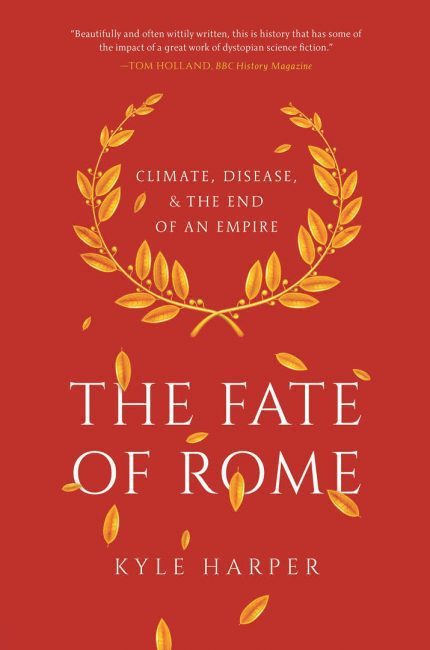
The Fate of Rome: Climate, Disease, and the End of an Empire (The Princeton History of the Ancient World, 2) by Kyle Harper

Books
KShs3,000.00 KShs2,690.00
How devastating viruses, pandemics, and other natural catastrophes swept through the far-flung Roman Empire and helped to bring down one
Add to wishlist
Add to basket
Quick view
-17%

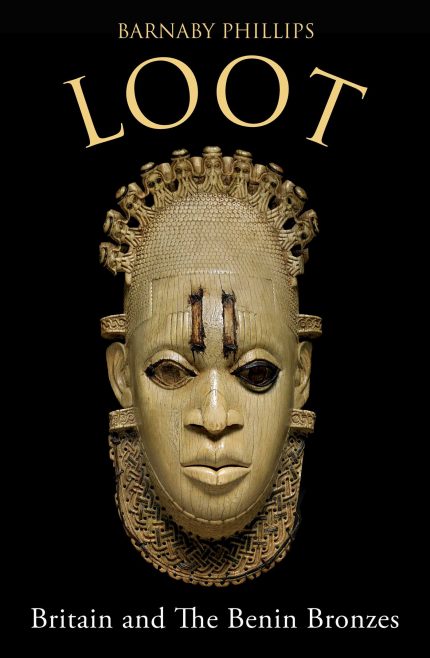
Loot: Britain and the Benin Bronzes by Barnaby Phillips

Books
KShs2,400.00 KShs1,990.00
In 1897, Britain sent a punitive expedition to the Kingdom of Benin, in what is today Nigeria, in retaliation for the killing of seven British officials and traders. British soldiers and sailors captured Benin, exiled its king and annexed the territory. They also made off with some of Africa’s greatest works of art. The ‘Benin Bronzes’ are now amongst the most admired and valuable artworks in the world. But seeing them in the British Museum today is, in the words of one Benin City artist, like ‘visiting relatives behind bars’. In a time of huge controversy about the legacy of empire, racial justice and the future of museums, what does the future hold for the Bronzes?
Add to wishlist
Add to basket
Quick view
-9%Sold out

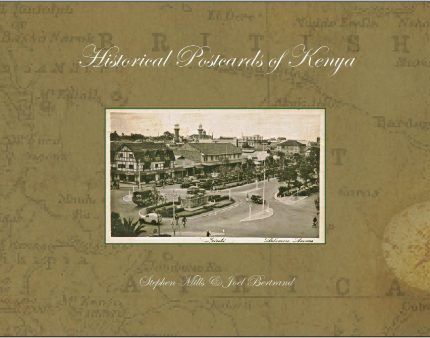
Historical Postcards of Kenya by Stephen Mills and Joel Bertrand

Books
KShs5,500.00 KShs4,990.00
Until recently, there was nothing like Kenya. There was only, from Somalia down to the Comoros like the pearls of a Muslim rosary, a series of harbours of flourishing cities. Most were safely situated on islands where sailors had come since Antiquity from as far as Arabia, India and even China to trade and mix with the local African people. This is where the Swahili civilization blossomed. In 1498, Vasco de Gama was the first European to reach the area. Portugal established a few strongholds along the Coast – Fort Jesus in Mombasa is a vestige of this occupation. Soon followed by other European powers, they became yet another actor of the tumultuous power struggles in the area. In the hinterland, since the beginning of times – other people were living, peacefully or at war with each other, interacting, migrating, developing areas and societies, but with limited contacts with the Coast, and the outside world. The Swahili traders – often called Arabs – had for a long time established links with the people of the mainland. Large caravans would be chartered, going farther and farther into the continent, generation after generation. By the beginning of the 19th Century, they would start from Zanzibar and Bagamoyo on the mainland and reach the heart of Africa, the shores of the lakes known today as Tanganyika and Victoria, forming alliances with local chiefs and kings, even controlling large areas as in Kivu. But the traders from Lamu, Malindi, Gedi, and Mombasa could not go that far. If they dared penetrate deep into the continent, fierce fighting herdsmen would attack the intruders, disband the caravans, and make the business a disaster. Nobody ventured farther than a few hundred miles. The only possible route was from Zanzibar, which was followed by the famous explorers such as Stanley, Livingstone and Burton, who “discovered” Africa, and the missionaries who came in their footsteps. They ventured far and, to their amazement, reached a place which they described as a very developed political entity, the Kingdom of Buganda, on the shores of a lake they named Victoria Nyanza. The United Kingdom developed a strong interest in this area and, in alliance with the Kabaka of Buganda, took control over a large territory surrounding his kingdom, establishing the Uganda Protectorate, by 1894. But there was a problem. As agreed in 1886, the usual route to Buganda, from Zanzibar, meant crossing territories henceforth under German domination, Tanganyika, while Britain had been attributed those stretching inwards north of -1° latitude from the Coast up to the Rwenzori Mountains. To gain free access to its Protectorate, Britain decided to cut across from Mombasa and reach the shores of Victoria Nyanza by train. From there, Uganda would easily be reached by boat. Consequently, they decided to build the Uganda Railway, and construction began in 1896. Earlier, the young Lord Lugard, with a significant number of soldiers, Sudanese, Swahili, etc, completed the survey after the military had previously confirmed its feasibility and secured the new route by establishing a series of forts. The trained manpower to build the railway was imported from India, by the thousands. About a quarter of these often forced immigrants remained in the country. Many friends and relatives joined them, turning into shopkeepers in the new towns and the emerging modern villages. The epic of the Uganda Railway building is narrated in a novel, “The Lunatic Express”, as it was nicknamed. In 1899, as the construction was progressing towards the Lake, it was decided to establish a rail depot and workshops in a place the Maasai called Nairobi, located before the railhead reached the Big Escarpment. The Uganda Railway reached Port Florence, today called Kisumu, in December 1901. Meanwhile, Nairobi was growing, as the main stop on the long railroad. The British government, which had taken responsibility for the territory known as British East Africa (B.E.A.), decided in 1902 to transfer to B.E.A. the region called Kavirondo, bordering the Lake from Mount Elgon to Homa Bay, previously part of the Uganda Protectorate, so that the whole railway line, the backbone of the territory, could be under the same administration. In 1905, it was decided to transfer the capital from Mombasa to Nairobi where the headquarters of the Uganda Railway was already situated. Yet, as can be seen on a map of 1906, the name of Nairobi does not even appear. From there, a new political entity emerged. From the beginning of the century, British East Africa developed and took shape. Many immigrants arrived, white farmers from the U.K. and South Africa, Asians from British India, missionaries covering the country with churches and schools while the local populations, by will or whip, were introduced into the new world modernity. Most of the postcards here date from this period, the first quarter of the 20th century. Many buildings were erected, urban centres appeared and grew, and new ways of life were adopted. Then, in 1920, a major reorganisation was decided, B.E.A. becoming the Kenya colony, but for a strip of land along the Coast, where sovereignty was shared with the Sultan of Zanzibar, and which became the Kenya Protectorate. That part of the British Empire was named after the highest mountain in the country, Mt Kenya. The name was kept after Independence. This is how postcards tell the story of a nation in the making.
Add to wishlist
Read more
Quick view
-20%

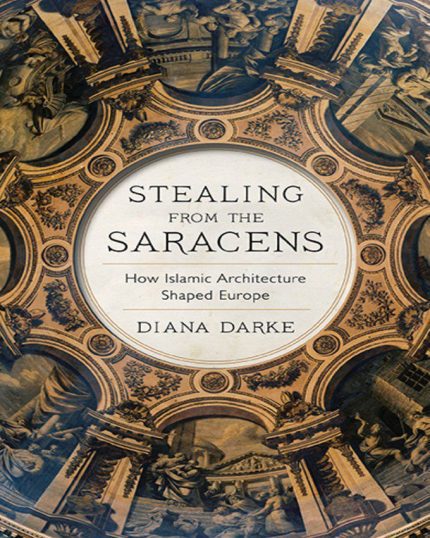
Stealing from the Saracens: How Islamic Architecture Shaped Europe by Diana Darke

Books, Governance
KShs5,000.00 KShs3,999.00
Brief Summary Against a backdrop of Islamophobia, Europeans are increasingly airbrushing from history their cultural debt to the Muslim world. But this legacy lives on in some of Europe's most recognizable buildings, from Notre-Dame Cathedral to the Houses of Parliament. This beautifully illustrated book reveals the Arab and Islamic roots of Europe's architectural heritage. Diana Darke traces ideas and styles from vibrant Middle Eastern centers like Damascus, Baghdad and Cairo, via Muslim Spain, Venice and Sicily into Europe. She describes how medieval crusaders, pilgrims and merchants encountered Arab Muslim culture on their way to the Holy Land; and explores more recent artistic interaction between Ottoman and Western cultures, including Sir Christopher Wren's inspirations in the "Saracen" style of Gothic architecture. Recovering this long yet overlooked history of architectural "borrowing," Stealing from the Saracens is a rich tale of cultural exchange, shedding new light on Europe's greatest landmarks.
Add to wishlist
Add to basket
Quick view
-14%

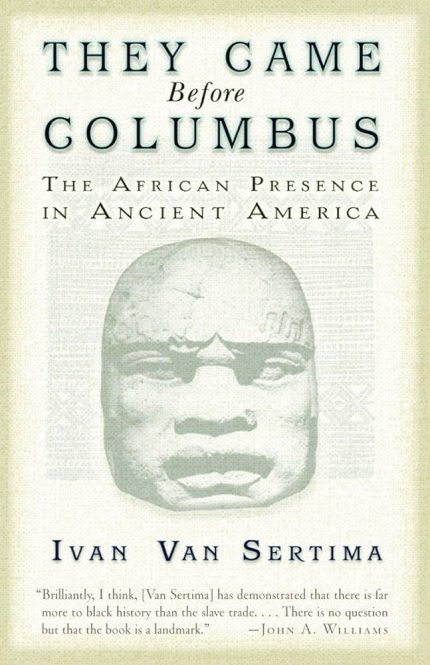
They Came Before Columbus: The African Presence in Ancient America (Journal of African Civilizations) by Ivan Van Sertima

Books
KShs3,000.00 KShs2,590.00
They Came Before Columbus reveals a compelling, dramatic, and superbly detailed documentation of the presence and legacy of Africans in
Add to wishlist
Add to basket
Quick view
delivery

QUICK DELIVERY

Swift dispatch

ONLINE PAYMENT

Multiple options

EXPERT SUPPORT

Help when you need it

WIDE VARIETY

Thousands of books

GLOBAL SHIPPING

Worldwide delivery

  • TALK TO US
    • 0794 233261 / 0724 670194
    • nuriakenyabookstore@gmail.com
    • The Bazaar Building, 1st Floor
  • About Nuria
    • Our Story
    • Blog
    • Contact Us
  • VENDORS
    • Sell on Nuria
    • Vendor Login
    • Privacy Policy
  • USEFUL LINKS
    • Delivery Policy
    • Returns
    • Gift Card Balance
digitals-app-store-button
google-play-button

We Accept

2023 NURIA KENYA All rights reserved
  • Menu
  • Categories
  • Kenya Books
  • Rare Books
  • International Bestsellers
  • Self Help & Motivation
  • Fiction
  • Autobiography
  • Business
  • Children’s Books
  • Kids & Teens
  • African Interest
  • Educational Books
  • Romances & Thrillers
  • Home
  • Shop
  • Gift Card
  • About Us
  • Nuria App
  • Contact Us
  • Wishlist
  • Login / Register
Shopping cart
Close
Sign in
Close

Lost your password?

No account yet?

Create an Account
Shop
Sidebar
0 Wishlist
0 items Cart
My account