In celebration of the 10th anniversary of the landmark book Freakonomics comes this curated collection from the most readable economics blog in the universe. It’s the perfect solution for the millions of readers who love all things Freakonomics. Surprising and erudite, eloquent and witty, When to Rob a Bank demonstrates the brilliance that has made the Freakonomics guys an international sensation, with more than 7 million books sold in 40 languages, and 150 million downloads of their Freakonomics Radio podcast.
When Freakonomics was first published, the authors started a blog—and they’ve kept it up. The writing is more casual, more personal, even more outlandish than in their books. In When to Rob a Bank, they ask a host of typically off-center questions: Why don’t flight attendants get tipped? If you were a terrorist, how would you attack? And why does KFC always run out of fried chicken?
Over the past decade, Steven D. Levitt and Stephen J. Dubner have published more than 8,000 blog posts on Freakonomics.com. Many of them, they freely admit, were rubbish. But now they’ve gone through and picked the best of the best. You’ll discover what people lie about, and why; the best way to cut gun deaths; why it might be time for a sex tax; and, yes, when to rob a bank. (Short answer: never; the ROI is terrible.) You’ll also learn a great deal about Levitt and Dubner’s own quirks and passions, from gambling and golf to backgammon and the abolition of the penny.
Steven D. Levitt, a professor of economics at the University of Chicago, was awarded the John Bates Clark medal, given to the most influential American economist under forty. He is also a founder of The Greatest Good, which applies Freakonomics-style thinking to business and philanthropy.
Stephen J. Dubner is an award-winning author, journalist, and radio and TV personality. He quit his first career—as an almost-rock-star—to become a writer. He has since taught English at Columbia, worked for The New York Times and published three non-Freakonomics books.
ISBN:2147483647
Author:Steven D. Levitt, Stephen J. Dubner

























Rose Walubengo –
Hello;
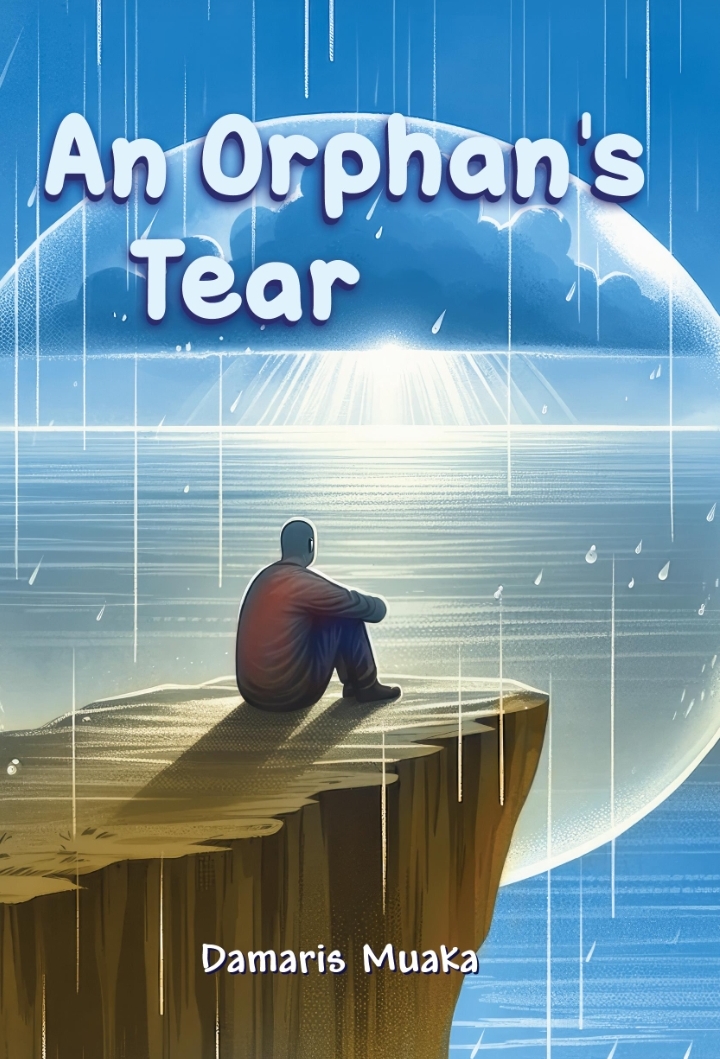
The book depicts the “normal” orphan culture that we ( the society) are deep rooted into!
-All that happen in our society (bad/good), is brought about by the notion ‘the way we do things’……African culture. Whereby, one is sidelined as per the situation he/she is in!
-Its a wake up call for parents to do the right thing for our children /make right decisions/have a will/ have a concrete foundation for our kids from the word go/ make sure that our kids know their routes because in one way or another, our kids will painfully find out.
-Let’s teach our children on unity of purpose from an early age, they may have inadequate resources but unity is very key. At some point when parents die, very young children get divided taking sides with different relatives hence destroying their own families, thus escalating the orphan’s tear!
-The author is so keen on an orphan’s challenges, but what about the wins??? What about “sikio la kufa halisikii dawa?” (Some relatives try as much as they can to help orphans but there’s that feeling that aunt/uncle/cousin etc so and so are not helping us), lame complains right, left and center….what happens???
– If one finds him/herself in an orphan’s situation, and you get someone who can offer you education, the best thing is to focus on that and spread your wings, self pity is killing the whole society at large.
-Much appreciation for celebrating Koko Aidah Agidza Herman Muaka, its a memory that will never fade away while she’s still on this earth!
Thanks for the insights, though I feel like there’s more on an orphan’s Tear! —Remember, some of the orphan’s Tear are self induced, even if some of the parents were alive they couldn’t do more than what some relatives are doing to help.
All is well!
Cynthia Khabetsa Mwavishi –
I have finished reading the book titled The Orphan’s tear by Damaris. The book delves into realities of orphan hood, the narratives of this book resonates with both personal experiences and societal issues in broader context. The shared struggles faced by Orphans, despite coming from different family backgrounds with different socioeconomic status, the struggles are well portrayed that the orphans, after the loss of their parents, they are wrapped in a common thread of challenges, with shared reality. I loved reading the book, it has explored the harsh journey of orphans, that include the fake promises given to them by relatives, to being used in those relative’s homes.
The book triggers emotions throughout, that are powerful and overwhelming. It’s indeed a testament of resilience. The author, Damaris, emphasised on the necessity to persevere and strive for a better future. I wonder if it’s her real story, I remember her back in primary school AT Bulovi primary.. It’s a nice read that calls for action to the readers to empathise with the struggles orphans face and contribute to a more compassionate and understanding society. Thank you.
Cynthia Khabetsa Mwavishi –
I have finished reading the book titled The Orphan’s tear by Damaris,The book delves into realities of orphan hood, the narratives of this book resonates with both personal experiences and societal issues in broader context. The shared struggles faced by Orphans, despite coming from different family backgrounds with different socioeconomic status, the struggles are well portrayed that the orphans, after the loss of their parents, they are wrapped in a common thread of challenges, with shared reality. I loved reading the book, it has explored the harsh journey of orphans, that include the fake promises given to them by relatives, to being used in those relative’s homes.
The book triggers emotions throughout, that are powerful and overwhelming. It’s indeed a testament of resilience. The author, Damaris, emphasised on the necessity to persevere and strive for a better future. I wonder if it’s her real story, I remember her back in primary school AT Bulovi primary.. It’s a nice read that calls for action to the readers to empathise with the struggles orphans face and contribute to a more compassionate and understanding society. Thank you.