A Note Before You Begin
A slow-down in desire is one of the most common things that happens in long-term relationships, and it is rarely a sign that something is broken between two people. Far more often, it is a signal — from a body, a mind, or a relationship — that something needs attention.
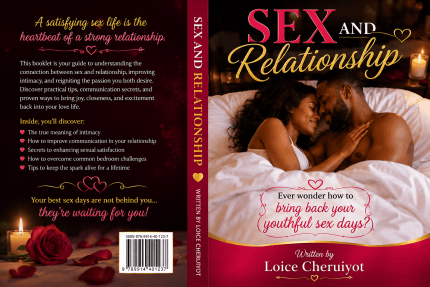
This booklet is written for couples who want to understand why desire has cooled and what they can realistically do about it. It is organized around causes and solutions, grouped into physical, psychological, relational, and lifestyle categories, so you can find the sections that speak to your situation and skip the ones that don't. Nineteen common causes are covered, each with a plain explanation and a set of concrete steps.
A few honest notes before you start. This is general education, not a medical or psychological diagnosis, and it is not a substitute for a doctor, therapist, or certified sex therapist. If low desire is sudden, distressing, or tied to pain, a significant mood change, or a medical condition, please bring it to a healthcare provider — many of the causes described here are very treatable once identified. And if intimacy ever feels unsafe, coerced, or frightening, that is a conversation for a qualified professional, not a self-help booklet.
How to use this booklet: read Part 1 first for context, then skim the cause lists in Parts 2 through 5 and put a light mark next to anything that sounds familiar. You don't need every cause to apply — most couples find that two or three of them explain almost everything. Part 6 through 9 then give you tools, scripts, a short plan, and guidance on when outside help is worth bringing in.
Desire is not a switch that is simply 'on' or 'off.' For most people, most of the time, it responds to conditions — physical, emotional, and relational. Change the conditions, and desire often follows.