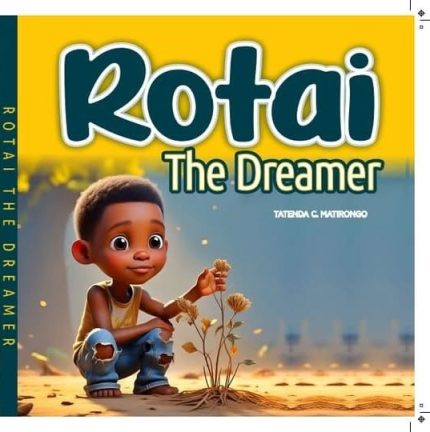
Dubbed “the dreamer” by his fellow villagers, Rotai embodies the essence of aspiration amidst adversity. While others labour beneath the sun's stern gaze, he finds solace beneath the classical Musasa tree, sketching visions of vibrant futures. Yet, dreams, as the story poignantly reveals, are mere wisps against the harsh realities of hunger and despair. Rotai’s family, steeped in poverty, mirrors the cracked earth around them. His mother, Hazvinei, a seamstress grappling with the weight of survival, becomes the quiet force that ignites Rotai's resolve. A serendipitous encounter with a barren patch of land awakens in him a yearning to cultivate life where none exists. With fierce determination, Rotai seeks to transform the desolate soil into a sanctuary of growth. Despite the scepticism of his peers, he nurtures his garden with unwavering dedication, illustrating the philosophical truth that belief can birth reality from the most unyielding circumstances. The emergence of the first green shoots symbolizes not just the revival of the land, but the rekindling of hope within the community. As the garden flourishes, so too does the collective spirit of the villagers. They gather to celebrate not merely the harvest, but the reflective metamorphosis of despair into joy; a testament to the power of nurturing not just plants, but dreams and connections. Rotai’s journey from a boy labelled a dreamer to a revered agriculturalist reflects the transformative potential inherent in belief, education, and community. Thus, Rotai the Dreamer is an imaginative exploration of the interface between dreams and reality, illustrating that from the depths of desolation, one can cultivate a garden of hope; a living testament to the resilience of the human spirit, ever reaching for the light.