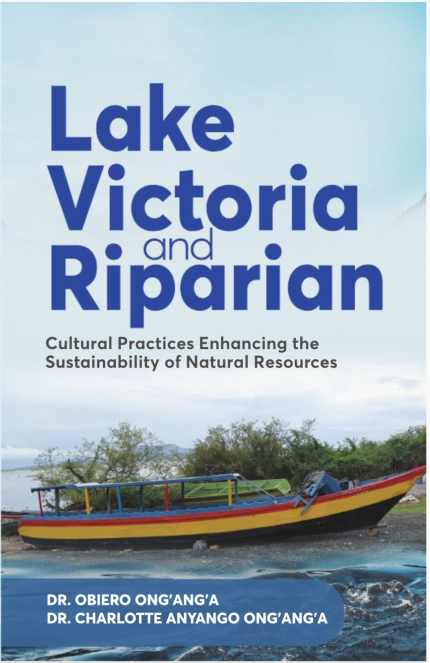
This book examines the cultural practices of Lake Victoria communities in Uganda, Tanzania, and Kenya, focusing on their ecological prudence and resource conservation strategies. These communities have long-standing traditions of conserving resources to ensure their long-term availability. When resources were depleted, they would move to other areas, allowing regeneration to occur.
The study involved interviews with community sages and elders, observations, and workshop discussions. A comprehensive literature review was conducted prior to field interviews to gather information and identify research gaps.
Lake Victoria, which sustains approximately 30 million people, has fostered peaceful coexistence and cultural exchange among different ethnic groups. Common practices, such as belief in totems, have been adopted across the region, leading to the conservation of animals and trees. Strong kingdoms like Buganda and Busoga enforced conservation through royal decrees, while chiefdoms in Sukuma and Ukerewe areas had similar traditions.
Cultural leaders implemented limited hunting and fishing seasons to promote animal and fish reproduction. Forests, wetlands, and beaches were considered sacred and served as habitats for animals while protecting the surrounding vegetation. Population pressures were eased through migration to open lands, although present land tenure laws have limited this practice.
Different communities had varying land tenure systems, including the Nyarubanja pattern, Mailo system, and communal lands administered by elders, which helped control soil erosion and floods through collective efforts.
Noteworthy cultural sites include the Budhaghali rapids, cherished by the Basoga people, with surrounding forests preserved due to their sacred significance. Traditional conservation methods involved the use of ash for food preservation, tobacco leaves to eliminate ticks, and hippopotamus dung for treating fungal diseases in crops. Non-destructive hunting and fishing tools were employed, while hand-hoes made from homemade iron prevented soil erosion.
Overall, the book presents a rich exploration of the cultural practices that have sustained resource conservation in the Lake Victoria region, providing insights into traditional knowledge and approaches that can inform contemporary conservation efforts.






















Peter –
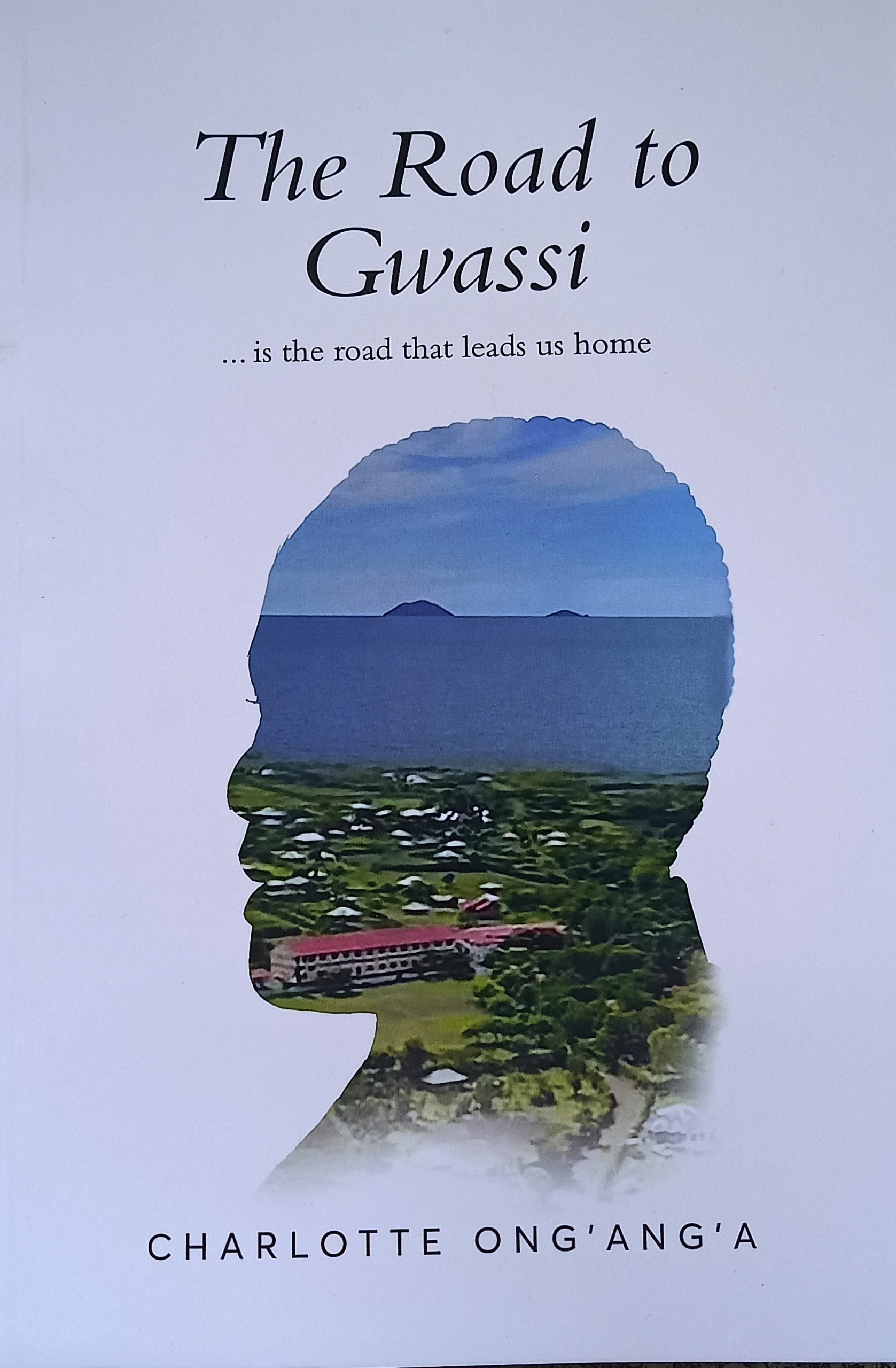
My mum comes from there, so as I read through the book, it felt like I was wandering those familiar roads once again only this time, everything seemed touched by a fairy tale glow. Each page felt like a quiet homecoming, but also a journey of discovery. I found pieces of myself between the lines, learning so much about my maternal family things I had never known before.
I especially loved the introduction, where the author compared the dad to a fearless impala. It was such a vivid, unexpected image, and it pulled me right into the story. Truly, it’s a read that lingers with you long after you’ve turned the last page.
Wilson woods –
Road to Gwassi is very informative, inerlectual and entertaining book to read. For this reason It is one of my all time favourite book.
Wilson woods –
Road to Gwassi is is a very informative, inerlectual and entertaining book to read and for this reason, it is my personal all time favorite book.
Charlotte Ong’ang’a –
Beautiful story, beautifully written!
Wilson woods –
Road to Gwassi is a very informative, inerlectual and entertaining. Infact, it is now my personal favourite because it feature both entertaining and informative characteristics.