



















QUICK DELIVERY
Swift dispatch
KShs3,000.00 KShs2,500.00
In stock
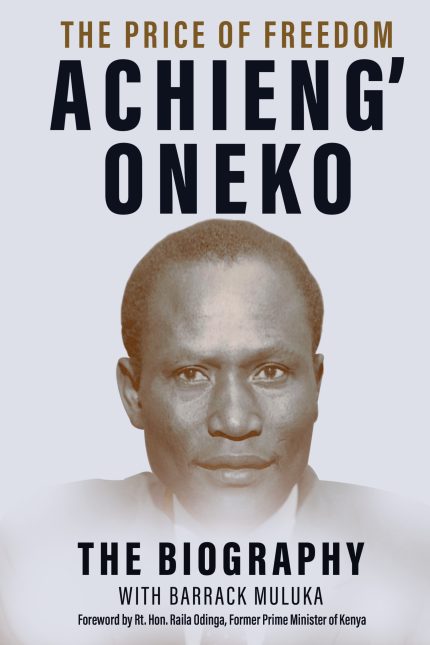
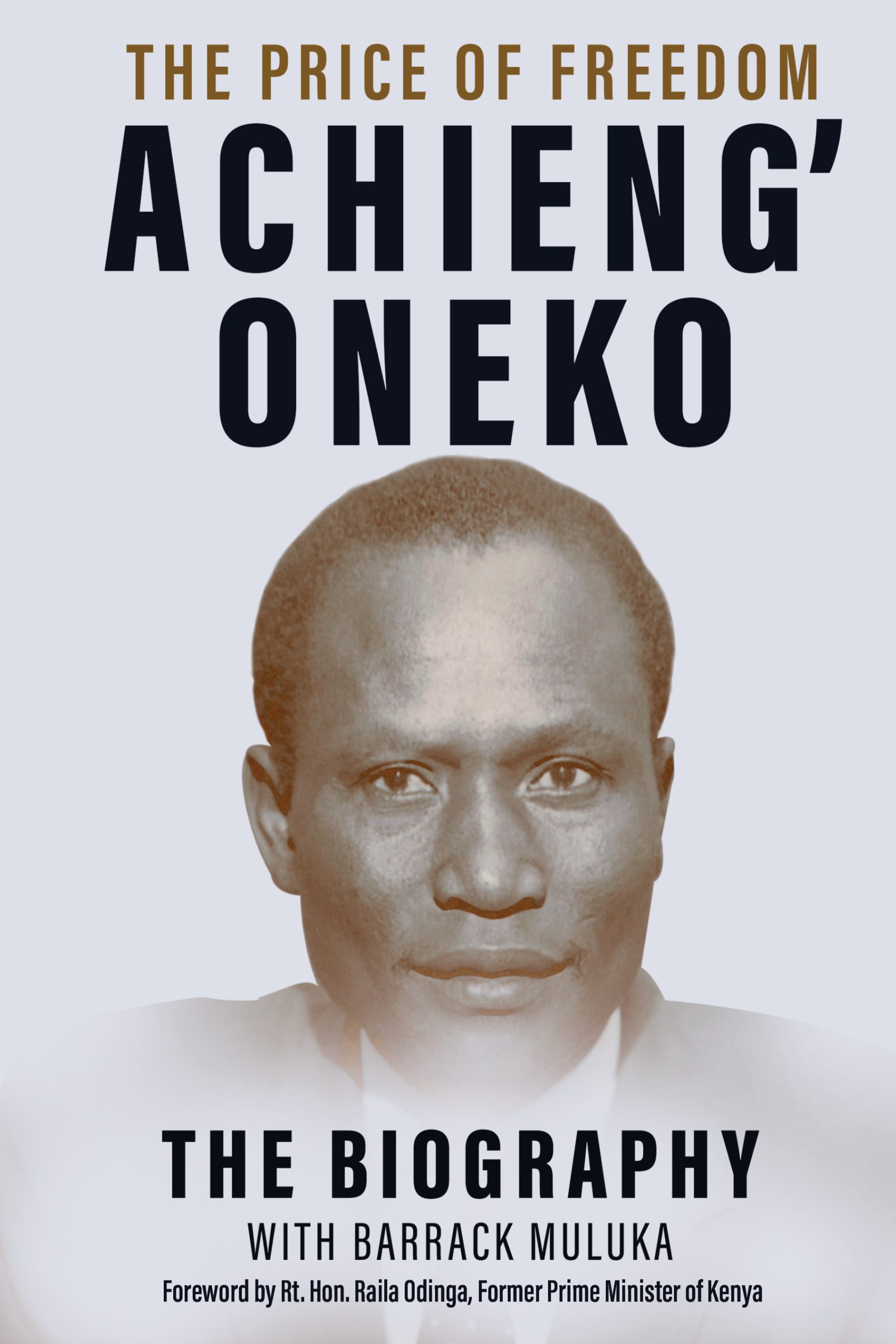
Ramogi Achieng’ Oneko’s public life is a story of resilience and courage, as well as sacrifice and betrayal, in the pursuit of the State that Kenyans have yearned for. Oneko was among the most consequential figures in the struggle for Kenya’s independence in the 1950s and in the early 1960s, collectively known as the Kapenguria Six, after the sham trial they endured in Kapenguria, northwestern Kenya, following their arrest on 20 October 1952. Also arrested alongside Oneko by the British colonial authorities in the Kenya Colony were Jomo Kenyatta, Paul Ngei, Bildad Kaggia, Kung’u Karumba, and Fred Kubai.
This book is a narrative of Oneko’s heroic life and times, largely as told by himself, and also carefully reconstructed from notes he left behind at the time of his death in 2007. It also draws from other historical sources and authorities, including primary source eye-witness accounts, to give a powerful eye–opener to the true story of the elusive quest for a Kenyan nation.
The narrative explores key debates surrounding land, nationalism, governance, and post-independence state formation. Through Oneko’s reflections, you get to gain insight into the aspirations and tensions that accompanied the transition from colonial rule to self-government.
This volume is an invaluable addition to the repository of the Kenyan narrative, for anyone interested in the country’s true story.
| Weight | 1 kg |
|---|
Swift dispatch
No account yet?
Create an Account
AJ Bull Bull –
Owandho Kwach Ramogi Achieng Oneko (for that was his full name), spent nine years of deepskin incarceration with Jomo Kenyatta for Kenya’s freedom, only for his comrade to send police officers to pick him up at his father’s home in Uyoma Rarieda one morning in June 1966, three years after they formed Gov’t together.
That routine pickup by Kenyatta’s men saw him end up at Kamiti Maximum prison, where he sat in solitary confinement for six years, missing the burial of his dear mother, who had died after health complications arising from the shock of his treatment by someone she considered her son’s comrade.
Unlike most political biographies that gloss over painful events that shaped the trajectory of destiny, Oneko gives the reader an insider’s view of historical events.
Perhaps the critical observation from this powerful story telling is the calmness at which Oneko
In a world where people’s experiences are judged based on the tone of their narration, it’s difficult to tell when Oneko is angry or excited, happy or sad. Throughout the book, his tone is gentle and composed, never suffering from self-pity as is the case with many a politicians who write tell-all accounts to settle scores and prove a point.
He died in 2007 at the age of 87, yet he admits his greatest worry while suffering for a better country was whether he would ever get his family back on track after making them suffer social rejection based on his political activities.
This is the story of your quintessential family man who loved his country so much as to spend 15 years in jail for it, only to return home and find the country moved on without him.
This 308-paged ethnographic account of Kenyan politics will leave you drained of energy and asking questions you probably would never have answers for.
If you must die for your country, ensure it was worth it.